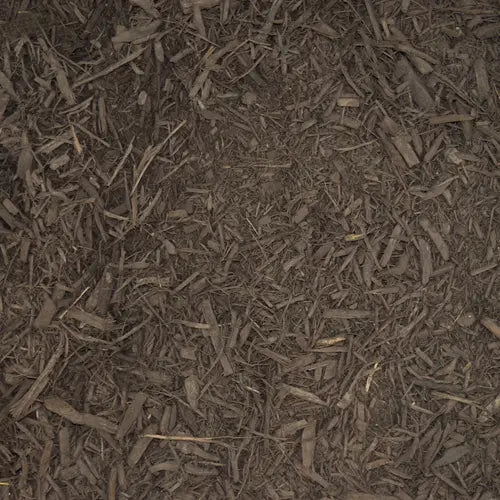
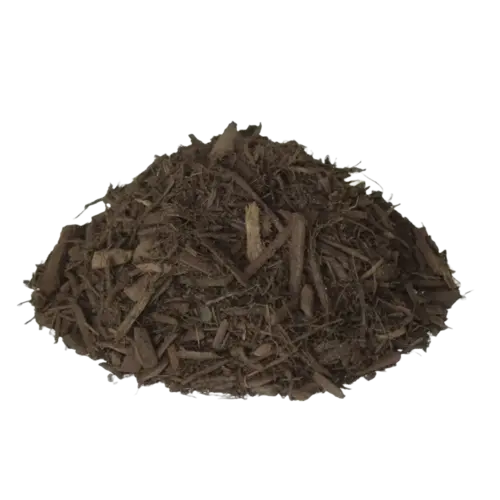
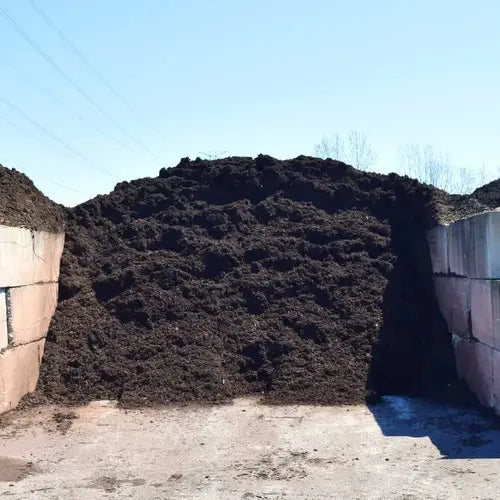
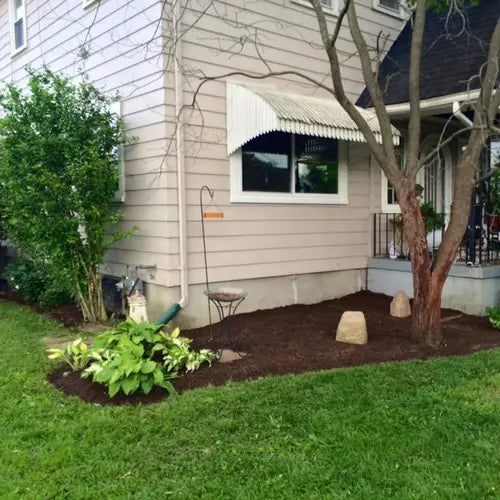
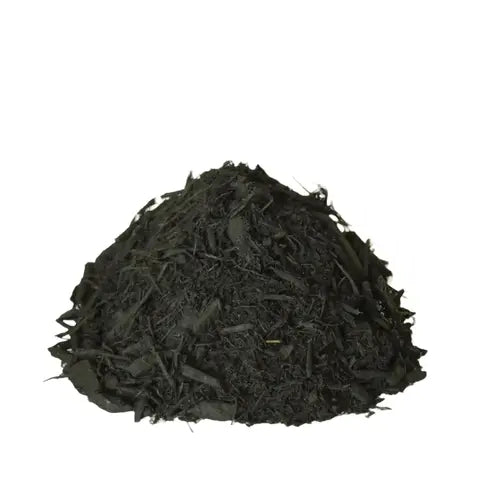
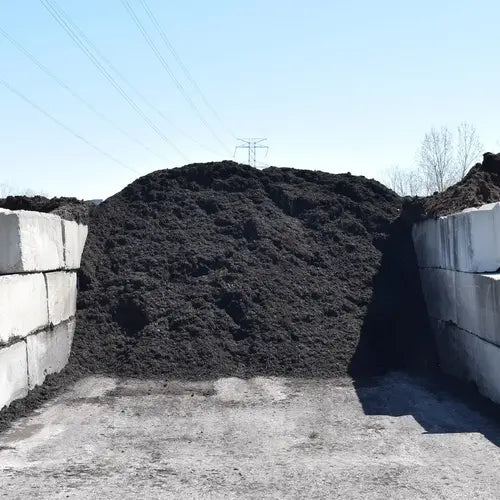
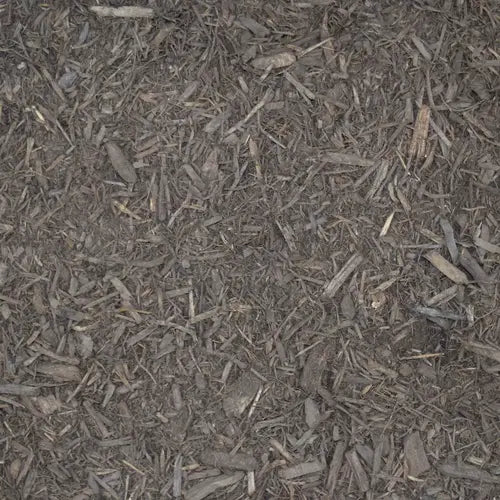
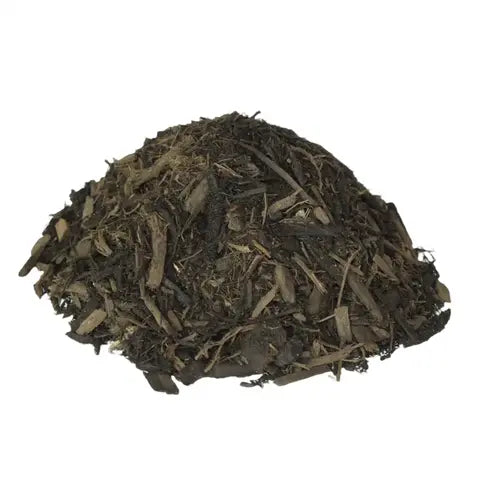
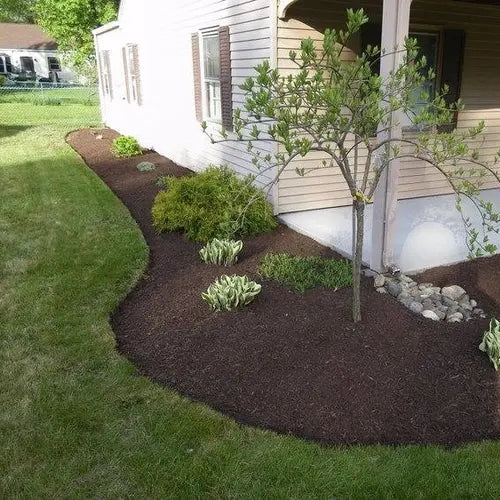
Warm brown double shredded mulch with lasting color that looks freshly applied for weeks. Spreads smooth, stays put, and gives beds a natural, polished appearance.
Delivery was on time and great quality Mulch. Got it done in a reasonable time and yard looks great. Couldn’t be happier!!! Thank you and will use again!!
Tell us what you're looking for
Thanks! We received your request.
Something went wrong. Please try again.
How Much Material Do I Need?
For Shirley's sandy, fast-draining soil, plan on a minimum of 3 inches of mulch for established beds and 4 inches for new beds or areas in full sun where both evaporation and weed pressure are highest.
Use our free mulch calculator
What is a yard?
A yard is approximately 27 cubic feet. As a general guideline, one yard of material can cover an area of about 100-160 square feet at a 2-3 inch depth.
We can't take orders for this right now. Tell us what you need and we'll get back to you.
What do you need?
Thanks! We received your request.
Something went wrong. Please try again.
Hand-picked local yards
4,000+ regional deliveries
Dedicated support
Why order through Mulch Mound
The best local mulch, without the guesswork.
We hand-pick and partner with the best yards in your region, keep only the ones our buyers rate well, and back each load with our guarantee.
Mulch Mound Guarantee
If your mulch isn't the quantity or quality you ordered, we'll make it right.
About this mulch
Warm brown double shredded mulch with lasting color that looks freshly applied for weeks. Spreads smooth, stays put, and gives beds a natural, polished appearance.
Delivery was on time and great quality Mulch. Got it done in a reasonable time and yard looks great. Couldn’t be happier!!! Thank you and will use again!!
How Much Material Do I Need?
For Shirley's sandy, fast-draining soil, plan on a minimum of 3 inches of mulch for established beds and 4 inches for new beds or areas in full sun where both evaporation and weed pressure are highest.
Use our free mulch calculator
What is a yard?
A yard is approximately 27 cubic feet. As a general guideline, one yard of material can cover an area of about 100-160 square feet at a 2-3 inch depth.
Delivery was on time and great quality Mulch. Got it done in a reasonable time and yard looks great. Couldn’t be happier!!! Thank you and will us...
Read full review
Delivery was on time and great quality Mulch. Got it done in a reasonable time and yard looks great. Couldn’t be happier!!! Thank you and will use again!!
Mulch Mound delivered a yard of pea gravel to us. Delivery was on time, driver was friendly and hit a bullseye on the “tarp target”. We used the ...
Read full review
Mulch Mound delivered a yard of pea gravel to us. Delivery was on time, driver was friendly and hit a bullseye on the “tarp target”. We used the pea gravel (which was diameter as specified) to fill several muskrat holes around our pond. I would definitely recommend Mulch Mound to a friend!
I can’t say enough good things about Mulch Mound! If you read my review below you will see I had a problem with my order. Mulch Mou...
Read full review
UPDATE!
I can’t say enough good things about Mulch Mound! If you read my review below you will see I had a problem with my order. Mulch Mound was quick to respond and solved the issue with my delivery. Will definitely be a customer next year.
First time purchase from Mulch Mound!! First what I liked! Easy to order online and straight forward pricing and delivery. The driver was on time and courteous and delivered my Mulch exactly where I requested! The product is of good quality and comparable to others I have purchased from before. Now what I DID’NT LIKE! I have been mulching the same house and yard for almost 20 years. I always order the same amount and don’t have any issues with covering the same area but this year I fell about a yard short. I was home when the mulch was delivered and when the driver dumped it I noticed that it seemed a bit less than I was used to. I didn’t apply it any thicker than usual and probably a bit thinner than usual because I was worried about running out.
To estimate how much mulch you need, measure the length and width of each bed in feet, multiply them together for square footage, then multiply by your desired depth in feet (3 inches equals 0.25 feet). Because Shirley's sandy soil benefits from a thicker application than average, plan for at least 3 inches of coverage rather than the minimal 2-inch guideline. Add up all your bed square footages and divide by 13.5 to get the approximate number of cubic yards needed for a 3-inch application.
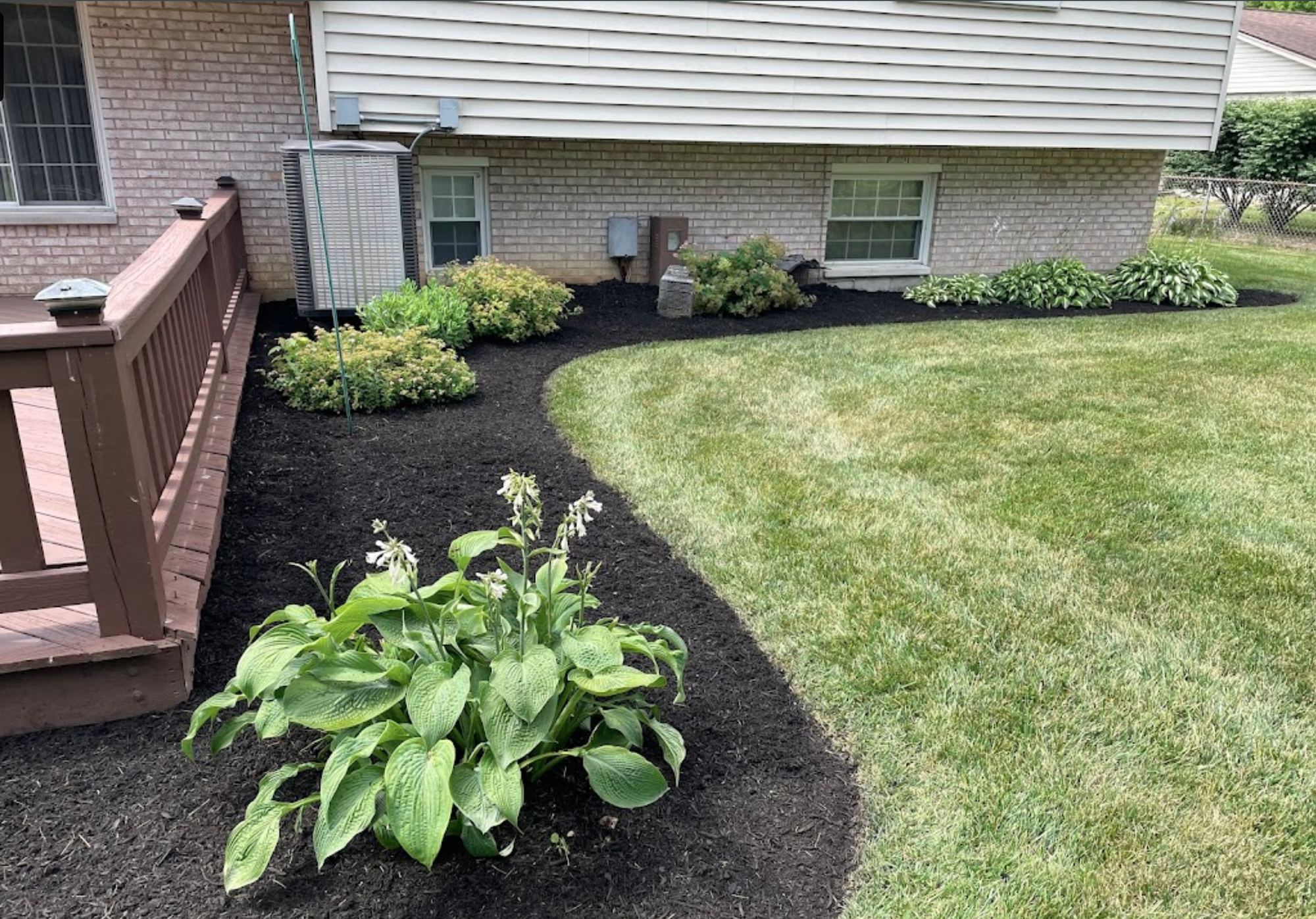
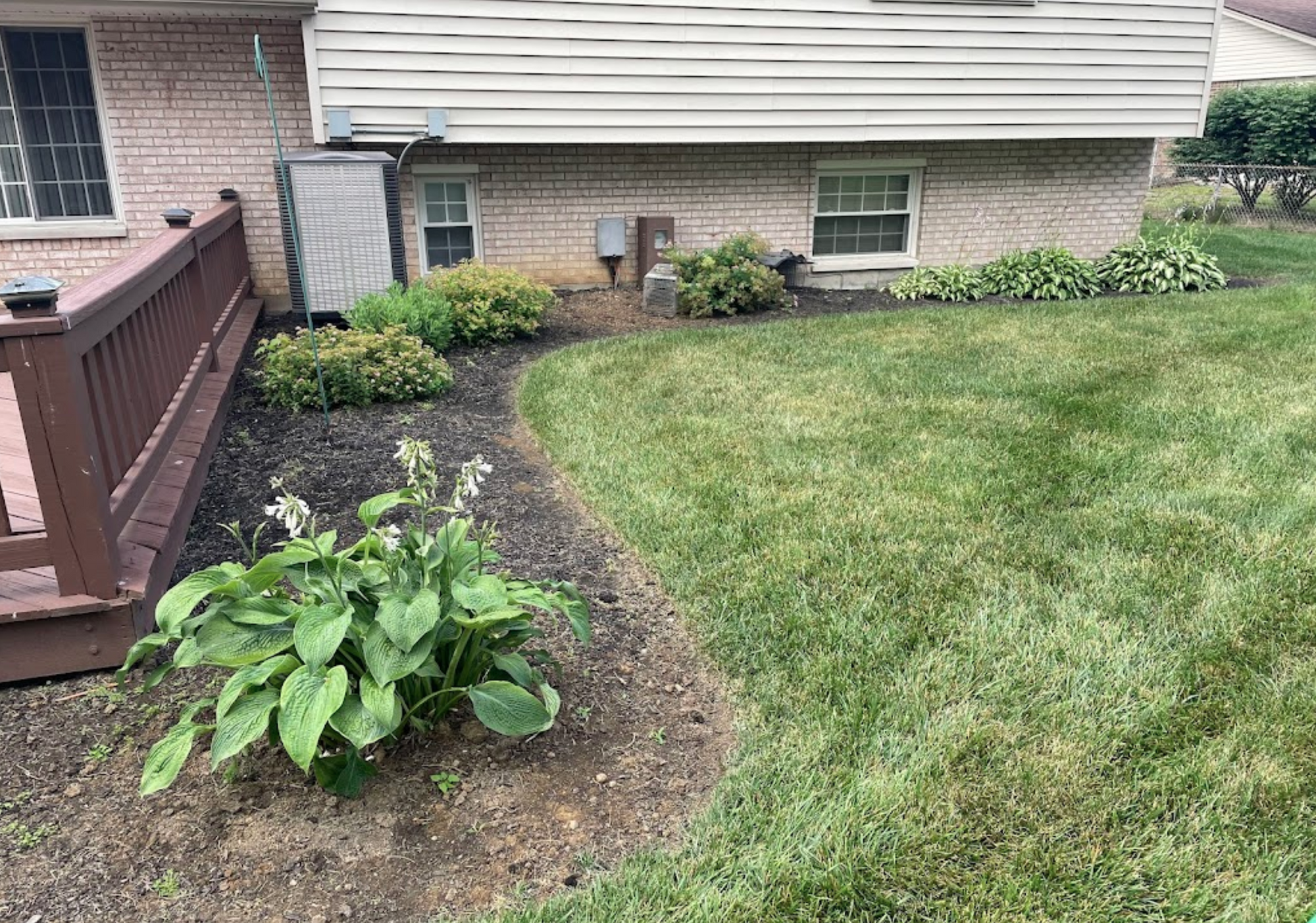
Mulch vs. No Mulch: The Difference
Shirley's warm Zone 7a summers and uneven 30-inch annual rainfall create conditions where natural hardwood mulch breaks down into useful organic matter within one to two full seasons, slowly building the humus content that sandy soil here desperately needs. Dyed mulch uses the same hardwood fiber base but holds its color longer under Long Island's combination of intense summer sun and periodic heavy rain, making it a popular choice for front-yard beds where appearance carries more weight than soil improvement. The best choice depends on whether your priority is building better soil over time or maintaining a consistent, polished look through the entire growing season.
Before
After
Best Mulch Choice for Shirley Lawns
Most yards in the Shirley area sit on Sandy type of soil. Shirley's sandy soil is naturally low in organic matter and drains water so aggressively that plant roots in unprotected beds can dry out within hours of a rain event, especially in shallow-rooted annual beds and newly planted perennials.
Hardwood Mulch
Hardwood mulch applied over Shirley's sandy soil gradually breaks down and releases organic matter directly into the root zone, steadily building the humus content that improves both water retention and nutrient-holding capacity in soil that would otherwise stay lean, loose, and fast-draining season after season.
Mulch Types We Deliver in Shirley
Mulch Mound delivers bulk mulch by the cubic yard directly to homes in Shirley, making it easy to cover beds without hauling bags or renting a trailer. Searching for bulk mulch delivery near me brings up plenty of options, but we keep it straightforward with a local selection matched to Long Island landscapes and seasonal conditions.
Dyed Black Mulch
A bold choice for homeowners who want beds that stand out against the sandy soil common in this part of Long Island. Available in double shredded or triple shredded, the rich black color holds through summer heat and coastal humidity, keeping beds looking sharp all season.
Dyed Brown Mulch
A warm option that complements the ranch style and colonial homes typical of this area. Available in double shredded or triple shredded, dyed brown mulch spreads evenly and holds its color for weeks. A popular all-around choice for front yard curb appeal.
Natural Brown Mulch
Undyed and drawn from the wood itself, this mulch delivers an honest earthy tone without artificial colorants. Available in double shredded or triple shredded to suit different landscape styles, it works well in backyard beds where a clean, organic appearance is the goal.
Cedar Mulch
Aromatic Canadian cedar with a fine, consistent texture that spreads easily across garden beds and foundation plantings. The natural fragrance acts as a mild insect deterrent, a useful quality near the wooded lots found in this part of Suffolk County. Available in double shredded.
Complete Your Outdoor Mulch Project
Pairing mulch with a quality topsoil or garden soil blend is the most effective way to address Shirley's sandy soil deficiencies at the root level before you add your mulch layer on top. Decorative stone is also a smart complement for high-drainage areas near foundations or along pathways where organic mulch tends to scatter or wash away in heavy rain.
Shirley's sandy soil can become hydrophobic after long dry spells, causing water to bead off the surface instead of soaking in. Before laying fresh mulch in late spring, water your beds thoroughly and work in a light layer of compost first. The compost improves the soil's ability to absorb and hold water, and the mulch on top then slows evaporation from that improved surface layer. This two-step approach makes a measurable difference in plant health during Shirley's dry summer stretches when rainfall is scarce and irrigation demands run high.
Mulch Mound Pro Tip
Because Shirley sits in Zone 7a with a last frost typically around April 20, resist the urge to mulch too early in spring. Mulch laid over cold, wet sandy soil in late March or early April traps cold and delays soil warming, which slows root development on perennials and sets back early annuals. Wait until soil temperatures have genuinely climbed, usually after May 1, before applying spring mulch around heat-loving plants and vegetables. Early bloomers and bulb beds can be mulched a bit sooner since they need less warmth to break dormancy.
Mulch Mound Pro Tip
Shirley receives about 30 inches of rainfall per year, which sounds adequate but falls unevenly with pronounced dry gaps common in midsummer. A 3-to-4-inch mulch layer over sandy beds cuts surface evaporation dramatically, meaning plants experience far less water stress between rain events without requiring you to run irrigation daily. Refreshing your mulch each spring before the dry season begins keeps that protective layer at full effectiveness and also continues the gradual process of building organic matter in Shirley's naturally lean, fast-draining topsoil.
Frequently Asked Questions
Click a question to see the answer
Answer
How thick should I apply mulch over Shirley's sandy soil?
Because sandy soil in Shirley drains so quickly, we recommend a mulch depth of 3 to 4 inches over planting beds rather than the standard 2-inch application used in areas with heavier clay-based soil. That extra thickness creates a more effective moisture barrier and keeps the soil surface from drying out between rain events. Avoid piling mulch directly against plant stems, but do not shortchange the coverage across the open bed surface where evaporation is highest.
Answer
Will mulch actually help my plants get through the dry stretches between summer rainstorms?
Yes, and this is one of the most compelling reasons Shirley homeowners should keep their beds mulched through the growing season. With roughly 30 inches of annual rainfall and long dry gaps common in July and August, mulch acts as a barrier that dramatically slows evaporation from the sandy surface beneath it. A properly mulched bed can hold moisture for several days after a rain event, while bare sandy ground in Shirley can dry out completely within a few hours under summer sun.
Answer
What kind of mulch breaks down the fastest in Shirley's climate?
Finely shredded hardwood mulch breaks down most quickly given Shirley's warm Zone 7a summers, where microbial activity in the soil runs high from June through September. If you want mulch that lasts longer before needing a refresh, double or triple shredded hardwood is more densely packed and decomposes more slowly, while wood chip products also hold their structure better through the warmer months. The tradeoff is that faster-breaking mulch adds organic matter to Shirley's sandy soil more quickly, which is a meaningful long-term benefit.
Answer
When is the best time of year to lay fresh mulch in Shirley?
The two most effective windows are mid-spring after the last frost clears around April 20, and again in early fall before the first frost arrives around November 1. Spring mulching locks in soil moisture right as the growing season begins and suppresses the first wave of weed seeds that germinate in warming sandy soil. Fall mulching insulates perennial and shrub roots heading into winter and buffers against the temperature swings that Zone 7a gardens experience from late October through December.
Answer
Does dyed or colored mulch hold up better than natural mulch in Shirley's weather?
Dyed mulch generally holds its color longer than natural hardwood mulch because the colorfast pigments resist fading from sun and rain better than the natural tones that weather out of undyed wood fiber. The underlying wood material still breaks down at roughly the same pace given Shirley's warm summers, so the structural lifespan is similar for both. If curb appeal over an extended stretch of time is the priority, dyed mulch is worth the investment. If improving sandy soil over several seasons is the main goal, natural hardwood mulch delivers more organic matter benefit as it decomposes.
Answer
How do I keep mulch from washing away near my downspouts and along sloped areas?
Shirley's sandy soil does not absorb sudden downpours quickly, which means roof runoff can scatter lightweight mulch from beds near downspouts or on any grade. In those areas, a coarser product like wood chips or shredded hardwood resists displacement far better than a finely ground mulch that moves easily in fast-moving water. Installing simple edging around those zones contains mulch during heavy events, and switching to decorative stone in the highest-impact drainage spots is a permanent solution where mulch repeatedly washes out.
Answer
Is it too late to mulch my beds in October before the first frost hits?
Not at all. Applying mulch in October before Shirley's typical November 1 first frost is actually ideal timing for protecting perennial roots and fall-planted bulbs from early cold snaps and temperature swings. Just make sure the soil is properly moistened before you lay the mulch, since dry sandy soil that gets covered before a rain event can stay drier beneath the mulch layer longer than you might expect. A thorough watering followed by fresh mulch gives your beds the best possible setup heading into winter.
The Unique Landscape of Shirley
Shirley's naturally sandy soil drains water so quickly that plant beds lose moisture within hours of a rain event, making mulch one of the most essential tools a homeowner here can use. With only about 30 inches of annual rainfall distributed unevenly across the year, dry stretches in July and August can stress shallow-rooted plants in beds that have no protective cover. Zone 7a summers bring warm, humid conditions that accelerate weed seed germination, so consistent mulch coverage is the practical first line of defense against beds that quickly become overrun. Mulch also moderates the soil temperature swings that Shirley gardens experience from spring warm-up after the April 20 last frost through the cooling stretch heading into the November 1 first frost. Over time, organic mulches break down and add the organic matter that Shirley's lean, sandy native soil naturally lacks, gradually improving water retention and root health with each passing season.