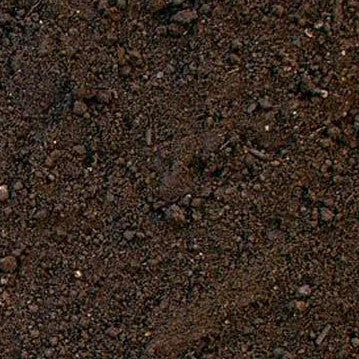
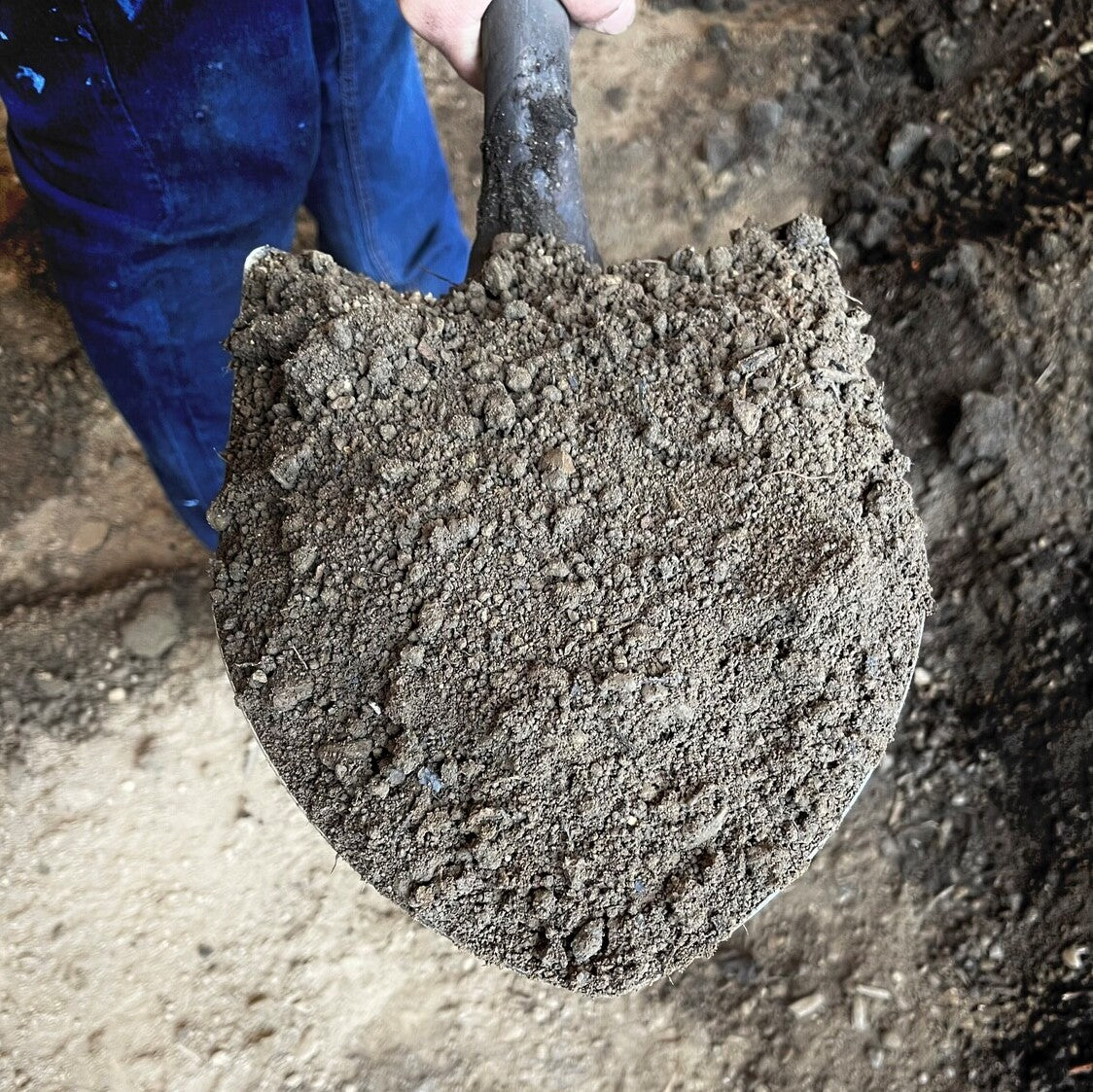
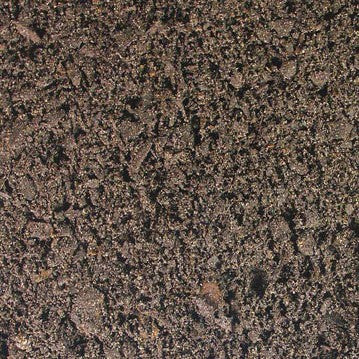
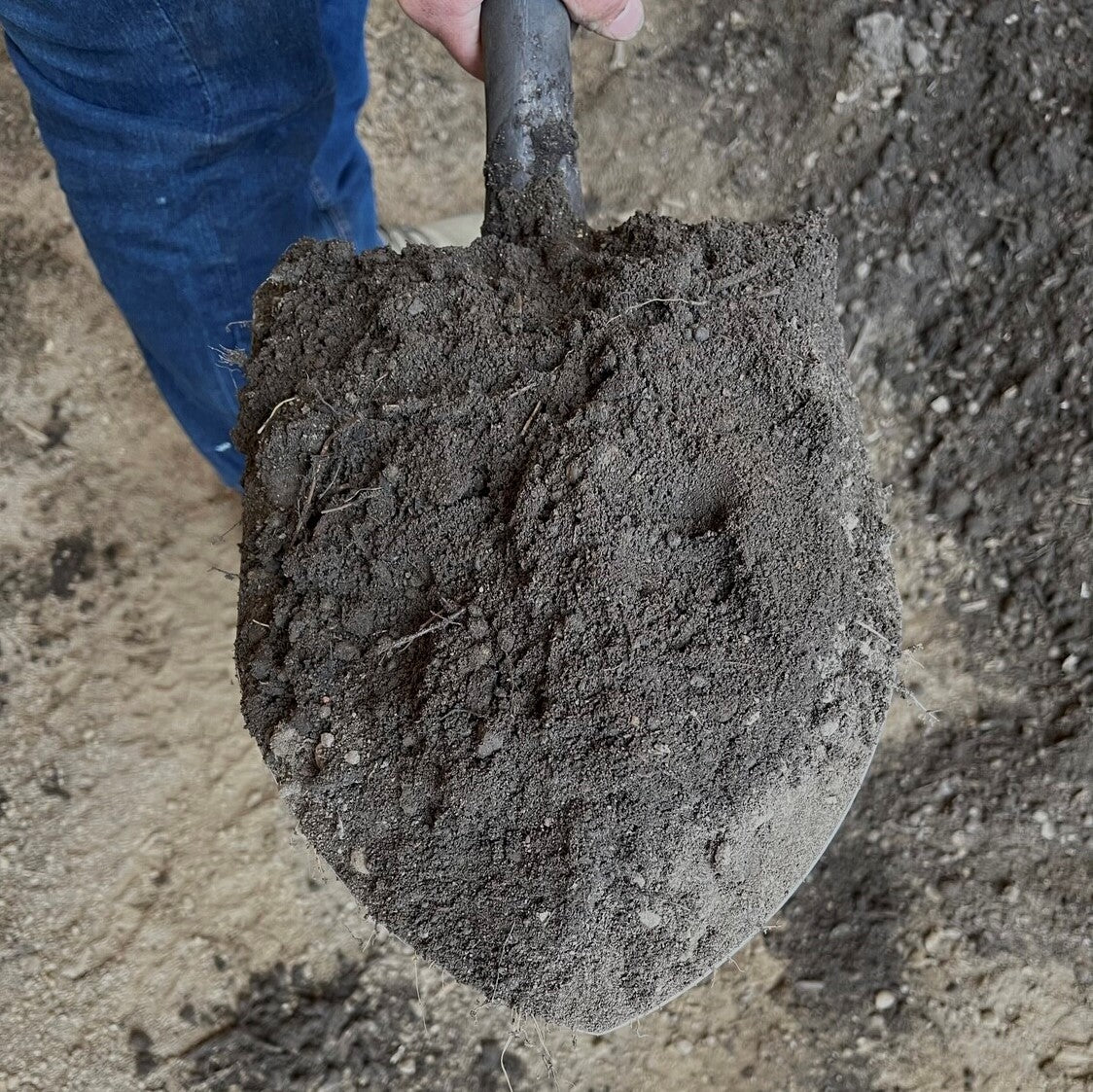
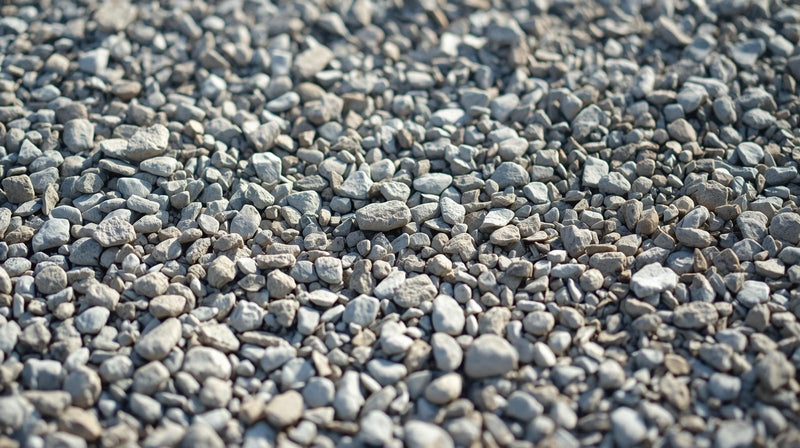
Quality topsoil for lawns, gardens, and landscape projects. Nutrient rich and ready to support strong root development and healthy plant establishment.
Had a great experience with Mulch Mound. I was searching for the most affordable soil delivery that could be here for memorial day weekend (this was less than a week before). They were the most affordable and earliest delivery I could find in the area. Booking was easy, delive...
Quality topsoil for lawns, gardens, and landscape projects. Nutrient rich and ready to support strong root development and healthy plant establishment.
Had a great experience with Mulch Mound. I was searching for the most affordable soil delivery that could be here for memorial day weekend (this was less than a week before). They were the most affordable and earliest delivery I could find in the area. Booking was easy, delive...
How Much Material Do I Need?
For planting beds over Shirley's sandy native soil, plan on at least 4 to 6 inches of topsoil for ornamental and shrub beds and 8 to 12 inches for vegetable gardens where deep, well-developed root systems are needed for strong yields.
Use our free soil calculator
What is a yard?
A yard is approximately 27 cubic feet. As a general guideline, one yard of material can cover an area of about 100-160 square feet at a 2-3 inch depth.
Had a great experience with Mulch Mound. I was searching for the most affordable soil delivery that could be here for memorial day weekend (this wa...
Read full review
Had a great experience with Mulch Mound. I was searching for the most affordable soil delivery that could be here for memorial day weekend (this was less than a week before). They were the most affordable and earliest delivery I could find in the area. Booking was easy, delivery went well. The driver was responsive and did not make a mess dumping my soil :) The only complaint (why 4 starts instead of 5) was that they postponed my delivery by a day, and didn't communicate until after the delivery window. Not a huge deal, but inconvenient.
To estimate how much soil you need, multiply the length, width, and desired depth of each area in feet and divide by 27 to convert cubic feet to cubic yards. For Shirley beds where you are building over sandy native ground, lean toward the deeper end of the recommended range since the soil beneath offers minimal buffering. Having a modest surplus on hand is always worthwhile because sandy ground can settle unevenly and you may need to top off low spots a few weeks after initial placement.
Complete Your Outdoor Soil Project
Topping your new soil layer with a 3-to-4-inch application of hardwood mulch locks in the moisture that improved topsoil can now hold, which is essential for Shirley's dry summer conditions. Adding decorative stone along bed borders and pathways adjacent to your planting areas keeps sandy native soil from eroding into your carefully prepared beds after heavy rain.
How much topsoil do I need to improve a patchy lawn growing in Shirley's sandy soil?
For lawn leveling and overseeding on Shirley's sandy ground, a top-dress layer of roughly 1/4 to 1/2 inch of screened topsoil spread across thin or bare areas gives grass seed a significantly better germination environment than the native soil alone. For deeper low spots or areas where soil has eroded, a full inch or more may be needed to restore grade before seeding. Even a modest addition of quality topsoil provides a noticeably more water-retentive growing layer over Shirley's naturally lean, fast-draining sandy base.
Answer
What type of soil works best for raised vegetable garden beds in Shirley?
A blended garden soil combining screened topsoil, finished compost, and a coarse perlite or coarse sand fraction works extremely well in Shirley raised beds. The compost component is especially critical because native sandy soil in Shirley contributes almost no organic matter on its own, and vegetables demand consistent moisture and nutrition through the full growing season from transplanting after April 20 through the final harvests before the November 1 frost. A rich garden blend in a raised bed means your crops have everything they need without relying on the poor-quality soil beneath.
Answer
Is it worth bringing in bulk topsoil or can I just amend my existing sandy soil?
Bagged amendments help at small scales but quickly become expensive and labor-intensive compared to bulk delivery when you need to improve more than a few square feet. Shirley's sandy native soil often requires a complete overhaul of the planting layer rather than just a modest nutrient boost, particularly in newer construction areas where the original topsoil was stripped or disturbed during building. A bulk topsoil delivery lets you lay down 4 to 6 inches of quality material across an entire bed in a single step, which is far more efficient than making repeated trips to a retail garden center.
Answer
Will adding topsoil help my lawn hold up better through Shirley's dry summer months?
Yes, and the improvement can be dramatic. Sandy soil throughout Shirley lets irrigation and rainfall pass straight through the root zone before grass roots can take up adequate moisture, leading to yellowing, thinning, and heat stress during the dry stretches typical of July and August. A layer of screened loamy topsoil spread and worked into the surface zone provides more water-holding capacity right where grass roots actively grow. Paired with consistent watering and returning clippings to the lawn, improved topsoil makes Shirley lawns far more resilient between rainfalls.
Answer
When is the best time to bring in topsoil for a new garden bed in Shirley?
The most productive windows are early spring once the ground thaws and dries enough to work, typically from late March through April, or early fall from September through mid-October. Spring delivery positions you to have beds ready to plant right around the last frost date of April 20. Fall delivery gives soil a full winter to settle and integrate, leaving beds perfectly prepared for an early spring planting start. Avoid working or spreading soil during heavy rain or when the ground is saturated, as this causes compaction that takes months to correct.
Answer
How do I keep newly placed topsoil from eroding before my plants get established?
Freshly placed topsoil over Shirley's sandy base is vulnerable to displacement from heavy rain until plant roots knit the surface together. Cover bare topsoil with burlap, biodegradable erosion fabric, or a light straw layer if you cannot plant immediately after delivery. Installing stone or timber edging around bed perimeters also contains soil during runoff events and keeps it from spreading across lawns or hardscapes. Once plants or grass establish even shallow roots, erosion risk drops off quickly.
Answer
How deep should my topsoil layer be when planting over Shirley's sandy native ground?
For ornamental perennial and shrub beds, a 4-to-6-inch layer of quality topsoil or garden blend gives most root systems a sufficiently rich growing zone. For vegetable gardens where deep-rooted crops like tomatoes, peppers, and squash are planted, aim for 8 to 12 inches of enriched soil so roots can develop fully without hitting nutrient-poor sand beneath. Because Shirley's sandy native subsoil drains freely, you gain excellent drainage at depth while the quality soil layer on top provides the water retention and nutrition your plants actually need.
Mulch Mound Pro Tip
When building raised beds in Shirley, avoid using native sandy soil as a filler or base layer inside the bed frame. Line the bottom with a woven weed barrier and fill entirely with a quality garden blend so roots encounter nothing but rich, moisture-retentive material from top to bottom. Shirley's freely draining sandy ground beneath the bed handles excess water naturally, giving you the ideal combination of consistent moisture retention in the root zone above and no risk of waterlogging at the base.
Mulch Mound Pro Tip
If you are grading and topping a lawn area with fresh topsoil, plan your delivery so you can overseed within a few days of spreading. Shirley's fall planting window from early September through mid-October is ideal for lawn seeding because soil temperatures remain warm enough to support germination while cooler air temperatures reduce stress on new seedlings heading toward the November frost. Fresh topsoil paired with timely seeding and a light straw cover is the fastest and most reliable path to a thick, uniform lawn.
Mulch Mound Pro Tip
Shirley homeowners sometimes skip soil testing before ordering topsoil, but a quick test from the Cornell Cooperative Extension program can save you money on amendments. Sandy coastal soils on Long Island frequently trend acidic, and knowing your pH before investing in bulk topsoil lets you make targeted corrections. Adding lime to raise a low pH before spreading your new soil means the topsoil performs at its full potential from the very first growing season rather than taking a season or two to correct in place.
The Unique Landscape of Shirley
Shirley's native sandy soil is one of the most consistent challenges homeowners face when trying to establish healthy lawns, productive garden beds, or attractive planting areas along Long Island's South Shore. Sandy soil drains water nearly too efficiently, leaving roots dry between rain events and unable to hold the nutrients that plants need to thrive through the long Zone 7a growing season. Whether you are grading a new planting area, filling raised beds, repairing lawn low spots after winter, or starting a vegetable garden from scratch, bringing in quality topsoil or garden soil is the most direct solution to working around a native soil profile that simply cannot support heavy plant demand on its own. Shirley's growing season runs from roughly late April through early November, a stretch long enough to demand soil capable of supporting roots from spring warm-up through frost. Improving the soil beneath your plants is a foundational investment that reduces watering frequency, cuts fertilizer use, and produces noticeably stronger growth every season.