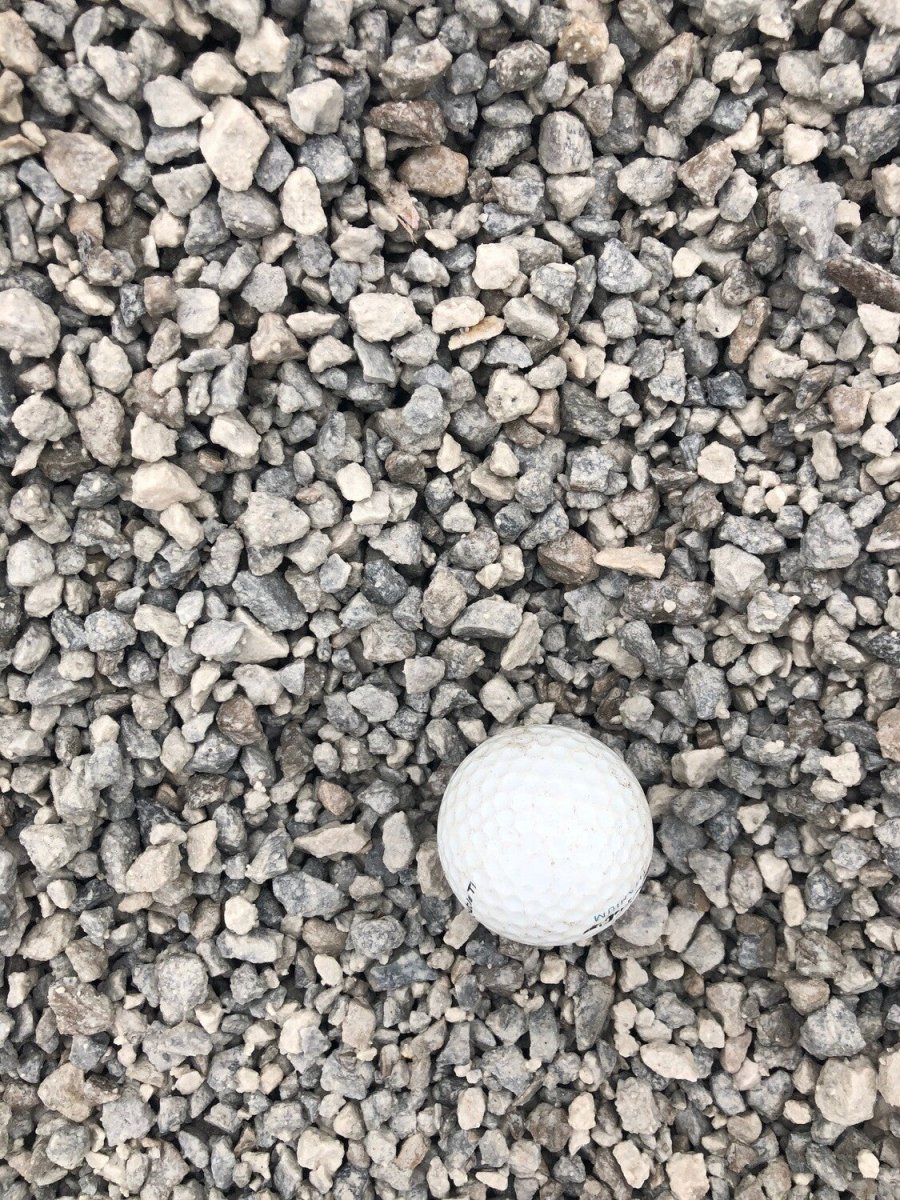
One ton of gravel covers roughly 80 square feet at 2 inches. Silver Spring decorative beds stay at that depth. Paths and driveways go deeper.
Use our free stone calculator
What is a yard?
A yard is approximately 27 cubic feet. As a general guideline, one yard of material can cover an area of about 100-160 square feet at a 2-3 inch depth.
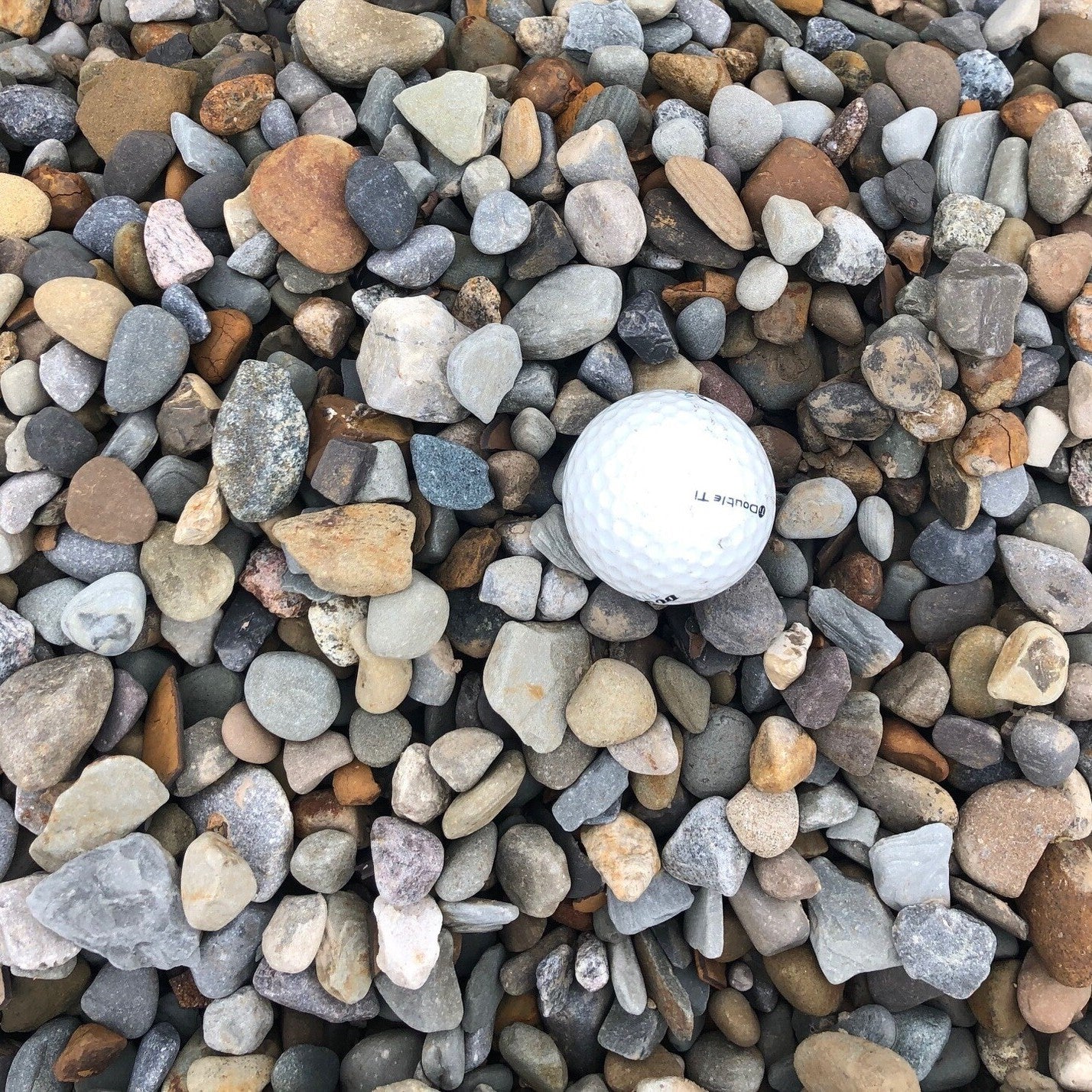
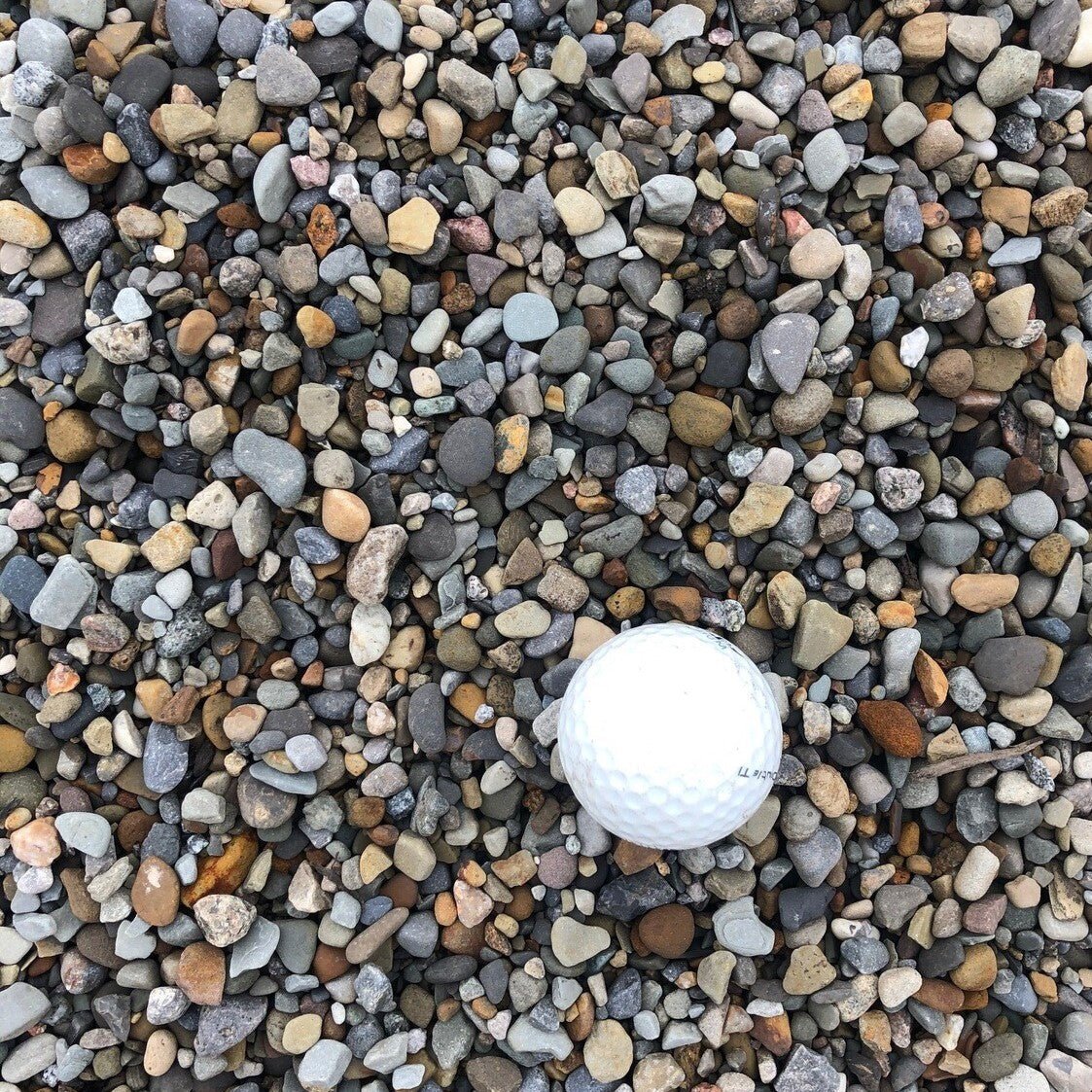
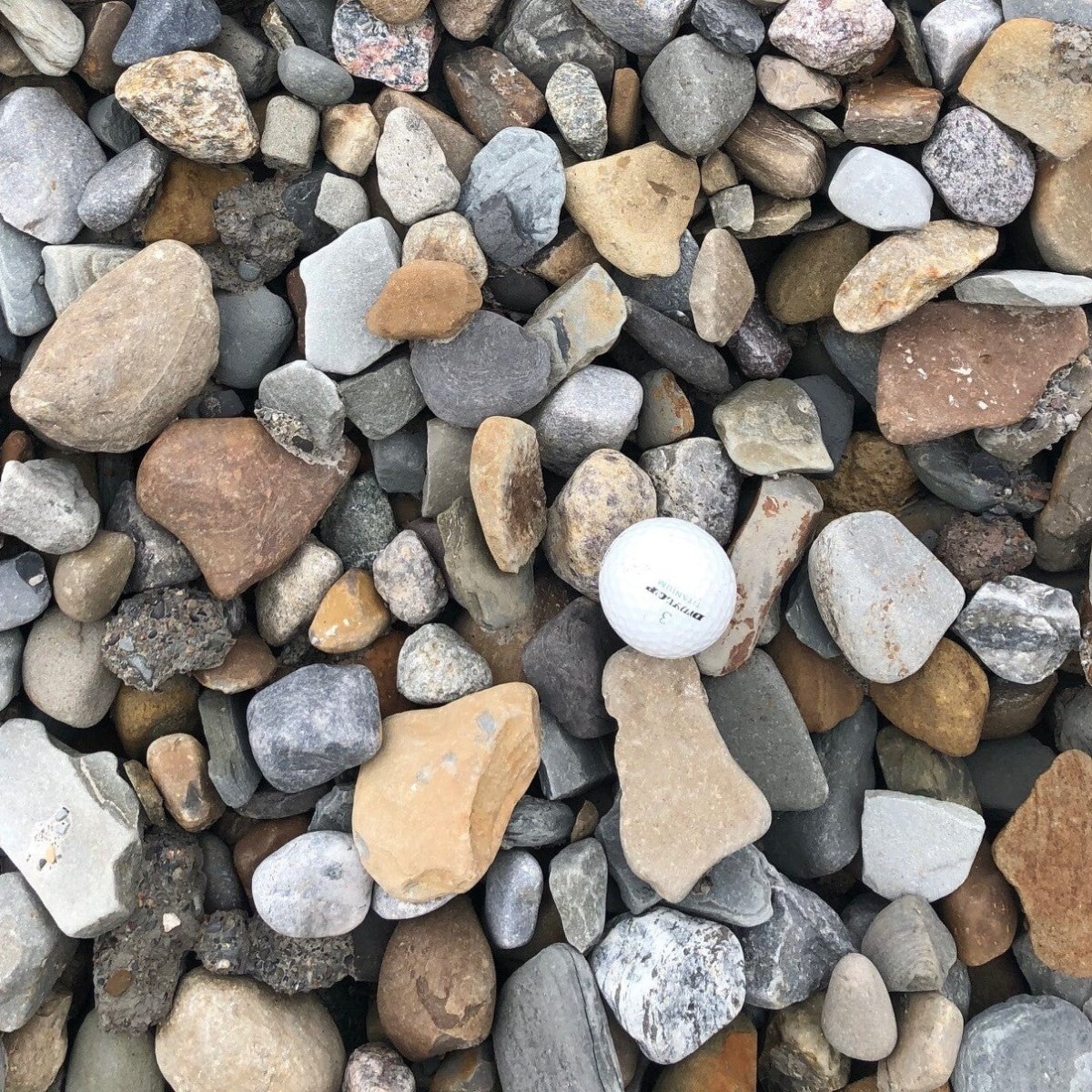
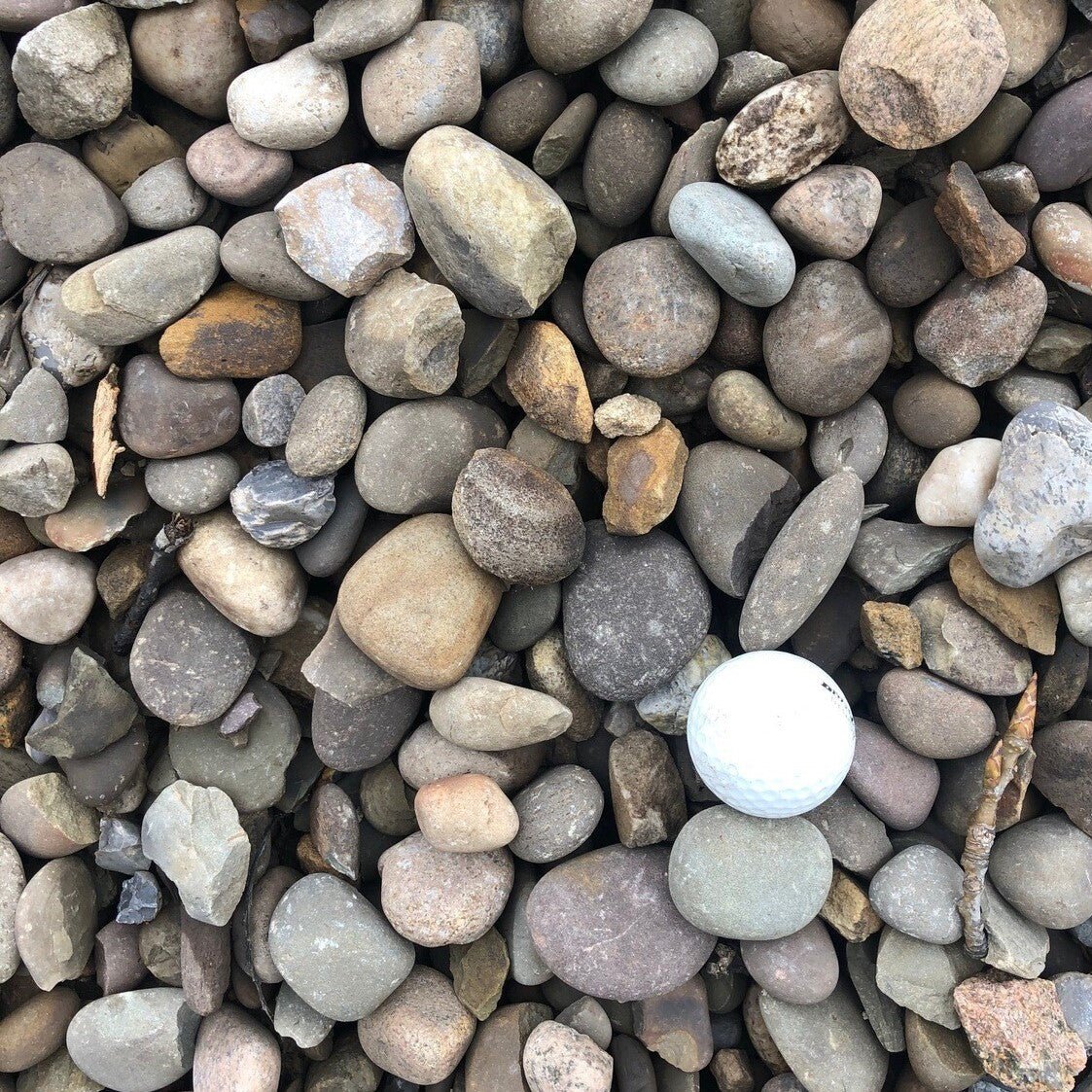
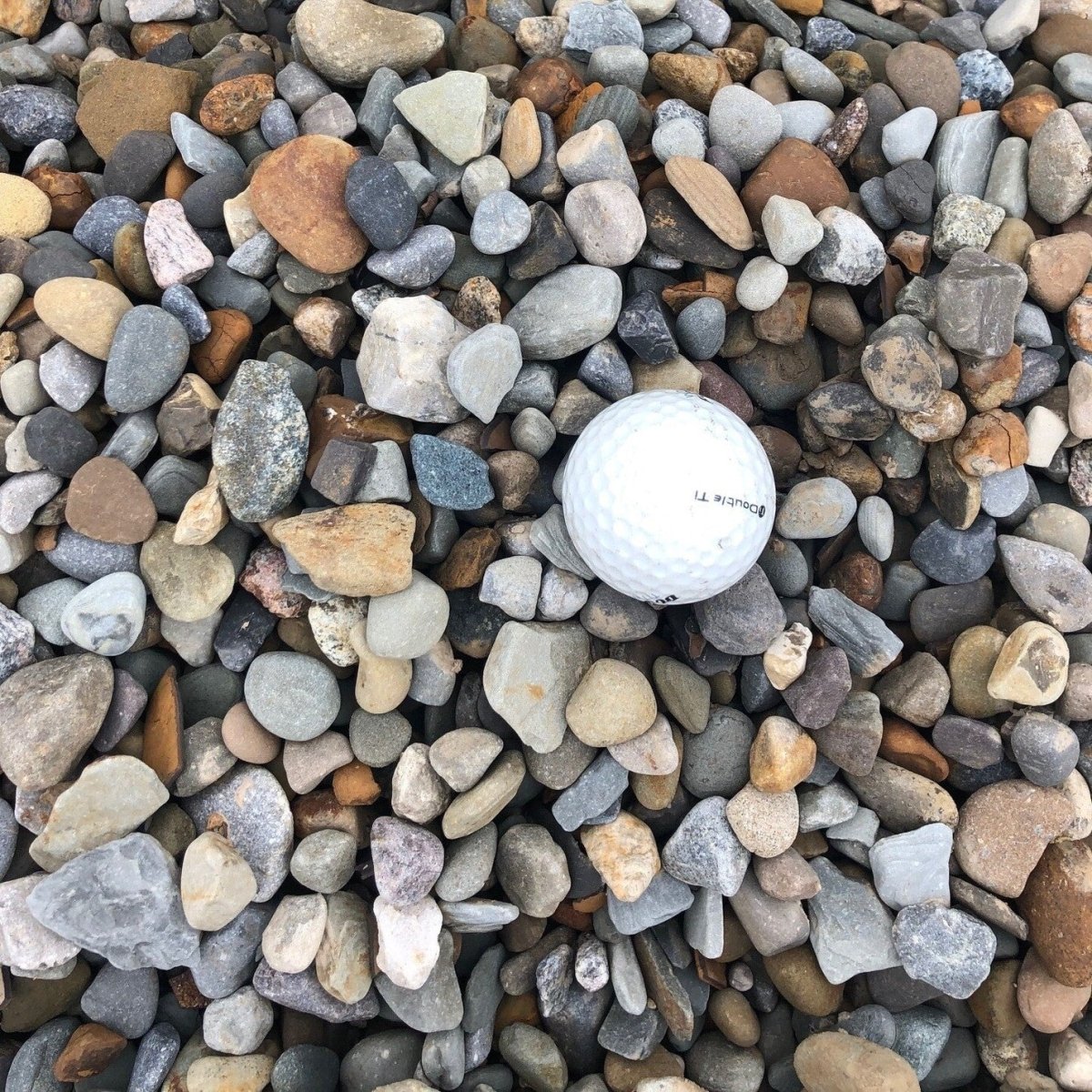
Classic pea gravel with smooth, rounded edges and natural earth tones. A versatile favorite for pathways, patios, drainage, and decorative ground cover.
Mulch Mound delivered a yard of pea gravel to us. Delivery was on time, driver was friendly and hit a bullseye on the “tarp target”. We used the ...
Read full review
Mulch Mound delivered a yard of pea gravel to us. Delivery was on time, driver was friendly and hit a bullseye on the “tarp target”. We used the pea gravel (which was diameter as specified) to fill several muskrat holes around our pond. I would definitely recommend Mulch Mound to a friend!
Paths, patios, drainage—each stone project has different depth needs. Use our satellite trace tool to outline your area and see yardage estimates. In Silver Spring, where piedmont clay can affect settling, proper depth prevents problems.
Complete Your Outdoor Stone Project
Hardscape meets softscape in Silver Spring. Stone builds your paths and borders while mulch and soil prep your planting beds on clay loam ground.
Blow leaves off stone surfaces rather than raking them during fall cleanup. Raking displaces carefully placed stone and mixes organic debris into the gravel layer where it decomposes and feeds weeds.
Mulch Mound Pro Tip
Stone colors often change dramatically between wet and dry conditions. View samples both wet and dry before ordering large quantities to avoid surprises after installation is complete.
Mulch Mound Pro Tip
Stone absorbs heat during the day and radiates it into the evening hours. In sunny Silver Spring locations, light colored stone keeps surfaces noticeably cooler than dark colors during summer months.
The Unique Landscape of Silver Spring
Stone is a low‑maintenance finish that stays crisp season after season. Silver Spring humidity and storms can fuel weeds and washout without good coverage. In Silver Spring, Maryland, stone delivery makes it easier to create crisp borders, stable paths, and drainage-friendly zones. Stone stabilizes high-traffic spots, improves drainage, and keeps mud away. Base prep and edging keep stone from migrating into the lawn. From pea gravel to river rock, size and shape change how it drains and how it stays put. Bulk delivery is the easiest way to tackle a real project without the hassle.
Frequently Asked Questions
Click a question to see the answer
Answer
Stone vs mulch—which is better?
Each has advantages. Stone is permanent and drains well; mulch improves soil and costs less. Use both in different Silver Spring zones.
Answer
Can I put stone directly on grass?
Bad idea. Grass dies but doesn't vanish—it becomes bumpy debris under the stone. Remove or kill grass, prep properly, then install.
Answer
How is delivery priced?
We price by mileage. An estimate appears when you add to cart; the final number shows at checkout with your address.
Answer
What stone is best for pathways?
Smaller material like pea gravel or crushed stone compacts well for walking. Big round stones move too much.
Answer
Is stone or mulch better for slopes?
Angular crushed stone is most stable. Shredded mulch also works. Avoid round stone and chunky chips on inclines.
Answer
How do I prepare the area for stone?
Strip grass, grade the base away from buildings, compact, lay fabric, spread stone. With Silver Spring's clay loam, base prep matters a lot.
Answer
How much stone do I need?
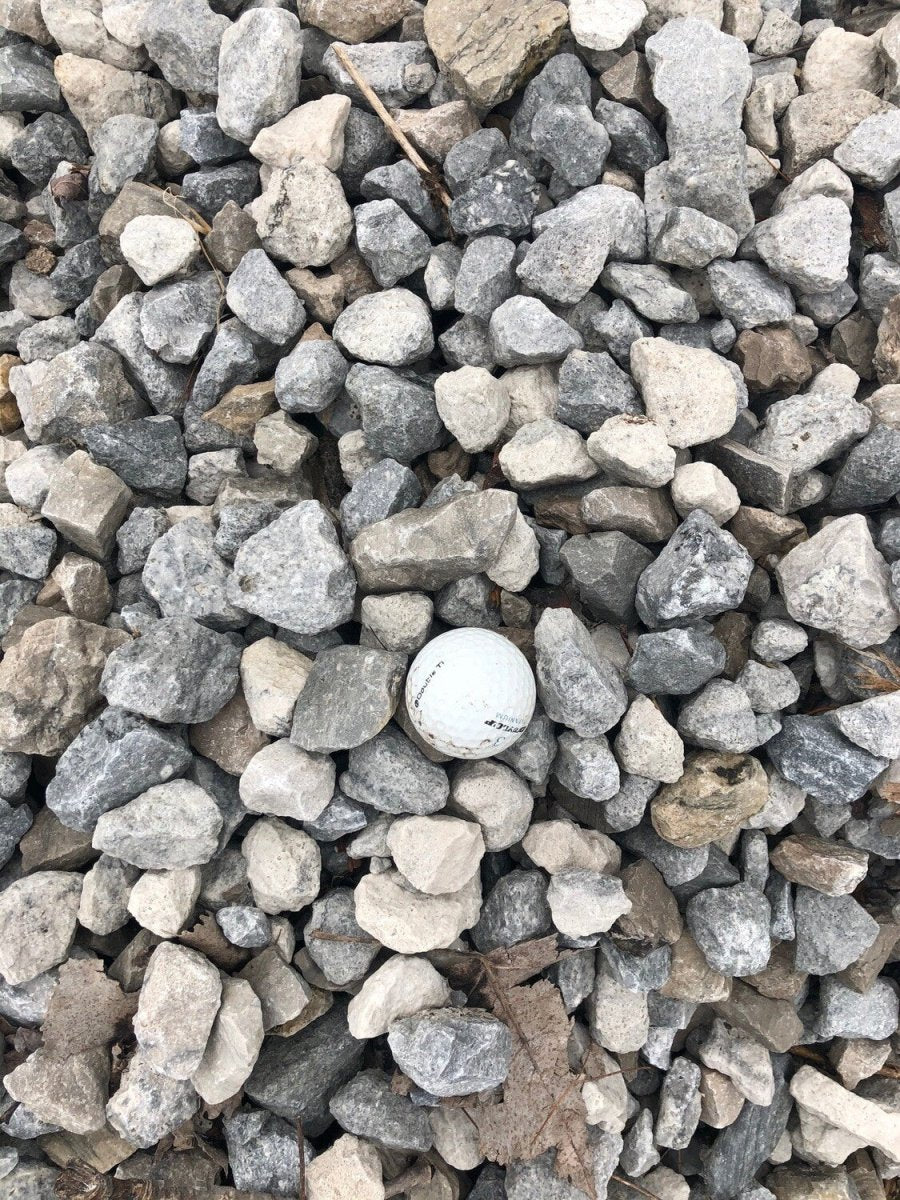
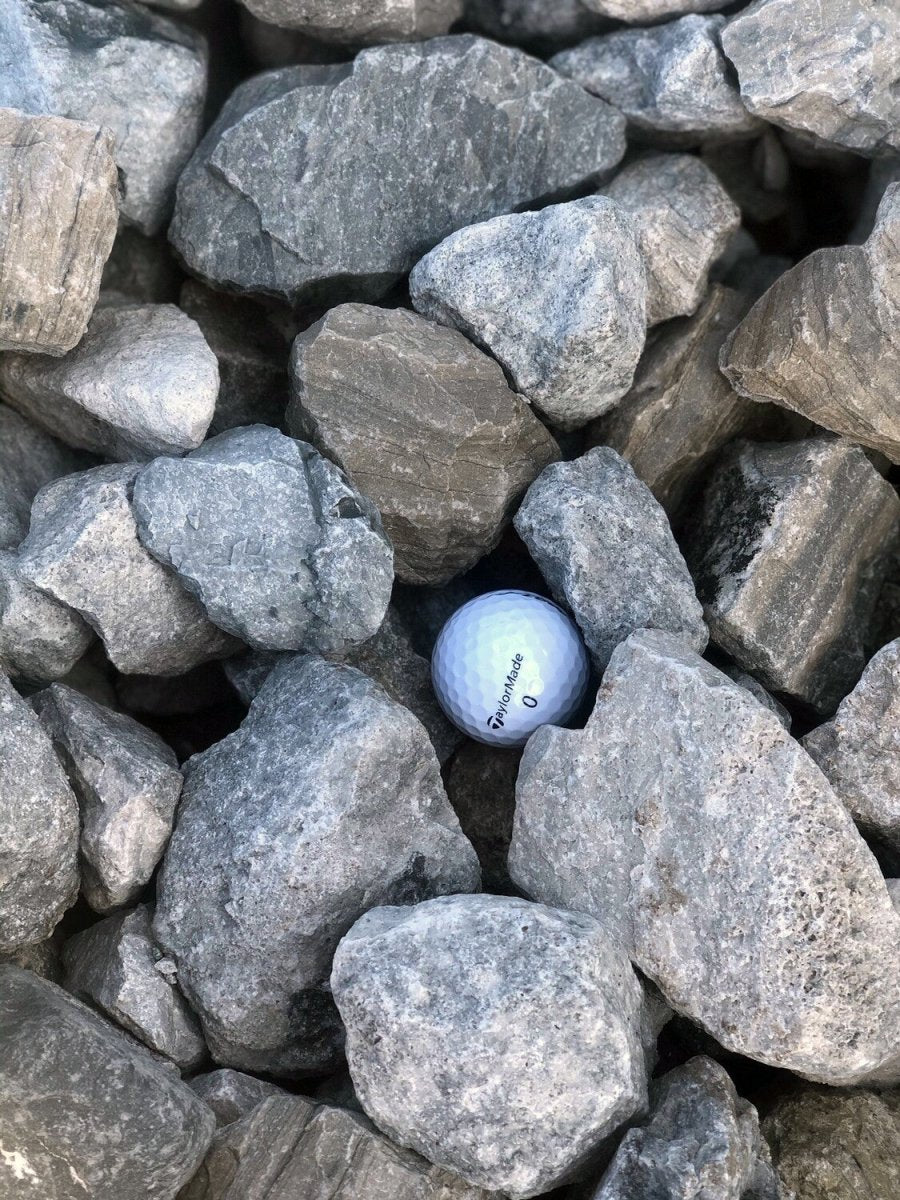
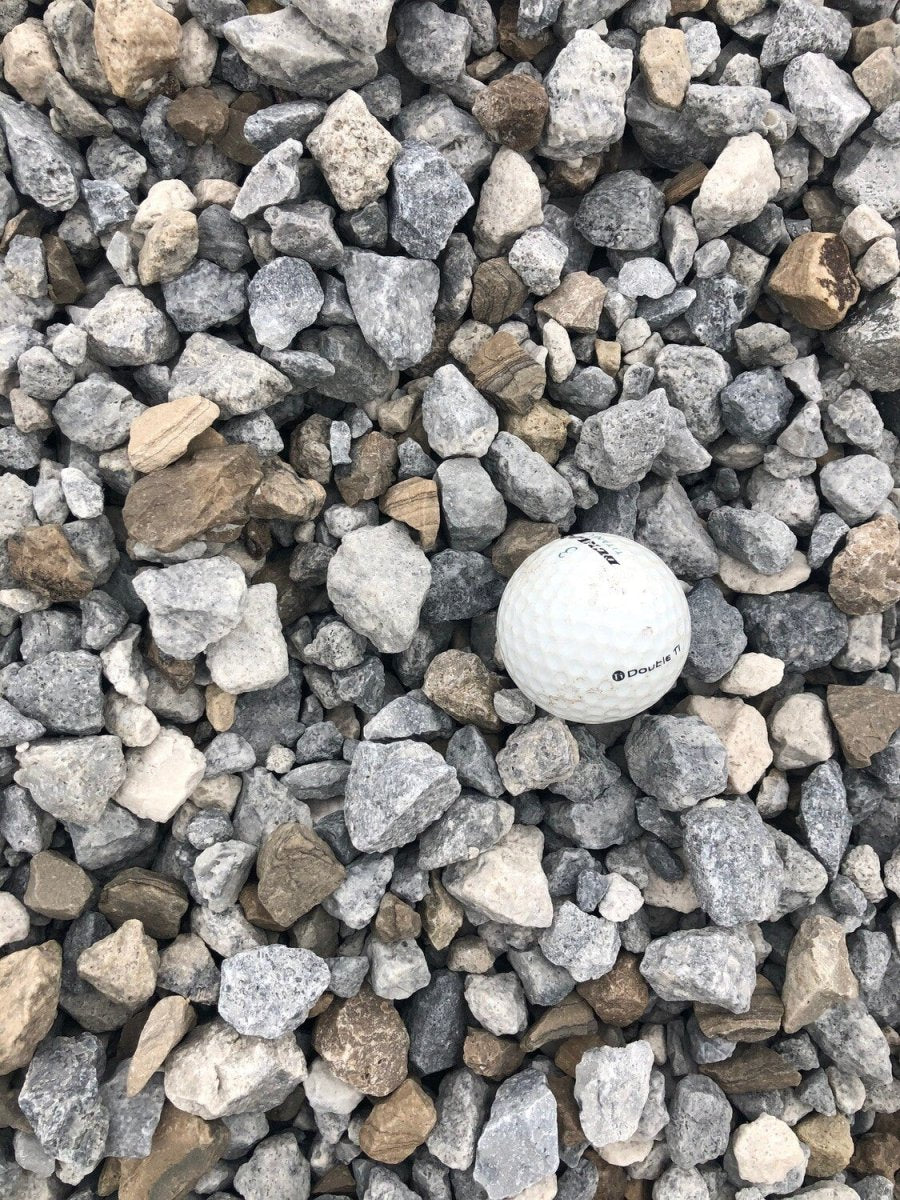
Stone sizing: smaller stuff covers more area per ton, larger rock covers less. Figure your square footage, check our calculator, add a buffer.
