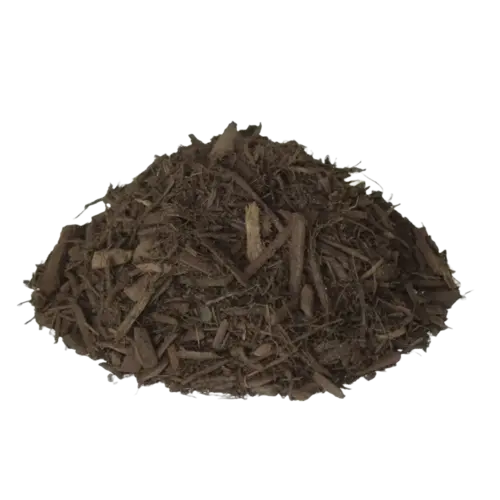
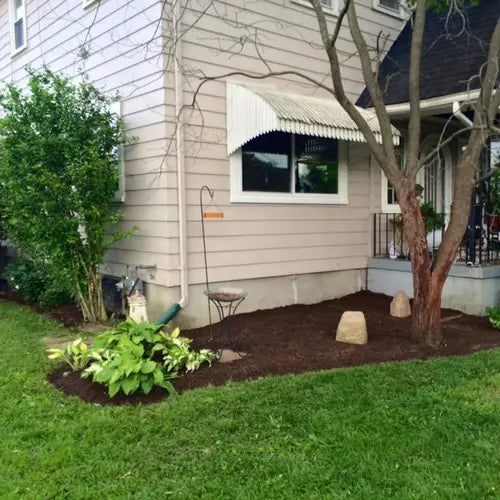
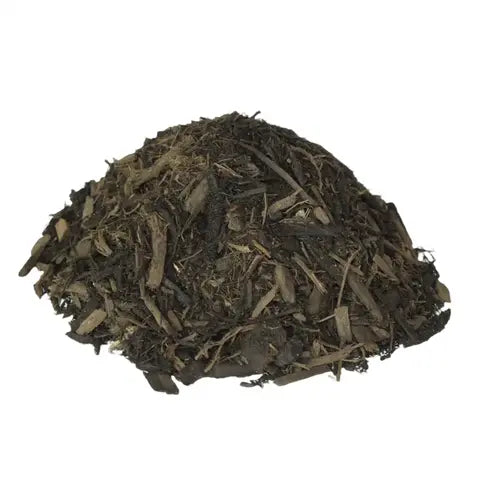
Warm brown double shredded mulch with lasting color that looks freshly applied for weeks. Spreads smooth, stays put, and gives beds a natural, polished appearance.
We needed mulch for our HOA common areas. Local providers were all holding high prices even for 40 yards of mulch. Mulch mound was easy to wowith & has great price for natural mulch + delivery schedule options. They called before delivery to ensure Delivery was exactly wher...
Tell us what you're looking for
Thanks! We received your request.
Something went wrong. Please try again.
How Much Material Do I Need?
For Sioux City's loess soil beds, aim for 2 to 3 inches of mulch depth, which is enough to suppress weeds and retain moisture without smothering the fine-textured soil beneath. Going deeper than 4 inches can create a dense layer that sheds Sioux City's summer rainfall rather than allowing it to soak down to plant roots.
Use our free mulch calculator
What is a yard?
A yard is approximately 27 cubic feet. As a general guideline, one yard of material can cover an area of about 100-160 square feet at a 2-3 inch depth.
We can't take orders for this right now. Tell us what you need and we'll get back to you.
What do you need?
Thanks! We received your request.
Something went wrong. Please try again.
Hand-picked local yards
4,000+ regional deliveries
Dedicated support
Why order through Mulch Mound
The best local mulch, without the guesswork.
We hand-pick and partner with the best yards in your region, keep only the ones our buyers rate well, and back each load with our guarantee.
Mulch Mound Guarantee
If your mulch isn't the quantity or quality you ordered, we'll make it right.
About this mulch
Warm brown double shredded mulch with lasting color that looks freshly applied for weeks. Spreads smooth, stays put, and gives beds a natural, polished appearance.
We needed mulch for our HOA common areas. Local providers were all holding high prices even for 40 yards of mulch. Mulch mound was easy to wowith & has great price for natural mulch + delivery schedule options. They called before delivery to ensure Delivery was exactly wher...
How Much Material Do I Need?
For Sioux City's loess soil beds, aim for 2 to 3 inches of mulch depth, which is enough to suppress weeds and retain moisture without smothering the fine-textured soil beneath. Going deeper than 4 inches can create a dense layer that sheds Sioux City's summer rainfall rather than allowing it to soak down to plant roots.
Use our free mulch calculator
What is a yard?
A yard is approximately 27 cubic feet. As a general guideline, one yard of material can cover an area of about 100-160 square feet at a 2-3 inch depth.
We needed mulch for our HOA common areas. Local providers were all holding high prices even for 40 yards of mulch. Mulch mound was easy to wowith...
Read full review
We needed mulch for our HOA common areas. Local providers were all holding high prices even for 40 yards of mulch. Mulch mound was easy to wowith & has great price for natural mulch + delivery schedule options. They called before delivery to ensure Delivery was exactly where we wanted it.
Delivery was on time and great quality Mulch. Got it done in a reasonable time and yard looks great. Couldn’t be happier!!! Thank you and will us...
Read full review
Delivery was on time and great quality Mulch. Got it done in a reasonable time and yard looks great. Couldn’t be happier!!! Thank you and will use again!!
Mulch Mound delivered a yard of pea gravel to us. Delivery was on time, driver was friendly and hit a bullseye on the “tarp target”. We used the ...
Read full review
Mulch Mound delivered a yard of pea gravel to us. Delivery was on time, driver was friendly and hit a bullseye on the “tarp target”. We used the pea gravel (which was diameter as specified) to fill several muskrat holes around our pond. I would definitely recommend Mulch Mound to a friend!
To estimate how much bulk mulch you need, measure the length and width of each bed in feet and multiply to get square footage. In Sioux City, where loess soil benefits from a consistent 2 to 3 inch mulch depth, divide your total square footage by 100 to get a rough cubic yard estimate for a 3-inch layer. Adding up all your beds before ordering helps you take full advantage of bulk delivery pricing and avoid running short mid-project.
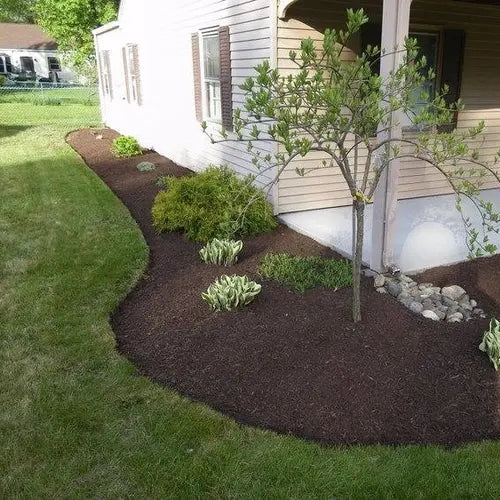
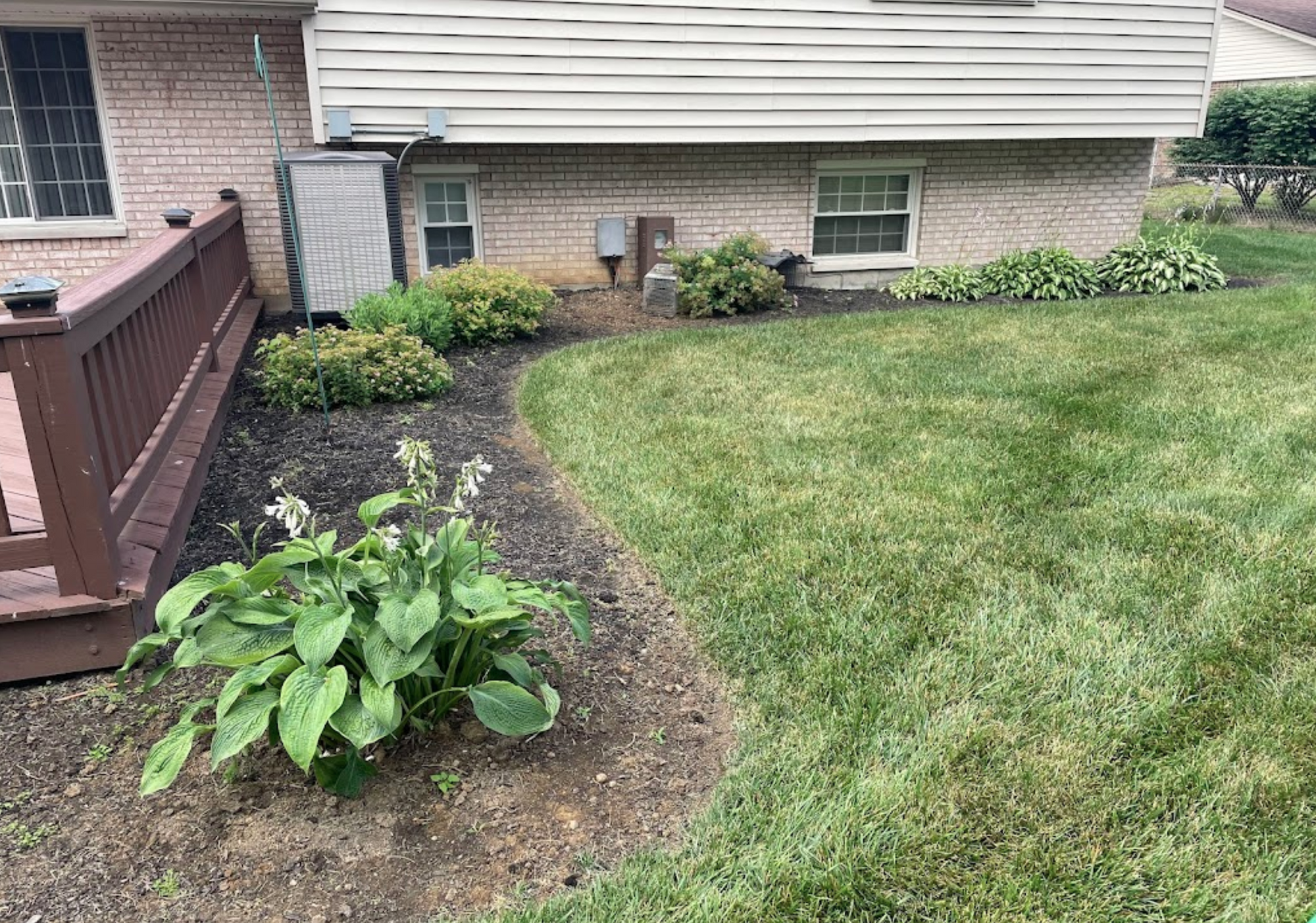
Mulch vs. No Mulch: The Difference
Sioux City's combination of hot summers, cold Zone 5a winters, and moderate annual rainfall means mulch breaks down at a steady pace, typically cycling through in one to two seasons. Natural hardwood mulch decomposes into organic material that gradually improves loess soil structure over time, making it the preferred choice for gardeners focused on long-term soil health and reducing the need for added amendments. Dyed mulches, while slower to fade visually, retain their color through Sioux City's intense summer sun and provide reliable weed suppression with a consistent, polished look from the last frost in April through the first frost in late October.
Before
After
Best Mulch Choice for Sioux City Lawns
Most yards in the Sioux City area sit on Loess type of soil. Sioux City's loess soil is naturally low in organic matter and tends to compact under foot traffic and rainfall, leaving plant roots struggling to access air and nutrients in garden beds that go unmulched through the growing season.
Hardwood Mulch
Hardwood mulch is an especially good match for Sioux City's loess soil because as it decomposes it adds the organic matter that loess naturally lacks, gradually improving the soil's texture, drainage, and ability to support healthy root systems over multiple growing seasons.
Mulch Types We Deliver in Sioux City
Mulch Mound delivers bulk mulch by the cubic yard straight to driveways and job sites throughout the area. Whether you are refreshing a single flower bed or covering an entire property, bulk mulch delivery in Sioux City keeps your project moving without multiple store trips. We bring the load to you, so you can put your time into the work itself.
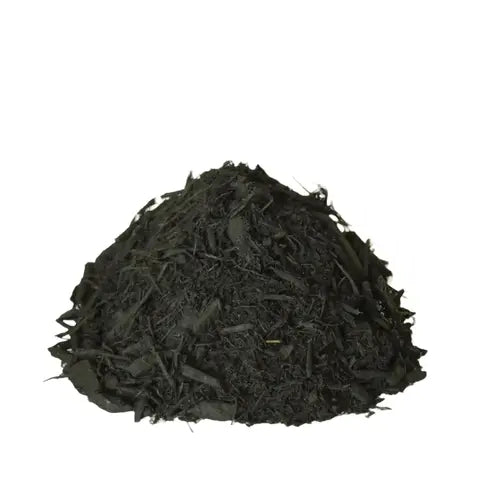
Dyed Black Mulch
Available in double shredded, this bold black mulch makes garden beds stand out against the light brick and neutral siding common on homes across this part of Iowa. The rich color holds through hot summers and heavy spring rains, and the smooth texture spreads quickly and evenly over beds of any size.
Dyed Brown Mulch
This double shredded brown mulch brings a warm tone that pairs naturally with the clay-heavy soils and mature trees found across many local yards. The long-lasting color looks freshly applied for weeks, making it a dependable choice for homeowners who want clean, polished beds without constant upkeep through a full Iowa growing season.
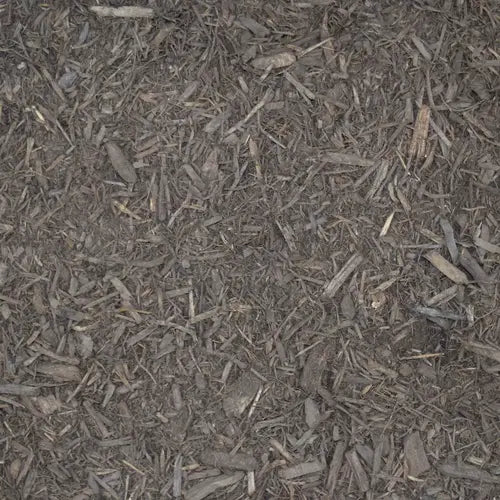
Natural Brown Mulch
For those who prefer an undyed option, natural brown double shredded mulch delivers an earthy, honest look that suits the wooded lots and cottage-style landscapes common in this region. The smooth texture lays flat with minimal effort and lets the genuine wood color blend cleanly into any garden setting.
Complete Your Outdoor Mulch Project
If you are refreshing garden beds, consider pairing your mulch order with a bulk topsoil delivery to amend Sioux City's loess before mulching, or add decorative stone to define pathways and borders that frame your freshly mulched beds beautifully through the long growing season.
Sioux City's loess soil drains quickly in some areas and pools in others depending on your yard's grade. Before laying mulch, take a few minutes to observe where water collects after a rain. In low spots, keep mulch slightly thinner so you do not trap standing water against plant roots. In higher, drier areas of your yard, go a full 3 inches to maximize moisture retention through the hot July and August stretches that define Sioux City summers.
Mulch Mound Pro Tip
Timing your mulch application around Sioux City's frost calendar makes a real difference. Spreading mulch too early in March while the ground is still frozen can actually delay soil warming and push back the start of root growth for your perennials. Wait until after the average last frost around April 7 and let the soil warm for a week or two before applying your spring layer so plants get the strongest possible start to the growing season.
Mulch Mound Pro Tip
With Sioux City averaging about 30 inches of rain annually, much of it falling in heavy spring and early summer events, erosion in sloped beds is a genuine concern for local homeowners. Chunky hardwood mulch knits together on slopes far better than fine or shredded varieties. On any incline in your yard, choose a coarser hardwood mulch and lay it at a full 3 inches to help anchor the material and prevent it from washing down toward your lawn or driveway during the intense downpours that hit the Missouri River valley each spring.
Frequently Asked Questions
Click a question to see the answer
Answer
How deep should I spread mulch in my Sioux City flower beds?
For most Sioux City garden beds, a depth of 2 to 3 inches is ideal. Loess soil compacts easily, so keeping mulch at the right depth allows rain to filter through to roots without creating a water-repelling mat on the surface. Avoid piling mulch against plant stems, especially heading into the humid summer months when fungal issues can develop in the Missouri River valley heat.
Answer
Will mulch help my plants survive Sioux City's late spring cold snaps?
Yes, mulch is one of the best tools for protecting root zones from late-season freezes. With the last frost typically falling around April 7 in Sioux City, a 2 to 3 inch layer of mulch helps moderate soil temperature and protects shallow roots from unexpected cold snaps that can strike in March and early April before the growing season fully takes hold.
Answer
Does natural hardwood mulch actually improve my soil over time?
It does, and this benefit is especially valuable in Sioux City where native loess soil is low in organic matter. As hardwood mulch breaks down, it adds organic content that improves the loess's water-holding capacity and supports beneficial soil microbes. Over two to three seasons of consistent mulching, you will notice your beds becoming richer and easier to work with each spring.
Answer
How often do I need to replenish mulch in a Sioux City yard?
In Sioux City's climate, most hardwood mulches break down within one to two years. The hot, humid summers and freeze-thaw cycles of Zone 5a winters accelerate decomposition noticeably. Plan to top off your beds with a fresh inch or so each spring, ideally after the last frost in early April, to maintain proper depth and keep your beds looking fresh through the entire growing season.
Answer
Is dyed mulch safe to use around my vegetable garden in Sioux City?
Most reputable dyed mulches use iron oxide or carbon-based colorants that are considered safe around food gardens. However, if you are growing edibles in Sioux City's loess soil and want to boost organic content over time, a natural hardwood mulch is usually the better choice since it breaks down and feeds the soil without any additive concerns.
Answer
What type of mulch holds up best through a Sioux City winter?
Hardwood bark mulch tends to hold its structure best through Sioux City's freeze-thaw cycles. Finer mulches can compact or mat down under snow and ice, reducing their effectiveness as an insulator for plant roots. A coarser hardwood mulch stays looser and continues to allow air exchange around roots even after the heavy snowfall common to northwest Iowa winters.
Answer
Can I apply mulch right up against my house foundation?
It is best to leave a gap of several inches between mulch and your foundation. In Sioux City, where spring rains can be intense and wet basements are a common concern, keeping mulch pulled back from the foundation reduces moisture buildup against the structure and limits habitat for insects and rodents that seek warmth during the cold winter months.
The Unique Landscape of Sioux City
Sioux City's loess soil is naturally fine-textured and prone to crusting after heavy rains, which means bare garden beds can quickly develop a hard surface layer that blocks water and air from reaching plant roots. With only about 30 inches of rainfall spread unevenly across the year and hot, drying summers, moisture retention in Zone 5a landscapes is a constant challenge for local homeowners. A thick layer of mulch acts as an insulating blanket that buffers soil temperatures through the dramatic swings between Sioux City's cold winters and its hot summers. It also slows the competitive weed growth that takes advantage of the long growing window between the last frost on April 7 and the first frost on October 22. Without mulch, exposed loess soil can erode quickly during the intense spring storms common to the Missouri River corridor. Keeping beds mulched year-round is one of the most effective low-effort strategies for maintaining healthy, attractive Sioux City landscapes.