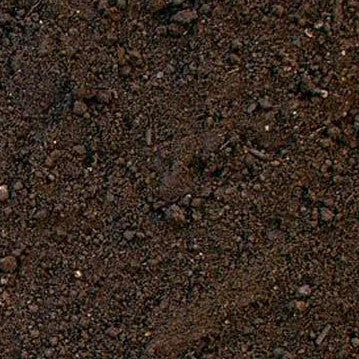
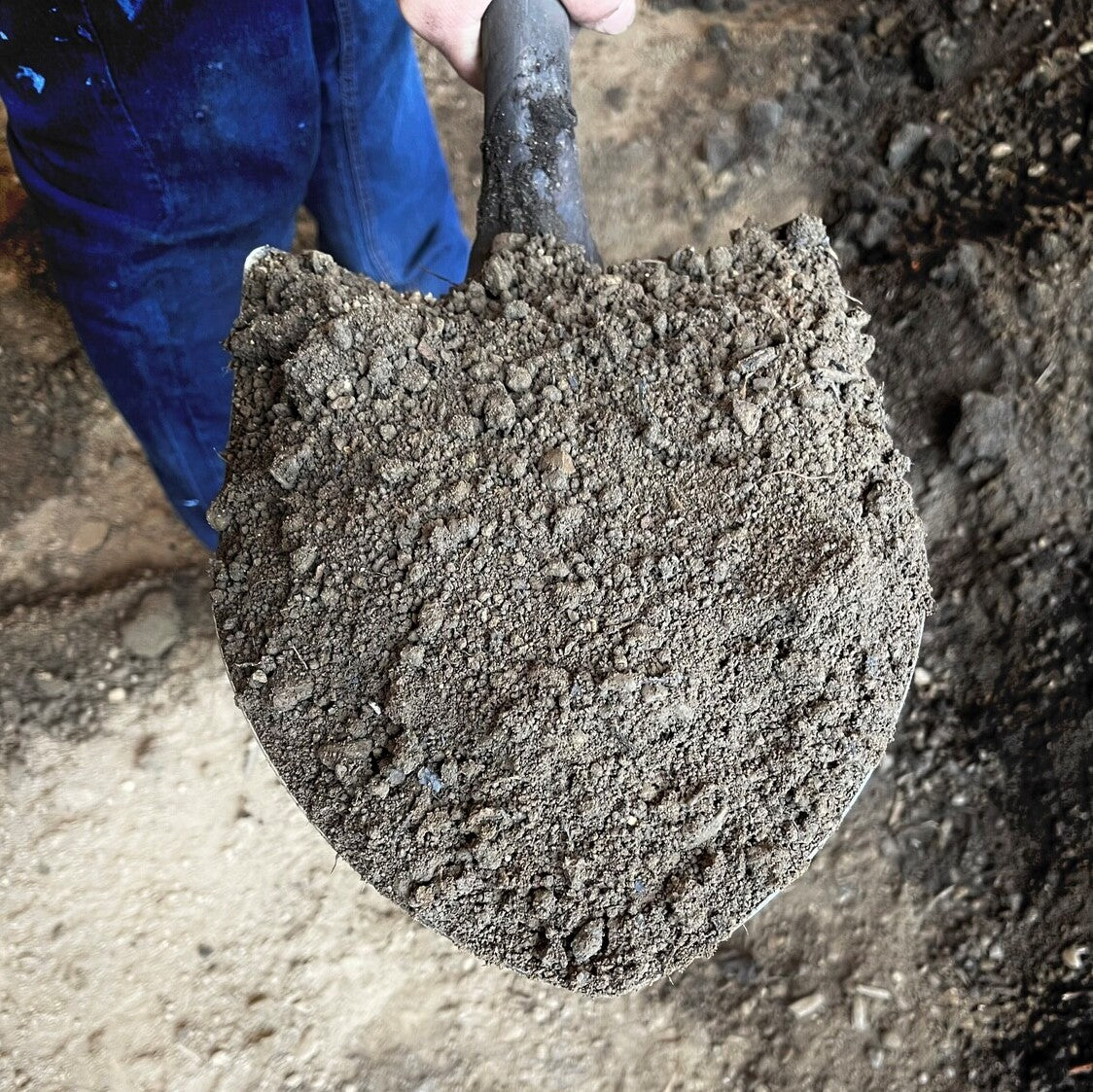
Quality topsoil for lawns, gardens, and landscape projects. Nutrient rich and ready to support strong root development and healthy plant establishment.
My experience with Mulch Mound was great and super easy. I ordered two yards of screened topsoil and was able to get it delivered within 2 days. They came in my requested time frame (afternoon) and dropped it off where I asked on my driveway. The topsoil was exactly what was a...
Tell us what you're looking for
Thanks! We received your request.
Something went wrong. Please try again.
How Much Material Do I Need?
For lawn topdressing in Sioux City, a quarter to half inch of topsoil is typically enough to fill low spots without smothering existing grass through the growing season. For new garden beds or raised planters being built over loess subsoil, plan on at least 10 to 12 inches of quality topsoil to give plant roots enough depth to develop properly and access consistent moisture.
Use our free soil calculator
What is a yard?
A yard is approximately 27 cubic feet. As a general guideline, one yard of material can cover an area of about 100-160 square feet at a 2-3 inch depth.
We can't take orders for this right now. Tell us what you need and we'll get back to you.
What do you need?
Thanks! We received your request.
Something went wrong. Please try again.
Hand-picked local yards
4,000+ regional deliveries
Dedicated support
Why order through Mulch Mound
The best local soil, without the guesswork.
We hand-pick and partner with the best yards in your region, keep only the ones our buyers rate well, and back each load with our guarantee.
Mulch Mound Guarantee
If your soil isn't the quantity or quality you ordered, we'll make it right.
About this soil
Quality topsoil for lawns, gardens, and landscape projects. Nutrient rich and ready to support strong root development and healthy plant establishment.
My experience with Mulch Mound was great and super easy. I ordered two yards of screened topsoil and was able to get it delivered within 2 days. They came in my requested time frame (afternoon) and dropped it off where I asked on my driveway. The topsoil was exactly what was a...
How Much Material Do I Need?
For lawn topdressing in Sioux City, a quarter to half inch of topsoil is typically enough to fill low spots without smothering existing grass through the growing season. For new garden beds or raised planters being built over loess subsoil, plan on at least 10 to 12 inches of quality topsoil to give plant roots enough depth to develop properly and access consistent moisture.
Use our free soil calculator
What is a yard?
A yard is approximately 27 cubic feet. As a general guideline, one yard of material can cover an area of about 100-160 square feet at a 2-3 inch depth.
My experience with Mulch Mound was great and super easy. I ordered two yards of screened topsoil and was able to get it delivered within 2 days. Th...
Read full review
My experience with Mulch Mound was great and super easy. I ordered two yards of screened topsoil and was able to get it delivered within 2 days. They came in my requested time frame (afternoon) and dropped it off where I asked on my driveway. The topsoil was exactly what was advertised, clean with no rocks or other debris. The price was reasonable. I plan to use them again in a couple weeks to order compost for my garden beds.
Measure your project area in feet and multiply length by width to get total square footage. For lawn leveling in Sioux City, a 1-inch application requires about 0.31 cubic yards per 100 square feet, while filling a 12-inch raised bed requires roughly 1 cubic yard per 27 square feet. Having accurate measurements before you order ensures you get enough material to complete the project without running short or paying for excess delivery.
Soil Types We Deliver in Sioux City
Sioux City yards and gardens often benefit from quality soil amendments, especially in areas where the native ground tends to be heavy clay or compacted from years of use. We make it easy to get bulk topsoil by the yard in Sioux City, delivered straight to your driveway or project site. Whether you are grading a new lawn, filling raised beds, or restoring a garden, our screened soil arrives ready to work with.
Screened Top Soil
A clean, nutrient-rich topsoil that has been screened to remove rocks, clumps, and debris, leaving a smooth and workable blend ideal for lawns, vegetable gardens, and general landscaping. It supports strong root development and blends well with the heavier native soils common across this part of Iowa, making plant establishment noticeably easier.
Complete Your Outdoor Soil Project
After grading and filling with topsoil, consider adding a bulk mulch layer over your new garden beds to protect the fresh soil from Sioux City's spring rains and summer heat. Decorative stone borders can also help define the edges of raised beds and prevent topsoil from washing out during heavy rain events common to the Missouri River corridor.
My Sioux City yard has a lot of low spots that hold water after it rains. Will topsoil fix that?
Bulk topsoil is a great starting point for addressing low spots, but the fix works best when you also improve the grade so water drains away from your home. In Sioux City, where spring rainfall can be heavy and the loess subsoil beneath compacted yards drains slowly, filling low areas with quality topsoil and raking it to a gentle slope away from structures will help redirect runoff and meaningfully reduce standing water problems.
Answer
How is bulk topsoil different from the loess soil that is already in my Sioux City yard?
Native loess in Sioux City is a very fine-grained silt that compacts easily and often lacks the organic matter needed to support lush lawns and productive gardens. Bulk topsoil typically includes a blend of organic content that improves texture, drainage, and nutrient availability right from the start. Adding topsoil to a loess-heavy yard gives plants a more workable root environment without years of amendment work.
Answer
When is the best time to add topsoil to my lawn in Sioux City?
Early spring, after the last frost around April 7, and early fall, well before the first frost on October 22, are the two ideal windows for topsoil work in Sioux City. These periods give newly seeded grass enough time to establish before extreme heat or hard freezing arrives. Avoid heavy soil work during Sioux City's hottest summer weeks in July and August when the ground dries and cracks quickly in the summer heat.
Answer
How much topsoil do I need to fill my raised garden beds?
For a standard raised bed that is 12 inches deep, you will need approximately one cubic yard of soil for every 27 square feet of bed area. In Sioux City, many gardeners choose raised beds specifically to work around the dense loess subsoil, so filling them with quality bulk topsoil gives vegetables and perennials a completely fresh growing environment above the native ground.
Answer
Can I use bulk topsoil to level my lawn before overseeding in Sioux City?
Yes, a light dressing of topsoil at about a quarter to half inch across low areas is a great way to level a Sioux City lawn before overseeding in early fall. The topsoil fills ruts and depressions while giving grass seed a loose, workable medium to germinate in. Timing this project for late August through mid-September in Sioux City allows grass to establish roots before the first frost arrives in late October.
Answer
Will adding topsoil help with the drainage problems I keep having in my Sioux City yard?
Adding topsoil alone will not solve drainage problems if the underlying grade is directing water toward your home. However, topsoil combined with regrading work can significantly improve drainage in Sioux City yards where construction-compacted loess subsoil keeps water near the surface. Creating a slope of about 1 inch of drop per foot away from your foundation is the most effective approach when using fresh topsoil.
Answer
What should I mix into bulk topsoil to make it better for vegetable gardening in Sioux City?
For vegetable beds in Sioux City, mixing bulk topsoil with compost or aged organic matter gives you a rich, workable growing medium that performs well through the entire Zone 5a season. The loess-heavy native soil in this area benefits greatly from added organic content, and blending compost into topsoil before filling beds helps retain moisture through the dry spells that can hit Sioux City in July and August.
Mulch Mound Pro Tip
Before spreading topsoil on a Sioux City lawn, use a rake or the back of a shovel to lightly loosen the top inch of the existing loess surface. This prevents a hard interface layer from forming between the new topsoil and the compacted ground below, which can trap water and discourage grass roots from moving downward into the soil. Loosening the existing surface first helps the two layers integrate and gives your grass the best chance to grow the deep, drought-resistant roots it needs to survive Sioux City summers.
Mulch Mound Pro Tip
If you are building raised beds in Sioux City, line the bottom with a layer of cardboard before adding bulk topsoil. The cardboard suppresses the existing loess soil and any weeds underneath while breaking down within one season to allow deeper root growth as plants mature. This inexpensive step saves significant weeding time during Sioux City's long growing season and gives your vegetables or perennials a clean, weed-free start above the native ground.
Mulch Mound Pro Tip
Sioux City's freeze-thaw cycles between October and April can cause freshly graded topsoil to shift and settle in ways that undo careful drainage work. If you complete a grading project in the fall, plan to check your grades again in early spring after the ground has fully thawed. Minor touch-ups with a small amount of additional topsoil right after the last frost around April 7 will ensure your drainage slopes remain effective and your lawn surface is smooth before the growing season gets underway.
The Unique Landscape of Sioux City
Sioux City sits on a deep foundation of loess, a wind-deposited silt that is unusually fine-textured and can pack tightly when wet, making it one of the more challenging native soils for residential landscaping in the region. While loess has good natural fertility in agricultural settings, residential yards often have the top layer stripped away during construction, leaving behind dense subsoil that drains poorly and resists plant establishment. The elevation of 1,135 feet combined with northwest Iowa's weather patterns means soils in this area go through significant freeze-thaw stress each winter, which can cause grade issues and settling around foundations and driveways over time. Adding quality bulk topsoil allows Sioux City homeowners to build up grade, fill low spots that collect standing water, and create a workable base for lawn seeding or new garden installation. With the growing season running from early April through late October in Zone 5a, having properly amended and graded soil in place before planting makes a measurable difference in how quickly lawns and gardens establish. Whether you are leveling a lawn, building raised beds, or refreshing tired garden areas, starting with good topsoil gives Sioux City landscapes the foundation they need to thrive.