Skip to product information
1 of 5
Springfield Soil Delivery

Springfield Soil Delivery

Springfield Soil Delivery

Regular price $43.00 per yard
Regular price Sale price $43.00
Sale Sold out
Type
Style
Minimum of 3

Start with your square footage and target depth. Springfield projects can range from a light lawn smoothing to a deep raised bed fill.
Use our free soil calculator

A yard is approximately 27 cubic feet. As a general guideline, one yard of material can cover an area of about 10 feet by 10 feet at a few inches deep.

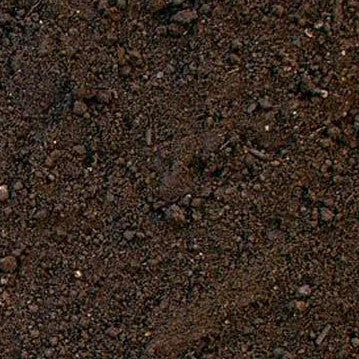
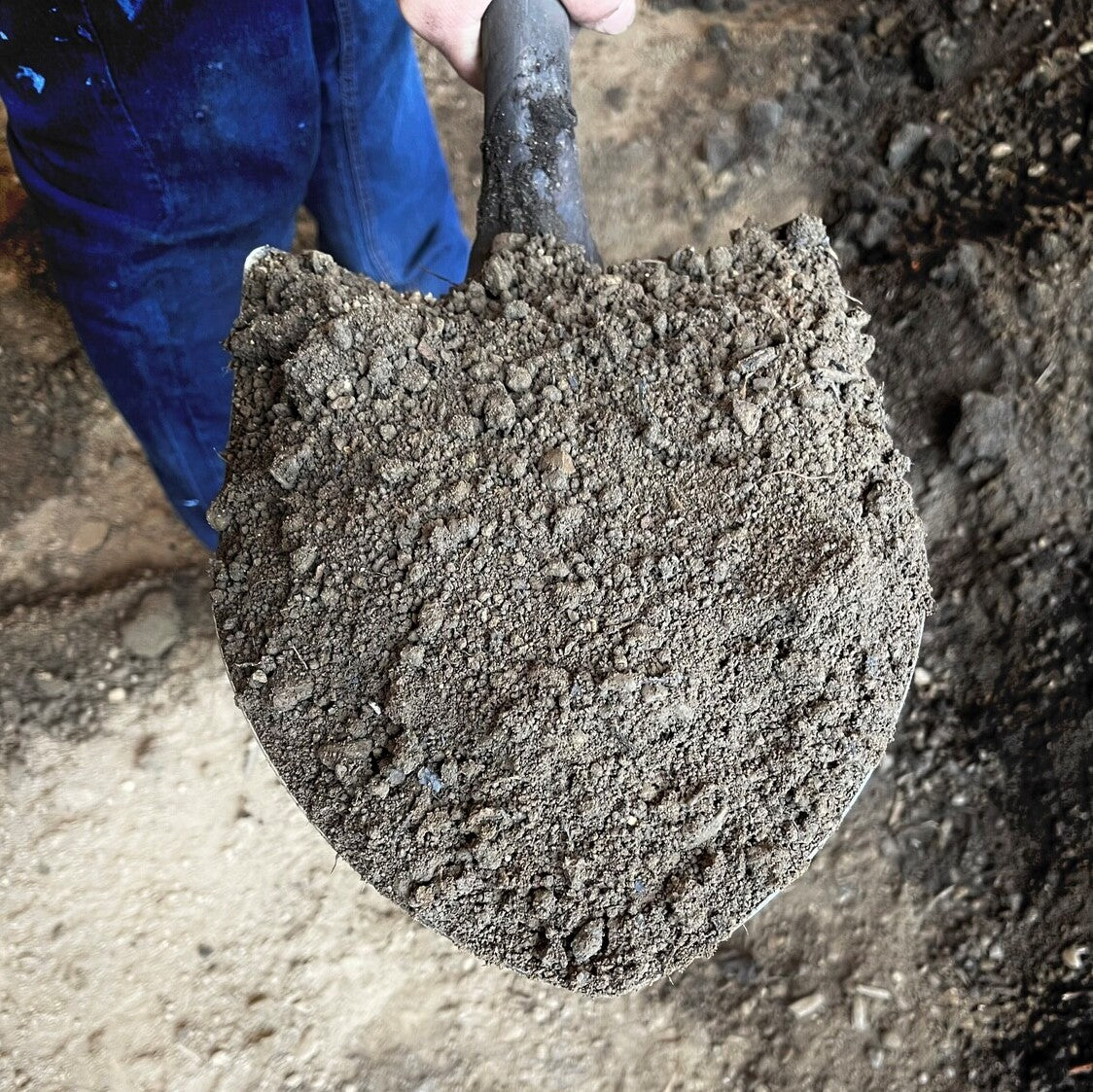
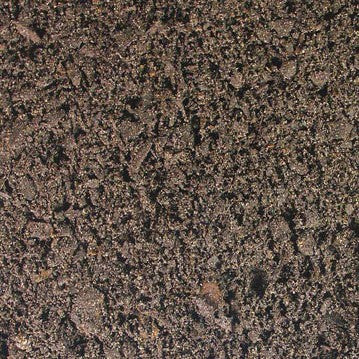
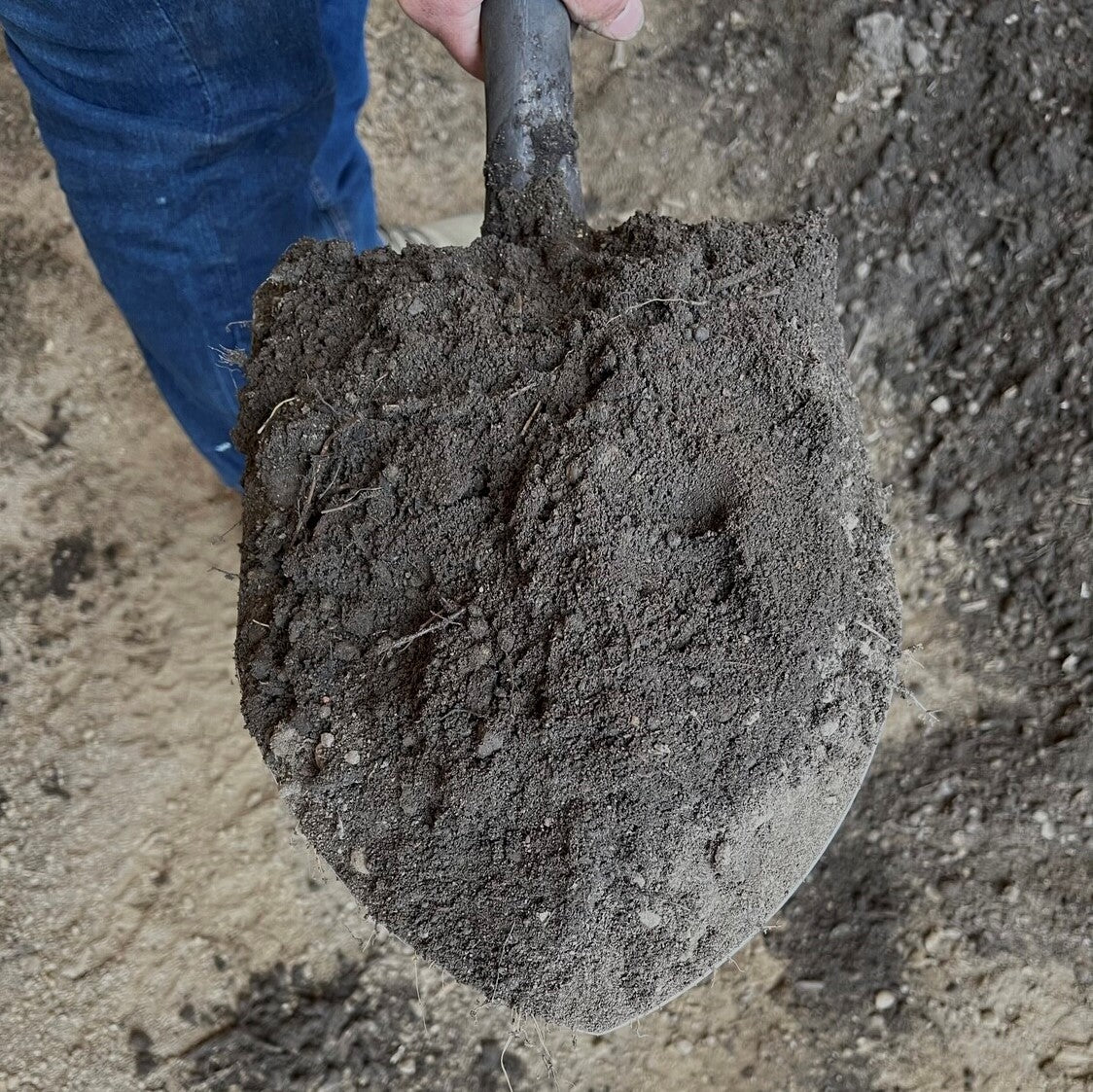
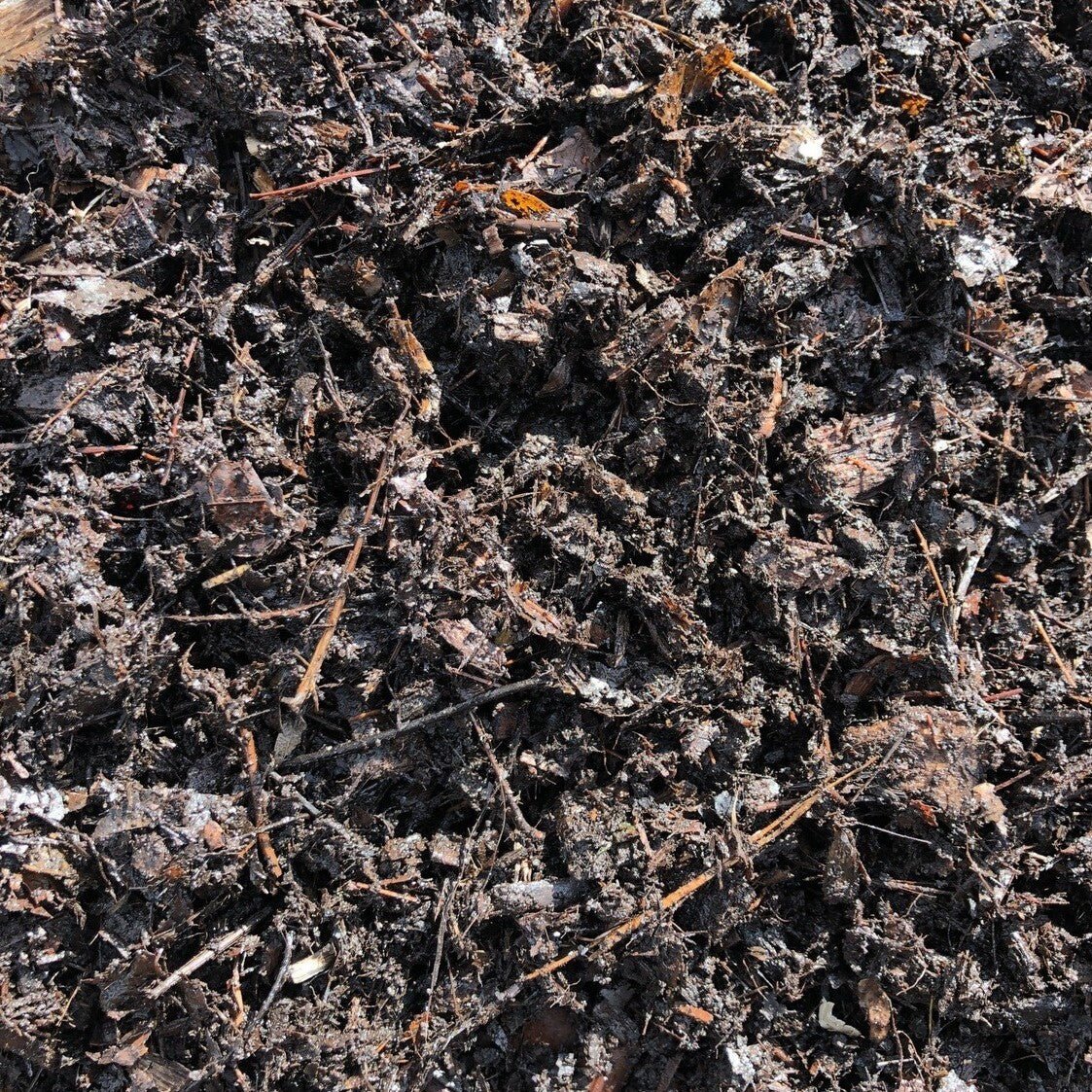
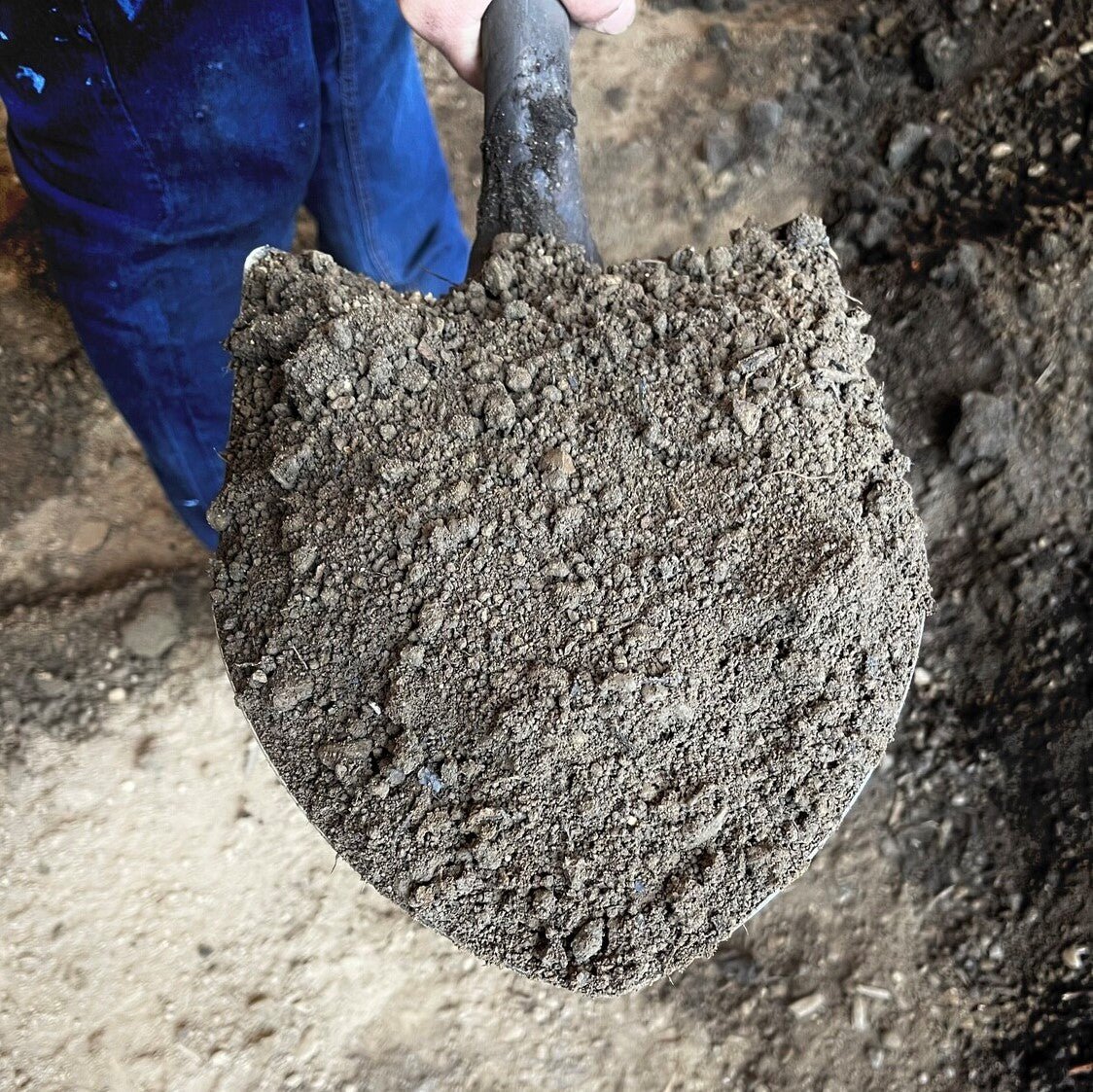
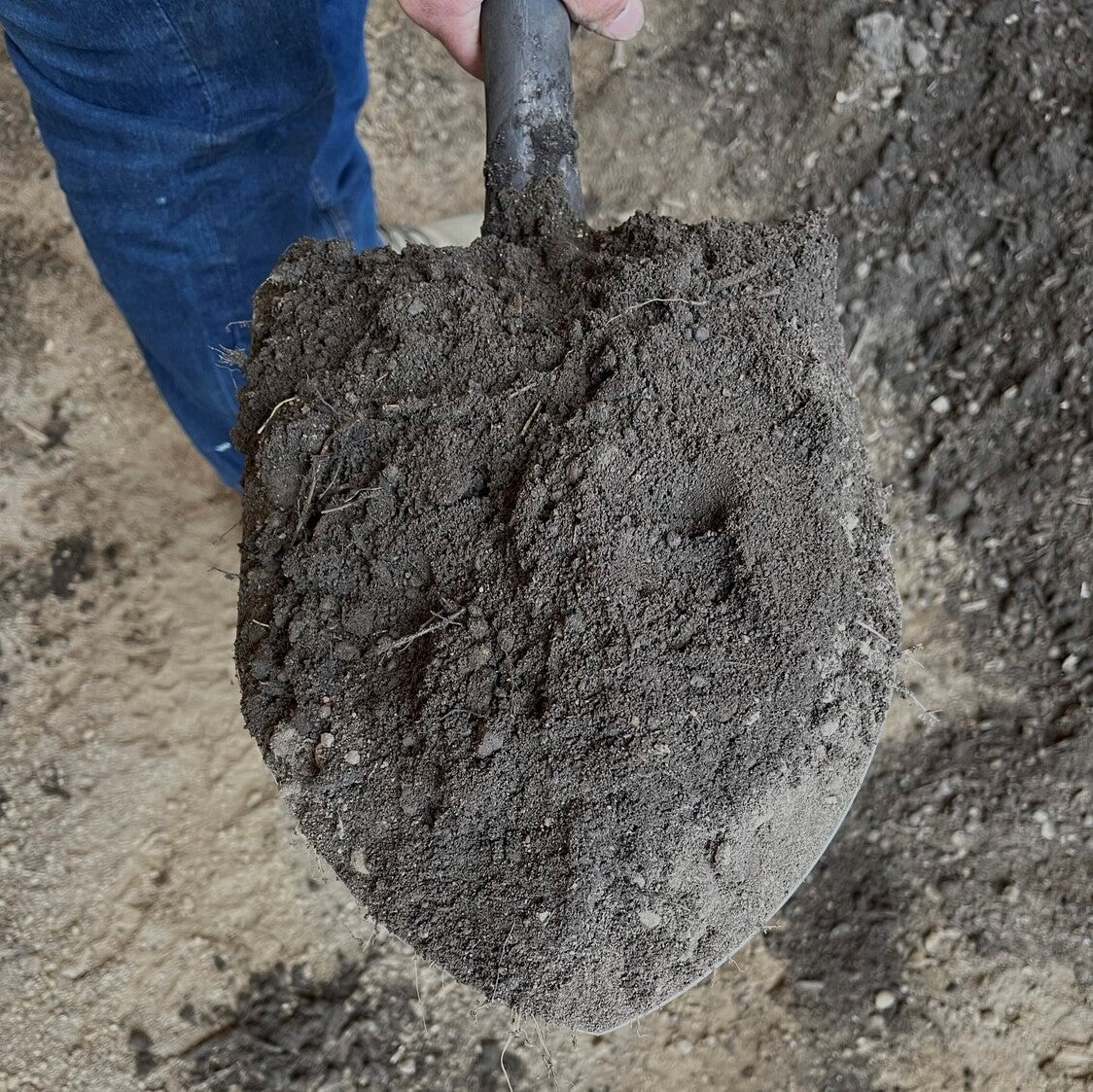
This screened topsoil delivers the clean, workable material Springfield projects demand. No rocks, no roots, no guessing. Use it for lawn repair, bed prep, grading, or anywhere quality soil makes the difference. The difference quality topsoil makes shows in results. Better root development, improved drainage, and healthier plants throughout Springfield yards. It pays to start with the right foundation.

View full details

How It Works

Getting started is easy — just follow these simple steps

1

Choose your soil

Make sure you adjust the quantity to your home's needs. You can use our calculator to estimate how much you'll need.

2

Select your delivery date

Select a delivery date you'd like for the product to be dropped off at your home

3

Sit back and wait

Sit back, wait, and let us work our magic to make sure the highest quality product is delivered to your driveway.

What Springfield Customers Like About Our Soil

4.9
out of 5 based on 99 reviews
Google Reviews

Need Help Calculating How Much Soil You Need?

Use our NEW Trace from Satellite tool to get an estimate for your project based on an aerial view of your property

Try Our Calculator
📍

1

Complete Your Outdoor Soil Project

Soil prep goes further with mulch on top. It locks in moisture and blocks weeds on sandy loam ground. Add stone for Springfield paths that hold up.

Frequently Asked Questions

Click a question to see the answer

Answer

Can I add soil in summer?

You can, but it's tougher. Hot soil dries fast and plants stress during transplanting. Water well, work early or late, mulch immediately.

Answer

What soil for containers?

Potting mix, not garden soil. Garden soil compacts in pots and drains poorly. Container plants need the aeration potting mix provides.

Answer

Do I need special soil for vegetables?

Yes—veggies want nutrient-rich, well-draining soil. Garden mix enriched with compost produces best results in Springfield.

Answer

Is new soil safe for pets?

Standard soil and compost won't harm pets. Paw cleaning after play is good practice. Skip chemically fertilized soil for dirt-eaters.

Answer

How deep should garden soil be?

Depth varies by use: 6–8 inches for flowers, 10–12 vegetables, 12+ raised beds. Springfield soil conditions favor going deeper.

Answer

How do I fill a raised bed?

For deep beds, start with coarse material (sticks, leaves) at the bottom, then fill with raised bed mix. Leave 2 inches for mulch.

Answer

How often should I add new soil?

Raised beds benefit from yearly compost—couple inches does it. Ground beds with mulch need topping less often.

Mulch Mound Pro Tip

Do not spread topsoil when rain is forecast in the next day or two. Runoff carries loose soil into streets, storm drains, and neighbors' yards, wasting your material and creating problems.

Mulch Mound Pro Tip

Check soil drainage after filling low spots or creating new beds. Dig a test hole, fill with water, and time how long it takes to drain. More than an hour means poor drainage needs addressing.

Mulch Mound Pro Tip

Garden soil and topsoil are different products designed for different uses. Topsoil is screened native soil for general use. Garden soil includes amendments like compost and fertilizer already mixed in.

The Unique Landscape of Springfield

Good soil helps Springfield plantings establish faster and keeps beds looking tidy after the first few weeks. In Springfield, Foot traffic and weather over time can tighten soil and make planting harder. Helpful for vegetable beds, new borders, and rebuilding spots that eroded or settled. Spread in thin lifts, rake smooth, and water lightly so it settles before planting.
