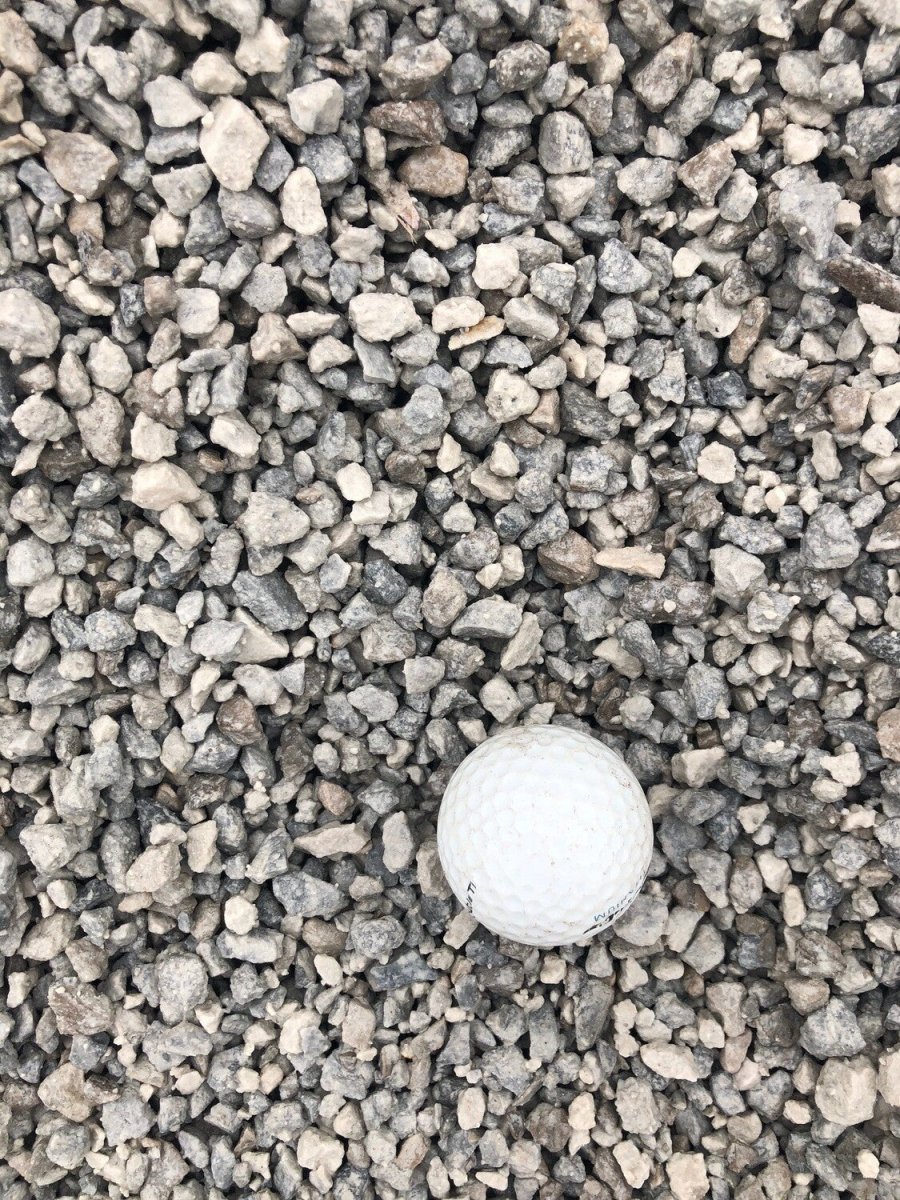
Stone coverage depends on area, depth, and stone size. Springfield projects typically use 2 inches for decorative beds, 4 to 6 inches for paths and drives.
Use our free stone calculator
What is a yard?
A yard is approximately 27 cubic feet. As a general guideline, one yard of material can cover an area of about 10 feet by 10 feet at a few inches deep.
What is a yard?
A yard is approximately 27 cubic feet. As a general guideline, one yard of material can cover an area of about 10 feet by 10 feet at a few inches deep.
What is a yard?
A yard is approximately 27 cubic feet. As a general guideline, one yard of material can cover an area of about 10 feet by 10 feet at a few inches deep.
What is a yard?
A yard is approximately 27 cubic feet. As a general guideline, one yard of material can cover an area of about 10 feet by 10 feet at a few inches deep.
What is a yard?
A yard is approximately 27 cubic feet. As a general guideline, one yard of material can cover an area of about 10 feet by 10 feet at a few inches deep.
What is a yard?
A yard is approximately 27 cubic feet. As a general guideline, one yard of material can cover an area of about 10 feet by 10 feet at a few inches deep.
What is a yard?
A yard is approximately 27 cubic feet. As a general guideline, one yard of material can cover an area of about 10 feet by 10 feet at a few inches deep.
What is a yard?
A yard is approximately 27 cubic feet. As a general guideline, one yard of material can cover an area of about 10 feet by 10 feet at a few inches deep.
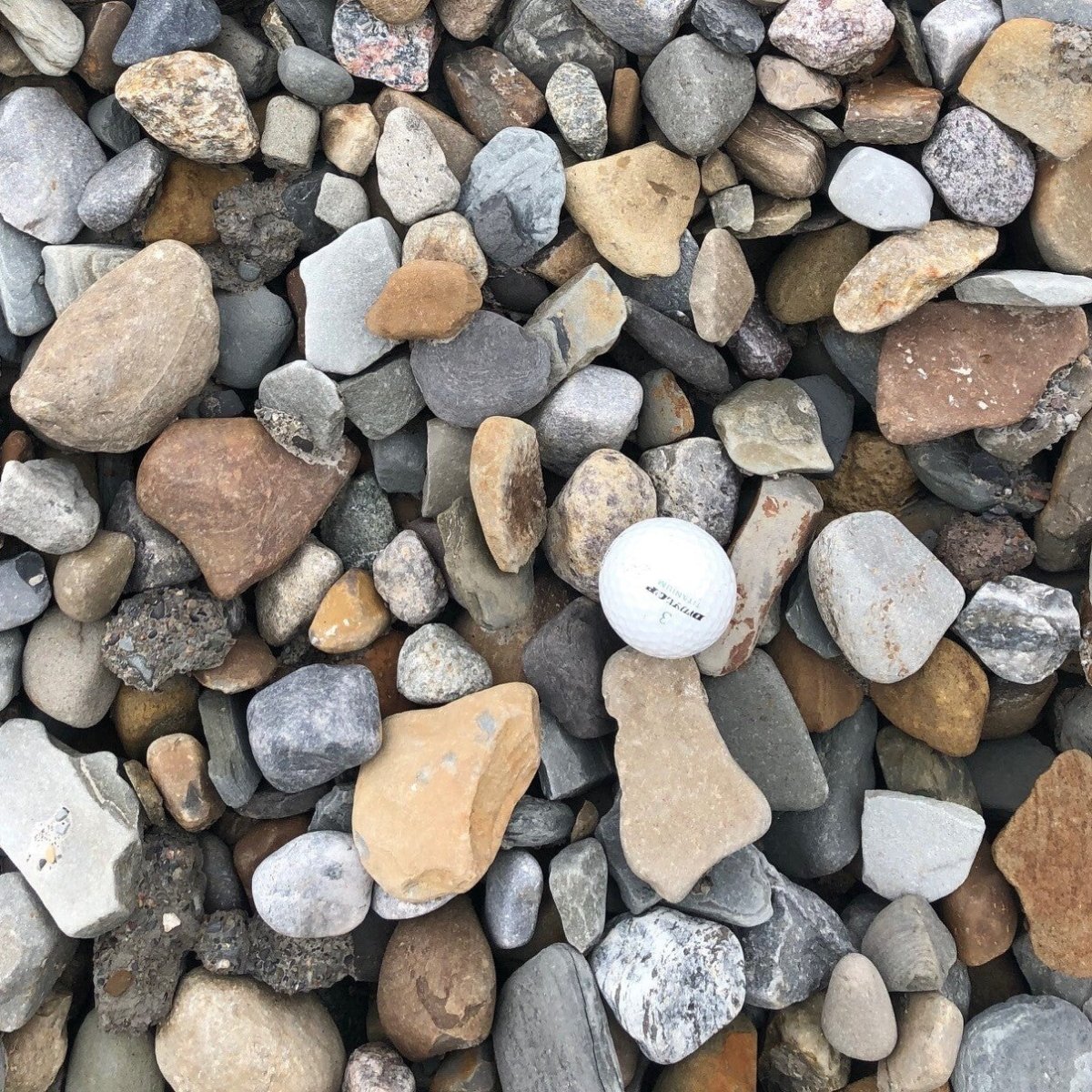
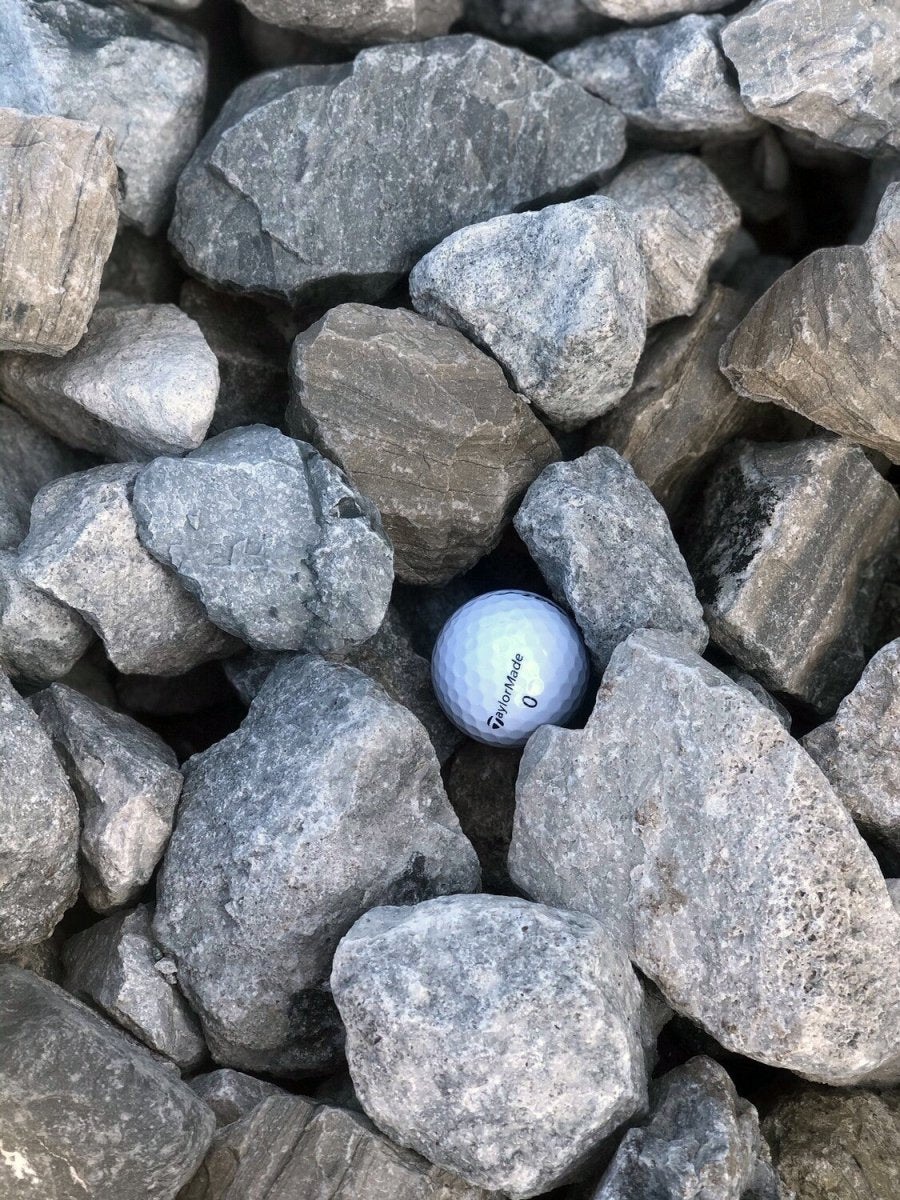
This blend merges larger #1 limestone (roughly 2–4 inches in diameter) with slightly smaller #2 limestone (about ½–2½ inches) to form a robust, versatile fill material. Because it’s limestone-based, it provides excellent stability and compaction, making it well-suited for bases, driveways, and drainage projects where both durability and efficient water runoff are desired.
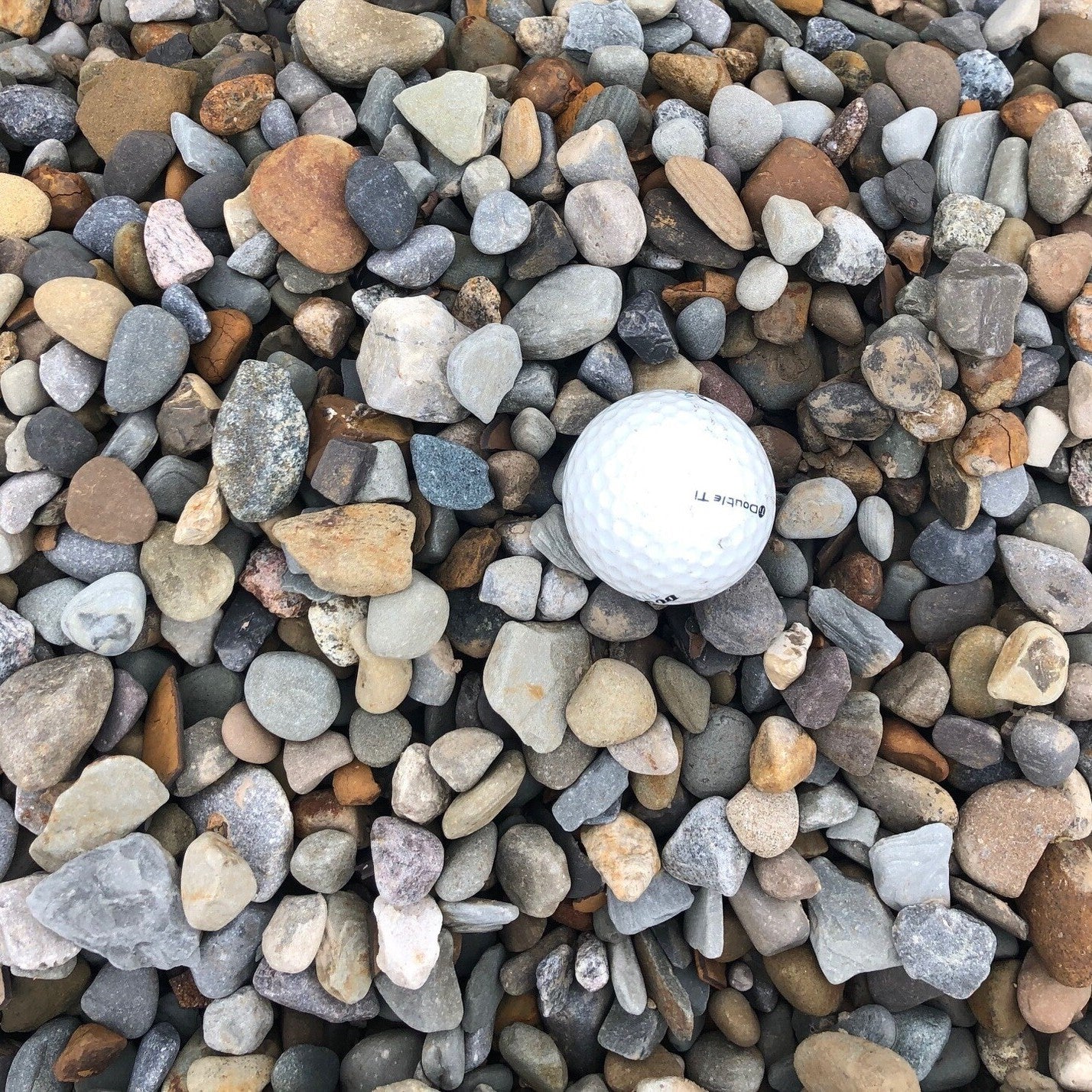
This blend combines the larger #3 decorative stone (generally 1½"–2½" in diameter) with moderately sized #4 decorative stone (about 1"–1½" in diameter). The varied stone sizes and textures create visual interest in landscaping or decorative projects, while still offering good drainage and stability. Whether used for beds, borders, or accent areas, this blend adds a bold, eye-catching dimension to any outdoor space.
Roughly 1" to 1½" in diameter, #4 decorative stone provides a balanced blend of size and visual appeal. Its moderate size makes it suitable for both practical and aesthetic applications—like filling landscape beds, edging walkways, or creating eye-catching accents. The uniform shape and natural coloration help achieve a cohesive, polished look while still offering good drainage and stability.
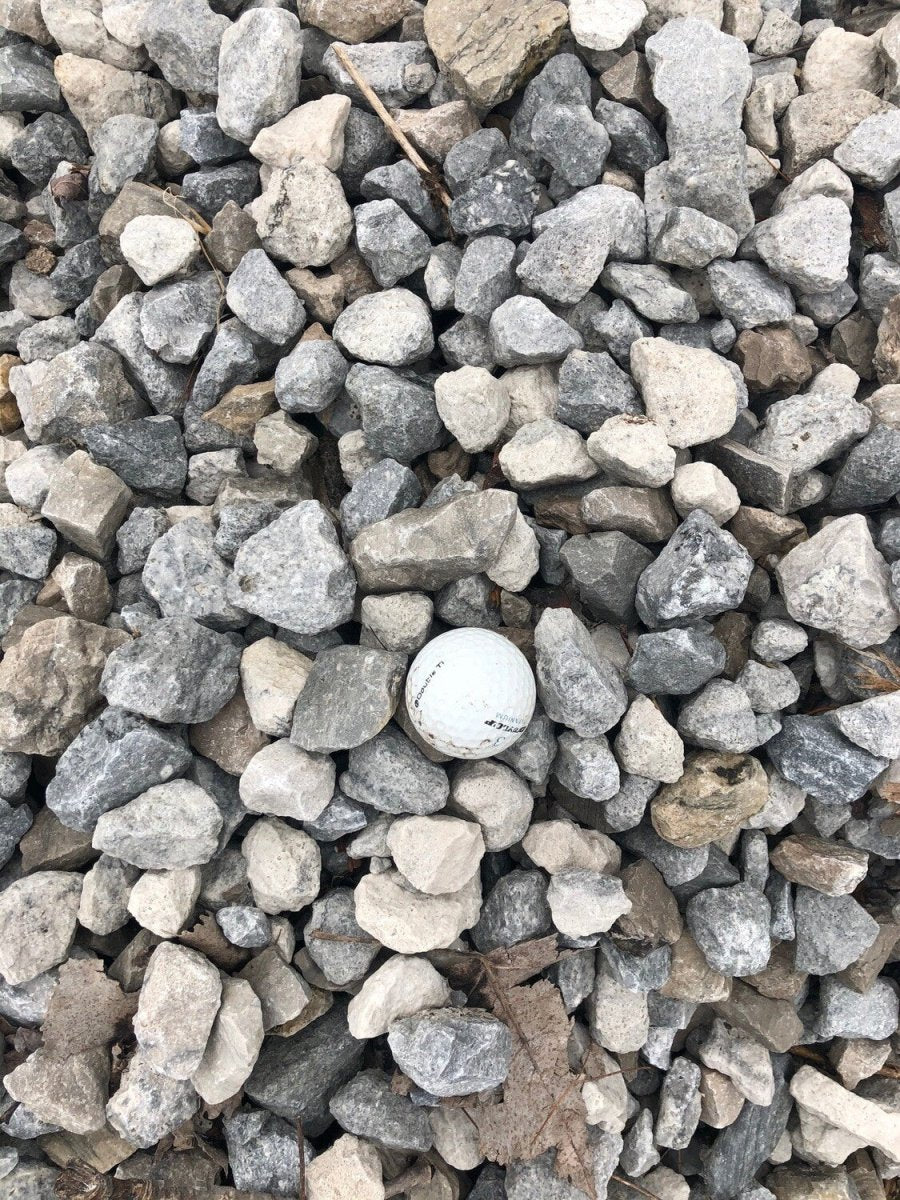
Typically ranging from about 1 to 1½ inches in diameter, #4 limestone offers a versatile size that’s well-suited for driveways, base layers, and drainage applications. Its relatively uniform texture and ability to compact make it a reliable choice for providing stability and longevity to various construction or landscaping projects.
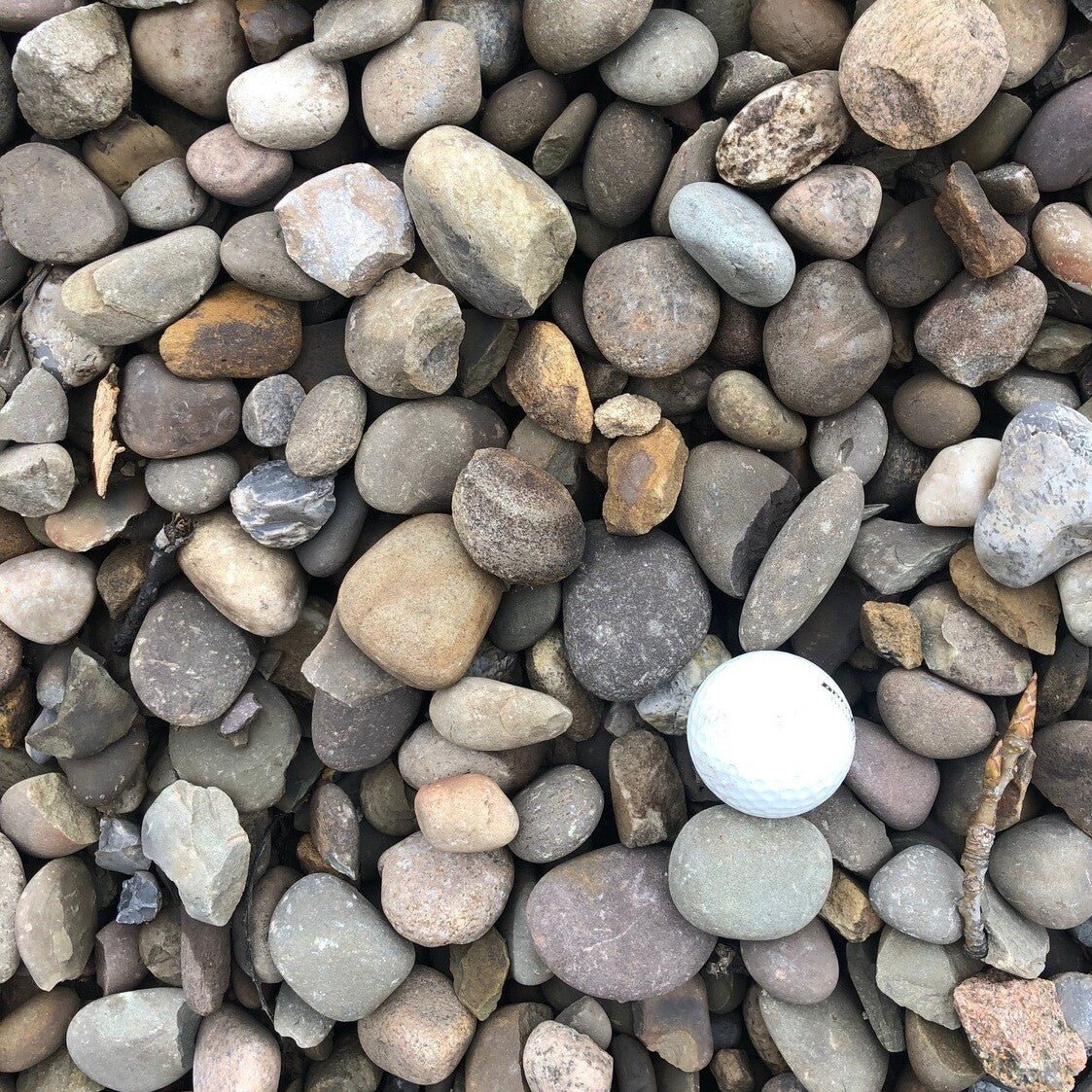
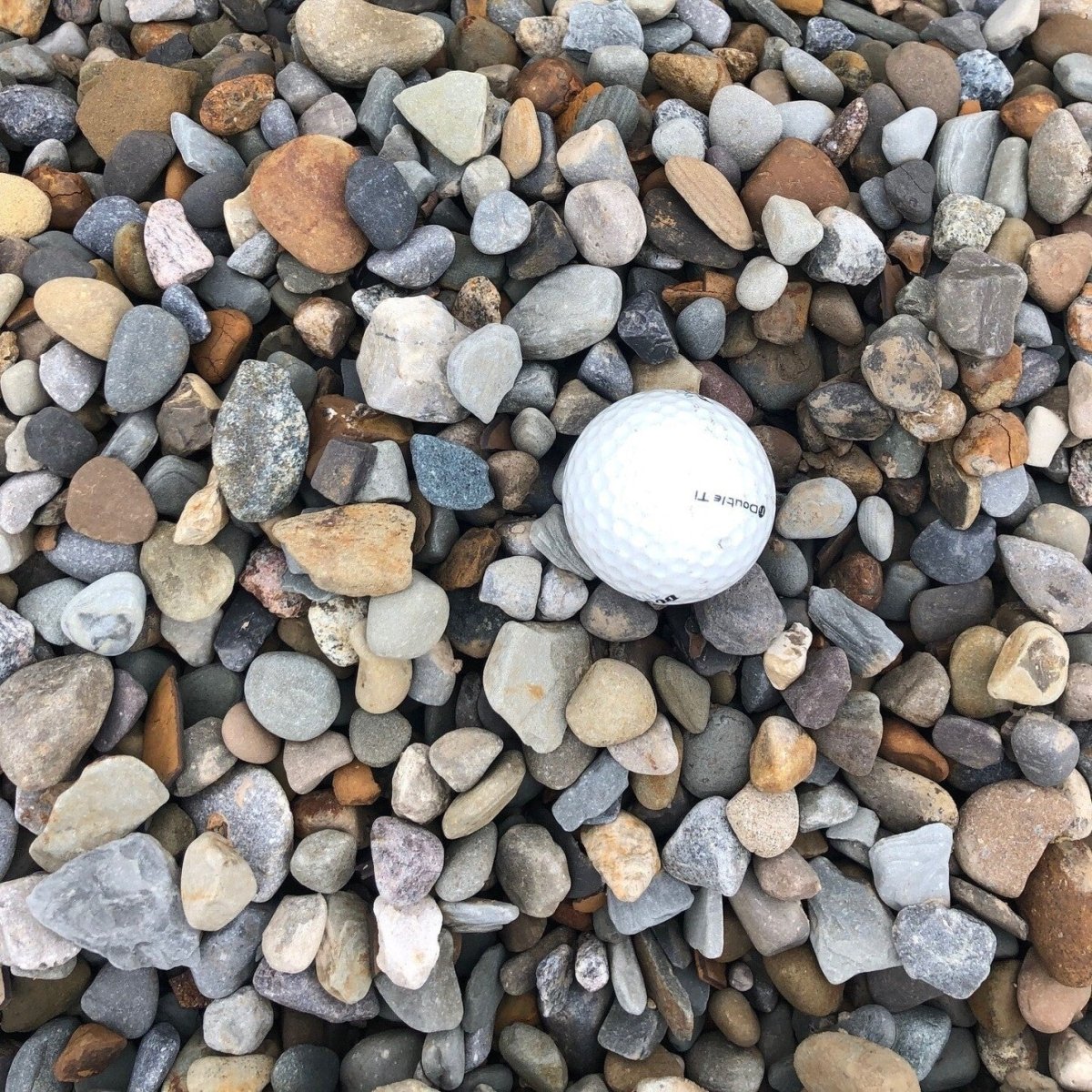
Measuring roughly ½" to 1" in diameter, #57 decorative stone offers a smaller, consistent size that’s easy to spread and maintain. It works well for landscaping beds, pathways, and drainage applications, providing both effective water runoff and a visually appealing surface. This combination of functionality and aesthetics makes #57 decorative stone a popular choice for a wide range of outdoor projects.
Usually measuring between ½ inch and 1 inch in diameter, #57 limestone is widely used for its balance of size, compaction, and drainage. Common applications include driveways, landscaping beds, backfill around retaining walls, and foundation layers in construction. Its relatively uniform size and angular shape allow it to compact nicely while still facilitating proper water runoff.
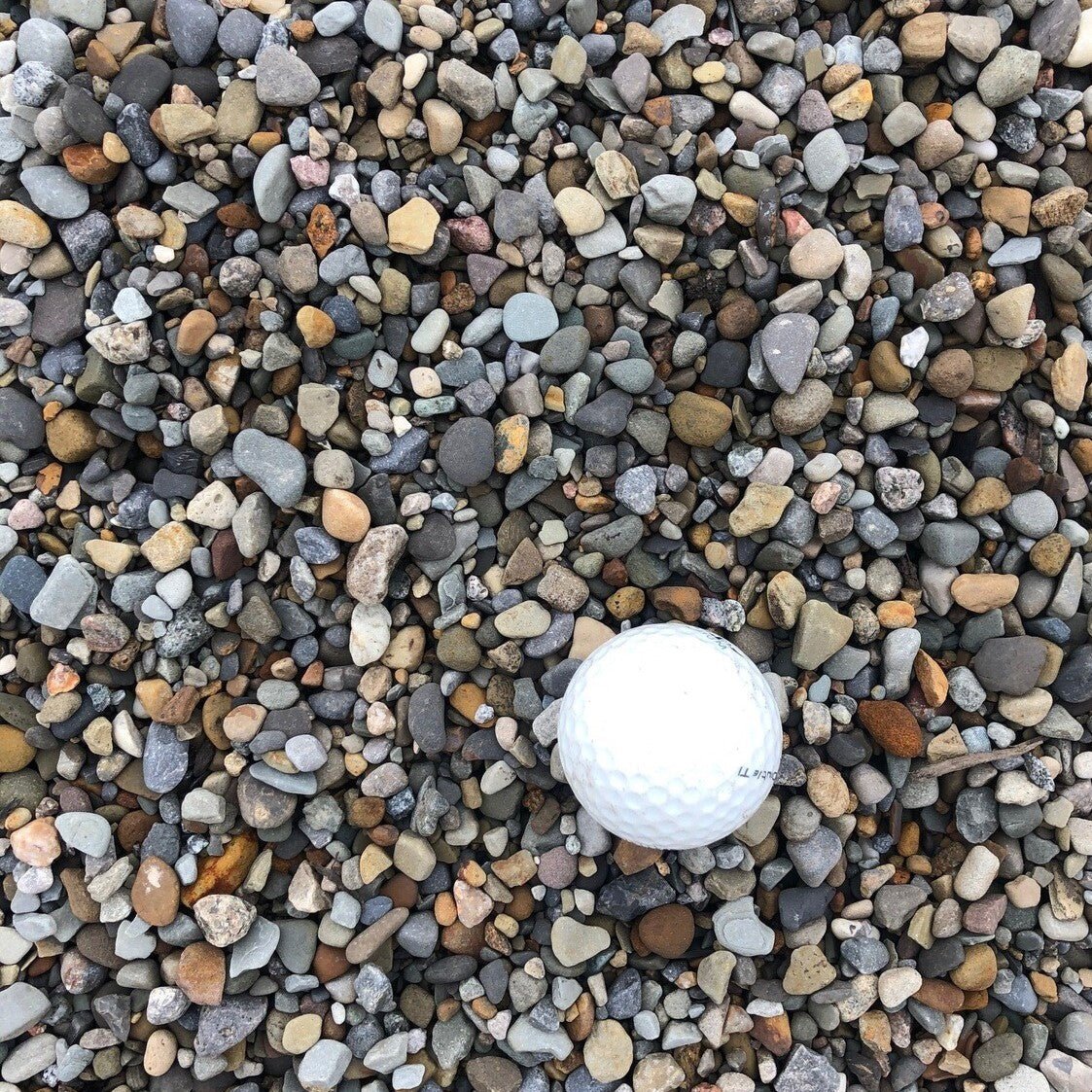
Typically measuring between 3/8" and 1/2" in diameter, #8 decorative stone offers a refined, uniform appearance that makes it ideal for aesthetic applications. Its smaller, consistent size allows for smooth coverage in landscaping beds, pathways, and other decorative features, lending a clean, polished look to both residential and commercial outdoor spaces.
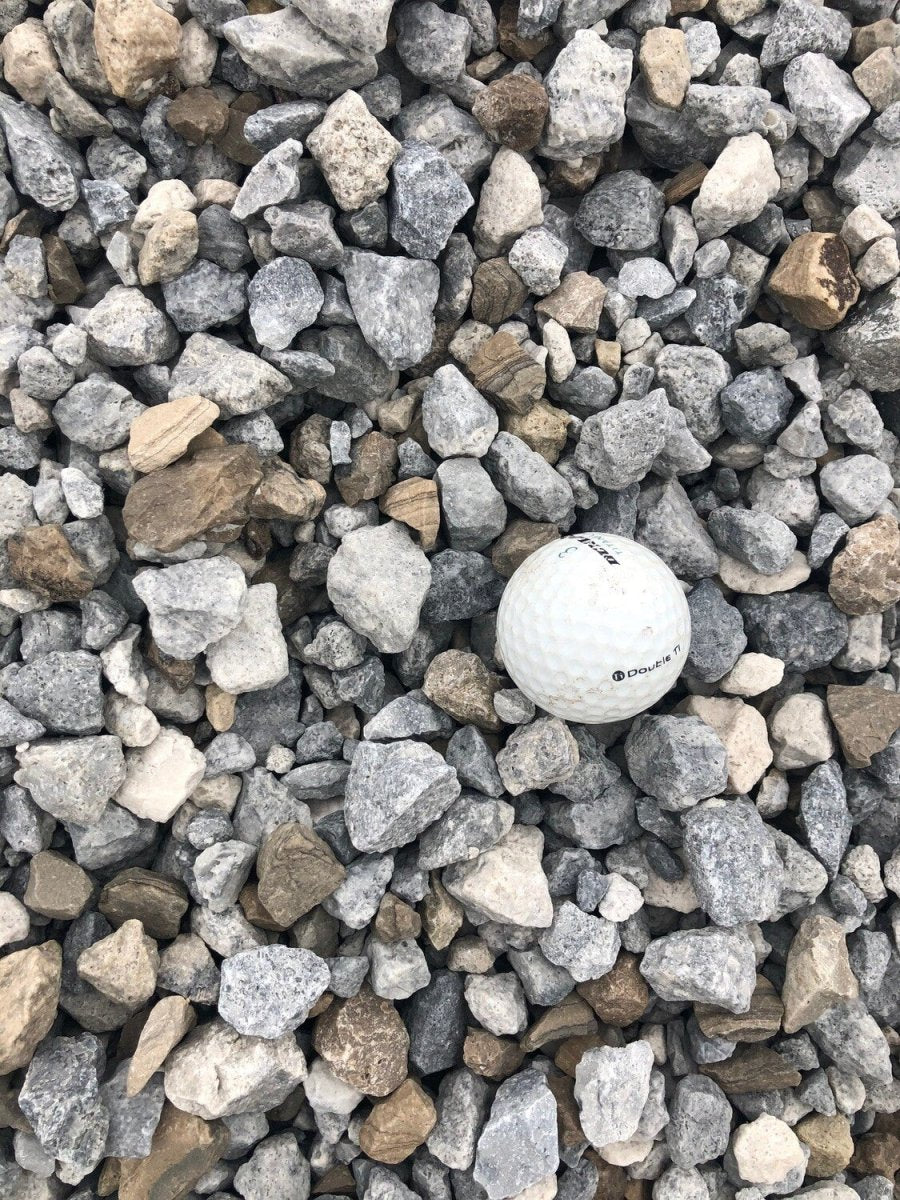
Typically ranging from about 3/8" to 1/2" in diameter, #8 limestone is a smaller, finely graded stone. Its compact nature and good drainage capabilities make it ideal for walkways, driveways, and landscaping features. In addition to its practical benefits, #8 limestone adds a neat, polished appearance to outdoor projects, making it a popular choice for both residential and commercial applications.
I contacted Mulch Mound for #57 river rocks and it was easy and fast to get a delivery right before the holiday weekend. Stone was delivered as pro...
Read full review
I contacted Mulch Mound for #57 river rocks and it was easy and fast to get a delivery right before the holiday weekend. Stone was delivered as promised and place exactly where I asked. Excellent service! I will be ordering mulch next!
Stone handles paths and borders, but Springfield beds need more. Add mulch for weed control and soil to improve planting conditions on sandy loam ground.
Stone creates clean lines and durable surfaces that don’t break down. Springfield freeze–thaw and spring rain can beat up beds if materials aren’t refreshed. In Springfield, Massachusetts, stone helps control mud, define spaces, and keep your landscape looking sharp. Stone keeps areas crisp, helps water move correctly, and looks good long-term. A firm base and clean borders make stone look sharp and stay put. Pick the right size for the job, from decorative rock to compactable gravel. Bulk delivery is the easiest way to tackle a real project without the hassle.
Choose lighter shades: white marble, tan pea gravel, pale granite. Dark stone overheats in Springfield's warm months.
Answer
How do I install stone on a slope?
Use angular crushed stone that locks together. Install terrace edging on steep slopes. In Springfield with 45 inches of rain, erosion control matters.
Answer
Does stone need to be replaced?
Almost never fully replaced. Stone doesn't decompose. Just add to areas that thin out over years. Very low maintenance.
Answer
Do I need edging for stone beds?
Absolutely. Unedged stone spreads into grass and gardens over time. Some form of border is essential.
Answer
How do I keep weeds out of stone?
Start with solid fabric installation. When weeds appear, address them before they seed. Regular checks keep things manageable.
Answer
How is delivery priced?
Delivery cost depends on distance. Cart provides an estimate; your complete address at checkout locks in actual pricing.
Answer
Do I need to be home for delivery?
No. Provide placement instructions at checkout. Select your time window and add any access notes. Most customers aren't present.
what if
You're a Property Manager in Springfield, MASSACHUSETTS looking for Stone
Shopping Center Drought-Proofing
The Problem
It is one of those days when heat and watering rules make timing tight around parking lot islands. The beds look tired and thin. Tenant complaints pile up when the property looks rough. Drainage gets worse if the base is wrong or the grade is off.
The Solution
You order bulk stone online and get it dropped close to the work area. It is a quick online checkout with clear pricing and a delivery window you can plan around. Your delivery shows up ready to spread, right where you will use it.
The Results
Lines stay put, and the space looks professional instead of temporary. You finish the project without burning the whole weekend on logistics. You step back and it feels finished, not halfway done. That is the kind of upgrade you notice every time you come home or walk the property.
Where We Come In
Get the right quantity without guessing. Online checkout, straightforward pricing, and delivery that saves you the back-and-forth trips (and the back pain).
Mulch Mound Pro Tip
Compact crushed stone base in 2 inch lifts using a plate compactor for proper density. Thicker layers do not compact properly and settle unevenly under weight over time, causing cracks and shifting.
Mulch Mound Pro Tip
Stone dust makes excellent base material for pavers but sheds water when fully compacted. Use clean angular gravel without fines where drainage through the base layer matters for the project.
Mulch Mound Pro Tip
Most properly installed stone patios and paths last 20 to 30 years with only minimal maintenance required. Concrete and asphalt rarely last that long in Springfield's freeze-thaw cycle climate.
Choosing a selection results in a full page refresh.
Opens in a new window.
Change delivery zip code?
Your cart contains items for a different zip code. Changing your zip will clear your cart.
