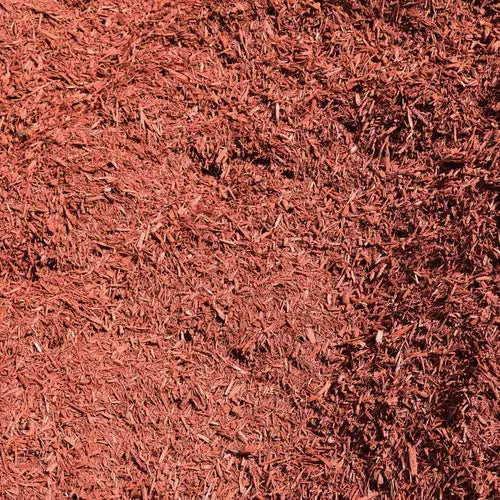
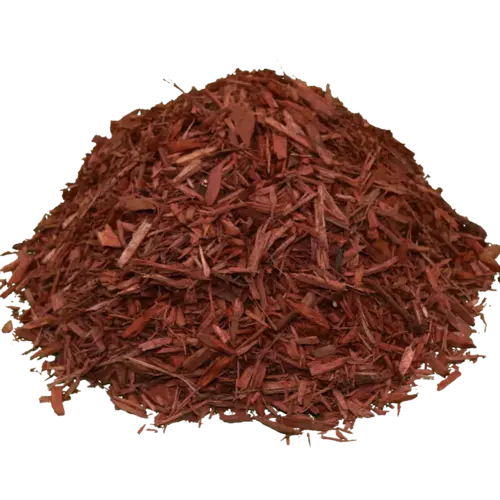
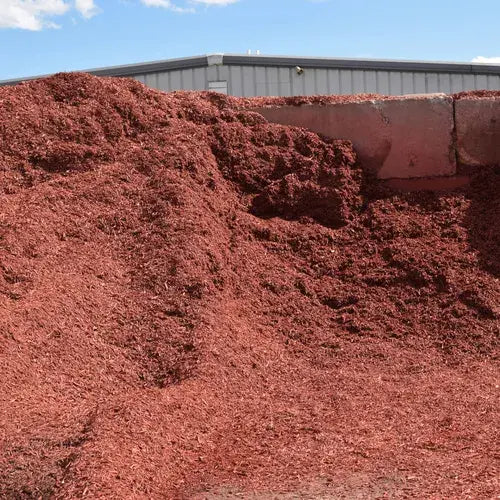
Warm brown double shredded mulch with lasting color that looks freshly applied for weeks. Spreads smooth, stays put, and gives beds a natural, polished appearance.
They offered a quick turnaround and delivered high quality mulch at a reasonable price. They also dropped it off exactly where I told them to put it. Good service!
Tell us what you're looking for
Thanks! We received your request.
Something went wrong. Please try again.
How Much Material Do I Need?
In Stevens Point's sandy loam, plan for at least 3 inches of mulch to meaningfully slow moisture loss, and consider 4 inches in south-facing or full-sun beds that dry out fastest during the heat of July and August.
Use our free mulch calculator
What is a yard?
A yard is approximately 27 cubic feet. As a general guideline, one yard of material can cover an area of about 100-160 square feet at a 2-3 inch depth.
We can't take orders for this right now. Tell us what you need and we'll get back to you.
What do you need?
Thanks! We received your request.
Something went wrong. Please try again.
Hand-picked local yards
4,000+ regional deliveries
Dedicated support
Why order through Mulch Mound
The best local mulch, without the guesswork.
We hand-pick and partner with the best yards in your region, keep only the ones our buyers rate well, and back each load with our guarantee.
Mulch Mound Guarantee
If your mulch isn't the quantity or quality you ordered, we'll make it right.
About this mulch
Warm brown double shredded mulch with lasting color that looks freshly applied for weeks. Spreads smooth, stays put, and gives beds a natural, polished appearance.
They offered a quick turnaround and delivered high quality mulch at a reasonable price. They also dropped it off exactly where I told them to put it. Good service!
How Much Material Do I Need?
In Stevens Point's sandy loam, plan for at least 3 inches of mulch to meaningfully slow moisture loss, and consider 4 inches in south-facing or full-sun beds that dry out fastest during the heat of July and August.
Use our free mulch calculator
What is a yard?
A yard is approximately 27 cubic feet. As a general guideline, one yard of material can cover an area of about 100-160 square feet at a 2-3 inch depth.
They offered a quick turnaround and delivered high quality mulch at a reasonable price. They also dropped it off exactly where I told them to put i...
Read full review
They offered a quick turnaround and delivered high quality mulch at a reasonable price. They also dropped it off exactly where I told them to put it. Good service!
Great experience! Easy to order, they delivered promptly and were very respectful of the property! Ordered the triple shredded brown mulch and it w...
Read full review
Great experience! Easy to order, they delivered promptly and were very respectful of the property! Ordered the triple shredded brown mulch and it was EXACTLY what I wanted. Very clean product too, no garbage or filler. Already put these guys in my calendar to order from next year! Keep up the good work.
Sketch each bed on paper and measure length and width separately before you add anything up, since older Stevens Point neighborhoods often have irregularly shaped beds that are easy to underestimate. Multiply square footage by 0.25 for a 3-inch depth or by 0.33 for 4 inches in full-sun areas, then divide by 27 to get cubic yards. Ordering a little extra is a good habit because leftover mulch stores well and can always be used to top off a thin spot or protect a late-season planting.
Mulch vs. No Mulch: The Difference
Stevens Point's warm, humid summers speed up the breakdown of natural wood mulch, which works in your favor by feeding organic matter back into sandy loam soil that is naturally low in nutrient-holding capacity. Dyed mulches decompose more slowly and hold their color through multiple seasons, making them a better fit for homeowners who want a polished curb appeal look without committing to annual full reapplication.
Before
After
Best Mulch Choice for Stevens Point Lawns
Most yards in the Stevens Point area sit on Sandy Loam type of soil. Sandy loam soil in Stevens Point drains so readily that plant beds can lose most of their surface moisture within a day or two after rainfall, leaving shallow-rooted annuals and perennials stressed before the next rain event arrives.
Hardwood Mulch
Hardwood mulch breaks down gradually into Stevens Point's sandy loam, adding organic matter that improves the soil's ability to hold moisture and nutrients longer, giving Central Wisconsin gardens the root-zone support they need to perform through a full 145-day growing season.
Mulch Types We Deliver in Stevens Point
Mulch Mound delivers bulk mulch by the cubic yard straight to homes and properties across central Wisconsin, making it easy to cover large beds without hauling bags. For anyone searching for bulk mulch delivery in Stevens Point, our simple ordering process and regional sourcing bring the right volume right to your driveway.
Dyed Black Mulch
Bold double shredded black mulch that transforms beds with a sharp, striking contrast. The rich color holds through Wisconsin's wet springs and hot summers without fading quickly. A strong choice for homeowners who want their landscape borders and garden beds to stand out against green lawns and lighter stone.
Natural Dark Brown Mulch
Double shredded natural hardwood mulch in a warm, earthy tone that suits the woodland landscape style common in central Wisconsin. It works equally well around tree rings, garden borders, and mixed beds. A versatile, reliable option for homeowners who want a clean, natural finish that blends with the surrounding environment.
Dyed Brown Mulch
Warm double shredded brown mulch with a color that stays fresh looking long after application, even through the rain and temperature swings typical of central Wisconsin summers. It spreads smoothly and holds its position in sloped beds, giving landscape plantings a polished, finished appearance through the whole growing season.
Complete Your Outdoor Mulch Project
If your beds have settled or eroded over the seasons, building them back up with bulk garden soil before mulching gives plants a better root environment from the start. Adding stone edging around mulched areas also helps contain material during the heavy spring rains that are common in Central Wisconsin.
Sandy loam in Stevens Point warms up quickly in spring, which is great for early planting but also means annual weed seeds germinate fast once soil temperatures climb above 50 degrees. Lay mulch as soon as the frost risk passes in mid-May and before crabgrass and other summer annuals get a foothold. A clean, thick application in early spring suppresses the first flush of weed pressure and saves hours of hand-pulling later when summer heat makes the work far less pleasant.
Mulch Mound Pro Tip
With the first hard frost arriving around October 7, the timing of your fall mulch application matters more than most homeowners realize. Wait until after your perennials have gone fully dormant but before the ground freezes solid, which in Stevens Point usually means a late October window. That timing lets crowns harden off naturally through the cooling process while still giving root systems the winter insulation they need to survive a Zone 5a cold season.
Mulch Mound Pro Tip
Stevens Point receives about 32 inches of rain annually, but that moisture does not arrive on a schedule that always matches plant needs. Dry stretches in late July and August are common, and sandy loam holds very little water in reserve once the top layer dries out. A generous mulch layer during those stretches can cut supplemental watering needs significantly by keeping soil moisture from evaporating off bare ground between the rain events that make up the yearly total.
Frequently Asked Questions
Click a question to see the answer
Answer
How thick should I apply mulch in Stevens Point given how fast the sandy soil dries out?
Because sandy loam drains so quickly, a 3-inch layer is the practical minimum for Stevens Point beds if you want meaningful moisture retention between rain events. In full-sun areas that bake during July and August, bumping up to 4 inches helps bridge those dry stretches that arrive even in years with close to average 32-inch rainfall totals.
Answer
Will mulch protect my plants if we get a late frost after May 1 in Stevens Point?
A good layer of mulch insulates the soil and slows the rapid temperature drops that happen on still, clear nights in late April and early May. With the last frost risk in Stevens Point holding until around May 15, mulching before planting gives newly installed perennials and tender annuals a buffer against that final cold snap, which most commonly arrives without much warning.
Answer
When is the best time to put down fresh mulch in the Stevens Point area?
The ideal spring window is mid-May, after frost risk has passed and before summer heat locks in, so you trap warming soil without sealing in any lingering cold from a late freeze. A fall application in mid-to-late October, after perennials have gone dormant but before the ground freezes hard, is equally important in Stevens Point for protecting root systems through a Zone 5a winter.
Answer
I have heard mulch can attract mice and voles in Wisconsin winters. Is that a real concern here?
It is a legitimate concern in Central Wisconsin, where deep snow cover gives rodents protected runways and feeding areas near mulched beds. Keeping mulch pulled back 2 to 3 inches from tree trunks and shrub stems reduces the chance of bark damage from voles that nest close to plant crowns during the long Stevens Point winter.
Answer
How often do I need to refresh mulch in Stevens Point's climate?
Natural hardwood mulch in Stevens Point typically breaks down enough within a year that adding a fresh inch or two each spring keeps beds functioning well. The warm, humid summers that Zone 5a Central Wisconsin experiences accelerate decomposition, so homeowners who skip even one season of refreshing often notice thin spots and more weed pressure by midsummer.
Answer
Is dyed mulch safe to use around my vegetable garden here in Stevens Point?
Most quality dyed mulches use iron oxide or carbon-based colorants considered safe around edible plants, but it is worth checking the product label before spreading near food crops. Many Stevens Point vegetable gardeners prefer natural hardwood mulch around their gardens because it also feeds organic matter back into the sandy loam as it decomposes, improving soil structure season after season.
Answer
What is the easiest way to figure out how many cubic yards of mulch my yard needs?
Measure the length and width of each bed in feet and multiply them to get the square footage, then multiply by 0.25 for a 3-inch application depth and divide by 27 to convert cubic feet into cubic yards. Stevens Point beds with irregular shapes around mature trees can be tricky to estimate, so rounding up slightly is always smart since leftover mulch can top off thin spots or protect a new transplant anywhere in the yard.
The Unique Landscape of Stevens Point
Stevens Point sits on sandy loam soil that drains so freely the top few inches of your plant beds can dry out within a day or two after rain, even in a year with normal 32-inch rainfall totals. A thick layer of mulch slows that surface moisture loss and keeps roots comfortable during the dry stretches that commonly arrive in July and August. The Zone 5a climate brings hard freezes by early October, and mulch acts as an insulating layer that protects crown tissue and root systems through the long Central Wisconsin winter. Spring arrives late here, with the last frost risk holding until around May 15, and mulch helps buffer the erratic soil temperature swings that occur during April warm spells that can fool dormant perennials into breaking too early. Without any ground cover, Stevens Point's sandy loam tends to crust over in summer heat, which actually slows water infiltration when rain does finally arrive.