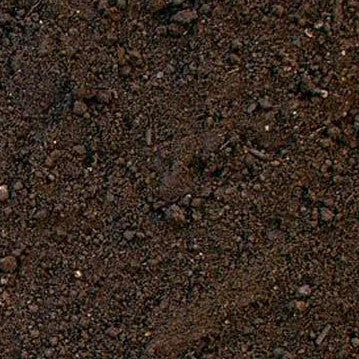
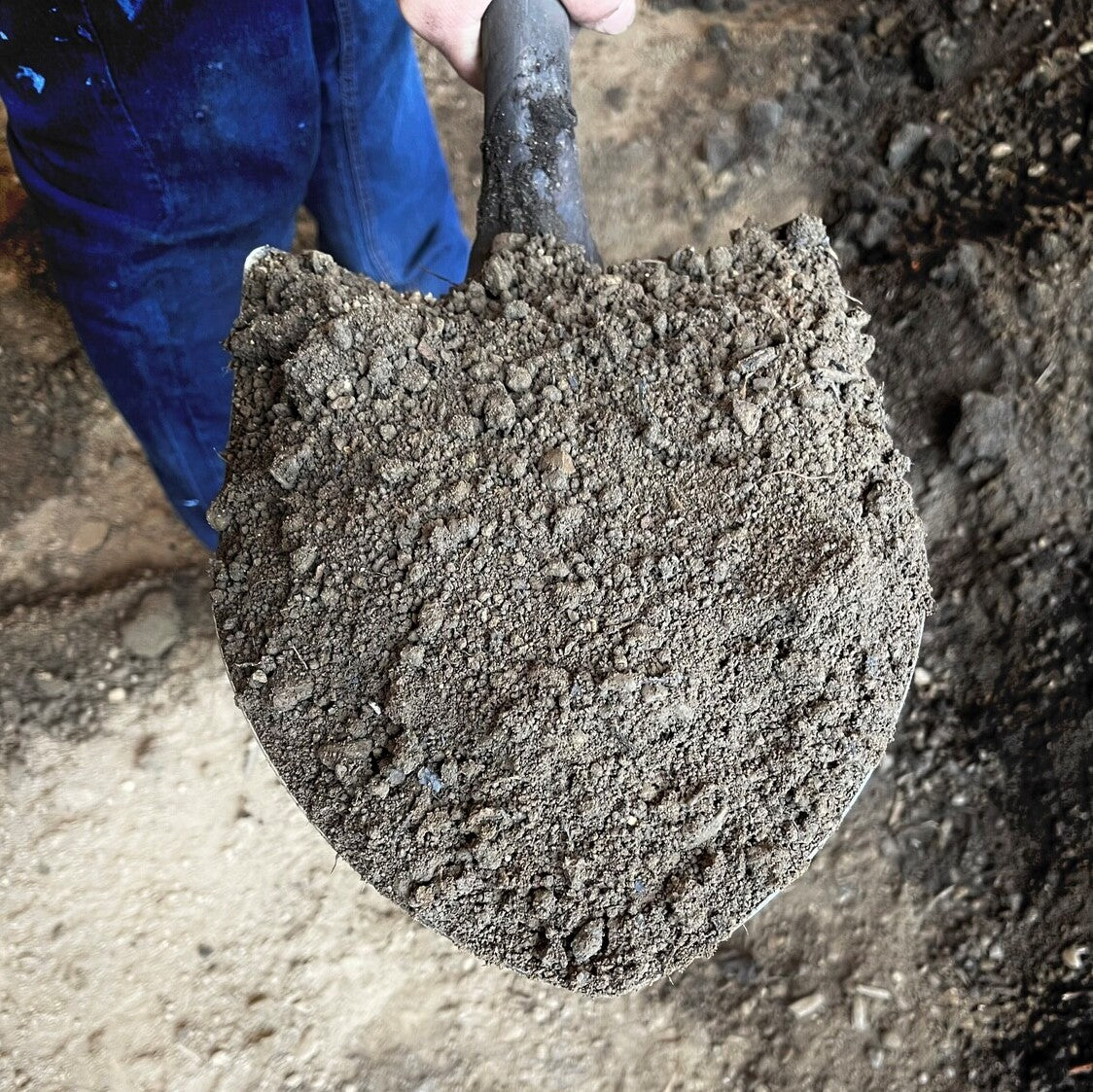
Quality topsoil for lawns, gardens, and landscape projects. Nutrient rich and ready to support strong root development and healthy plant establishment.
I got 3 yards of dirt to create a garden bed on the side of my house and to help fill my new raised garden beds. We had enough dirt to do all of this and fill some holes in the yard! Thanks 😃
Tell us what you're looking for
Thanks! We received your request.
Something went wrong. Please try again.
How Much Material Do I Need?
Plan for at least 6 inches of improved topsoil in new garden beds to give roots a meaningful buffer above Stevens Point's native sandy loam, and use a quarter to half inch per application when topdressing an existing lawn to improve soil structure without burying the grass.
Use our free soil calculator
What is a yard?
A yard is approximately 27 cubic feet. As a general guideline, one yard of material can cover an area of about 100-160 square feet at a 2-3 inch depth.
We can't take orders for this right now. Tell us what you need and we'll get back to you.
What do you need?
Thanks! We received your request.
Something went wrong. Please try again.
Hand-picked local yards
4,000+ regional deliveries
Dedicated support
Why order through Mulch Mound
The best local soil, without the guesswork.
We hand-pick and partner with the best yards in your region, keep only the ones our buyers rate well, and back each load with our guarantee.
Mulch Mound Guarantee
If your soil isn't the quantity or quality you ordered, we'll make it right.
About this soil
Quality topsoil for lawns, gardens, and landscape projects. Nutrient rich and ready to support strong root development and healthy plant establishment.
I got 3 yards of dirt to create a garden bed on the side of my house and to help fill my new raised garden beds. We had enough dirt to do all of this and fill some holes in the yard! Thanks 😃
How Much Material Do I Need?
Plan for at least 6 inches of improved topsoil in new garden beds to give roots a meaningful buffer above Stevens Point's native sandy loam, and use a quarter to half inch per application when topdressing an existing lawn to improve soil structure without burying the grass.
Use our free soil calculator
What is a yard?
A yard is approximately 27 cubic feet. As a general guideline, one yard of material can cover an area of about 100-160 square feet at a 2-3 inch depth.
I got 3 yards of dirt to create a garden bed on the side of my house and to help fill my new raised garden beds. We had enough dirt to do all of th...
Read full review
I got 3 yards of dirt to create a garden bed on the side of my house and to help fill my new raised garden beds. We had enough dirt to do all of this and fill some holes in the yard! Thanks 😃
Calculate the length times the width times the desired depth, all in feet, then divide by 27 to convert cubic feet into cubic yards for your order. Stevens Point homeowners adding soil to lawn low spots should apply no more than a half-inch per pass to avoid smothering existing grass roots. If you are working on a large area, ordering in bulk is almost always more economical than bagged material, and any extra soil can go toward building up other thin spots or starting a new bed later in the season.
Soil Types We Deliver in Stevens Point
Mulch Mound delivers bulk soil by the cubic yard directly to homes and landscaping projects across Stevens Point. Whether you are filling raised garden beds, grading a yard, or restoring a lawn after construction, having the right soil foundation makes all the difference. If you have been searching for bulk topsoil by the yard in Stevens Point, we make it easy to order and have it dropped right where you need it.
Screened Top Soil
A clean, nutrient-rich topsoil that has been screened to remove rocks and debris, making it ready to spread across lawns, gardens, and landscape beds. It supports strong root development and healthy plant establishment, which matters especially in central Wisconsin where native soils can run sandy or compacted. A reliable choice for most residential projects.
Complete Your Outdoor Soil Project
Once your beds are built up with quality topsoil, finishing with a bulk mulch layer helps hold the moisture that sandy loam would otherwise lose within a day or two after rain. Stone edging or gravel borders around new bed areas also keeps soil from washing out during the heavy spring rains that arrive in Central Wisconsin between April and June.
What kind of topsoil should I bring in to improve Stevens Point's native sandy loam soil?
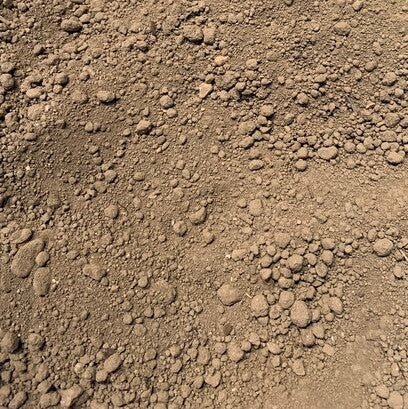
The most effective addition to Stevens Point's sandy loam is a screened topsoil blended with compost, which supplies the organic matter and nutrient-holding capacity that the native soil naturally lacks. Look for a mix with a dark color and a crumbly, loose texture, which signals enough organic content to make a meaningful difference in how plants perform through the growing season.
Answer
How deep does my topsoil layer need to be when I am starting a new garden bed in Stevens Point?
For a new garden bed in Stevens Point, working at least 6 inches of quality topsoil into or over the existing sandy loam gives vegetable and perennial roots enough improved material to establish before they hit the native layer below. Going 8 to 10 inches deep in vegetable gardens makes a noticeable difference in yield, especially for root crops that need consistent moisture through the dry stretches of late summer.
Answer
Can I use bulk topsoil to fix the low spots in my yard that hold water every spring after snowmelt?
Bulk topsoil works well for leveling low areas that pool during spring snowmelt in Stevens Point, as long as you grade the surface so water drains toward a swale or away from structures. Spread the fill in thin lifts of 2 to 3 inches at a time, tamp lightly between applications, and reseed promptly so the new surface roots together before the summer heat sets in.
Answer
When is the right time to bring in and spread topsoil in Central Wisconsin?
The best windows in Stevens Point are late April through mid-May before the main planting push, and again in early September when fall overseeding is still effective. Avoid working any soil that is saturated from snowmelt or heavy rain, since even sandy loam can compact and lose structure when you work it wet, setting your project back rather than forward.
Answer
How many cubic yards of soil do I need to fill a standard raised garden bed?
A raised bed that measures 4 feet by 8 feet and stands 12 inches tall holds about 1.2 cubic yards of soil. Stevens Point gardeners often find they need to go deeper than originally planned, because the underlying sandy loam offers very little support once roots exhaust the improved layer, especially in dry summers when the native soil holds almost no water reserve.
Answer
Will adding topsoil help my lawn handle the dry summers we get in Stevens Point?
Yes. A thin layer of quality topsoil spread over thin or patchy areas before overseeding gives grass roots a better moisture-holding medium than sandy loam alone provides. Even a half-inch of topdressing worked into the surface canopy can meaningfully reduce drought stress during the dry July and August stretches that stress Central Wisconsin lawns most years.
Answer
The ground is still frozen in early April. When is it actually safe to start planting or working soil in Stevens Point?
In a Zone 5a area like Stevens Point, frost can penetrate 30 inches or more in a cold winter, so the surface may still be frozen solid in early April even when afternoon temperatures feel mild. Wait until the top 6 inches of your bed have fully thawed and the soil crumbles rather than clumps before working or planting, and plan your project to be finished and mulched before the last frost risk window closes around May 15.
Mulch Mound Pro Tip
When filling raised beds in Stevens Point, resist the temptation to use straight premium topsoil all the way down. Blend the lower two-thirds of the bed with native sandy loam to improve drainage and reduce cost, then fill the top layer with a richer garden mix where most feeder roots will concentrate. This approach prevents any waterlogging risk while still giving plants the nutrients they need to perform through the entire growing season.
Mulch Mound Pro Tip
Sandy loam in Stevens Point compacts less severely than clay-heavy soils, but it still suffers when worked at the wrong time. Never till or grade soil that is saturated from snowmelt or spring rain, as working wet sandy loam destroys the loose, aerated structure you are trying to improve. Wait until a handful of soil crumbles apart rather than forming a mudball before you move, grade, or plant in any area of your Stevens Point yard.
Mulch Mound Pro Tip
Stevens Point receives about 32 inches of annual rainfall, but late summer dry spells are common and sandy loam holds very little water in reserve for new seedlings or fresh sod. If you are adding topsoil to prepare a new lawn area, consider blending a slow-release organic fertilizer into the top few inches before seeding. Giving grass roots a nutrient reserve helps them push deeper into the sandy subsoil before the dry stretch of July and August arrives and puts the most stress on a young stand.
The Unique Landscape of Stevens Point
Stevens Point is built on sandy loam that drains efficiently but struggles to hold the nutrients and moisture that lawns and gardens need through a full 145-day growing season. When you are grading a new lawn, filling raised beds, or repairing low spots that hold snowmelt and stay soggy into April, bringing in quality bulk topsoil gives you a foundation that outperforms the native ground. The Zone 5a climate means the soil stays frozen well into March in a hard winter, so any grading or bed-building project needs to be timed for the narrow windows in spring and fall when conditions are actually workable. With a last frost around May 15 and a first frost arriving as early as October 7, every week of the growing season counts, and poor soil structure costs you growth and yield when the season is already short. Investing in the right soil up front pays off in stronger root systems, better moisture retention through dry summer stretches, and less need for supplemental irrigation.