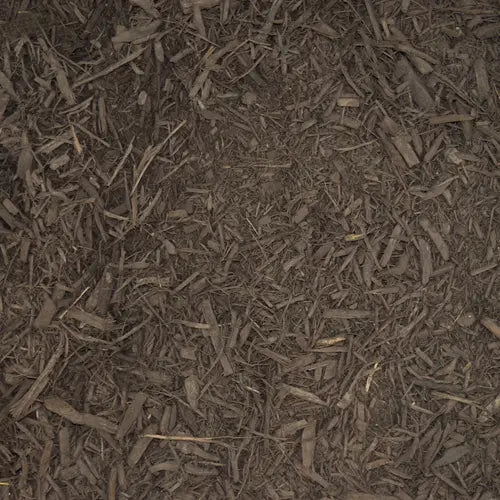
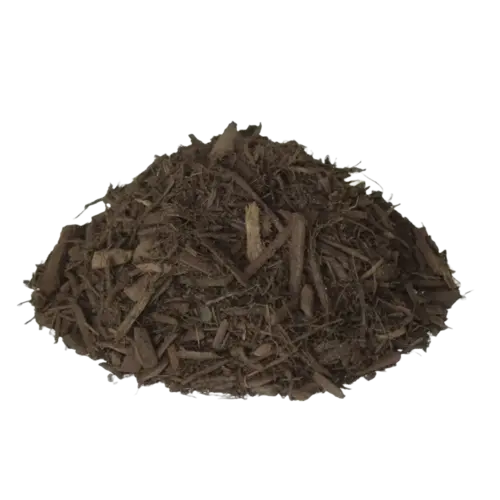
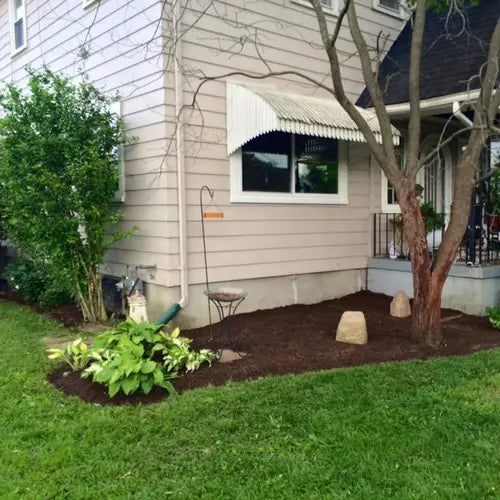
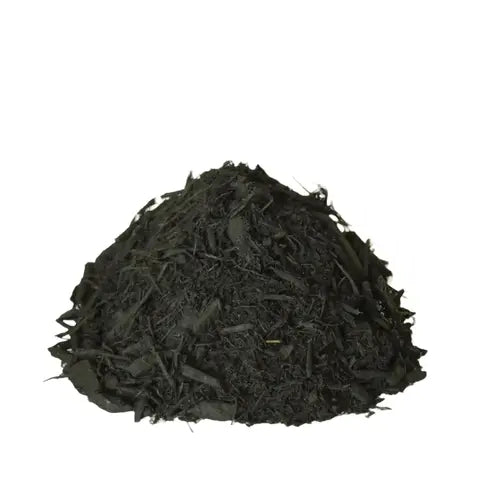
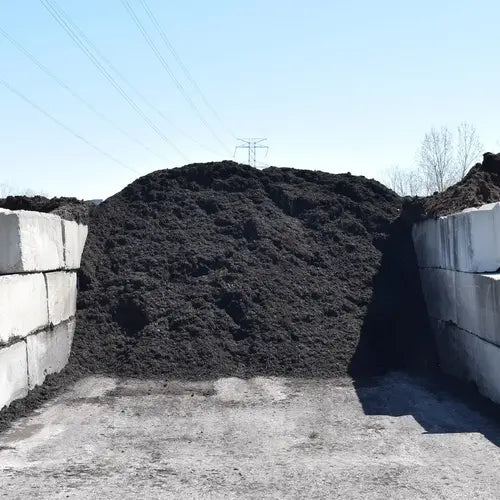
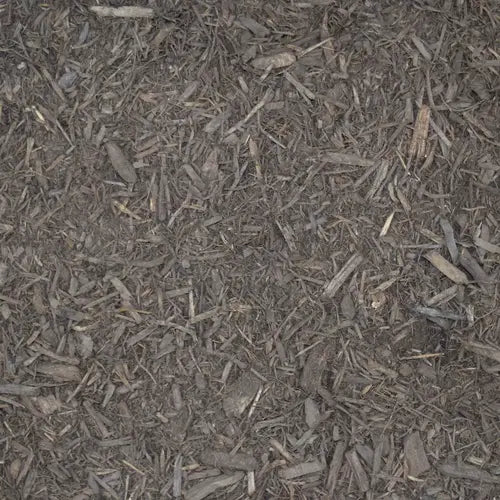
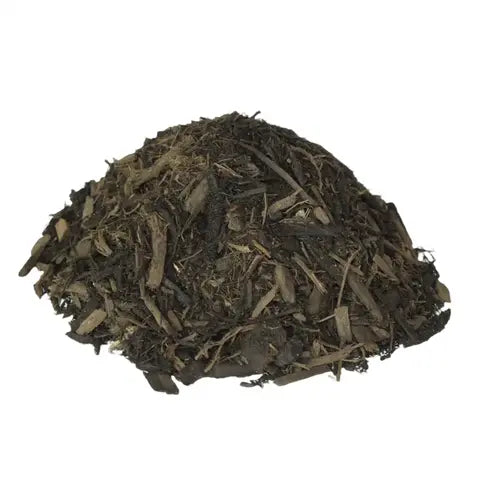
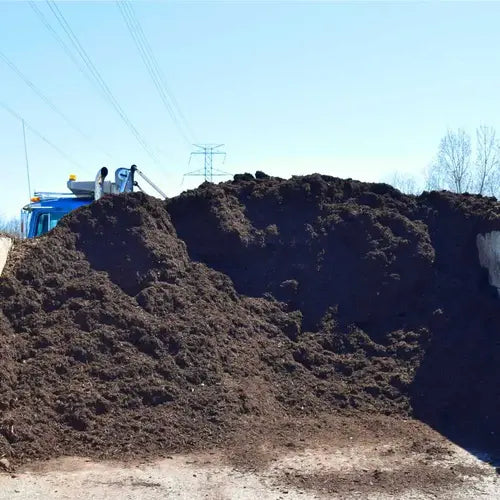
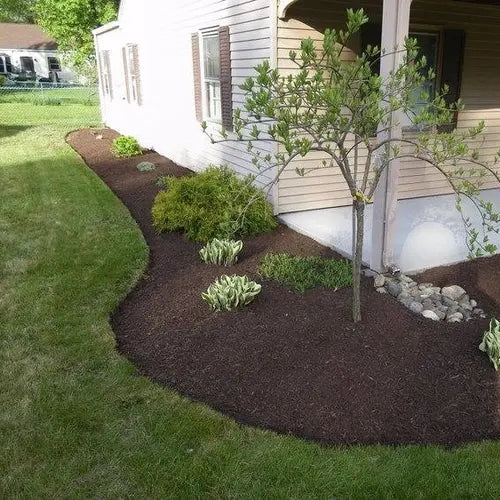
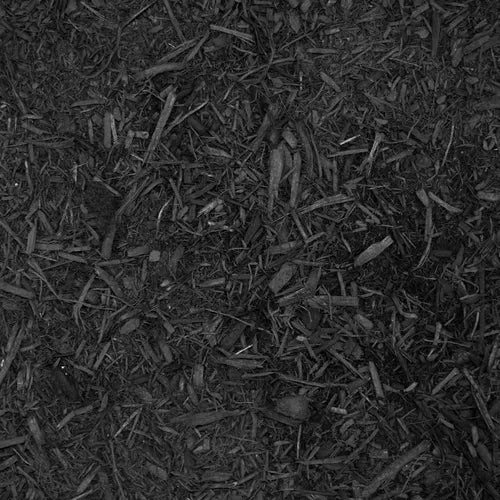
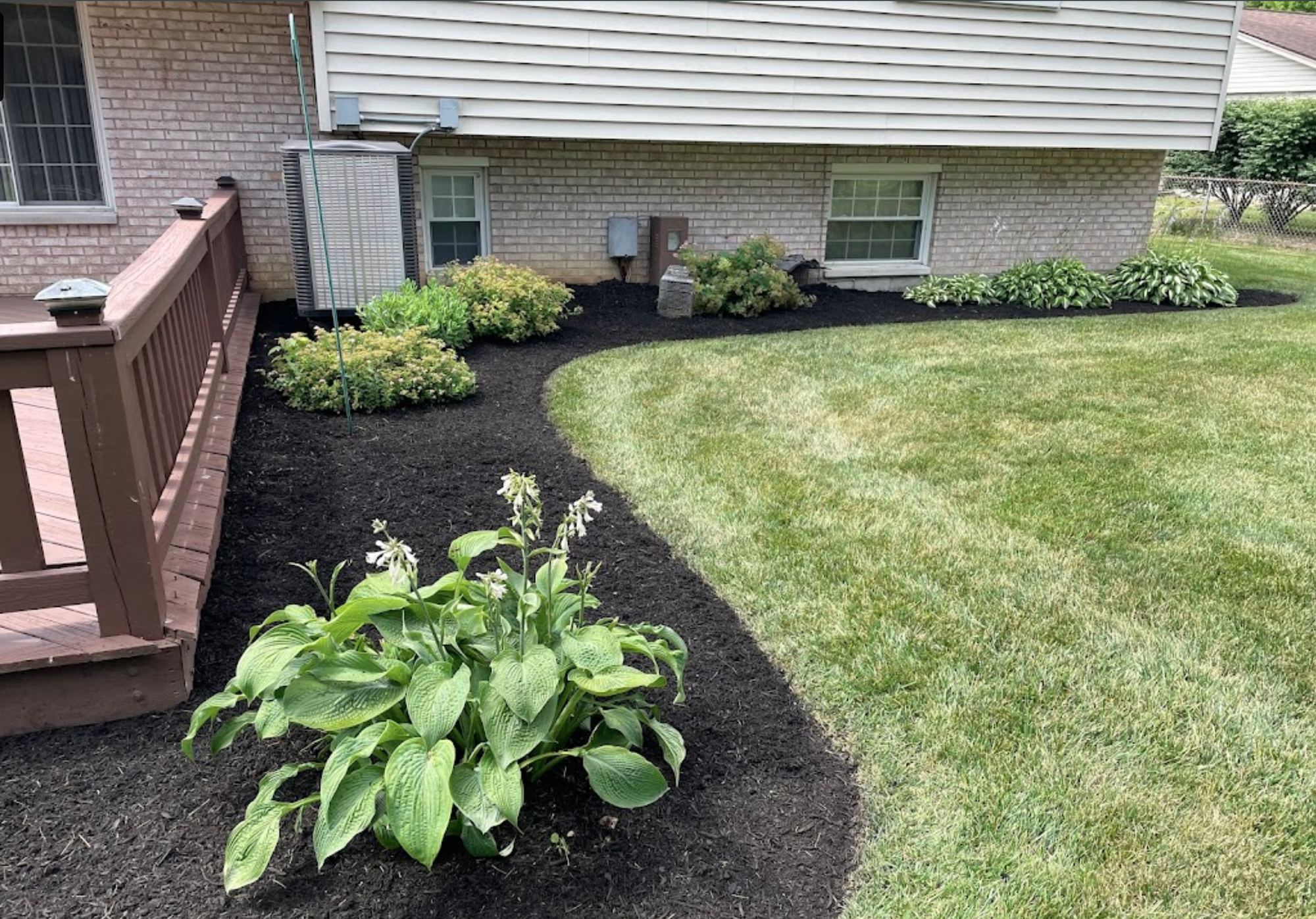
Warm brown double shredded mulch with lasting color that looks freshly applied for weeks. Spreads smooth, stays put, and gives beds a natural, polished appearance.
We needed mulch for our HOA common areas. Local providers were all holding high prices even for 40 yards of mulch. Mulch mound was easy to wowith & has great price for natural mulch + delivery schedule options. They called before delivery to ensure Delivery was exactly wher...
Tell us what you're looking for
Thanks! We received your request.
Something went wrong. Please try again.
How Much Material Do I Need?
For most Urbana planting beds with silty clay loam underneath, 2 to 3 inches of mulch provides effective weed suppression and moisture regulation without overwhelming the soil's natural moisture-holding ability. Tree rings and newly planted shrubs can go up to 4 inches, but keep all material pulled away from stems and trunks to prevent rot.
Use our free mulch calculator
What is a yard?
A yard is approximately 27 cubic feet. As a general guideline, one yard of material can cover an area of about 100-160 square feet at a 2-3 inch depth.
We can't take orders for this right now. Tell us what you need and we'll get back to you.
What do you need?
Thanks! We received your request.
Something went wrong. Please try again.
Hand-picked local yards
4,000+ regional deliveries
Dedicated support
Why order through Mulch Mound
The best local mulch, without the guesswork.
We hand-pick and partner with the best yards in your region, keep only the ones our buyers rate well, and back each load with our guarantee.
Mulch Mound Guarantee
If your mulch isn't the quantity or quality you ordered, we'll make it right.
About this mulch
Warm brown double shredded mulch with lasting color that looks freshly applied for weeks. Spreads smooth, stays put, and gives beds a natural, polished appearance.
We needed mulch for our HOA common areas. Local providers were all holding high prices even for 40 yards of mulch. Mulch mound was easy to wowith & has great price for natural mulch + delivery schedule options. They called before delivery to ensure Delivery was exactly wher...
How Much Material Do I Need?
For most Urbana planting beds with silty clay loam underneath, 2 to 3 inches of mulch provides effective weed suppression and moisture regulation without overwhelming the soil's natural moisture-holding ability. Tree rings and newly planted shrubs can go up to 4 inches, but keep all material pulled away from stems and trunks to prevent rot.
Use our free mulch calculator
What is a yard?
A yard is approximately 27 cubic feet. As a general guideline, one yard of material can cover an area of about 100-160 square feet at a 2-3 inch depth.
We needed mulch for our HOA common areas. Local providers were all holding high prices even for 40 yards of mulch. Mulch mound was easy to wowith...
Read full review
We needed mulch for our HOA common areas. Local providers were all holding high prices even for 40 yards of mulch. Mulch mound was easy to wowith & has great price for natural mulch + delivery schedule options. They called before delivery to ensure Delivery was exactly where we wanted it.
Delivery was on time and great quality Mulch. Got it done in a reasonable time and yard looks great. Couldn’t be happier!!! Thank you and will us...
Read full review
Delivery was on time and great quality Mulch. Got it done in a reasonable time and yard looks great. Couldn’t be happier!!! Thank you and will use again!!
Mulch Mound delivered a yard of pea gravel to us. Delivery was on time, driver was friendly and hit a bullseye on the “tarp target”. We used the ...
Read full review
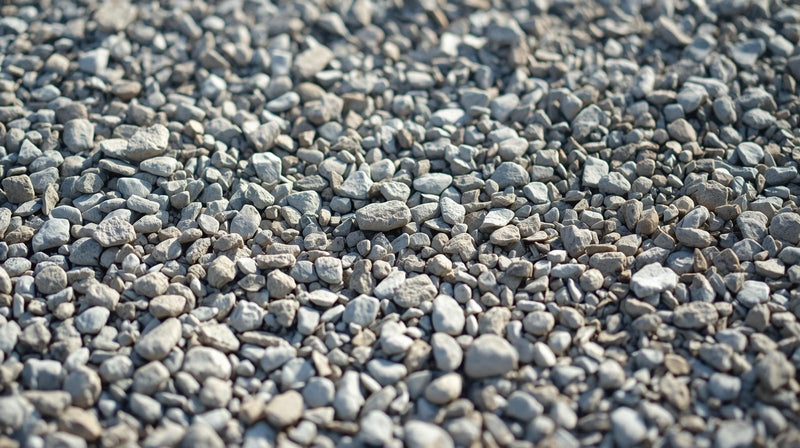
Mulch Mound delivered a yard of pea gravel to us. Delivery was on time, driver was friendly and hit a bullseye on the “tarp target”. We used the pea gravel (which was diameter as specified) to fill several muskrat holes around our pond. I would definitely recommend Mulch Mound to a friend!
To estimate how much mulch you need, measure the length and width of each bed in feet and multiply those together to get square footage, then divide by 108 for a 3-inch application depth to get cubic yards. Urbana beds with silty clay loam soil often benefit from slightly less depth than sandier soils, so a 2 to 2.5 inch layer is frequently sufficient for moisture retention without over-saturating the already moisture-retentive ground. Measuring each bed individually and adding the square footages together before calculating gives you the most accurate single order.
Mulch vs. No Mulch: The Difference
Urbana's 41 inches of annual rainfall and humid Zone 6a summers mean that all organic mulches break down at a moderate to fast pace, but natural and dyed options weather differently under these conditions. Natural hardwood mulch fades to a silver-gray over one season, which some homeowners find unappealing in formal beds, while dyed mulches hold their color through most of the growing season even under heavy rain. The right choice depends on whether you prioritize curb appeal through the season or a more natural soil-building effect as the mulch gradually breaks down into the silty clay loam below.
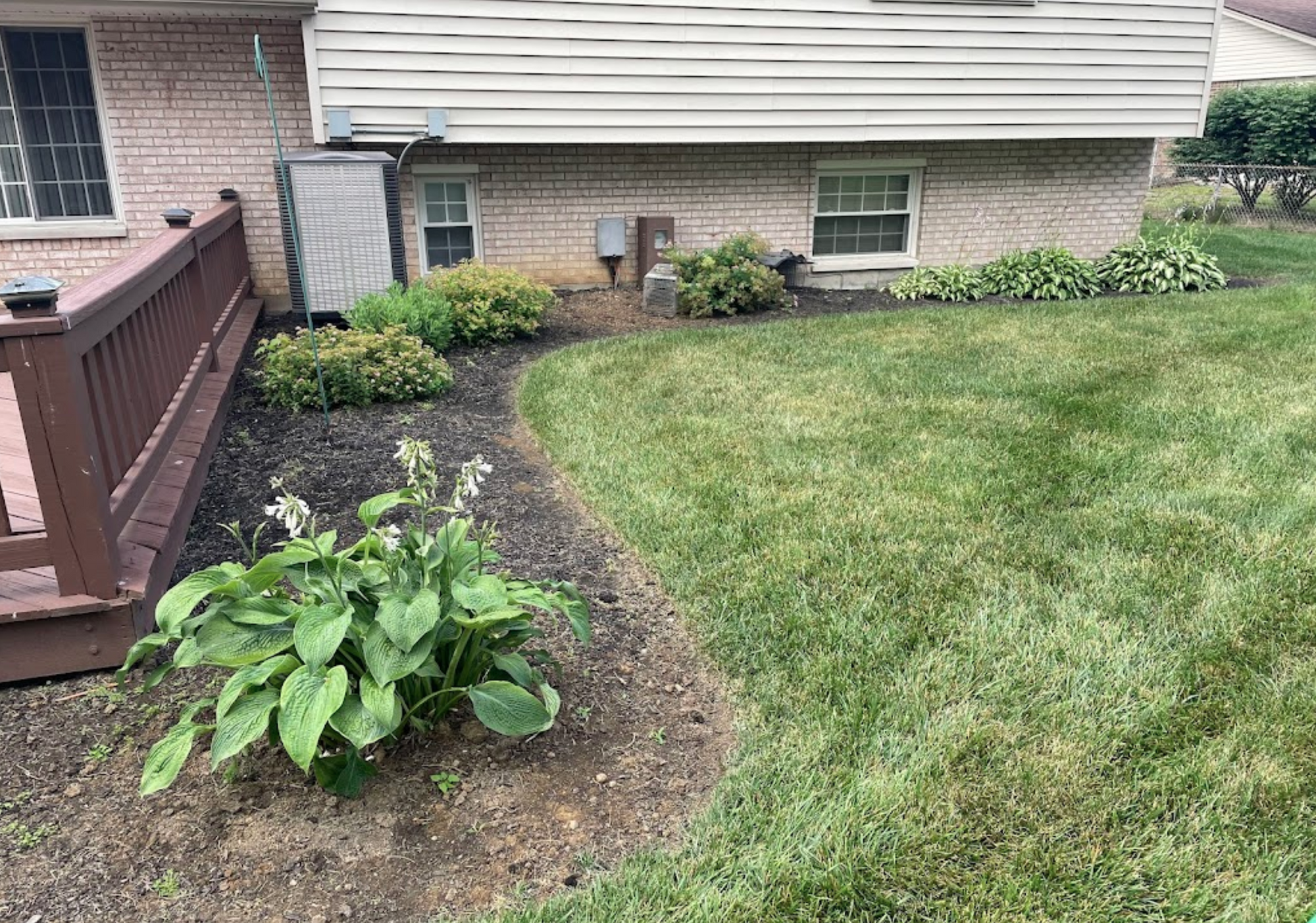
Before
After
Best Mulch Choice for Urbana Lawns
Most yards in the Urbana area sit on Silty Clay Loam type of soil. Urbana's silty clay loam soil has a tendency to become compacted and waterlogged in the spring wet season, making it difficult for shallow-rooted plants and annual beds to establish strong root systems. Adding organic mulch on top creates a buffer layer that absorbs surface moisture before it saturates the dense soil beneath.
Hardwood Mulch
Hardwood mulch is particularly well-suited to Urbana's silty clay loam because as it decomposes it adds organic matter that improves the soil's aggregate structure over time. After two to three seasons, this translates to better drainage during the wet months of spring and better moisture retention during the dry stretches of July and August, addressing two of the biggest challenges silty clay loam presents to Urbana gardeners.
Mulch Types We Deliver in Urbana
Mulch Mound delivers bulk mulch by the cubic yard straight to homes and properties in the area, so you can cover more ground without hauling bag after bag from a store. Whether you are refreshing a single bed or mulching an entire yard, bulk mulch delivery in Urbana puts the right material exactly where you need it. All three varieties below spread well in the region's clay-heavy soils and hold up through the wide temperature swings central Illinois brings each year.
Dyed Black Mulch
Double shredded for a smooth, even spread, Dyed Black Mulch delivers a bold, high-contrast look that makes green plants and colorful flowers stand out. The rich color holds firmly through summer rain and intense Illinois heat, making it a favorite for homeowners who want beds that look freshly finished week after week.
Dyed Brown Mulch
Available in double shredded form, Dyed Brown Mulch offers a warm tone that pairs naturally with the brick exteriors and traditional landscaping common in this part of Illinois. The color stays vibrant for weeks, reducing the need for frequent refreshes, and the smooth texture lays flat even in open, wind-exposed yards.
Natural Brown Mulch
Natural Brown Mulch is double shredded hardwood with no added dye, letting the wood's own warm brown tone show through. It suits gardeners who prefer an understated, organic appearance, and it blends easily into the native planting styles and prairie-influenced garden beds that have become increasingly popular across central Illinois.
Complete Your Outdoor Mulch Project
If your beds need rebuilding before mulching, our bulk garden soil is a great first step for improving nutrient content and drainage in Urbana's heavy silty clay loam. For defined bed borders or low-maintenance path areas between beds, our decorative stone options complement mulch beautifully and hold up well through Urbana's wet spring seasons.
In Urbana, spring mulching timing matters more than many homeowners realize. The silty clay loam soil needs a few weeks after the final frost around April 15 to warm up before you cover it with a fresh layer. Spreading too early locks in cold temperatures and slows root activity along with the beneficial soil organisms that wake up gradually each spring. Wait until consistent daytime temperatures reach the mid-50s before laying new mulch each season.
Mulch Mound Pro Tip
Urbana's warm, humid summers create favorable conditions for fungal growth in mulch, particularly artillery fungus, which can eject sticky spores onto siding and vehicles nearby. To reduce the chance of this becoming a nuisance, avoid piling mulch deeper than 3 inches and turn the layer lightly with a rake every few weeks during July and August when heat and humidity peak. Keeping airflow moving through the mulch layer goes a long way toward preventing fungal problems.
Mulch Mound Pro Tip
With 41 inches of annual rainfall in Urbana arriving in heavy storm events throughout spring and summer, mulch placement near downspouts and sloped beds deserves extra attention. A coarser-textured mulch such as shredded hardwood or bark nuggets resists washing far better than fine-ground materials during intense rain. Take a few minutes to slope your mulch slightly away from the house foundation and toward the center of beds so that water moves through rather than pools and sits beneath the layer.
Frequently Asked Questions
Click a question to see the answer
Answer
How deep should I apply mulch in my Urbana garden beds?
For most Urbana planting beds, a depth of 2 to 3 inches works well. Urbana's silty clay loam already retains moisture, so going much deeper than 3 inches can keep the soil too wet and encourage root rot, especially in the wet springs the area typically sees. For tree rings, 3 to 4 inches is appropriate, but keep mulch pulled back a few inches from the trunk.
Answer
When is the best time to mulch my beds in Urbana?
The two best windows are late April after the last frost date around April 15, once the soil has had a chance to warm up, and again in late October just after the first frost around October 19 to insulate plant roots for winter. Applying mulch too early in spring can trap cold in the soil and slow plant emergence, which is a real concern in Zone 6a.
Answer
Will mulch help with the hard, crusty surface I get on my beds after heavy rain?
Yes, that crusting is a common issue with Urbana's silty clay loam soil. When bare, this soil type seals over after heavy rainfall, which is especially frustrating given the area's 41 inches of annual rain. A 2 to 3 inch mulch layer cushions the impact of raindrops, prevents surface sealing, and allows water to filter down to plant roots more effectively.
Answer
How often do I need to replenish mulch in Urbana?
In Urbana's climate, organic mulches like hardwood or shredded bark typically break down within one to two growing seasons. The combination of warm, humid summers and 41 inches of rainfall accelerates decomposition compared to drier climates. Plan to top off your beds each spring after the last frost, and check depth in fall before winter sets in.
Answer
Should I remove old mulch before adding a new layer?
If the old mulch is less than an inch thick and has mostly broken down into the soil, you can leave it in place and add fresh material on top. However, if you have a thick layer that has compacted or developed a matted texture, it is worth raking it out before adding new mulch. Compacted mulch in Urbana beds can actually repel water rather than absorb it, which defeats the purpose.
Answer
Is dyed mulch safe for my vegetable garden in Urbana?
Most dyed mulches use iron oxide or carbon-based colorants that are considered safe around vegetables, but if you prefer to avoid any uncertainty, natural hardwood or straw mulch is the better choice for edible gardens. In Urbana's vegetable growing season, which runs roughly from mid-May through early October, natural mulches also decompose into the silty clay loam and contribute organic matter that improves texture over time.
Answer
Does mulch help protect my perennials from frost damage in Urbana?
It really does, especially in Zone 6a where late frosts can arrive up until mid-April and early freezes can hit in the second half of October. Applying 3 to 4 inches of mulch around perennial crowns in late October helps insulate the root zone against the freeze-thaw cycles that are common in Urbana winters. Just remember to pull the mulch back slightly in spring once consistent warmth arrives after April 15.
The Unique Landscape of Urbana
Urbana's native silty clay loam soil holds moisture well but compacts easily under foot traffic and the freeze-thaw cycles that come with Zone 6a winters. A consistent layer of mulch over your planting beds helps regulate soil temperature through those swings, keeping roots insulated after the first frost typically arrives around October 19. With 41 inches of annual rainfall, Urbana gardens need mulch that can absorb heavy spring rains without washing away, while also reducing evaporation during the hot, humid summers. Without mulch, bare silty clay loam tends to crust over after hard rains, making it harder for water to penetrate to plant roots. Weed pressure in Urbana landscapes is significant from late April through September, and a proper mulch layer is one of the most effective tools for reducing that labor. Whether you maintain ornamental beds, vegetable gardens, or tree rings, mulch is a season-long investment that pays off in reduced watering, fewer weeds, and healthier soil biology.