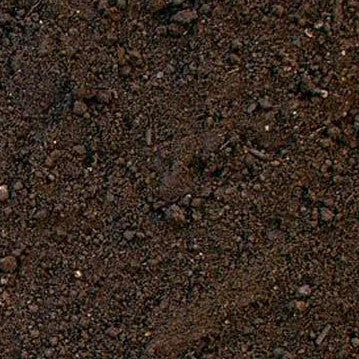
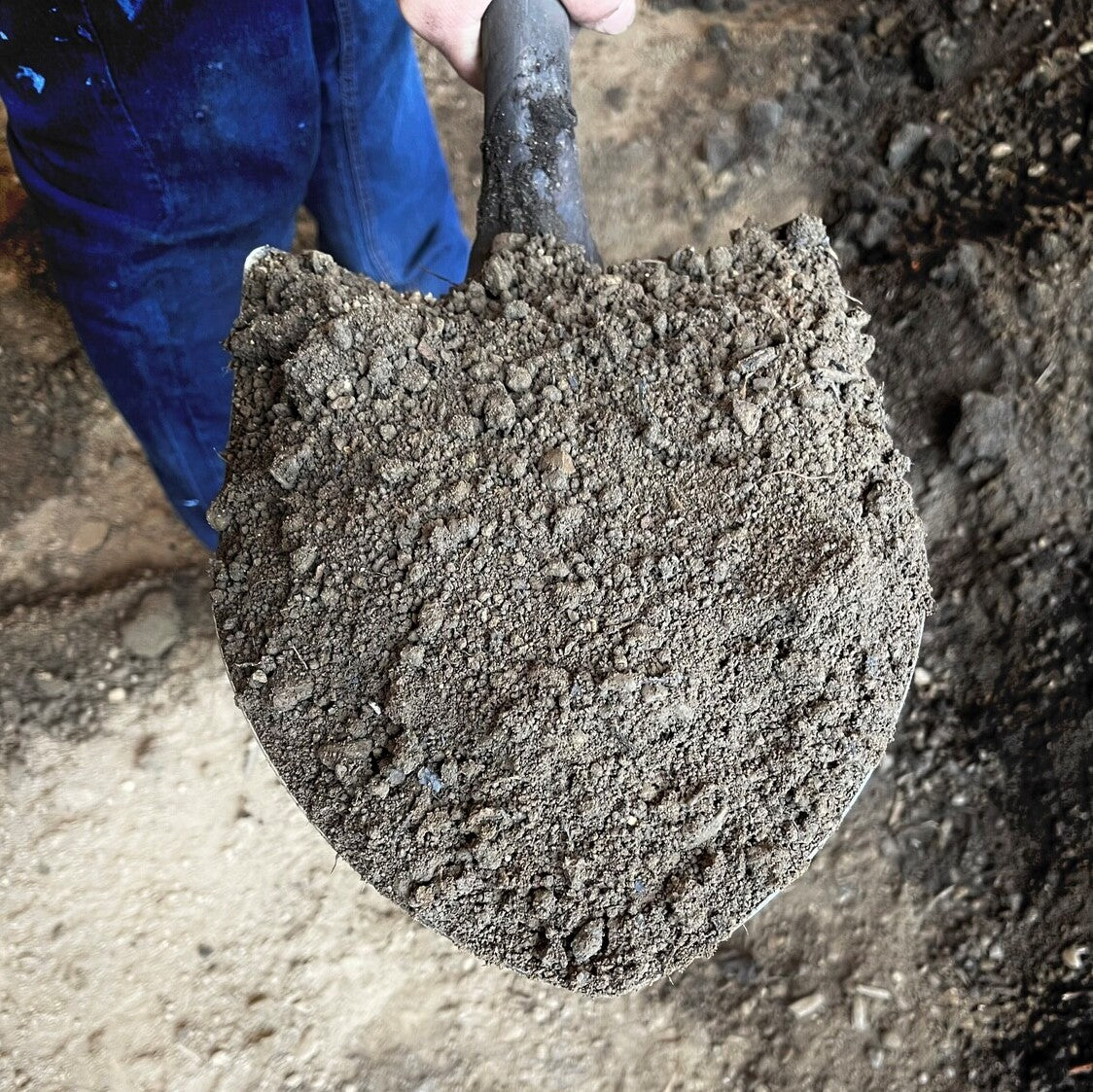
Quality topsoil for lawns, gardens, and landscape projects. Nutrient rich and ready to support strong root development and healthy plant establishment.
My experience with Mulch Mound was great and super easy. I ordered two yards of screened topsoil and was able to get it delivered within 2 days. They came in my requested time frame (afternoon) and dropped it off where I asked on my driveway. The topsoil was exactly what was a...
Tell us what you're looking for
Thanks! We received your request.
Something went wrong. Please try again.
How Much Material Do I Need?
For lawn leveling and low-spot fills in Urbana, plan for 1 to 3 inches of topsoil over the affected area, shaped carefully to direct water away from structures. For raised beds and garden preparation on top of Urbana's native silty clay loam, a minimum of 8 to 12 inches of quality amended soil gives plants the loose, well-drained root zone they need throughout the growing season.
Use our free soil calculator
What is a yard?
A yard is approximately 27 cubic feet. As a general guideline, one yard of material can cover an area of about 100-160 square feet at a 2-3 inch depth.
We hand-pick and partner with the best yards in your region, keep only the ones our buyers rate well, and back each load with our guarantee.
Mulch Mound Guarantee
If your soil isn't the quantity or quality you ordered, we'll make it right.
About this soil
Quality topsoil for lawns, gardens, and landscape projects. Nutrient rich and ready to support strong root development and healthy plant establishment.
My experience with Mulch Mound was great and super easy. I ordered two yards of screened topsoil and was able to get it delivered within 2 days. They came in my requested time frame (afternoon) and dropped it off where I asked on my driveway. The topsoil was exactly what was a...
How Much Material Do I Need?
For lawn leveling and low-spot fills in Urbana, plan for 1 to 3 inches of topsoil over the affected area, shaped carefully to direct water away from structures. For raised beds and garden preparation on top of Urbana's native silty clay loam, a minimum of 8 to 12 inches of quality amended soil gives plants the loose, well-drained root zone they need throughout the growing season.
Use our free soil calculator
What is a yard?
A yard is approximately 27 cubic feet. As a general guideline, one yard of material can cover an area of about 100-160 square feet at a 2-3 inch depth.
My experience with Mulch Mound was great and super easy. I ordered two yards of screened topsoil and was able to get it delivered within 2 days. Th...
Read full review
My experience with Mulch Mound was great and super easy. I ordered two yards of screened topsoil and was able to get it delivered within 2 days. They came in my requested time frame (afternoon) and dropped it off where I asked on my driveway. The topsoil was exactly what was advertised, clean with no rocks or other debris. The price was reasonable. I plan to use them again in a couple weeks to order compost for my garden beds.
Measure the length, width, and desired depth of your project area in feet, then multiply all three numbers together and divide by 27 to get cubic yards. For lawn leveling in Urbana, a 1 to 2 inch fill layer is typically all that is needed for mild low spots, while raised beds and major grading projects may require 6 to 12 inches of new material. Always add a 10 to 15 percent overage to account for settling after Urbana's spring rains compact the fresh soil naturally over the first few weeks.
Soil Types We Deliver in Urbana
Urbana homeowners and landscapers count on quality bulk soil delivered by the cubic yard to keep lawns, gardens, and planting beds performing through the region's demanding freeze-thaw cycles. Whether you are topping off a raised bed, grading a yard, or restoring a bare patch after construction, having the right soil on hand makes all the difference. We make it easy to order bulk topsoil by the yard in Urbana and have it dropped right where you need it.
Screened Top Soil
A clean, nutrient-rich topsoil that has been screened to remove debris and clods, making it easy to spread and grade. It suits Urbana lawns, vegetable gardens, and landscape beds, supporting strong root development in the region's clay-heavy native ground. Ideal for filling low spots, establishing new turf, or building up planting areas.
Complete Your Outdoor Soil Project
After filling and grading with bulk soil, adding a layer of mulch over your new beds protects the fresh soil from Urbana's heavy spring rains and keeps it from crusting over between waterings. For defined edges along pathways, driveways, or garden borders, our decorative stone selections add lasting structure and complement your new soil work beautifully across Urbana landscapes.
My Urbana yard has low spots that collect water after every rain. Can bulk soil fix that?
Yes, filling and grading low spots is one of the most practical uses for bulk topsoil in Urbana. With 41 inches of annual rainfall, even slight depressions in your lawn collect water and stay saturated, damaging turf and creating standing water problems. A quality topsoil fill, gently sloped to promote drainage away from your home, can eliminate those problem areas and be overseeded once the soil settles after the last frost around April 15.
Answer
What kind of soil should I use for raised vegetable beds in Urbana?
For raised beds in Urbana, a blend of topsoil and compost works much better than trying to amend the native silty clay loam, which stays too compacted and poorly drained for most vegetable crops. A loose, well-amended mix allows the deep root development that tomatoes, peppers, and root vegetables need during the Zone 6a growing season from mid-May through early October. Aim for at least 12 inches of quality fill in your raised beds for best results.
Answer
How does Urbana's native silty clay loam affect new sod installation?
Silty clay loam provides decent nutrients for new sod but its tendency to compact can prevent sod roots from knitting into the ground quickly, especially if the surface was disturbed during construction or grading. A 2 to 4 inch layer of screened topsoil worked into the existing grade before laying sod gives the new grass a looser medium to root into. This is especially helpful in Urbana's prime sod season after the last frost clears around April 15.
Answer
Can I use bulk soil to improve drainage around my foundation in Urbana?
Proper grading around your foundation is critical in Urbana because the native silty clay loam does not drain quickly and 41 inches of annual rain creates consistent surface water pressure near structures. Adding and grading a layer of quality topsoil to slope at least 6 inches over the first 10 feet away from the house directs surface water away effectively. This grading work is best done in late spring or early fall when the soil is workable but not fully saturated.
Answer
How much soil do I need to fill a raised garden bed in my Urbana backyard?
For a standard 4 by 8 foot raised bed that is 12 inches deep, you need roughly 0.12 cubic yards of soil. Most Urbana gardeners build multiple beds, so ordering in bulk is far more economical than buying bags. A single cubic yard of soil fills approximately eight of those standard-sized beds, giving you plenty of material to set up a productive Zone 6a growing season.
Answer
Is bulk topsoil safe to plant in right away, or does it need time to settle first?
Bulk topsoil can be planted into immediately for transplants and seeds, though it will settle somewhat after the first few waterings and rain events. In Urbana, spring rains in April and May can cause noticeable settling in freshly filled beds, so adding a bit of extra material initially is a smart practice. For lawn areas, letting the soil settle and firm up for one to two weeks before seeding gives the best germination results.
Answer
My Urbana vegetable garden gets waterlogged every spring. Will adding soil actually help?
If your garden sits in a low area or on native silty clay loam without any amendment, adding bulk soil is a meaningful and lasting improvement. Raising the bed grade even a few inches above the surrounding lawn improves drainage significantly during Urbana's wet March and April. Combining that elevation with a soil blend that includes compost gives you a planting environment with far better structure than the compacted native ground can offer.
Mulch Mound Pro Tip
When grading with bulk soil around Urbana foundations, timing your work carefully makes a big difference in your final result. The native silty clay loam swells when wet and contracts as it dries, and working during the saturated periods of March and April can create an uneven final grade as the underlying soil shifts. Aim to complete your grading in late May or early September when moisture levels are more stable and fresh soil compacts more predictably under foot and equipment.
Mulch Mound Pro Tip
Urbana's Zone 6a growing season gives you two excellent windows for seeding new lawn areas over fresh topsoil, late April through mid-May and late August through mid-September. The fall window is actually preferable for most cool-season grasses because soil temperatures stay warm enough for strong germination while cooler air temperatures reduce stress on seedlings. Avoid seeding in June or July when summer heat in Urbana can dry out newly seeded areas faster than regular irrigation can compensate.
Mulch Mound Pro Tip
When building raised vegetable beds in Urbana, resist the temptation to dig down into the native silty clay loam and mix it with your new soil. The clay content drags down the drainage properties of even a well-amended blend surprisingly quickly. Instead, build your beds entirely on top of the existing grade with quality amended soil, and use a cardboard or landscape fabric barrier underneath to suppress weeds from below without incorporating native clay into your growing medium.
The Unique Landscape of Urbana
Urbana's native silty clay loam is a dense, moderately fertile soil that works reasonably well for established turf but presents real challenges for raised beds, new plantings, and lawn repairs. Its fine-particle structure compacts easily, which limits the root growth of vegetables, annuals, and newly seeded grass areas trying to establish. Bringing in quality bulk topsoil or amended garden soil allows you to build beds with better drainage and aeration than the native ground can offer on its own. With 41 inches of rain each year, poorly draining soil around your home can also lead to standing water and erosion, making proper grading and soil amendment a practical priority for most Urbana properties. Zone 6a winters bring significant freeze-thaw movement in the soil, which can shift grades around foundations and create low spots that collect water and stay saturated well into spring. Starting with the right soil product sets the foundation for every planting and grading project you undertake in Urbana.