
About this soil

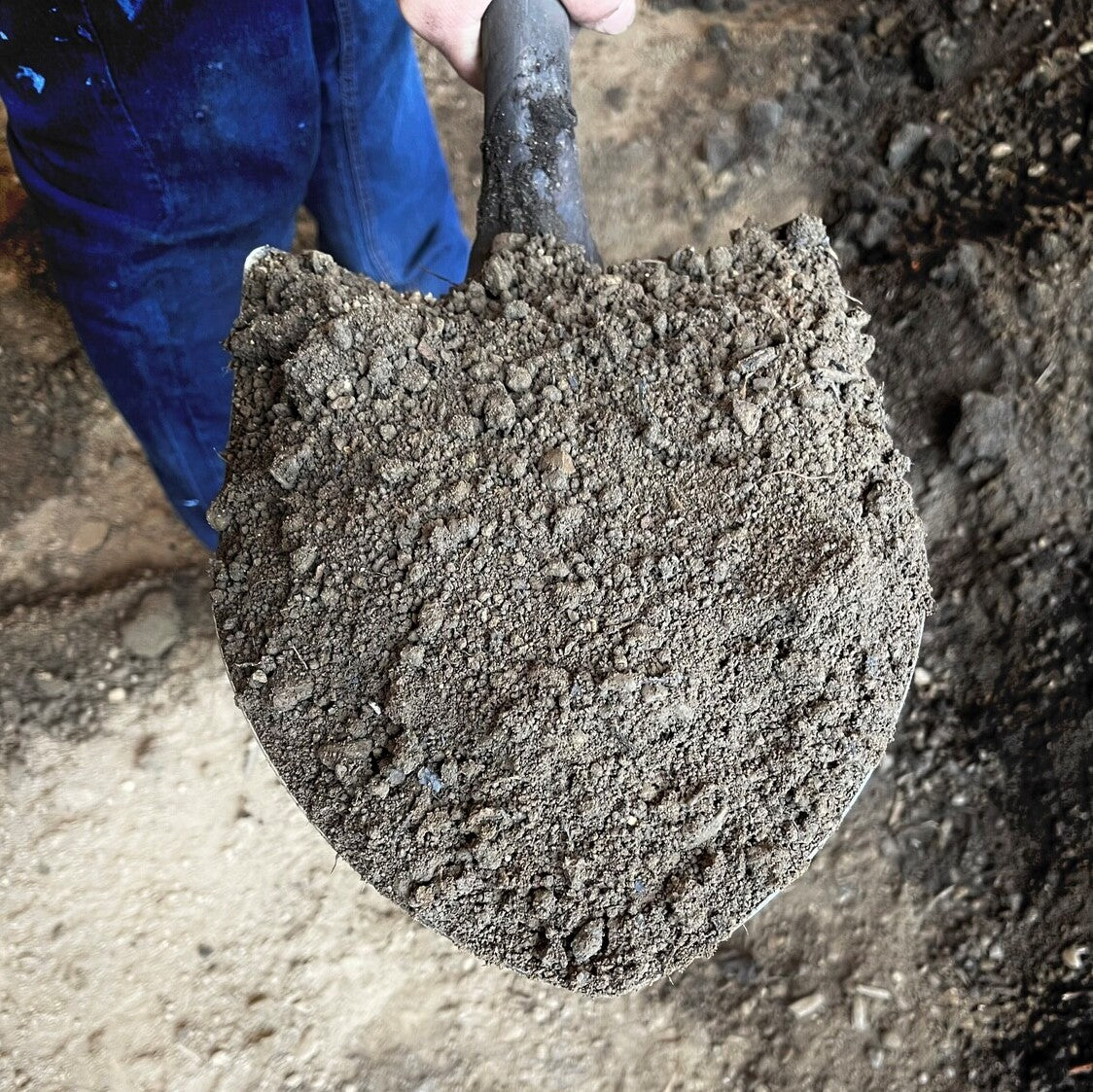
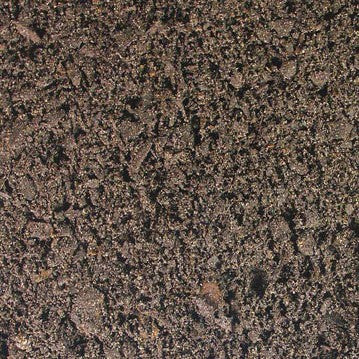
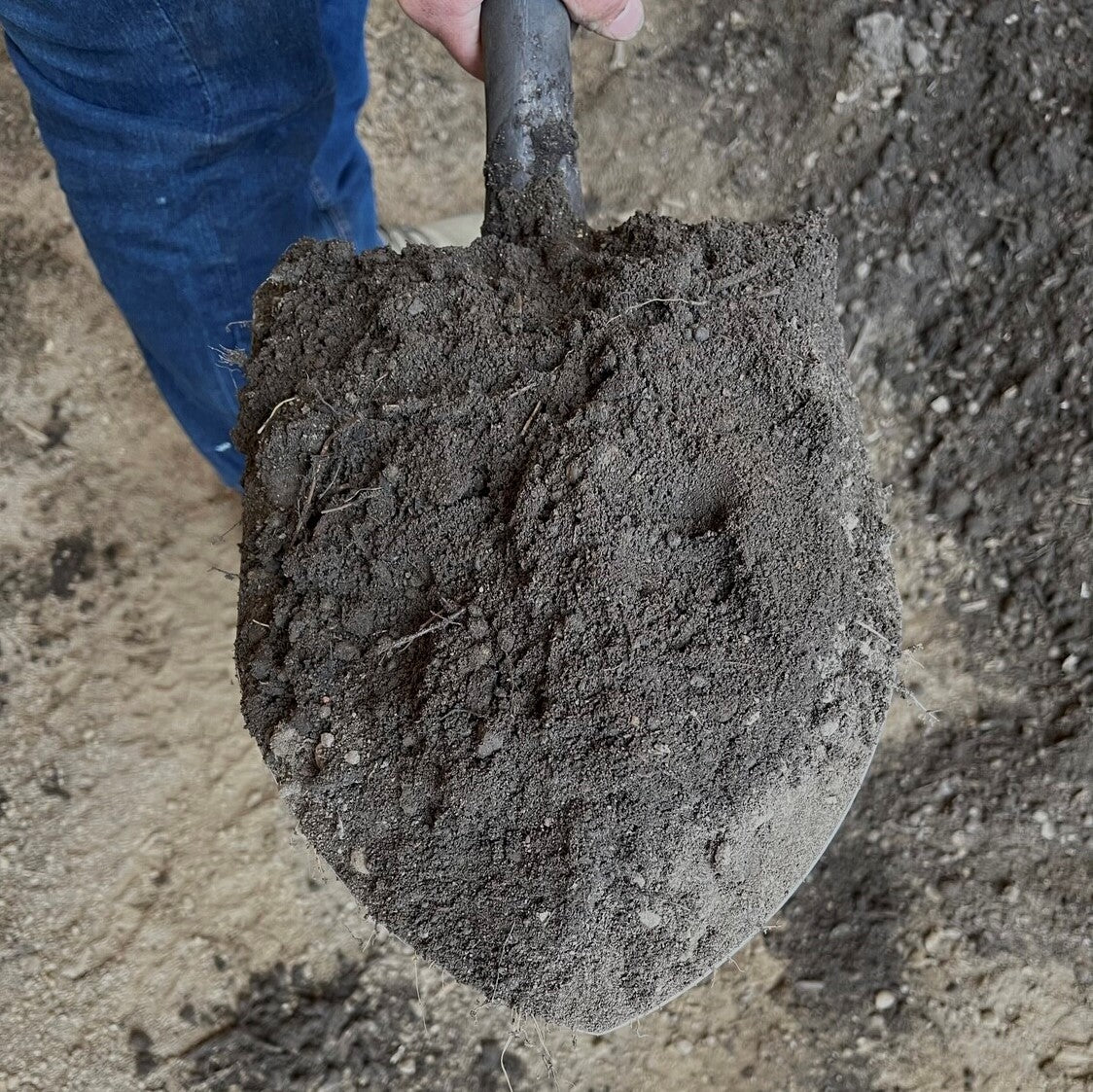
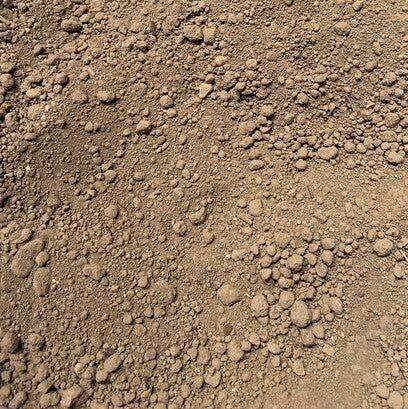
Screened topsoil filtered clean of rocks, roots, and debris. Smooth, consistent texture that is ready for lawns, gardens, raised beds, and finish grading.

I got 3 yards of dirt to create a garden bed on the side of my house and to help fill my new raised garden beds. We had enough dirt to do all of this and fill some holes in the yard! Thanks 😃

Vermilion Soil Delivery

Vermilion Soil Delivery

4.7
137 reviews
Regular price $36.00 per yard
Regular price Sale price $36.00
Sale Sold out
Type
Style
1 tree planted for every order

About this soil

Screened topsoil filtered clean of rocks, roots, and debris. Smooth, consistent texture that is ready for lawns, gardens, raised beds, and finish grading.

I got 3 yards of dirt to create a garden bed on the side of my house and to help fill my new raised garden beds. We had enough dirt to do all of this and fill some holes in the yard! Thanks 😃

For garden bed preparation in Vermilion, plan on 6 to 8 inches of quality soil over native silty clay to give plant roots enough improved growing medium before they hit the denser subsoil below. Lawn leveling and topdressing typically only needs a half inch to 2 inches, applied lightly enough that existing grass can grow back up through the new material.
Use our free soil calculator

A yard is approximately 27 cubic feet. As a general guideline, one yard of material can cover an area of about 100-160 square feet at a 2-3 inch depth.

View full details

How It Works

Getting started is easy — just follow these simple steps

1

Choose your soil

Make sure you adjust the quantity to your home's needs. You can use our calculator to estimate how much you'll need.

2

Select your delivery date

Select a delivery date you'd like for the product to be dropped off at your home

3

Sit back and wait

Sit back, wait, and let us work our magic to make sure the highest quality product is delivered to your driveway.

What Vermilion Customers Like About Our Soil

4.7
out of 5 based on 137 reviews
Google Reviews

Need Help Calculating How Much Soil You Need?

Use our NEW Trace from Satellite tool to get an estimate for your project based on an aerial view of your property

Try Our Calculator
📍

For lawn leveling in Vermilion, measure each low or bare area in square feet and decide how deep you need to fill, typically a half inch to 2 inches for topdressing work. Multiply square footage by depth in feet and divide by 27 to convert to cubic yards before placing your order. Because Vermilion's silty clay base can settle after wet winters, ordering about 10 percent extra accounts for any compression that occurs after the first full season.

Complete Your Outdoor Soil Project

After grading and filling with soil, top your beds with a layer of mulch to protect Vermilion's newly exposed soil from compaction during rain events and to hold moisture during drier summer stretches between rainfalls. If you are working on a sloped area or pathway border, our crushed stone options pair perfectly with new grading work to channel surface water away from planted areas and foundations.

Map of Vermilion, Ohio

Areas We Deliver Soil in Vermilion, Ohio

No cities found for this region.

See All Locations

Frequently Asked Questions

Click a question to see the answer

Answer

Can I just add topsoil on top of my existing Vermilion clay soil to improve it?

Adding a few inches of quality topsoil directly over silty clay works well for raised beds and garden areas, but for lawn leveling the added layer needs to be compatible enough with the existing soil to allow roots to grow through the interface. In Vermilion, placing a well-draining sandy topsoil over slow-draining silty clay can actually create a perched water table that keeps the top layer saturated after rain. A blended topsoil that includes some clay fraction integrates more naturally with Vermilion's native ground.

Answer

How much soil do I need to level out the uneven low spots in my lawn?

For minor leveling, a quarter to half inch of topdressing spread across low spots is usually enough, but significant dips may need 1 to 2 inches of fill material. Measure the length and width of each low area and use our calculator to estimate cubic yards before ordering. Because Vermilion gets 36 inches of rain yearly, leveling those low spots also directly reduces the standing water problems that silty clay lawns develop after storms.

Answer

When is the best time to grade and add soil in Vermilion?

Late April through May is the best window, giving you a few weeks after the last frost around April 16 before summer heat sets in. The soil is workable but not saturated from peak spring rains during this period, making grading easier and helping new seed or sod establish before summer stress arrives. Early fall in September through early October is also a solid option before the October 30 first frost closes the seeding window.

Answer

What kind of soil works best for raised vegetable beds in Vermilion?

A blended garden mix with compost, topsoil, and a coarse amendment like perlite or screened bark gives raised beds the drainage and nutrient content that Vermilion's native silty clay simply cannot provide on its own. Raised beds also warm up faster than surrounding ground in early spring, giving you a jump on planting after the April 16 last frost. Look for a blend with at least 20 to 30 percent compost content for the best vegetable production results.

Answer

My yard pools water after heavy rain because of all the clay. Will adding new soil help fix that?

Adding soil strategically can help by raising low spots and improving the grade so water flows away from your foundation and toward proper drainage areas. If the underlying silty clay is severely compacted across a large area, you may also need to address drainage by incorporating gravel below the new soil or installing a French drain. For Vermilion homeowners dealing with chronic pooling, regrading with quality fill soil is often the first and most cost-effective step to take before exploring more involved drainage solutions.

Answer

How do I calculate how many cubic yards of soil I need for a raised bed project?

Multiply the length by the width by the desired depth in feet, then divide by 27 to get cubic yards. A typical 4 by 8 foot raised bed filled to 12 inches deep needs about 1.2 cubic yards of soil. Because Vermilion summers can have warm, drier stretches between rain events, filling beds an inch or two deeper than the bare minimum gives roots more room to find moisture when the soil dries out.

Answer

Is bulk topsoil the same as the bagged garden soil I see at hardware stores?

Bulk topsoil is typically a screened natural soil that may or may not include compost amendments, while bagged garden soil is usually a lighter mix formulated for containers and small beds. For large Vermilion projects like lawn grading or filling several raised beds, bulk delivery is far more cost-effective and provides a denser, more stable fill than bagged mixes. Ask about the compost content of any bulk blend if you are using it for planting areas rather than pure grading or fill work.

Mulch Mound Pro Tip

When filling raised beds in Vermilion, avoid using native silty clay as any portion of your bed mix. It compacts too easily under regular watering and Vermilion's consistent rainfall, turning your raised bed into a dense block that suffocates roots by mid-summer. A blend of quality topsoil, compost, and a coarse amendment like perlite gives you a light, well-drained mix that stays workable from spring planting all the way through the fall harvest.

Mulch Mound Pro Tip

Vermilion's freeze-thaw cycles through winter can heave newly graded soil and undo careful leveling work if a project is completed too late in the season. Aim to finish major grading projects by early October, giving the soil at least three to four weeks to settle before the October 30 first frost locks everything in place. Seeding immediately after fall grading also helps young root systems begin anchoring the new soil before winter arrives and movement becomes a problem.

Mulch Mound Pro Tip

Because Vermilion's silty clay base drains poorly, adding a 2 to 3-inch layer of coarse gravel or drainage stone beneath new topsoil in particularly wet areas of your yard creates a drainage break that keeps plant roots from sitting in saturated conditions after every rain event. This approach is especially valuable in low-lying sections of Vermilion properties where water naturally collects. Combining improved soil above with drainage material below gives you a much more stable and productive growing environment than topsoil alone can provide.

The Unique Landscape of Vermilion

Vermilion sits on a base of silty clay that drains slowly and compacts easily under foot traffic and heavy rainfall, making imported quality soil essential for successful garden beds and lawn projects. The area's 36 inches of annual precipitation sounds adequate, but when silty clay becomes saturated it sheds water rather than absorbing it, leading to pooling and runoff that strips nutrients from the surface. Bringing in blended topsoil or a quality garden mix gives you a workable growing medium from the start instead of fighting years of amendment cycles with native ground that resists improvement. Whether you are leveling a bumpy lawn, building raised beds, or grading a slope before reseeding, good soil gives every Vermilion project a stable and productive foundation. Vermilion's zone 6b growing season, opening after the April 16 last frost, is long enough to reward the extra investment in quality soil with strong plant establishment and healthier turf through summer.
