




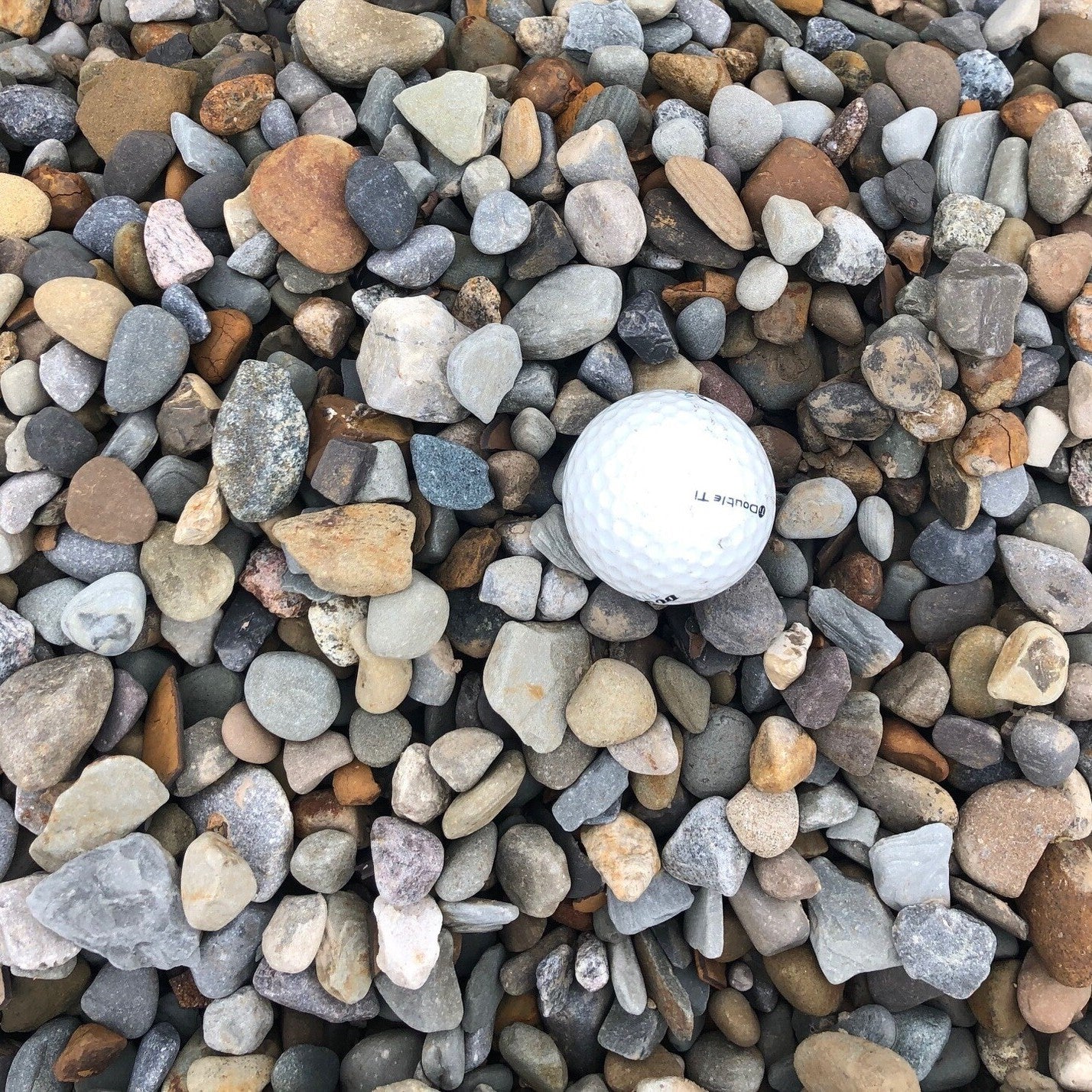
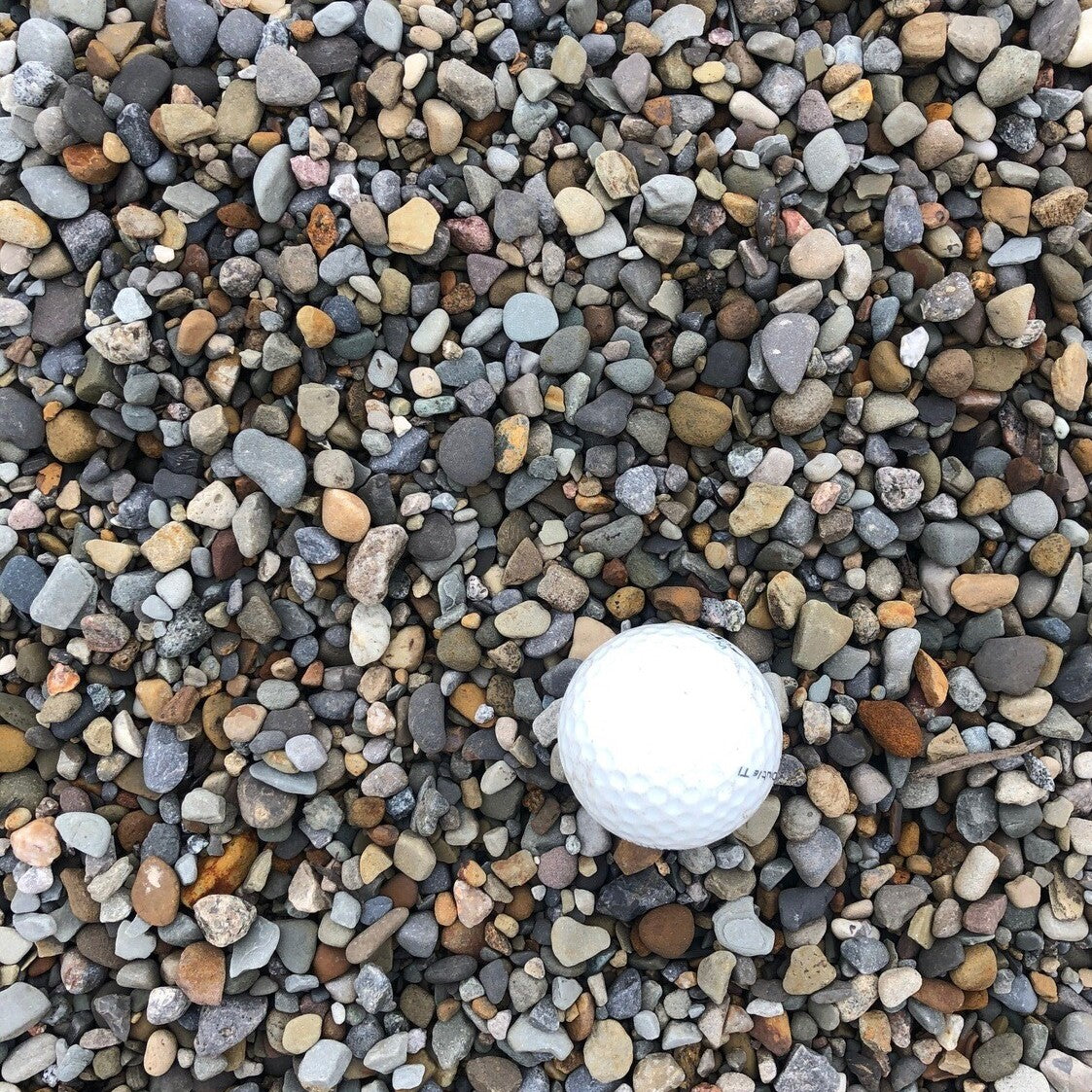
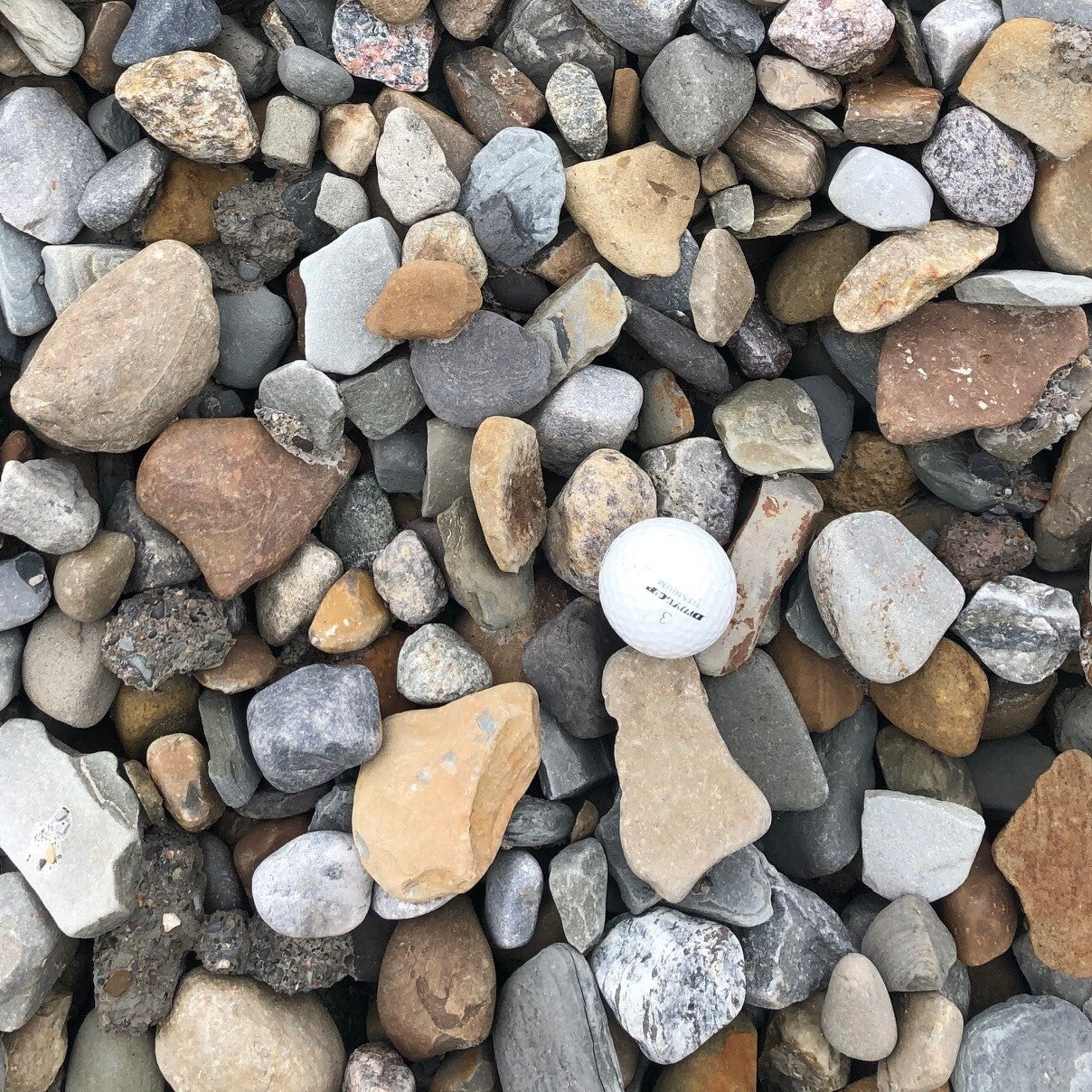
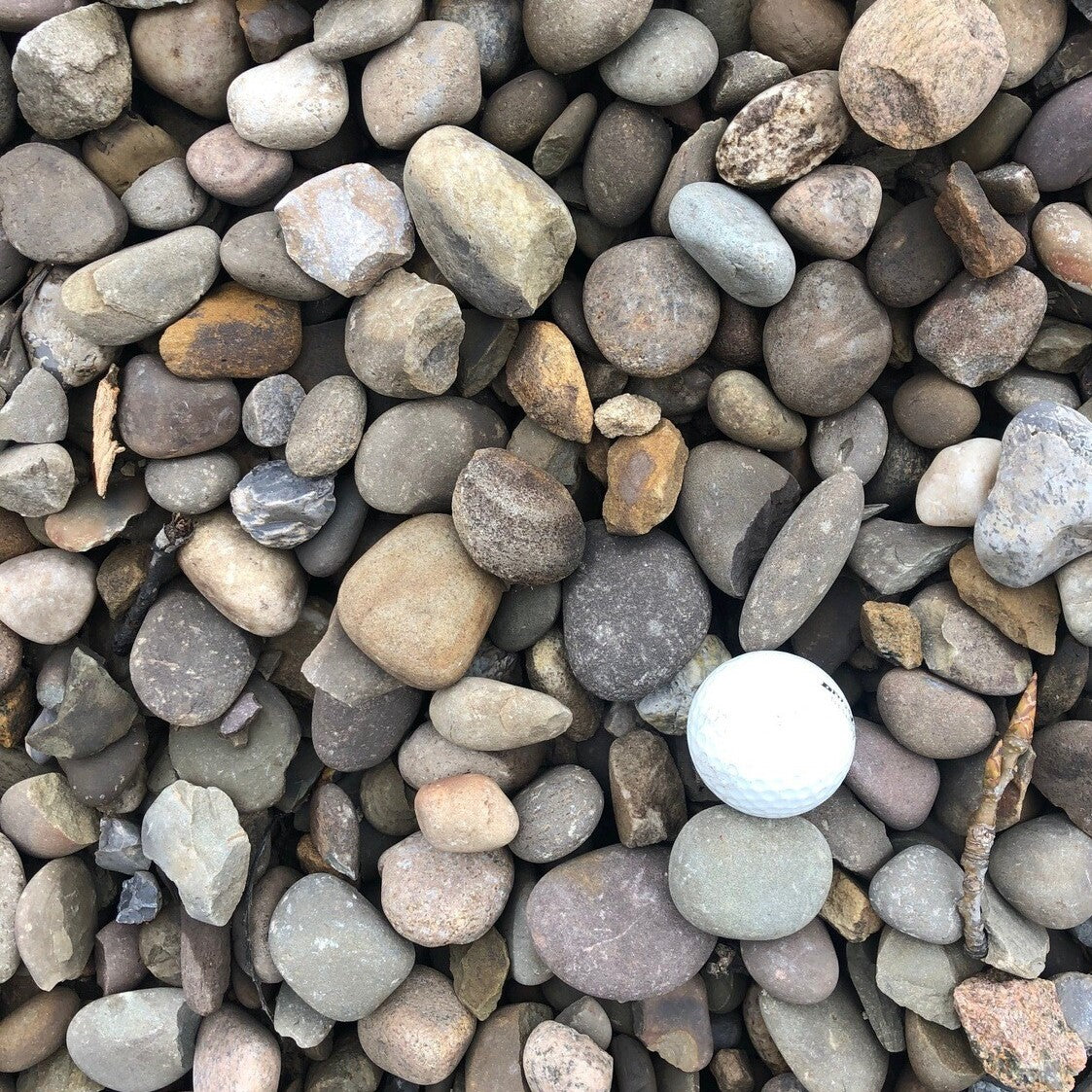

The driver nailed it on putting the gravel I ordered in front of my trailer and between the sidewalk. Very satisfied with how my flowerbeds look now.
About this stone
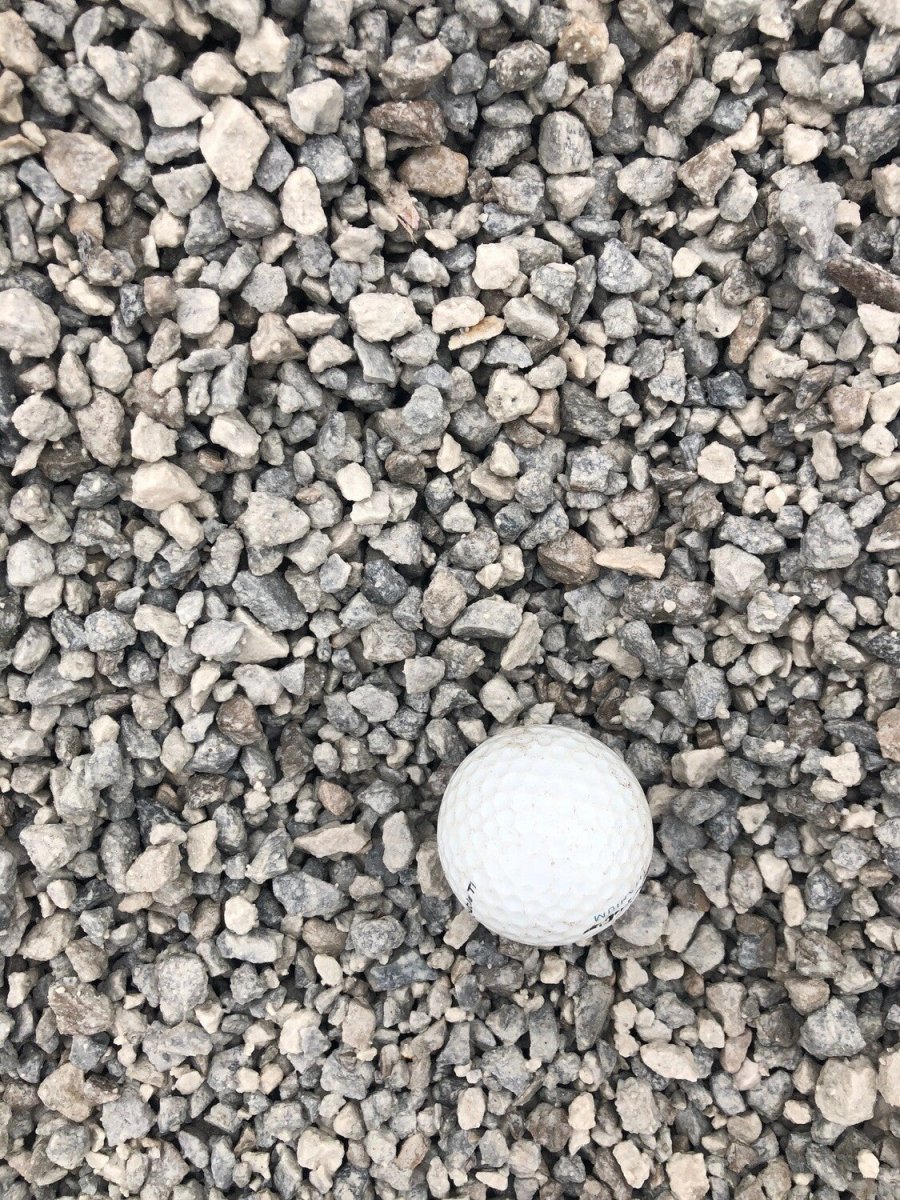
Compact limestone at 3/8 to 1/2 inch for fine grading, fills, and bedding. The precise sizing makes it ideal for detailed work and compacted surfaces.
The driver nailed it on putting the gravel I ordered in front of my trailer and between the sidewalk. Very satisfied with how my flowerbeds look now.
Tell us what you're looking for
Thanks! We received your request.
Something went wrong. Please try again.
How Much Material Do I Need?
How Much Material Do I Need?
For most Vermilion drainage and decorative applications, a 2 to 3-inch layer of stone is the practical minimum, with drainage installations benefiting from 4 to 6 inches of crushed gravel to handle the volume of runoff that silty clay generates during Vermilion's rainy periods. Pathways need at least 3 to 4 inches total depth including a compacted base layer to prevent sinking into the soft clay below.
Use our free gravel calculator
What is a yard?
What is a yard?
FAQs
FAQs
Vermilion Gravel Delivery
Vermilion Gravel Delivery
Regular price
$76.00
per
yard
Regular price
Sale price
$76.00
Unit price
per
Shipping calculated at checkout.
Couldn't load pickup availability
Not currently available
We can't take orders for this right now. Tell us what you need and we'll get back to you.
Hand-picked local yards
4,000+ regional deliveries
Dedicated support
Why order through Mulch Mound
The best local stone, without the guesswork.
We hand-pick and partner with the best yards in your region, keep only the ones our buyers rate well, and back each load with our guarantee.
Mulch Mound Guarantee
If your stone isn't the quantity or quality you ordered, we'll make it right.
About this stone
Compact limestone at 3/8 to 1/2 inch for fine grading, fills, and bedding. The precise sizing makes it ideal for detailed work and compacted surfaces.
The driver nailed it on putting the gravel I ordered in front of my trailer and between the sidewalk. Very satisfied with how my flowerbeds look now.
How Much Material Do I Need?
How Much Material Do I Need?
For most Vermilion drainage and decorative applications, a 2 to 3-inch layer of stone is the practical minimum, with drainage installations benefiting from 4 to 6 inches of crushed gravel to handle the volume of runoff that silty clay generates during Vermilion's rainy periods. Pathways need at least 3 to 4 inches total depth including a compacted base layer to prevent sinking into the soft clay below.
Use our free gravel calculator
What is a yard?
What is a yard?
FAQs
FAQs
Tell us what you're looking for
Thanks! We received your request.
Something went wrong. Please try again.

How It Works
Getting started is easy — just follow these simple steps
1
Choose your stone
Make sure you adjust the quantity to your home's needs. You can use our calculator to estimate how much you'll need.
2
Select your delivery date
Select a delivery date you'd like for the product to be dropped off at your home
3
Sit back and wait
Sit back, wait, and let us work our magic to make sure the highest quality product is delivered to your driveway.


Need Help Calculating How Much Gravel You Need?
Use our NEW Trace from Satellite tool to get an estimate for your project based on an aerial view of your property
Try Our CalculatorTo estimate stone for a pathway or border, multiply the length by the width in feet, then multiply by your desired depth in feet, and divide by 27 for cubic yards. In Vermilion, we recommend adding 10 to 15 percent extra to account for settling into the silty clay base that naturally occurs after the first winter. Always measure twice before ordering since returning bulk stone is far more complicated than returning a bag from a hardware store.
Stone Types We Deliver in Vermilion
Mulch Mound delivers bulk stone by the cubic yard to homeowners and contractors across northern Ohio's lakeshore communities. Whether you are searching for bulk crushed stone by the yard in Vermilion or need a reliable base material for a drainage or landscaping project, we carry the grades that match the work. Our deliveries are measured by the yard so you get exactly what your project calls for.
#57 Limestone
The most in-demand drainage and base stone in the region, this half inch to one inch limestone handles everything from French drains to driveway subbase. Northern Ohio's clay-heavy soil benefits from the open drainage this grade provides, and its clean gray color blends naturally into most residential landscapes.
#57 Decorative Gravel
This versatile half inch to one inch decorative stone suits homeowners who want drainage performance alongside an attractive finish. It works well along garden beds, pathways, and property borders, and the natural rounded texture holds up through the freeze and thaw cycles common to the Lake Erie shoreline.
#4 Limestone
At one to one and a half inches, this is a heavier grade suited to driveway base layers, erosion control, and sites that take real foot or vehicle traffic. The larger sizing locks together well and the natural gray color complements the traditional residential property styles common throughout this part of Ohio.
#8 Limestone
The compact three-eighths to half inch sizing makes this grade the right call for fine grading, pipe bedding, and detailed fill work where a coarser stone would shift. Northern Ohio contractors rely on it for precise applications where surface stability and tight, even coverage matter most.
Complete Your Outdoor Stone Project
For a complete landscape refresh, pair your stone with quality mulch in planted bed areas to give Vermilion's silty clay soil the organic matter it needs while keeping surrounding stone features low-maintenance and clean. Adding a layer of our topsoil blend in raised planters or adjacent lawn areas before seeding creates a better growing environment right alongside your new stone features.



Service area
Areas we deliver stone and gravel in Vermilion, Ohio
Mulch Mound Pro Tip
Before laying any stone in Vermilion, install a quality non-woven geotextile landscape fabric between the native silty clay and your stone layer. Vermilion's wet conditions and freeze-thaw winter cycles cause the soft clay base to push up gradually into gravel over time, muddying your stone and causing it to sink unevenly across pathways and borders. The fabric acts as a permanent separator that keeps your stone looking clean and sitting level for years, which matters especially in a high-rainfall area like Vermilion.
Mulch Mound Pro Tip
When using stone for drainage channels or dry creek beds in your Vermilion yard, size the channel more generously than you think you need to. Silty clay sheds water quickly during heavy rains rather than absorbing it, so drainage features fill up faster than homeowners often expect when they are installing them in dry conditions. A channel that looks oversized on a sunny day in June is often exactly the right size when Vermilion gets a strong late-spring storm and runoff is moving fast.
Mulch Mound Pro Tip
Stone foundation borders in Vermilion do double duty by protecting your home and reducing yard maintenance at the same time. Keep the stone border at least 4 to 6 inches deep against the foundation and slope it very slightly away from the house so water flows outward toward the lawn rather than sitting against the wall. This is especially important given Vermilion's silty clay soil tendency to direct surface water toward wherever it naturally pools, and a well-graded stone border keeps that pooling away from your basement or crawlspace walls year after year.
The Unique Landscape of Vermilion
Vermilion's silty clay soil and 36 inches of annual rainfall create persistent drainage and erosion challenges that make landscape stone one of the most practical long-term investments a homeowner can make. Stone pathways and drainage features stay functional through wet spring conditions when mulched or grassed surfaces turn muddy, giving you stable footing and clean edges across your yard all year long. Because silty clay compacts under foot traffic and sheds rainfall rather than absorbing it, stone borders and gravel beds around foundations redirect runoff before it pools against your home. Decorative stone also requires none of the seasonal maintenance that organic mulch demands in Vermilion's climate, eliminating the annual top-up cycle entirely and saving real time and cost each spring. Whether you need erosion control on a sloped yard, a dry creek bed to handle runoff, or a low-maintenance ground cover for a shaded area where grass struggles, stone delivers lasting results tuned to Vermilion's wet, heavy-soil environment.