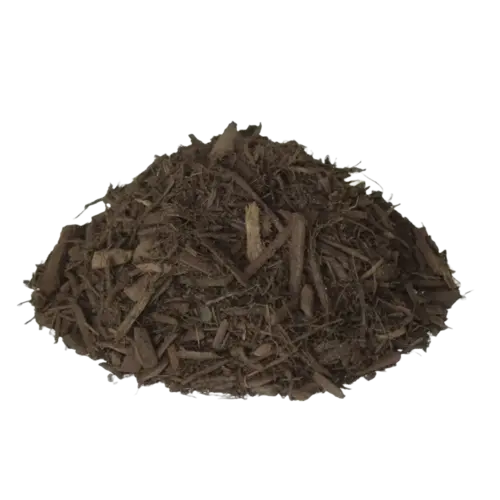
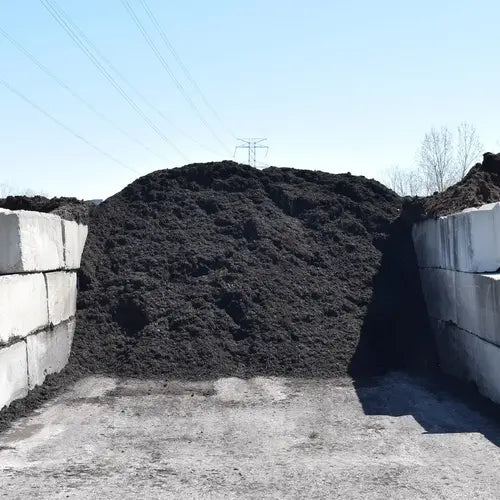
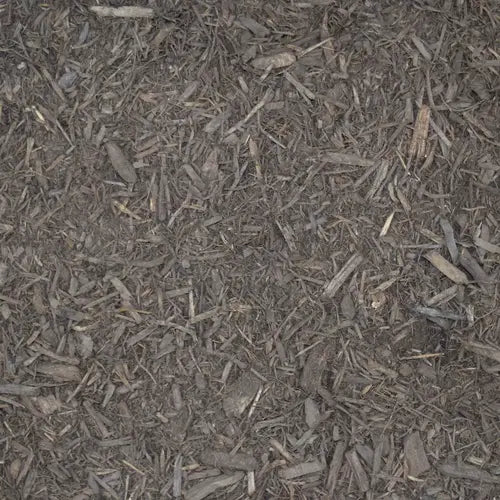
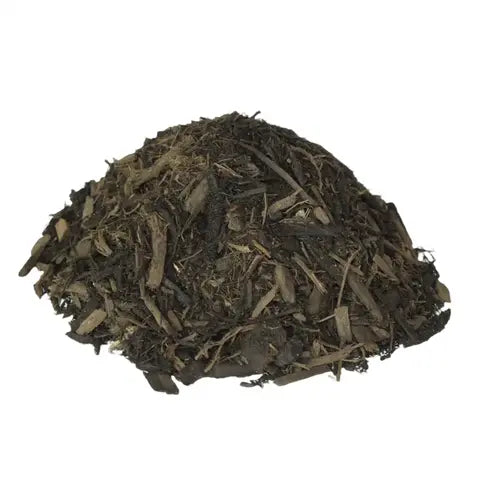
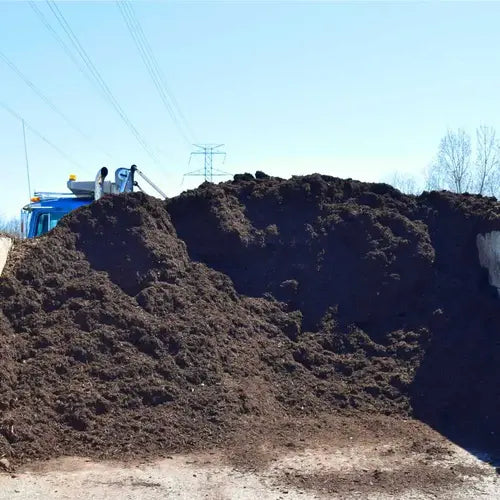
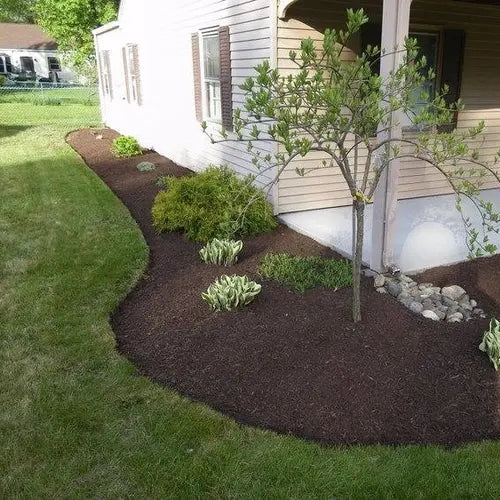
Warm brown double shredded mulch with lasting color that looks freshly applied for weeks. Spreads smooth, stays put, and gives beds a natural, polished appearance.
I recently ordered from mulch mound and was thoroughly impressed with every aspect of the experience. The entire process, from placing the order to delivery was seamless and efficient. The mulch arrived exactly on time, and the quality exceeded my expectations. The color was r...
Tell us what you're looking for
Thanks! We received your request.
Something went wrong. Please try again.
How Much Material Do I Need?
For most Waco planting beds, aim for a 3-inch layer of mulch to buffer the extreme temperature swings that Blackland Clay soils experience from winter to summer. Tree rings and large shrub beds benefit from a full 4 inches to protect the wider root zone through Waco's dry midsummer stretches.
Use our free mulch calculator
What is a yard?
A yard is approximately 27 cubic feet. As a general guideline, one yard of material can cover an area of about 100-160 square feet at a 2-3 inch depth.
We can't take orders for this right now. Tell us what you need and we'll get back to you.
What do you need?
Thanks! We received your request.
Something went wrong. Please try again.
Hand-picked local yards
4,000+ regional deliveries
Dedicated support
Why order through Mulch Mound
The best local mulch, without the guesswork.
We hand-pick and partner with the best yards in your region, keep only the ones our buyers rate well, and back each load with our guarantee.
Mulch Mound Guarantee
If your mulch isn't the quantity or quality you ordered, we'll make it right.
About this mulch
Warm brown double shredded mulch with lasting color that looks freshly applied for weeks. Spreads smooth, stays put, and gives beds a natural, polished appearance.
I recently ordered from mulch mound and was thoroughly impressed with every aspect of the experience. The entire process, from placing the order to delivery was seamless and efficient. The mulch arrived exactly on time, and the quality exceeded my expectations. The color was r...
How Much Material Do I Need?
For most Waco planting beds, aim for a 3-inch layer of mulch to buffer the extreme temperature swings that Blackland Clay soils experience from winter to summer. Tree rings and large shrub beds benefit from a full 4 inches to protect the wider root zone through Waco's dry midsummer stretches.
Use our free mulch calculator
What is a yard?
A yard is approximately 27 cubic feet. As a general guideline, one yard of material can cover an area of about 100-160 square feet at a 2-3 inch depth.
I recently ordered from mulch mound and was thoroughly impressed with every aspect of the experience. The entire process, from placing the order to...
Read full review
I recently ordered from mulch mound and was thoroughly impressed with every aspect of the experience. The entire process, from placing the order to delivery was seamless and efficient. The mulch arrived exactly on time, and the quality exceeded my expectations. The color was rich and consistent, and I received more than enough to complete my project with proper coverage and packing.
Customer service was equally outstanding. Communication was clear, and the team was responsive and professional throughout. It’s rare to find a company that delivers both a high-quality product and excellent service, but mulch mound did just that.
Highly recommended, and I wouldn’t hesitate to order from them again.
I couldn't be happier with the speed and quality of the mulch delivery service of Mulch Mound. Every detail from ordering, to communication with on...
Read full review
I couldn't be happier with the speed and quality of the mulch delivery service of Mulch Mound. Every detail from ordering, to communication with on time delivery, to perfect product placement was amazing. I needed more and I got it within 2 hours! I'm never doing this with bags again.
We had a great experience today. This was our first time using Mulch Mound, and I found the price competitive and the online ordering very easy. ...
Read full review
We had a great experience today. This was our first time using Mulch Mound, and I found the price competitive and the online ordering very easy. We are impressed with the quality of the mulch, too! It is covering well - a great value!
Measure the length and width of each bed in feet and multiply to get square footage, then divide by 100 to find how many cubic yards of mulch you need at a 3-inch depth. Waco beds near large live oaks or pecan trees often have irregular shapes, so break those areas into smaller rectangles and add the totals together. Ordering a little extra is wise since Blackland Clay beds that have cracked and settled may need more fill than you initially expect.
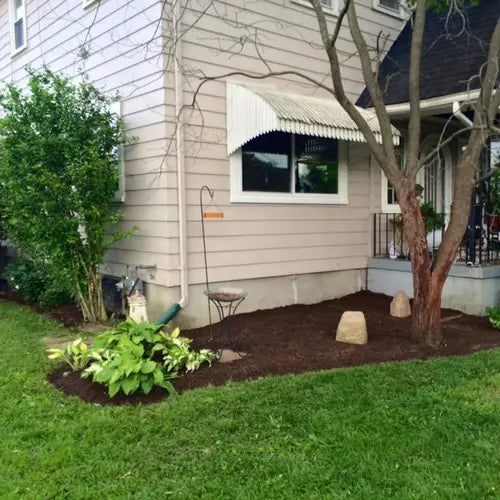
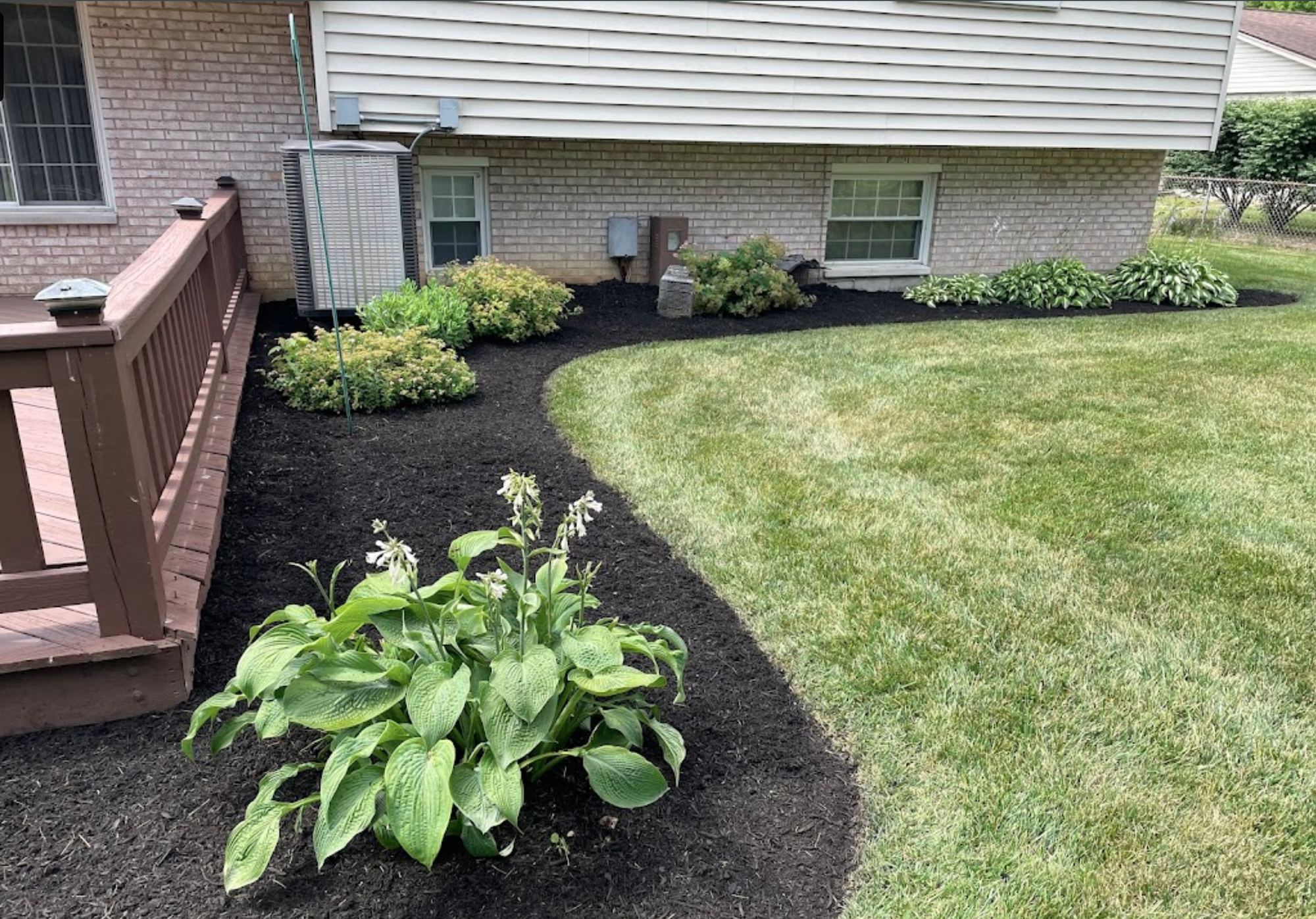
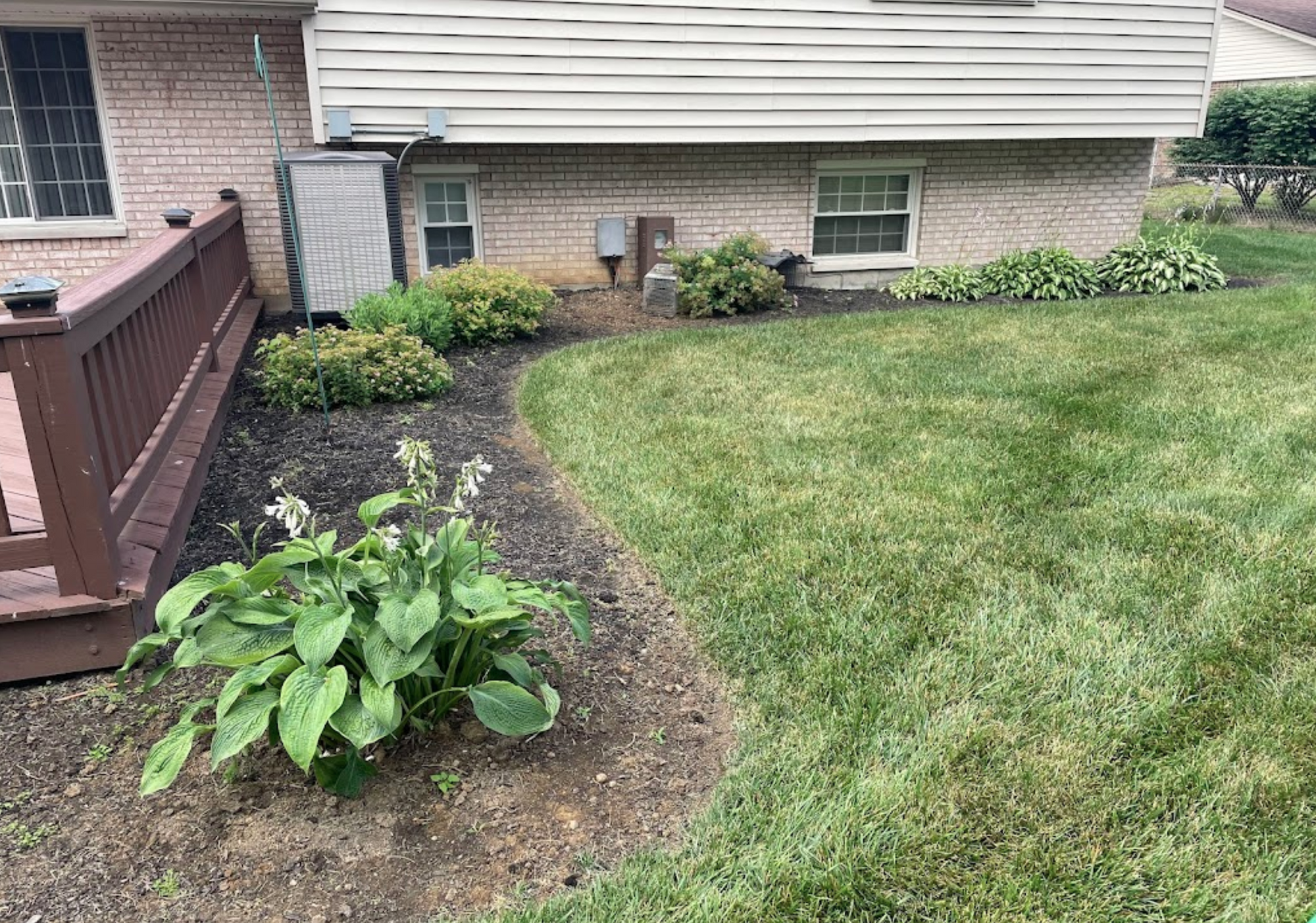
Mulch vs. No Mulch: The Difference
Waco's combination of hot summers and intermittent heavy spring rains means natural hardwood mulch breaks down relatively quickly, feeding organic matter into the notoriously nutrient-poor Blackland Clay but requiring more frequent replenishment. Dyed mulches use a processed wood base that slows decomposition, making them a better choice if you want consistent color and longer-lasting coverage through Waco's long growing season. Choosing between the two often comes down to whether your priority is improving soil health over time or maintaining a polished landscape appearance with less frequent top-dressing.
Before
After
Best Mulch Choice for Waco Lawns
Most yards in the Waco area sit on Blackland Clay type of soil. Blackland Clay soil in Waco creates a challenging environment for plant beds because it compacts so tightly that air and water struggle to penetrate to root zones, especially by late summer when the soil has dried and cracked into hard, jagged slabs.
Hardwood Mulch
Hardwood mulch is particularly beneficial on Blackland Clay because as it decomposes it releases organic acids and humus that bind to clay particles, slowly improving soil structure and making it easier for water to infiltrate rather than run straight off the hardened surface.
Mulch Types We Deliver in Waco
Mulch Mound handles bulk mulch delivery in Waco so you can order exactly the cubic yards your project needs and skip the hassle of hauling it yourself. Our mulch arrives ready to spread, with varieties chosen to hold up under the intense Central Texas heat and maintain their color and texture through the region's spring rains. Whether you are freshening a few flower beds or covering a large landscape, we bring the right material directly to your door.
Dyed Brown Mulch
Dyed Brown Mulch is the most popular choice among Waco homeowners who want beds that look freshly tended without a stark contrast. Available in double shredded style, it spreads smoothly over the region's clay-heavy soil, holds color through hot summers and heavy spring rains, and gives landscape beds a natural, polished finish.
Dyed Black Mulch
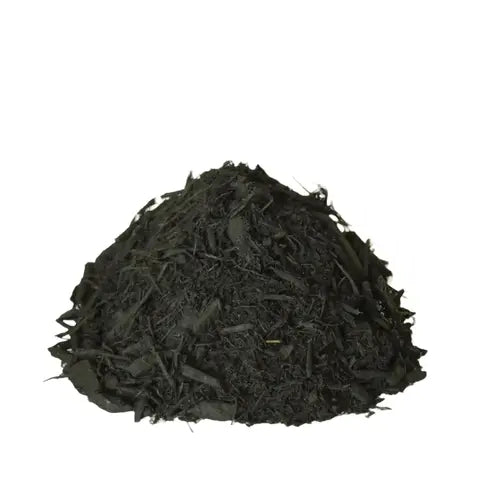
Dyed Black Mulch creates a bold, high-contrast look that makes green plants and colorful blooms pop against the bed. The double shredded texture spreads easily and the deep color stays rich through the intense Central Texas sun. It suits homeowners who want a clean, modern curb appeal without frequent reapplication.
Natural Brown Mulch
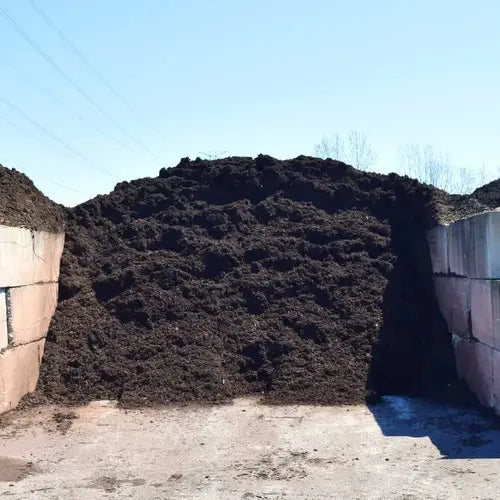
Natural Brown Mulch is a great fit for Waco properties where a straightforward, undyed look complements the warm tones of brick homes and native plantings common across Central Texas. The double shredded style breaks down over time to improve the region's dense clay soils while keeping beds tidy and weed-resistant through the growing season.
Complete Your Outdoor Mulch Project
If your beds need a better foundation before mulching, consider adding a layer of our amended garden soil to improve drainage in your Blackland Clay before you top-dress. Our decorative stone is a great pairing along bed borders and walkways where mulch tends to scatter during Waco's heavy spring rain events.
Blackland Clay in Waco stays wet for days after heavy spring rains, then bakes rock-hard by midsummer. Before spreading mulch, loosen the top inch of soil with a hand rake to break any surface crust. This simple step allows the mulch to make better contact with the soil and helps moisture from light rains actually reach your plant roots rather than running off the hardened clay surface and doing nothing for your beds.
Mulch Mound Pro Tip
Waco's last frost around March 13 can be unpredictable, and mulch is one of your best tools for protecting tender perennials from a surprise cold snap. Keep a small reserve pile nearby in early spring so you can quickly mound it around the base of cold-sensitive plants like lantana or esperanza if the forecast drops below freezing overnight. Remove the extra material once temperatures stabilize above 40 degrees consistently.
Mulch Mound Pro Tip
With 36 inches of rainfall per year hitting Waco in often intense bursts, proper bed edging is the most overlooked part of mulch installation. A clean, 3-inch-deep edged border around your beds keeps mulch from washing into the lawn during heavy downpours, which are especially common in April and May. Re-cutting your bed edges every spring before fresh mulch goes down takes less than an hour but dramatically extends how long your mulch stays exactly where you put it.
Frequently Asked Questions
Click a question to see the answer
Answer
How thick should I spread mulch over my Waco flower beds?
In Waco, a 3-inch layer is the standard recommendation because Blackland Clay soil compacts tightly and needs that depth to buffer both summer heat and the occasional cold snap before the November 15 first frost. Going thinner than 2 inches leaves roots exposed to temperature swings, while piling on more than 4 inches can trap moisture against plant crowns and cause rot, especially during Waco's wetter spring months.
Answer
Will mulch really make a difference with Waco's clay soil?
Absolutely. Blackland Clay expands when wet and shrinks when dry, creating a boom-and-bust cycle that stresses plant roots all season long. A consistent mulch layer moderates soil moisture so the clay does not dry out and crack during Waco's hot, dry July and August stretches. Over time, decomposing hardwood mulch also adds organic matter that slowly improves the clay's texture and drainage.
Answer
Does the color of dyed mulch fade quickly in Waco's summer sun?
Waco's intense summer sun, with many days exceeding 95 degrees from June through September, does accelerate fading compared to cooler climates. Black and brown dyed mulches tend to hold color better than red in direct sun. Most homeowners plan for a fresh top-dressing every spring, around the time of Waco's last frost in mid-March, to restore color before the growing season kicks into gear.
Answer
Is there a best time of year to mulch in Waco?
Late winter, right after Waco's last frost around March 13, is one of the best windows because you can refresh beds before summer heat arrives and weeds begin germinating in earnest. A second round of mulching in late October, before the November 15 first frost, helps insulate root zones through winter. Mulching in mid-summer is also effective but requires watering the beds first since Blackland Clay can become bone-dry and hydrophobic by July.
Answer
Which mulch type breaks down fastest in Waco's climate?
Finely shredded hardwood mulch decomposes the quickest in Waco's warm, humid springs and hot summers, which is great for building organic matter in Blackland Clay but means you will need to replenish it more often. Cedar and cypress mulches break down more slowly and also have natural oils that resist insects. If low maintenance is your priority, a coarser wood chip blend will last longer between applications.
Answer
Can I use mulch to help with weed control near my foundation?
Yes, and it is especially worthwhile in Waco where broadleaf weeds and bermuda grass invade beds aggressively through spring and summer. Lay a 3-inch layer over landscape fabric along your foundation to suppress weeds and reduce the amount of moisture that gets next to your slab, which matters in areas with Blackland Clay since expansive clay movement can stress foundations over time. Keep mulch at least a few inches away from the base of your home's structure.
Answer
How does Waco's rainfall affect how often I need to replace mulch?
Waco's 36 inches of annual rainfall is concentrated heavily in spring, which accelerates decomposition. Heavy rain events also scatter lightweight mulch if beds are not edged properly. Expect to add a fresh 1-to-2-inch top-dressing every 12 to 18 months to maintain adequate depth. Coarser mulch products stay in place better during the heavy downpours that are common from March through May.
The Unique Landscape of Waco
Waco's Blackland Clay soil is notorious for cracking open during summer heat and shedding water rather than absorbing it during heavy rains. A generous layer of mulch acts as a buffer between your plant beds and these extreme swings, helping roots stay cool when temperatures climb past 100 degrees in July and August. With only about 36 inches of rainfall per year spread unevenly across the seasons, moisture retention is not a luxury but a necessity for healthy Waco landscapes. Mulch also slows the germination of persistent Central Texas weeds like grass burr and nutsedge that thrive in bare, sun-baked soil. Because Waco sits in Zone 8b, plants push growth early in the season, and a proper mulch layer helps protect roots during surprise late frosts that can arrive as late as mid-March.