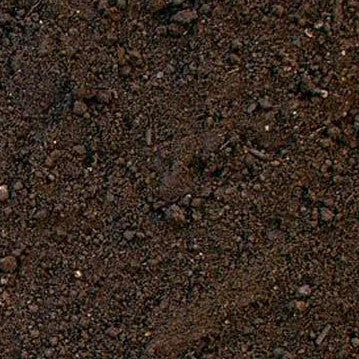
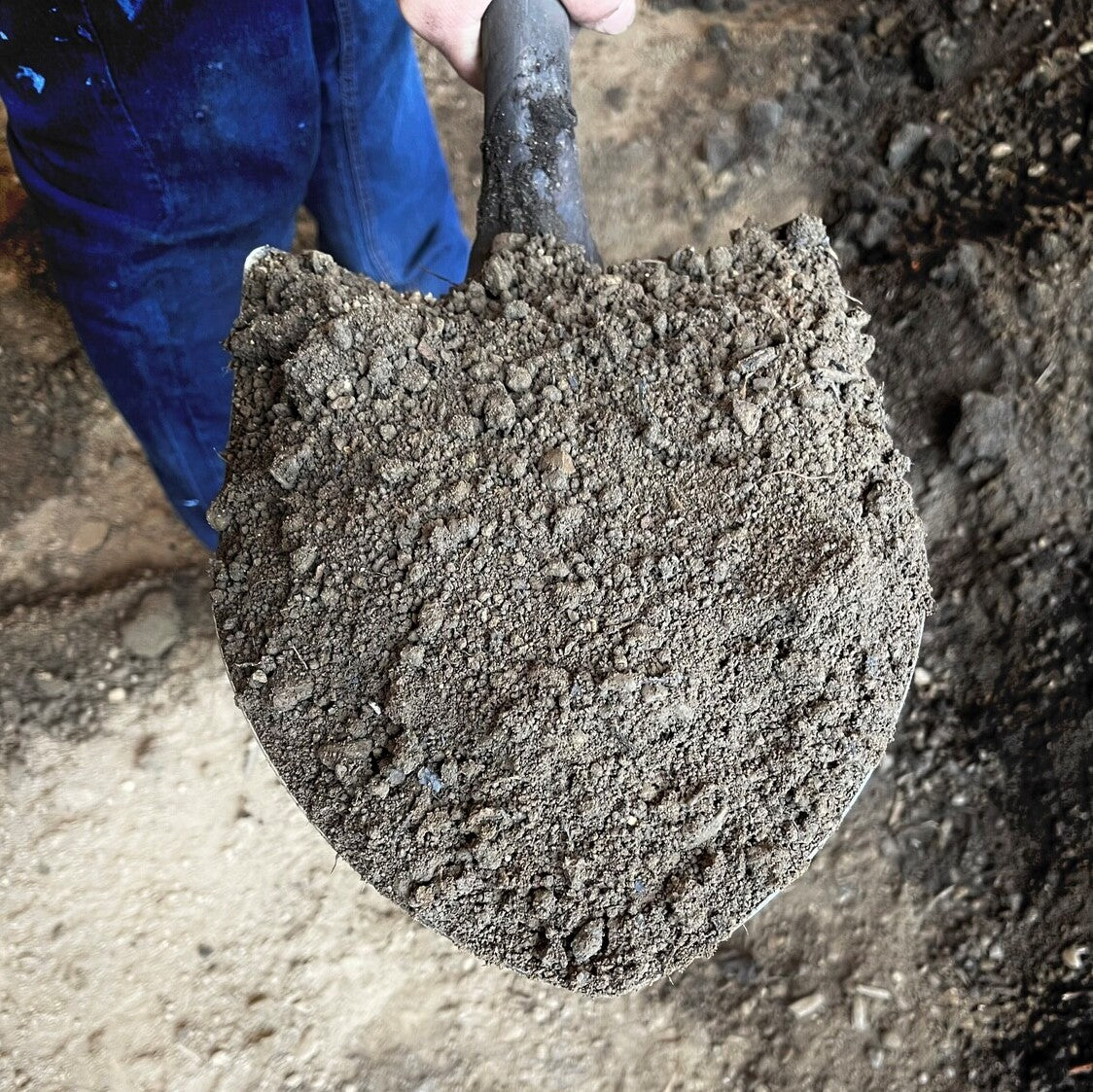
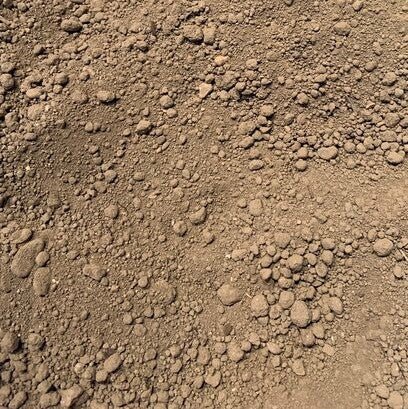
Quality topsoil for lawns, gardens, and landscape projects. Nutrient rich and ready to support strong root development and healthy plant establishment.
I got 3 yards of dirt to create a garden bed on the side of my house and to help fill my new raised garden beds. We had enough dirt to do all of this and fill some holes in the yard! Thanks 😃
Tell us what you're looking for
Thanks! We received your request.
Something went wrong. Please try again.
How Much Material Do I Need?
For new planting beds over Waco's Blackland Clay, a minimum of 6 inches of quality soil mixed into the top layer gives roots enough good growing medium to establish before hitting the dense clay beneath. Lawn leveling projects typically need between half an inch and 2 inches depending on the severity of the low spots caused by clay shrink-swell movement.
Use our free soil calculator
What is a yard?
A yard is approximately 27 cubic feet. As a general guideline, one yard of material can cover an area of about 100-160 square feet at a 2-3 inch depth.
We can't take orders for this right now. Tell us what you need and we'll get back to you.
What do you need?
Thanks! We received your request.
Something went wrong. Please try again.
Hand-picked local yards
4,000+ regional deliveries
Dedicated support
Why order through Mulch Mound
The best local soil, without the guesswork.
We hand-pick and partner with the best yards in your region, keep only the ones our buyers rate well, and back each load with our guarantee.
Mulch Mound Guarantee
If your soil isn't the quantity or quality you ordered, we'll make it right.
About this soil
Quality topsoil for lawns, gardens, and landscape projects. Nutrient rich and ready to support strong root development and healthy plant establishment.
I got 3 yards of dirt to create a garden bed on the side of my house and to help fill my new raised garden beds. We had enough dirt to do all of this and fill some holes in the yard! Thanks 😃
How Much Material Do I Need?
For new planting beds over Waco's Blackland Clay, a minimum of 6 inches of quality soil mixed into the top layer gives roots enough good growing medium to establish before hitting the dense clay beneath. Lawn leveling projects typically need between half an inch and 2 inches depending on the severity of the low spots caused by clay shrink-swell movement.
Use our free soil calculator
What is a yard?
A yard is approximately 27 cubic feet. As a general guideline, one yard of material can cover an area of about 100-160 square feet at a 2-3 inch depth.
I got 3 yards of dirt to create a garden bed on the side of my house and to help fill my new raised garden beds. We had enough dirt to do all of th...
Read full review
I got 3 yards of dirt to create a garden bed on the side of my house and to help fill my new raised garden beds. We had enough dirt to do all of this and fill some holes in the yard! Thanks 😃
Measure each bed or area you plan to fill in feet and calculate square footage before estimating depth. For lawn leveling in Waco, where Blackland Clay causes more heaving and settling than most Texas soils, budget for at least a half-inch deeper fill than you think you need. Keep your calculations handy when ordering so you can add a small buffer for uneven areas without over-ordering by a significant amount.
Soil Types We Deliver in Waco
Waco's heavy clay-dominant native soil can make it tough to establish healthy lawns, raised beds, and garden borders without bringing in quality material from outside. We deliver bulk topsoil by the yard in Waco so homeowners and landscapers can build up planting areas, fill low spots, and give new plantings the foundation they need. Orders arrive loose by the cubic yard, making it easy to scale for any project size.
Screened Top Soil
A nutrient-rich, screened topsoil that gives lawns, garden beds, and landscape borders a clean, workable base. The screening process removes rocks, clumps, and debris, leaving a fine texture that supports strong root development. It blends well with Waco's existing soil to improve structure and encourage healthy plant establishment in the region's warm growing season.
Complete Your Outdoor Soil Project
Once your soil is in place, top your beds with a 3-inch layer of hardwood mulch to protect the new growing medium from Waco's summer heat and keep moisture from escaping during dry spells. Our decorative stone works beautifully as a border edging to hold your new soil in raised beds and keep it from washing into lawn areas during heavy Central Texas downpours.
Can I just add soil on top of my Waco clay without tilling first?
You can for raised bed construction or lawn leveling where you are building up grade, but for planting beds, tilling at least 4 to 6 inches down into the Blackland Clay and mixing in new soil gives much better long-term results. When you layer new soil directly on top of dense clay without any mixing, water can pool at the boundary between the two layers because the clay below does not drain, essentially creating a bathtub effect that drowns roots during Waco's wet spring season.
Answer
How much soil do I need to level out my bumpy Waco lawn?
Most Waco lawns with moderate unevenness need between a half inch and 1 inch of topdressing soil to fill low spots. For large low areas where water pools after rain, you may need 2 to 3 inches in the deepest sections. Waco's Blackland Clay is notorious for heaving and settling due to moisture changes, so lawn leveling often needs to be done gradually over two or three seasons rather than all at once.
Answer
What kind of soil works best for raised vegetable beds in Waco?
A raised bed mix that combines quality topsoil, compost, and a drainage amendment like perlite or coarse sand works very well in Waco because it gives you total control over drainage, which the native Blackland Clay cannot provide. Vegetable crops like tomatoes, peppers, and squash all thrive in Zone 8b when planted after Waco's March 13 last frost, but they need soil that drains between waterings and still holds enough moisture to carry plants through the dry spells that arrive by late June.
Answer
When is the best time to bring in new soil for garden beds in Waco?
Late February through mid-March is ideal because you can get beds built and amended before Waco's last frost passes and planting season begins. Fall is also excellent, especially in October before the November 15 first frost, because the soil has time to settle and any compost in the mix begins breaking down before spring. Avoid bringing in and working soil during July and August if possible since the heat makes physical labor brutal and the dry Blackland Clay is hard to blend with new material.
Answer
My Waco yard stays soggy for days after rain. Will adding soil fix that?
Adding soil alone will not fix a drainage problem caused by underlying Blackland Clay, but grading the surface with quality soil to direct water away from your home and low-lying areas makes a significant difference. True drainage issues in Waco clay yards often need a combination of regrading, French drains or dry creek beds, and soil amendment addressed over several seasons. Start with improving your surface grade and see how the yard responds after a few of Waco's heavy spring rains.
Answer
Is local Waco topsoil good, or should I bring in soil from somewhere else?
Native Waco topsoil, where it still exists, is actually reasonably fertile because the Blackland Prairie was historically some of the most productive farmland in Texas. The problem is that most Waco residential lots had their topsoil stripped during construction. Bringing in blended topsoil or a garden mix gives you predictable texture and nutrient content without the variability of whatever native material may still remain on your lot.
Answer
How do I figure out how many cubic yards of soil to order for my project?
Multiply your area's length in feet by its width in feet, then multiply by the intended depth in feet and divide by 27 to convert to cubic yards. For example, a 10-foot by 20-foot bed filled 6 inches deep needs about 3.7 cubic yards. In Waco, it is always smart to round up slightly because Blackland Clay beds often have more sunken or uneven spots than they appear to have once you actually start working the ground.
Mulch Mound Pro Tip
When building raised vegetable beds in Waco, do not skip loosening the Blackland Clay underneath before adding your new soil. Clay that is left undisturbed acts as a nearly impermeable layer, and during Waco's heavy spring rains a raised bed can literally fill with standing water if the base has no drainage path. Punch through at least 6 inches of clay with a digging fork before laying new soil to give excess water somewhere to escape.
Mulch Mound Pro Tip
Waco lawns of bermuda or St. Augustine grass need careful timing when you add topdressing soil. Apply it when the grass is actively growing, between late April and early August, so the turf can push up through the new material quickly. Applying soil to dormant bermuda grass in December or January can suffocate it if the layer is more than a half inch thick, which is a common mistake first-time Waco homeowners tend to make.
Mulch Mound Pro Tip
Mix a small portion of organic compost into your bulk landscape soil at a ratio of roughly one part compost to four parts soil before filling your beds. Waco's Blackland Clay naturally has decent mineral content but is low in organic matter, and starting new beds with compost already blended in gives transplants a much easier first few months while they establish root systems in an unfamiliar growing medium.
The Unique Landscape of Waco
Waco's native Blackland Clay is one of the most challenging soils for home landscaping because it drains poorly after heavy spring rains and becomes almost cement-like by mid-July when rainfall drops off. Most residential lots in Waco also deal with uneven grades left behind by construction grading that stripped away any topsoil originally present. Brought-in bulk landscape soil gives you the ability to start fresh with a workable growing medium that your plants can actually root into without fighting the underlying clay. Whether you are building raised vegetable beds, leveling a patchy lawn, or establishing new planting areas, quality soil sets the foundation for everything else you grow. With Waco's growing season stretching from March 13 to November 15, having nutrient-rich soil in place before that first warm spell means your plants hit the ground running.