


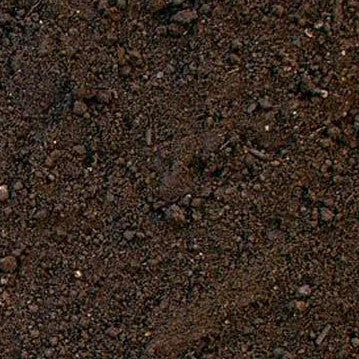
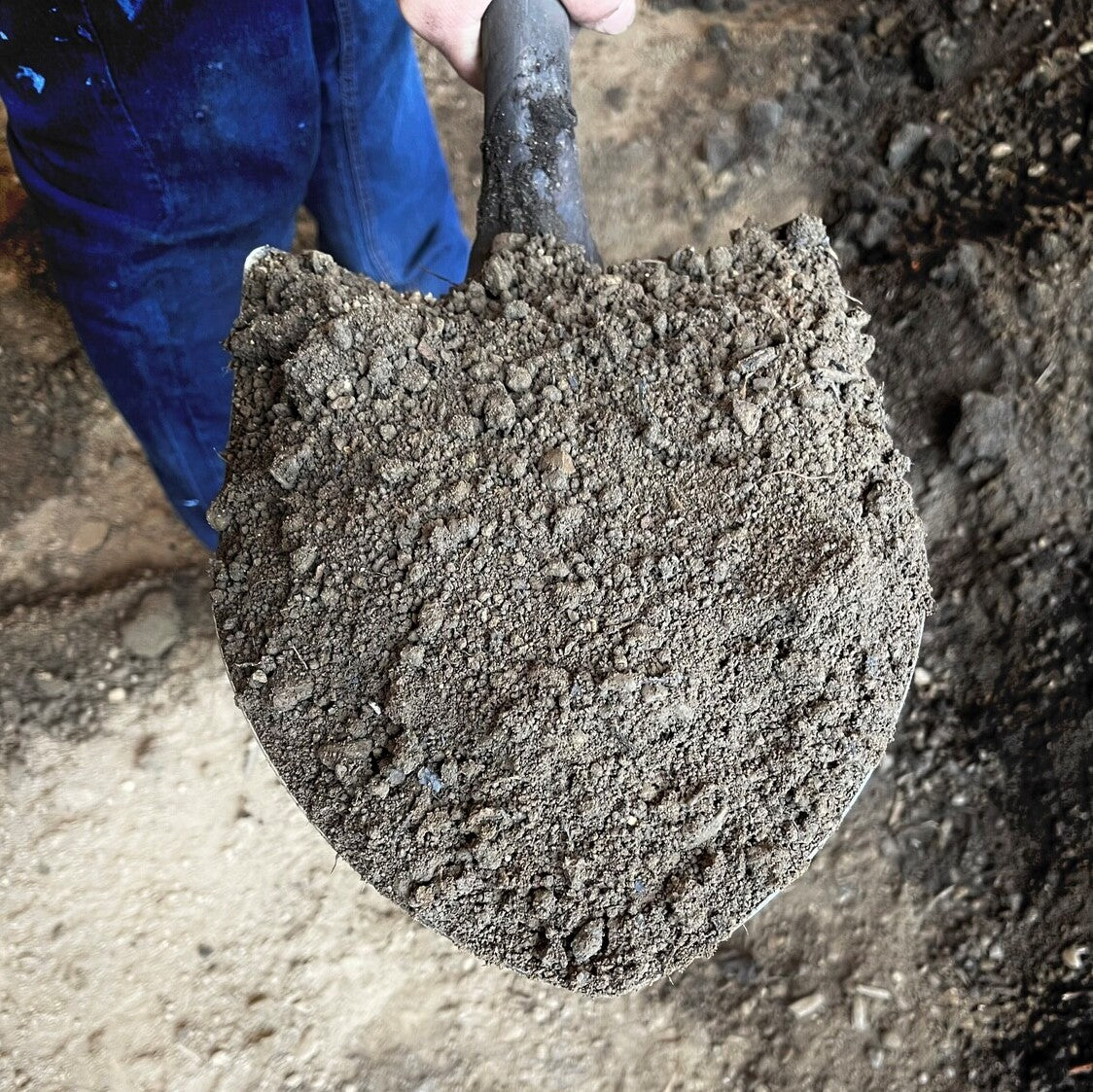


Ordered Dirt. Received Dirt. Would Buy Again.


 +1
+1
Ordered Dirt. Received Dirt. Would Buy Again.
Thanks! We received your request.
Something went wrong. Please try again.
Couldn't load pickup availability
Ordered Dirt. Received Dirt. Would Buy Again.
For new planting beds over Waco's Blackland Clay, a minimum of 6 inches of quality soil mixed into the top layer gives roots enough good growing medium to establish before hitting the dense clay beneath. Lawn leveling projects typically need between half an inch and 2 inches depending on the severity of the low spots caused by clay shrink-swell movement.
Use our free soil calculator
Thanks! We received your request.
Something went wrong. Please try again.
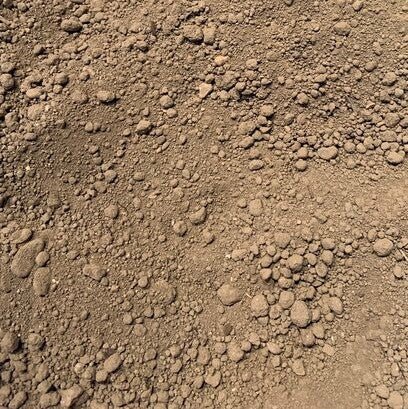
Getting started is easy — just follow these simple steps
Make sure you adjust the quantity to your home's needs. You can use our calculator to estimate how much you'll need.
Select a delivery date you'd like for the product to be dropped off at your home
Sit back, wait, and let us work our magic to make sure the highest quality product is delivered to your driveway.
Ordered Dirt. Received Dirt. Would Buy Again.
+1
So Easy! So Cheap! So doing this again next year!
Really appreciate the care and follow thru that this company had with our order. A hiccup came up but they were quick to respond and address all co...
Really appreciate the care and follow thru that this company had with our order. A hiccup came up but they were quick to respond and address all concerns, which made our garden day a success! Thank you for your prompt care.

Use our NEW Trace from Satellite tool to get an estimate for your project based on an aerial view of your property
Try Our CalculatorMeasure each bed or area you plan to fill in feet and calculate square footage before estimating depth. For lawn leveling in Waco, where Blackland Clay causes more heaving and settling than most Texas soils, budget for at least a half-inch deeper fill than you think you need. Keep your calculations handy when ordering so you can add a small buffer for uneven areas without over-ordering by a significant amount.
Once your soil is in place, top your beds with a 3-inch layer of hardwood mulch to protect the new growing medium from Waco's summer heat and keep moisture from escaping during dry spells. Our decorative stone works beautifully as a border edging to hold your new soil in raised beds and keep it from washing into lawn areas during heavy Central Texas downpours.
When building raised vegetable beds in Waco, do not skip loosening the Blackland Clay underneath before adding your new soil. Clay that is left undisturbed acts as a nearly impermeable layer, and during Waco's heavy spring rains a raised bed can literally fill with standing water if the base has no drainage path. Punch through at least 6 inches of clay with a digging fork before laying new soil to give excess water somewhere to escape.
Waco lawns of bermuda or St. Augustine grass need careful timing when you add topdressing soil. Apply it when the grass is actively growing, between late April and early August, so the turf can push up through the new material quickly. Applying soil to dormant bermuda grass in December or January can suffocate it if the layer is more than a half inch thick, which is a common mistake first-time Waco homeowners tend to make.
Mix a small portion of organic compost into your bulk landscape soil at a ratio of roughly one part compost to four parts soil before filling your beds. Waco's Blackland Clay naturally has decent mineral content but is low in organic matter, and starting new beds with compost already blended in gives transplants a much easier first few months while they establish root systems in an unfamiliar growing medium.
Waco's native Blackland Clay is one of the most challenging soils for home landscaping because it drains poorly after heavy spring rains and becomes almost cement-like by mid-July when rainfall drops off. Most residential lots in Waco also deal with uneven grades left behind by construction grading that stripped away any topsoil originally present. Brought-in bulk landscape soil gives you the ability to start fresh with a workable growing medium that your plants can actually root into without fighting the underlying clay. Whether you are building raised vegetable beds, leveling a patchy lawn, or establishing new planting areas, quality soil sets the foundation for everything else you grow. With Waco's growing season stretching from March 13 to November 15, having nutrient-rich soil in place before that first warm spell means your plants hit the ground running.
Explore other options for landscape supply delivery in Waco, Texas


