





About this mulch

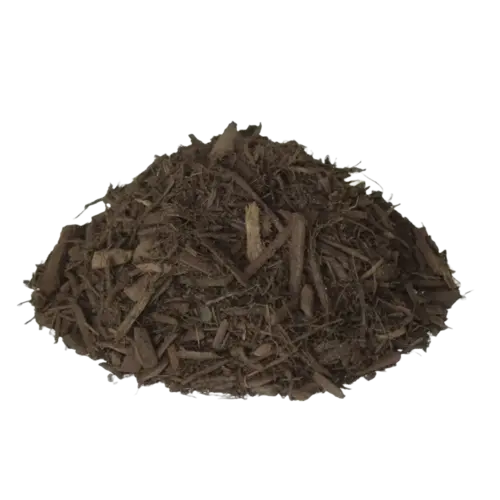
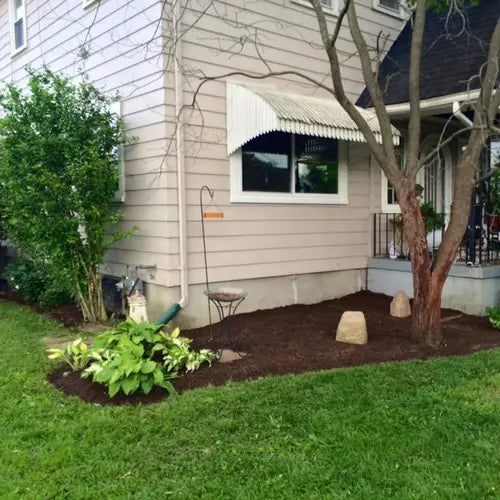
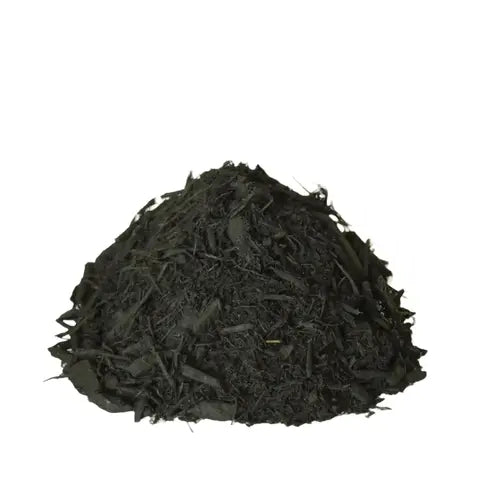
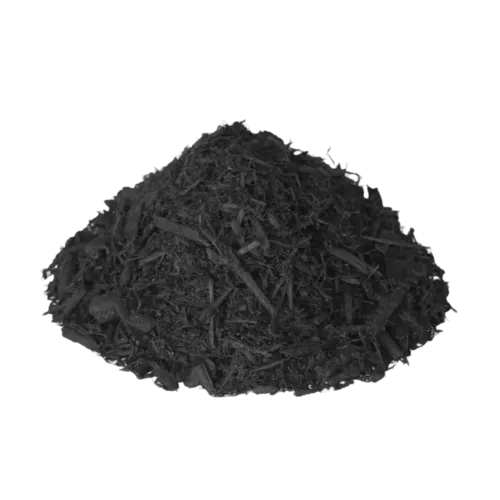
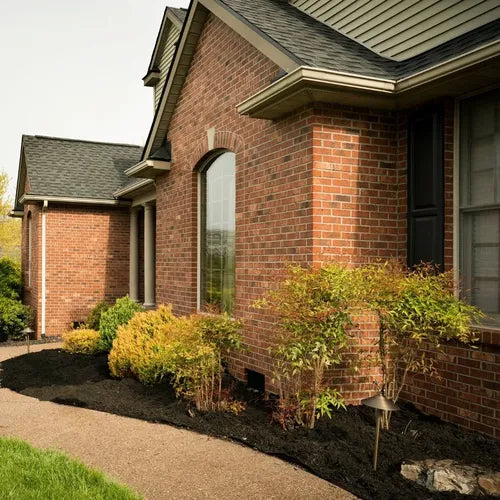
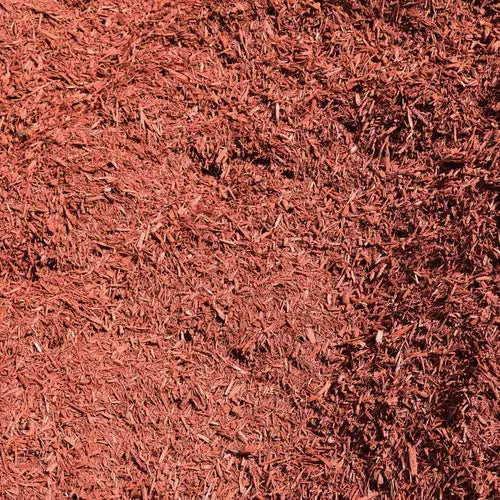
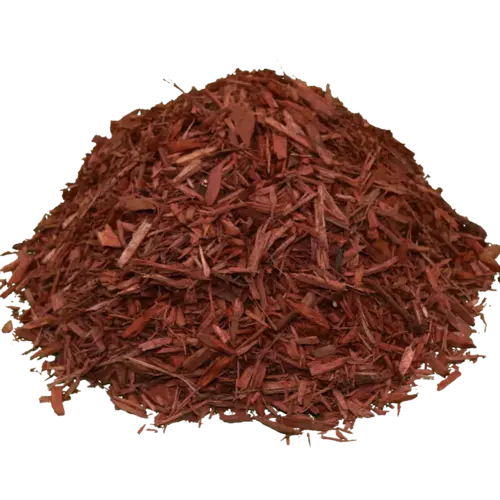
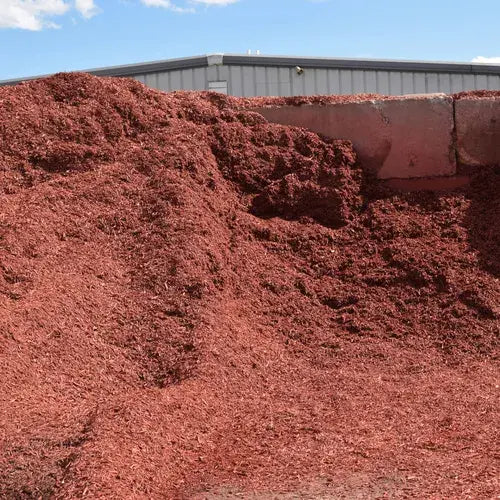
Warm brown double shredded mulch with lasting color that looks freshly applied for weeks. Spreads smooth, stays put, and gives beds a natural, polished appearance.

A GREAT experience! The ordering process was clear and easy. The price was real good and delivery was right on the drive as asked and on time. It is a real nice product and I had the bags before this product is so much nicer and no bags to deal with or loading and unloading th...

Warwick Mulch Delivery

Warwick Mulch Delivery

4.7
120 reviews
Regular price $55.00 per yard
Regular price Sale price $55.00
Sale Sold out
Color
Style
Minimum of 3
1 tree planted for every order

About this mulch

Warm brown double shredded mulch with lasting color that looks freshly applied for weeks. Spreads smooth, stays put, and gives beds a natural, polished appearance.

A GREAT experience! The ordering process was clear and easy. The price was real good and delivery was right on the drive as asked and on time. It is a real nice product and I had the bags before this product is so much nicer and no bags to deal with or loading and unloading th...

For most Warwick planting beds, 3 inches of mulch is the recommended depth given the fast-draining nature of local sandy loam soil. Beds with perennials or shrubs that are sensitive to frost may benefit from a 4-inch layer applied before the October 24 first frost date.
Use our free mulch calculator

A yard is approximately 27 cubic feet. As a general guideline, one yard of material can cover an area of about 100-160 square feet at a 2-3 inch depth.

View full details

How It Works

Getting started is easy — just follow these simple steps

1

Choose your Mulch

Make sure you adjust the quantity to your home's needs. You can use our calculator to estimate how much you'll need.

2

Select your delivery date

Select a delivery date you'd like for the product to be dropped off at your home

3

Sit back and wait

Sit back, wait, and let us work our magic to make sure the highest quality product is delivered to your driveway.

What Warwick Customers Are Saying

4.7
out of 5 based on 120 reviews
Google Reviews

Calculate mulch for your Warwick project

For Warwick's Sandy Loam type of soil, we recommend 2-3 inches for best weed suppression and moisture retention

Try Our Calculator
📍

Measure the length and width of each garden bed in feet and multiply to get square footage. With Warwick's sandy loam soil, we recommend planning for a full 3-inch depth rather than the standard 2 inches to compensate for faster moisture loss. Divide your total cubic feet by 27 to convert to cubic yards, which is how bulk mulch is sold.

Mulch vs. No Mulch: The Difference

Warwick's wet spring seasons and humid summers create conditions where mulch breaks down faster than in drier climates, which affects how you choose between natural and dyed options. Natural hardwood mulch decomposes into the soil and improves Warwick's sandy loam over time, making it a practical long-term investment for plant health. Dyed mulch breaks down at a similar rate but does not add the same organic value to the soil, so its main benefit is color consistency for curb appeal rather than soil improvement.

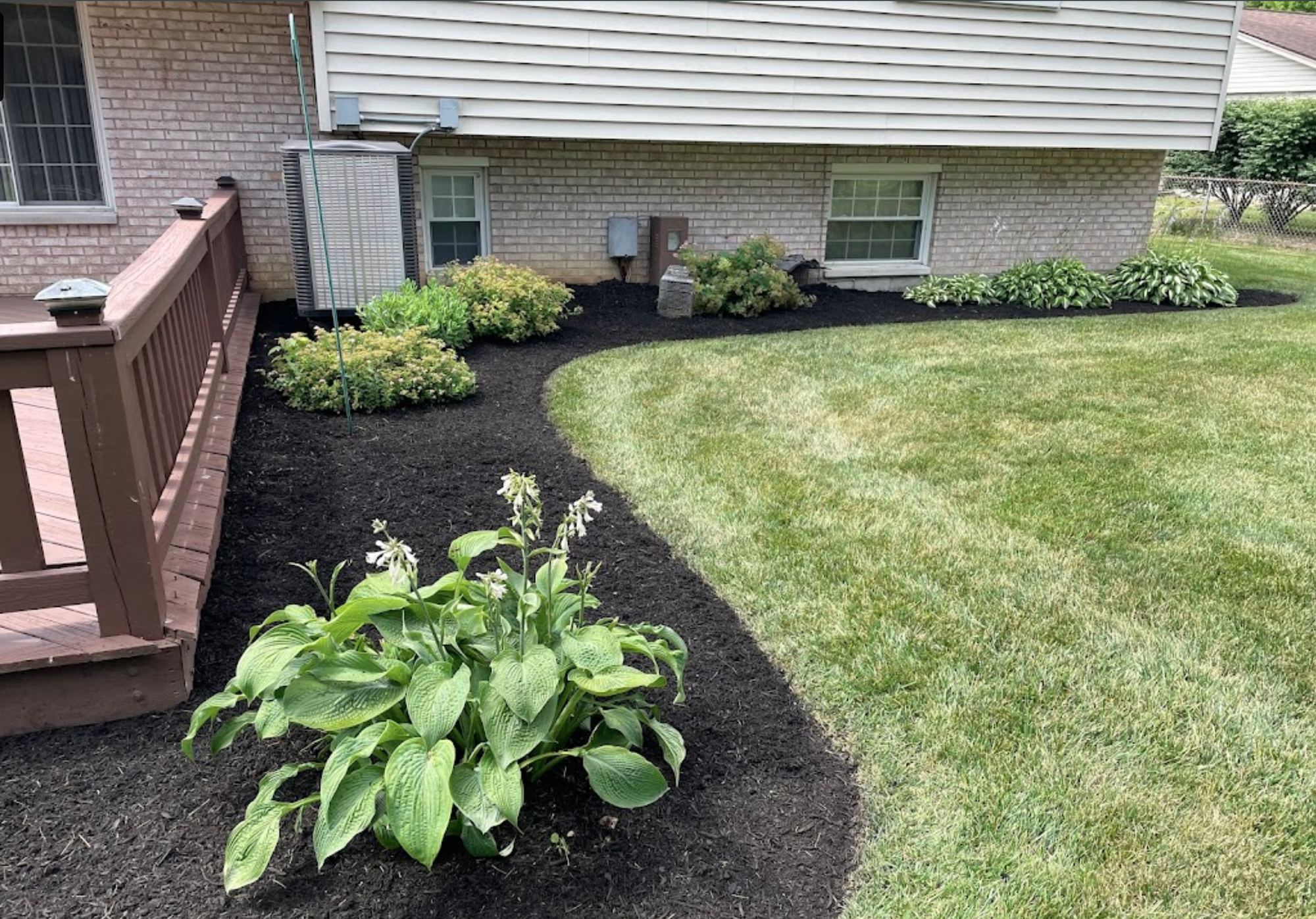
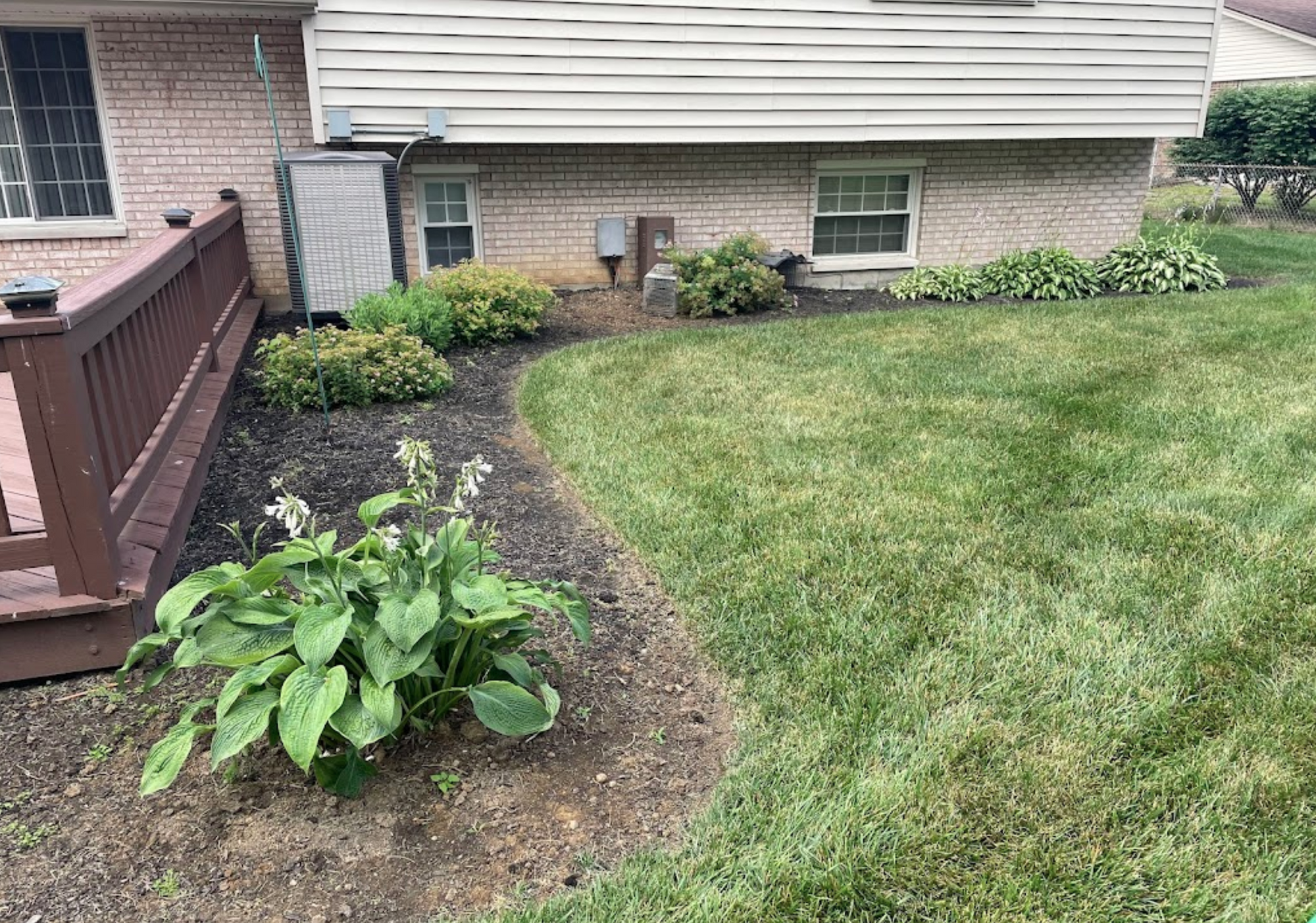
Before image
After image
Slider handle
Before
After

Complete Your Outdoor Mulch Project

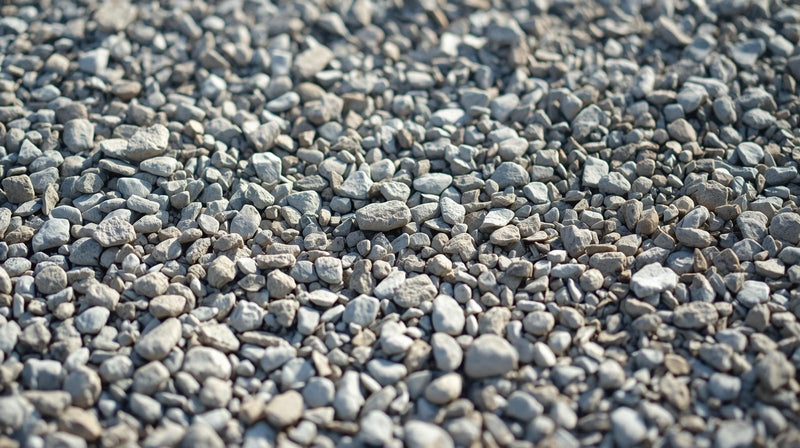
If you are also building up garden beds or fixing low spots in your yard, pairing mulch with a quality topsoil or garden soil blend is a smart move for Warwick's sandy loam conditions. Decorative stone is a great complement for edging paths or creating low-maintenance zones alongside mulched beds.

Map of Warwick, Rhode Island

Areas we deliver mulch in Warwick, Rhode Island

See All Locations
Mulch Mound Pro Tip

Warwick's sandy loam soil has a low organic matter content by nature, which means it benefits greatly from mulch that decomposes over time. When you top off your beds each season, rake back the old layer first and check how much has broken down into the soil. That decomposed material is actively improving your soil structure, so do not discard it. Add fresh mulch on top and let the process continue building a healthier bed year after year.

Mulch Mound Pro Tip

Timing your mulch application around Warwick's frost dates makes a real difference for plant survival. In spring, wait until after May 1 to mulch annual beds so the soil can warm up fully before you trap cooler temperatures beneath. In fall, apply a fresh layer by mid-October, a couple of weeks before the average October 24 first frost, so roots have that insulation buffer going into the coldest months of the Zone 6b season.

Mulch Mound Pro Tip

With 45 inches of rainfall per year, Warwick landscapes receive a significant amount of moisture moving through the soil regularly. Make sure your mulch layer is not piled against plant stems or tree trunks, because that trapped moisture in a wet climate accelerates rot and can invite fungal issues. Keep mulch pulled back 2 to 3 inches from any woody stems and maintain a slight outward slope so water drains away from crowns rather than pooling at the base.

Frequently Asked Questions

Click a question to see the answer

Answer

How much mulch do I need for my garden beds in Warwick?

A standard application for Warwick garden beds is 3 inches deep, which balances moisture retention with airflow. Because Warwick's sandy loam drains quickly, skimping to 2 inches often leaves beds drying out between rain events. Use our calculator with your bed dimensions and a 3-inch depth to get a reliable estimate in cubic yards.

Answer

What type of mulch holds up best through Warwick's wet springs and dry summers?

Natural hardwood mulch performs well through Warwick's variable seasons. It absorbs spring rain without washing away easily, and during summer dry periods it retains soil moisture better than thin or fine-particle alternatives. It also breaks down gradually, feeding Warwick's sandy loam with organic matter that the soil naturally lacks.

Answer

When is the best time to apply mulch in Warwick?

The two best windows for Warwick homeowners are late spring after May 1 when frost risk has passed and soil is warming, and mid-fall before the October 24 first frost arrives. Spring application locks in soil warmth and slows early weed germination. Fall application insulates roots through winter and reduces freeze-thaw heaving in Zone 6b conditions.

Answer

Will dyed mulch fade quickly given Warwick's weather?

Warwick gets about 45 inches of rainfall per year spread across all seasons, and UV exposure from summer sun both contribute to color fading in dyed mulch. Most homeowners in the area notice significant fading by the end of the first season. If consistent color is important to you, plan to refresh dyed mulch annually, or consider natural hardwood mulch whose appearance blends naturally into the landscape as it ages.

Answer

Can mulch help protect my plants through a Warwick winter?

Yes, applying 3 to 4 inches of mulch before the October 24 first frost date helps insulate root zones against Zone 6b temperature dips. Sandy loam soil loses heat faster than clay-heavy soils, so that insulation layer is especially valuable in Warwick. Pull the mulch a few inches back from plant crowns to prevent rot during the wet winter months.

Answer

How often do I need to replenish mulch in Warwick?

Most Warwick homeowners find that hardwood mulch breaks down enough to need topping off every one to two years. The decomposition rate is influenced by Warwick's moisture levels and seasonal temperature swings. Rather than fully replacing old mulch, you can often just add an inch or two on top once the existing layer has compressed below 2 inches.

Answer

Will mulch wash away during heavy rain in flatter parts of Warwick?

In flatter areas of Warwick, standing water and runoff are more common after heavy rain events. Shredded hardwood mulch pieces interlock as they settle and resist displacement better than bark nuggets or large wood chips. For beds near slopes or drainage channels, shredded mulch applied at the right depth is the most reliable choice for staying in place through a typical Warwick rainstorm.

The Unique Landscape of Warwick

Warwick's sandy loam soil drains quickly, which means plant beds can lose moisture fast during dry stretches even with the area's 45 inches of annual rainfall. A proper layer of mulch acts as a buffer, slowing evaporation and keeping root zones consistently moist between rain events. In Zone 6b, soil temperatures swing significantly between seasons, and mulch helps moderate those swings, protecting shallow roots from late spring conditions that can persist near the May 1 average last frost date. Decomposing organic mulch also adds valuable organic matter back into sandy loam over time, gradually improving its structure and nutrient-holding capacity. Weed pressure is a real challenge in Warwick gardens, and a thick mulch layer reduces the sunlight and space that weed seeds need to germinate. Keeping beds consistently mulched is one of the most effective maintenance habits a Warwick homeowner can build.