







Great service. We ordered topsoil from Mulch Mound and the best experience. Thank you so much!
About this soil
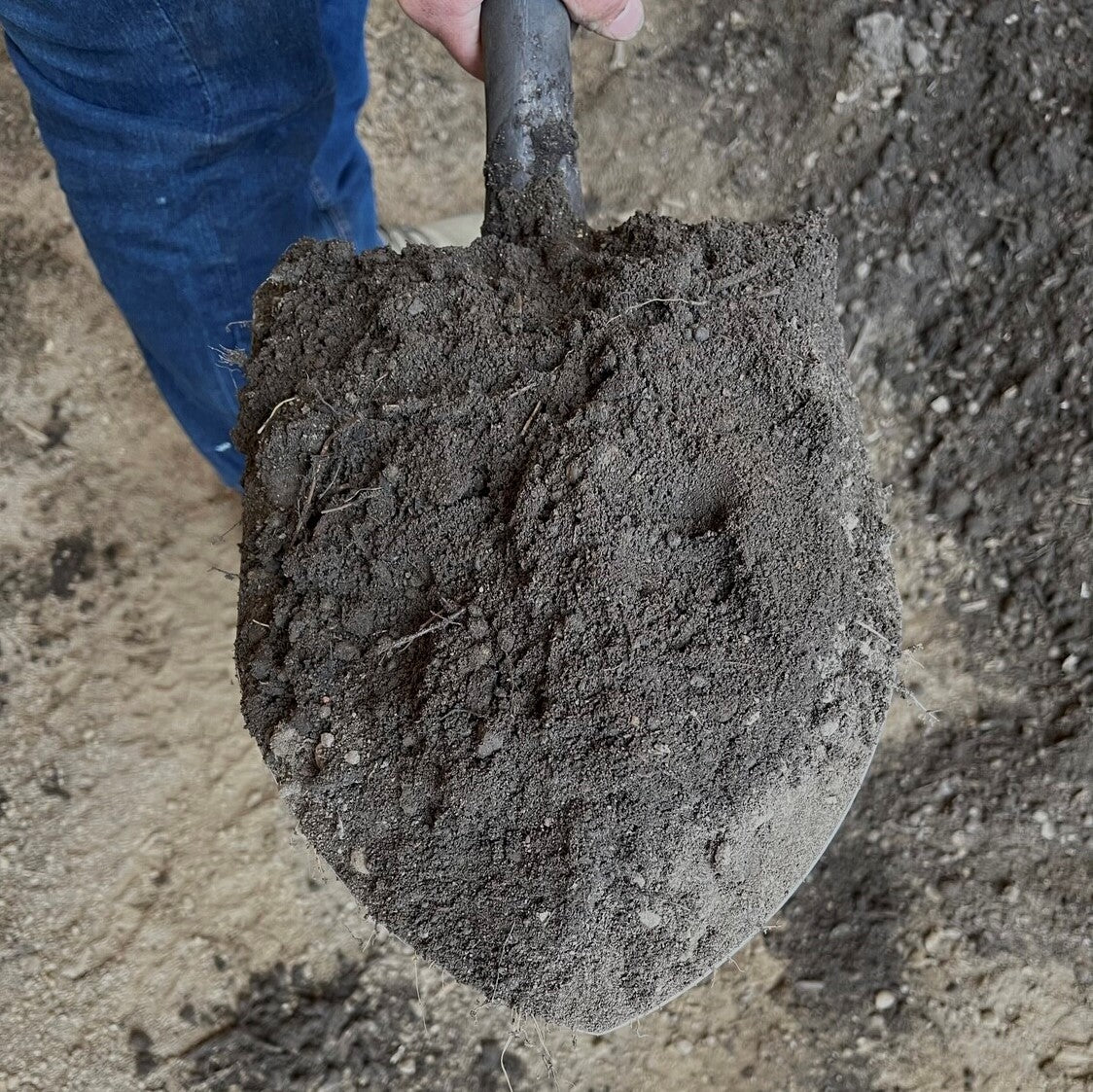
Quality topsoil for lawns, gardens, and landscape projects. Nutrient rich and ready to support strong root development and healthy plant establishment.
Great service. We ordered topsoil from Mulch Mound and the best experience. Thank you so much!
Tell us what you're looking for
Thanks! We received your request.
Something went wrong. Please try again.
How Much Material Do I Need?
How Much Material Do I Need?
For lawn leveling in Warwick, plan for half an inch to 1 inch of screened topsoil across problem areas, keeping in mind that the sandy loam underneath will allow the new soil to settle more than in heavier soil regions. Raised beds and new garden plots typically need 10 to 12 inches of a blended garden soil to give roots a productive growing zone through the full Zone 6b season.
Use our free soil calculator
What is a yard?
What is a yard?
FAQs
FAQs
Warwick Soil Delivery
Warwick Soil Delivery
Regular price
$74.00
per
yard
Regular price
Sale price
$74.00
Unit price
per
Shipping calculated at checkout.
Minimum of 3 yard
Couldn't load pickup availability
Not currently available
We can't take orders for this right now. Tell us what you need and we'll get back to you.
Hand-picked local yards
4,000+ regional deliveries
Dedicated support
Why order through Mulch Mound
The best local soil, without the guesswork.
We hand-pick and partner with the best yards in your region, keep only the ones our buyers rate well, and back each load with our guarantee.
Mulch Mound Guarantee
If your soil isn't the quantity or quality you ordered, we'll make it right.
About this soil
Quality topsoil for lawns, gardens, and landscape projects. Nutrient rich and ready to support strong root development and healthy plant establishment.
Great service. We ordered topsoil from Mulch Mound and the best experience. Thank you so much!
How Much Material Do I Need?
How Much Material Do I Need?
For lawn leveling in Warwick, plan for half an inch to 1 inch of screened topsoil across problem areas, keeping in mind that the sandy loam underneath will allow the new soil to settle more than in heavier soil regions. Raised beds and new garden plots typically need 10 to 12 inches of a blended garden soil to give roots a productive growing zone through the full Zone 6b season.
Use our free soil calculator
What is a yard?
What is a yard?
FAQs
FAQs
Tell us what you're looking for
Thanks! We received your request.
Something went wrong. Please try again.

How It Works
Getting started is easy — just follow these simple steps
1
Choose your soil
Make sure you adjust the quantity to your home's needs. You can use our calculator to estimate how much you'll need.
2
Select your delivery date
Select a delivery date you'd like for the product to be dropped off at your home
3
Sit back and wait
Sit back, wait, and let us work our magic to make sure the highest quality product is delivered to your driveway.

Placing an order online was so easy. Delivery was on time. When the driver realized we had a newly poured driveway they erred on the side of cautio...
Read full review
Placing an order online was so easy. Delivery was on time. When the driver realized we had a newly poured driveway they erred on the side of caution and opted not ti drive in it. The company even sent me a message explaining that call. Would recommend!

Online ordering was really simple and I liked the transparent pricing.
Need Help Calculating How Much Soil You Need?
Use our NEW Trace from Satellite tool to get an estimate for your project based on an aerial view of your property
Try Our CalculatorFor lawn leveling, measure your target areas in square feet and estimate the average fill depth needed in inches, then convert to cubic yards using our calculator. Warwick's sandy loam settles more than clay-heavy soils, so order a small buffer of 10 to 15 percent extra for areas that may need a second pass. For raised beds, simply multiply length by width by depth in feet and divide by 27.
Soil Types We Deliver in Warwick
Whether you are filling raised beds or refreshing tired lawn areas, Mulch Mound makes bulk soil delivery by the yard in Warwick simple and straightforward. The coastal New England climate and often sandy or compacted native soils here mean the right amendment can make a real difference in how well your plants perform. We deliver by the cubic yard so you get exactly what your project needs, no more and no less.
Screened Top Soil
Our screened topsoil arrives clean and ready to use, making it a top choice for lawn repairs, new garden beds, and general grading around the yard. The screened finish removes rocks and debris so you get a smooth, workable product that supports strong root development and healthy plant establishment from the start.
Garden Compost
Rich and fully finished, our garden compost is packed with organic matter that feeds soil biology and builds lasting fertility. It works well mixed into planting beds where years of lawn care have left the soil dense and depleted, improving both water retention and nutrient availability for everything you grow.
Gardening Blend
A balanced mix of topsoil and organic amendments, our gardening blend is a reliable choice for raised beds, flower gardens, and new planting areas. It drains well, holds enough moisture for New England's variable spring and summer weather, and is easy to work whether you are planting perennials or annuals.
Complete Your Outdoor Soil Project
Once your soil is in place, topping garden beds with a quality mulch is the best way to protect Warwick's sandy loam from drying out between rain events and reduce weed pressure through the growing season. Decorative stone works well as a border material around new beds, helping define edges and prevent mulch and soil from spreading onto lawns or walkways.


Service area
Areas we deliver soil in Warwick, Rhode Island
Mulch Mound Pro Tip
Warwick's growing season runs from around May 1 to October 24, giving you roughly 176 days to grow. Getting soil work done before the last frost date means your beds are settled, amended, and ready to plant the moment conditions allow. If you are putting in a new vegetable garden, a soil delivery in late April gives you time to mix, rake, and let the bed breathe before transplants go in.
Mulch Mound Pro Tip
Sandy loam soil in Warwick can lose nutrients faster than you expect because water moves through it relatively quickly, carrying soluble nutrients down and away from root zones. When building or amending beds with bulk soil, look for a blend that includes composted material rather than just screened fill. That organic fraction slows nutrient movement and helps retain moisture, making your watering and fertilizing efforts go further through the summer.
Mulch Mound Pro Tip
Warwick's 45 inches of annual rainfall is spread across the year, but spring tends to bring the heaviest stretches of wet weather. If you are having soil delivered for a new bed or grading project, plan your spreading and raking for a dry window before the next rain event. Newly delivered bulk soil that gets saturated before it is worked can compact and form a surface crust, which slows seedling emergence and makes hand-raking significantly harder.
The Unique Landscape of Warwick
Warwick's native sandy loam soil drains well but struggles to hold nutrients and moisture at a level that supports lush lawns and productive garden beds without amendment. Homeowners dealing with patchy grass, sunken areas in the yard, or struggling vegetable gardens often trace the problem back to the sandy loam's limited water and nutrient retention. Bulk topsoil and garden soil blends allow Warwick residents to build up planting areas with a richer, more balanced growing medium that compensates for what the native soil lacks. Raised bed gardening has become increasingly popular in Warwick because it lets gardeners work with purpose-blended soil rather than fighting the native conditions. With a growing season that runs from around May 1 to October 24, getting soil in good shape early in spring is critical to making the most of Zone 6b's full growing window. Whether you are leveling a lawn, building new beds, or topping off raised planters, a quality soil delivery gives your landscape a measurable head start.