




About this mulch

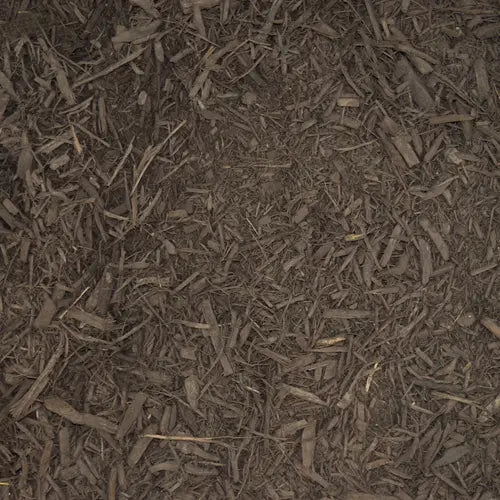
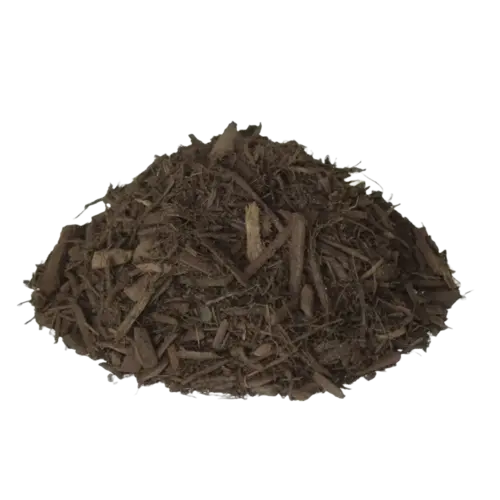
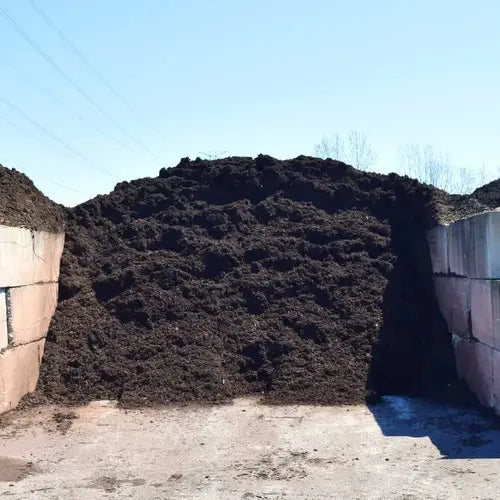
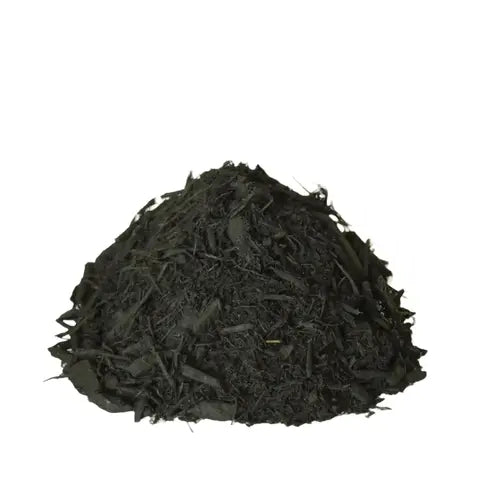
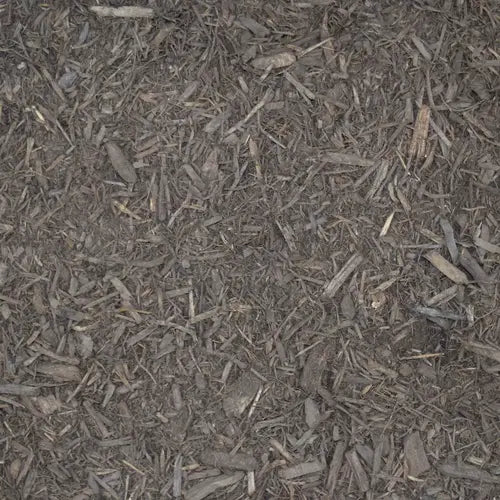
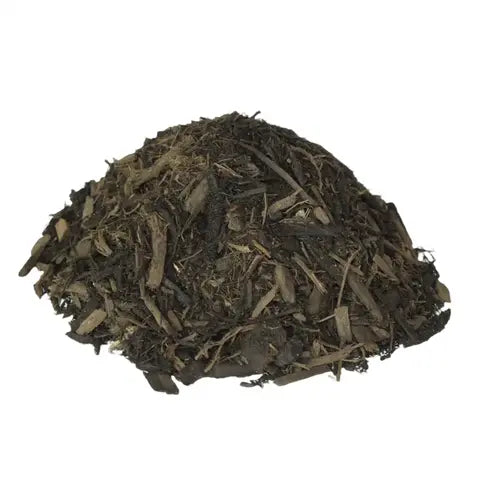
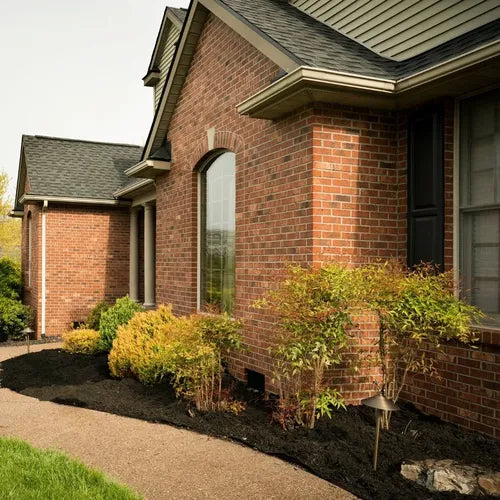
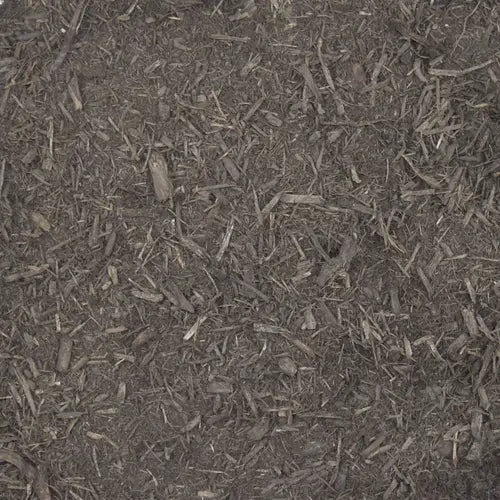
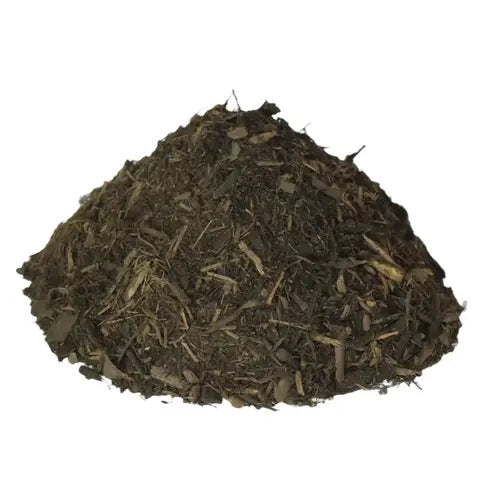
Double-shredded mulch dyed a rich, even brown that holds its color through the season.

UPDATE!

I can’t say enough good things about Mulch Mound! If you read my review below you will see I had a problem with my order. Mulch Mound was quick to respond and solved the issue with my delivery. Will definitely be a customer next year.

First time purchase...

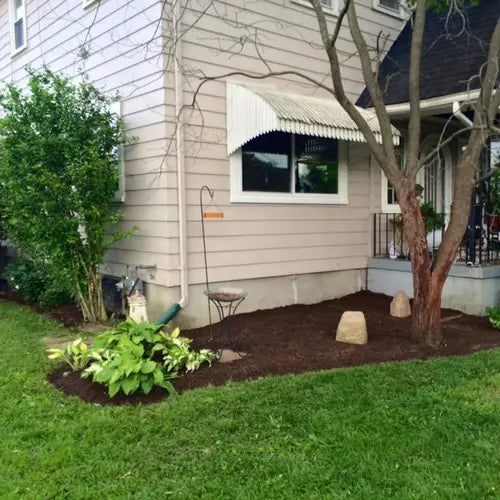
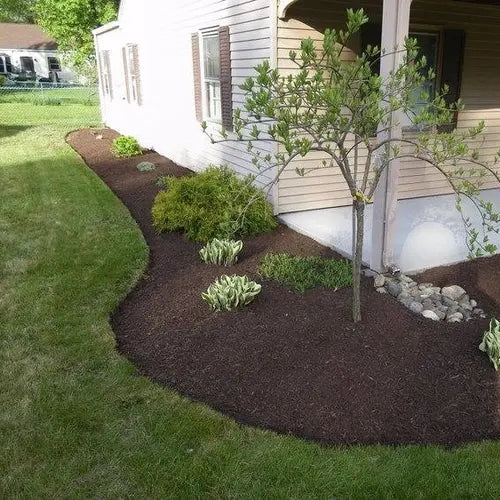
Three inches is the standard depth for Washington beds, which is enough to hold moisture through August dry spells and block weeds. Around trees and shallow rooted shrubs stay closer to two inches and never pile mulch against trunks.
Use our free mulch calculator

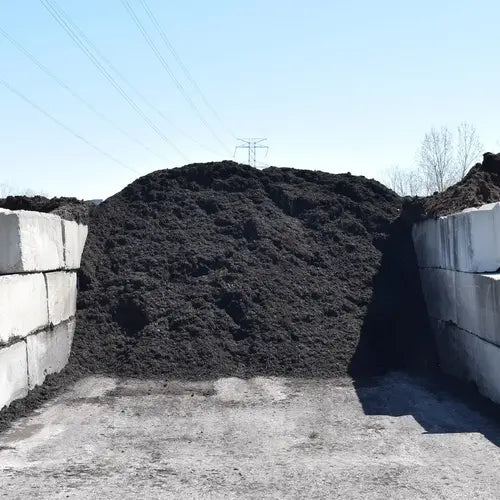
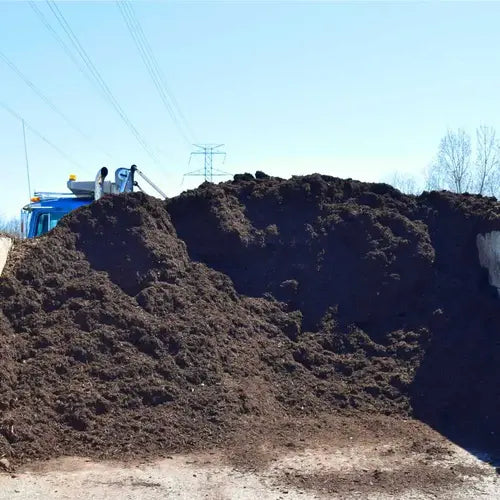
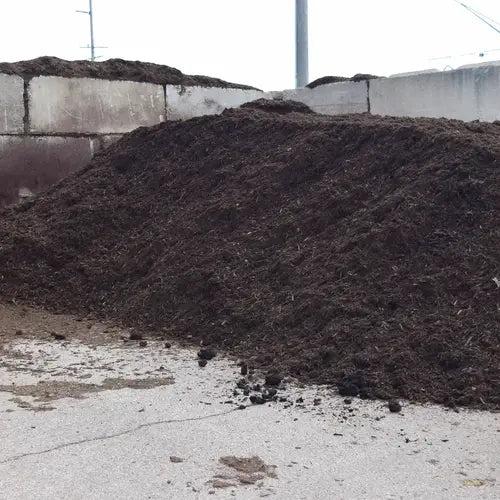
A yard is approximately 27 cubic feet. As a general guideline, one yard of material can cover an area of about 100-160 square feet at a 2-3 inch depth.

Washington Mulch Delivery

Washington Mulch Delivery

4.7
137 reviews
Regular price $64.00 per Yard
Regular price Sale price $64.00
Sale Sold out
Shipping calculated at checkout.
Color
Style
Hand-picked local yards
4,000+ regional deliveries
Dedicated support
Why order through Mulch Mound

The best local , without the guesswork.

We hand-pick and partner with the best yards in your region, keep only the ones our buyers rate well, and back each load with our guarantee.

Mulch Mound Guarantee

If your isn't the quantity or quality you ordered, we'll make it right.

About this mulch

Double-shredded mulch dyed a rich, even brown that holds its color through the season.

UPDATE!

I can’t say enough good things about Mulch Mound! If you read my review below you will see I had a problem with my order. Mulch Mound was quick to respond and solved the issue with my delivery. Will definitely be a customer next year.

First time purchase...

Three inches is the standard depth for Washington beds, which is enough to hold moisture through August dry spells and block weeds. Around trees and shallow rooted shrubs stay closer to two inches and never pile mulch against trunks.
Use our free mulch calculator

A yard is approximately 27 cubic feet. As a general guideline, one yard of material can cover an area of about 100-160 square feet at a 2-3 inch depth.

View full details

How It Works

Getting started is easy — just follow these simple steps

1

Choose your Mulch

Make sure you adjust the quantity to your home's needs. You can use our calculator to estimate how much you'll need.

2

Select your delivery date

Select a delivery date you'd like for the product to be dropped off at your home

3

Sit back and wait

Sit back, wait, and let us work our magic to make sure the highest quality product is delivered to your driveway.

What Washington Customers Are Saying

4.7
out of 5 based on 137 reviews
Google Reviews

Calculate mulch for your Washington project

For Washington's type of soil, we recommend 2-3 inches for best weed suppression and moisture retention

Try Our Calculator
📍

Break odd shaped beds into rectangles and circles, measure each one, then add the square footage together. For curved island beds, average the widest and narrowest points to get a workable number. Our calculator turns that total into yards at your chosen depth, and rounding up a half yard is smart since silt loam beds always settle.

Mulch vs. No Mulch: The Difference

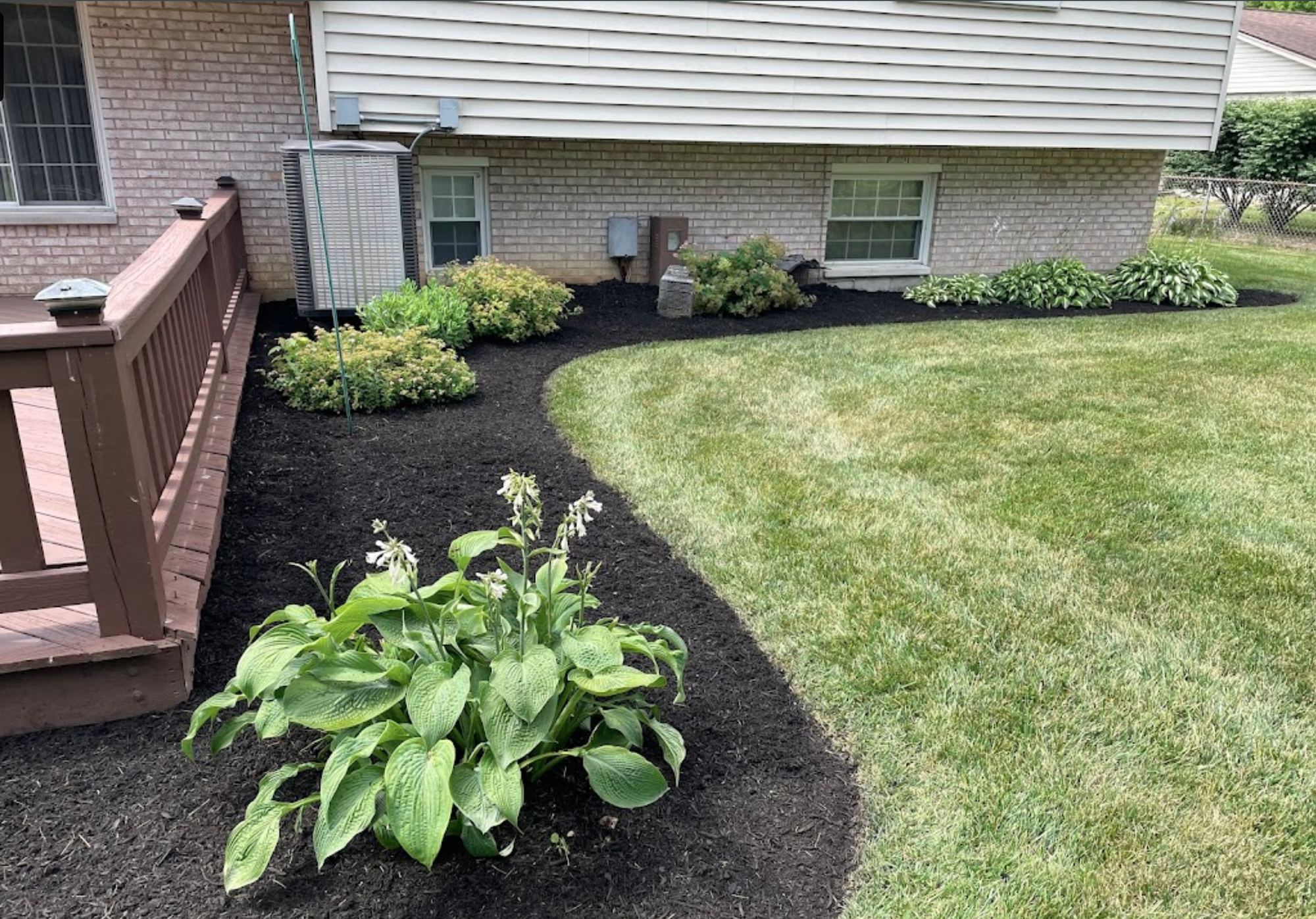
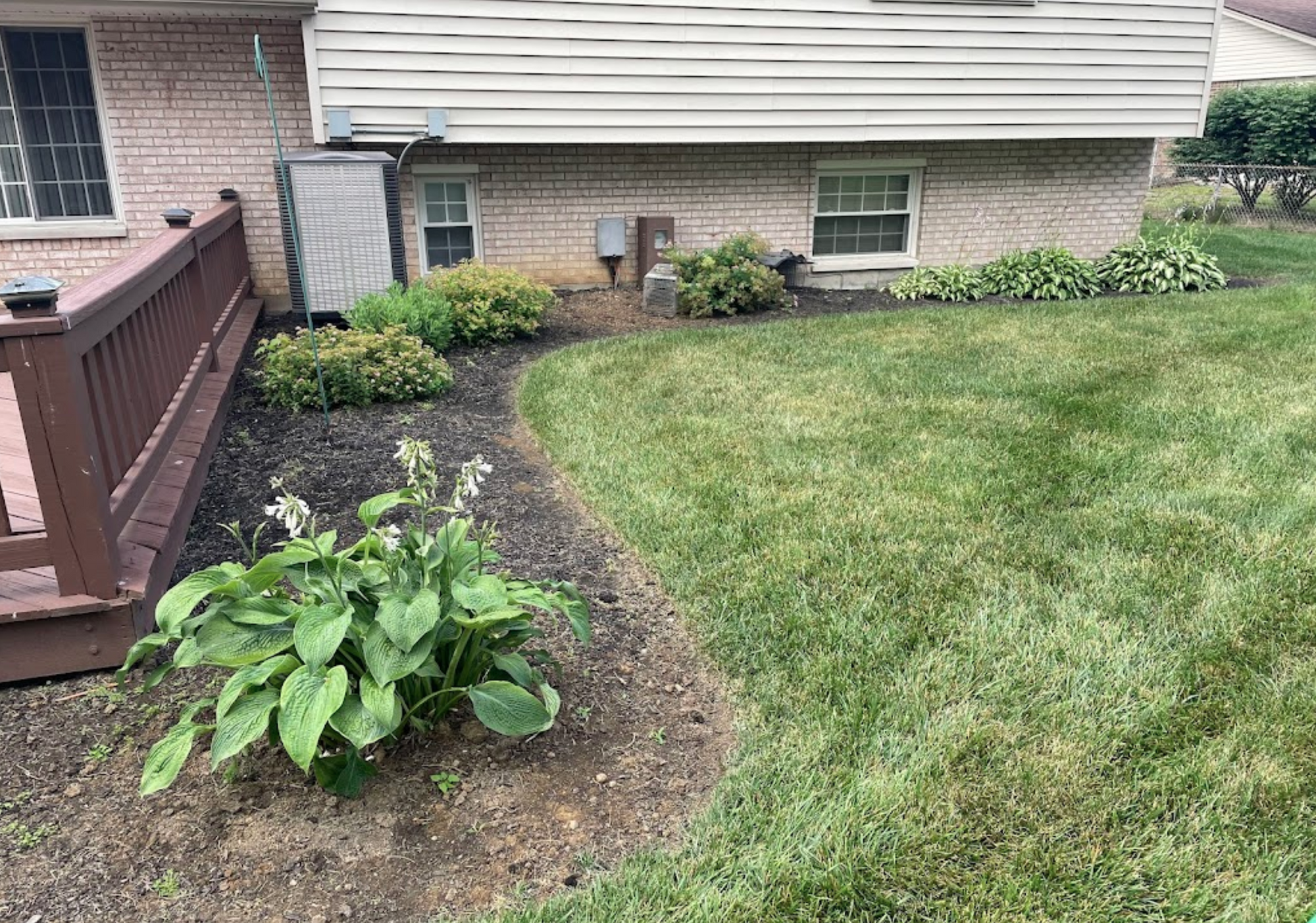
Washington gets around 45 inches of rain a year and long humid stretches from June through September, which is close to ideal conditions for wood to decompose. Natural hardwood mulch fades and breaks down noticeably by late summer, while dyed mulches hold color longer through those same conditions. Neither is wrong, it just depends on whether you want soil building or curb appeal to lead.

Before image
After image
Slider handle
Before
After

Complete Your Outdoor Mulch Project

Pair your mulch with a few yards of screened topsoil or compost to raise low spots before you spread, and add steel or stone edging to keep mulch from washing onto sidewalks during heavy spring rain.

Map of the mulch delivery area around Washington, Indiana

Service area

Areas we deliver mulch in Washington, Indiana

Mulch Mound Pro Tip

Time your mulching around the rain, not the calendar. Spreading on soil that is slightly damp but not soaked lets the mulch settle and knit together instead of blowing around. In Washington that usually means a day or two after a spring shower. If you spread onto bone dry silt loam, water the beds first so the mulch does not wick moisture up and away from your plant roots.

Mulch Mound Pro Tip

Break up the old crust before adding new mulch. After a year of Daviess County humidity, hardwood mulch often mats into a water shedding layer that sends rain straight to your lawn instead of your shrubs. Run a cultivator or stiff rake through the existing mulch to fluff it, then add just one to two inches of fresh material on top. You will use less product and get better absorption.

Mulch Mound Pro Tip

Pull mulch back from trunks and stems every spring. Volcano mulching around maples and ornamental pears is common around Washington neighborhoods and it rots bark, invites voles, and encourages girdling roots. Leave a bare ring three to four inches wide around each trunk. With our wet climate, that little bit of airflow at the base of the tree makes a real difference over ten or twenty years.

Frequently Asked Questions

Click a question to see the answer

Answer

When is the best time to mulch beds in Washington, Indiana?

Mid to late April is the sweet spot, right after the average last frost on April 18 and once the silt loam has warmed above 55 degrees. Mulching too early traps cold in the soil and slows perennials. Many Washington homeowners add a light refresh in October before the October 20 first frost to insulate roots through winter.

Answer

How much mulch will I need for a typical Washington yard?

One cubic yard covers roughly 100 square feet at three inches deep. A common Washington ranch home with foundation beds wrapping two sides usually lands between three and five yards. Measure length times width for each bed, add them together, and divide by 100 for a three inch layer.

Answer

Does mulch help with our heavy silt loam soil?

Yes. Silt loam in Daviess County compacts easily and forms a hard surface crust after repeated rain and sun. As hardwood mulch breaks down it feeds earthworms and soil microbes, which open channels through that dense layer and improve drainage and air movement without you ever turning a shovel.

Answer

Will mulch attract termites near my foundation?

Mulch itself does not draw termites, but any damp wood held against siding invites trouble. Keep the layer no deeper than two inches within six inches of your foundation and leave a small gap at the wall. That matters here because 45 inches of annual rain keeps beds moist longer than most Indiana homeowners expect.

Answer

How often should I replace mulch in Washington?

Hardwood mulch in our humid summers and mild 6b winters usually breaks down enough to need a top off after a single season. Most local yards need one to two inches added each spring rather than a full replacement. Rake the old layer to break up any matted crust before adding fresh material.

Answer

Should I put fabric under my mulch?

In perennial and shrub beds we usually say no. Silt loam benefits from mulch decomposing directly into it, and fabric blocks that exchange while weed seeds sprout on top anyway. Fabric makes more sense under stone or in a permanent walkway where nothing is meant to grow.

Answer

Can I mulch over the weeds already in my beds?

Light annual weeds will smother under three inches, but Daviess County beds usually carry bindweed, nutsedge, and Bermuda grass that push right through. Pull or spot treat those first, wait about a week, then mulch. Otherwise you will be fighting the same weeds through the wet Washington summer.

The Unique Landscape of Washington

Washington sits in Daviess County at about 532 feet of elevation, where silt loam soil holds moisture well but crusts over and sheds water during the dry stretch of late July and August. A steady mulch layer keeps that crust from forming, so the 45 inches of rain this part of southwest Indiana receives each year actually soaks into root zones instead of running off toward the street. Zone 6b winters here swing between thaw and refreeze, and bare silt loam heaves shallow roots right out of the ground by February. Mulch buffers those swings, holds soil temperature steady, and cuts down the crabgrass and nutsedge that thrive in warm, damp Daviess County beds. It also keeps mud from splashing onto siding and foundations during the heavy spring rains that roll through in April and May.