



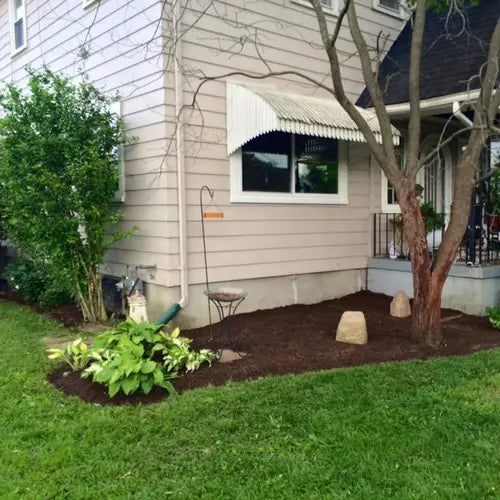

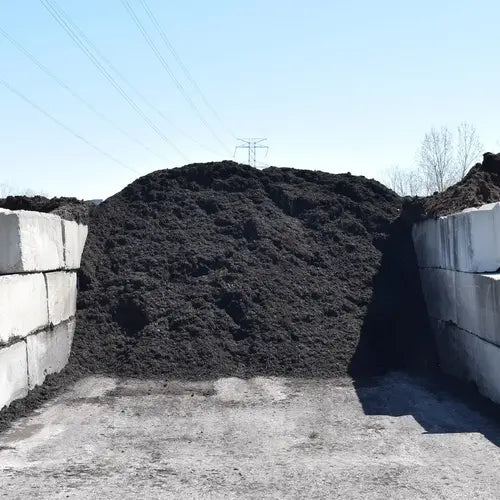
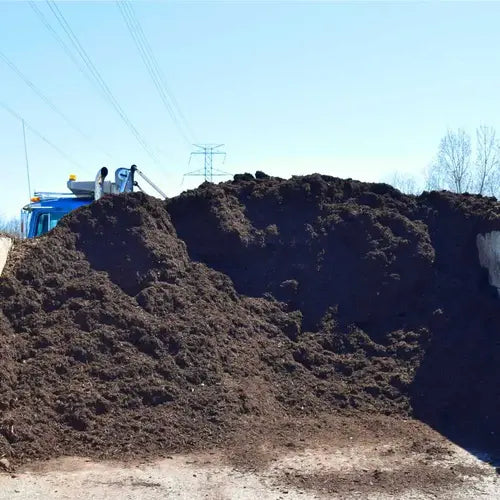
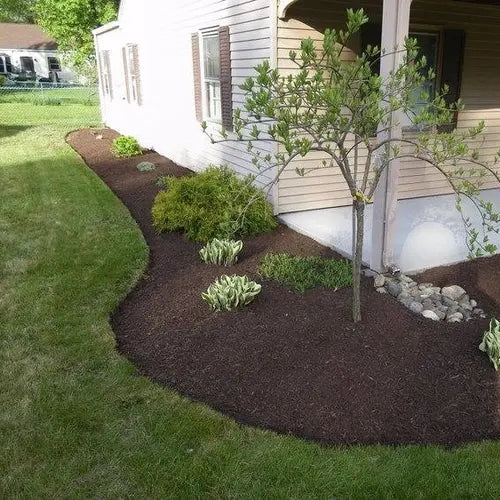

Our delivery was delayed but the new brown color mulch is a nice upgrade to our landscaping.
About this mulch
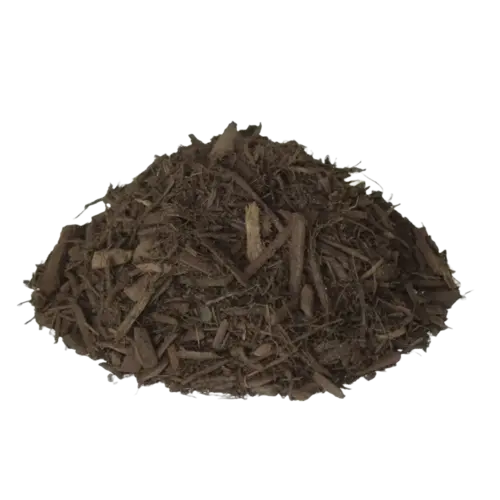
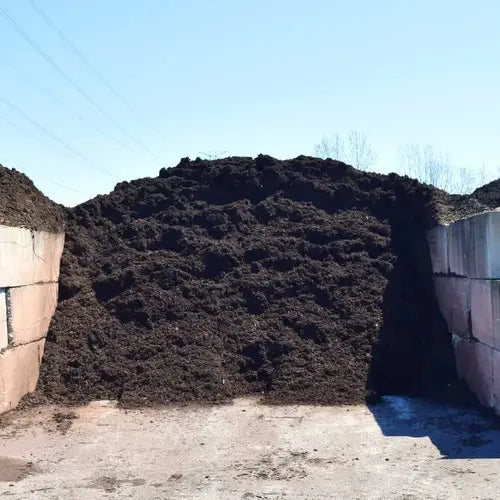
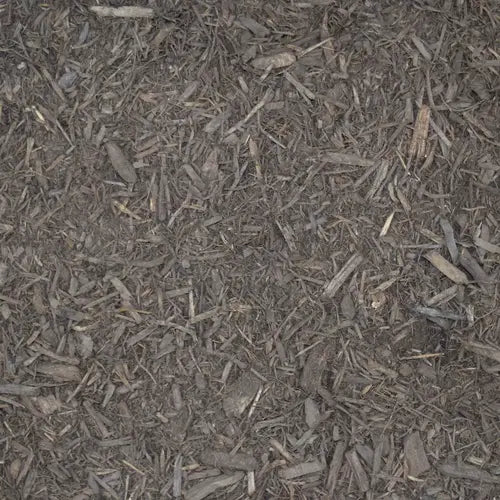
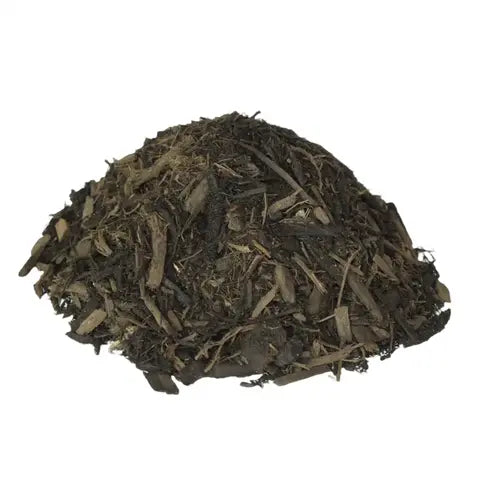
Warm brown double shredded mulch with lasting color that looks freshly applied for weeks. Spreads smooth, stays put, and gives beds a natural, polished appearance.
Our delivery was delayed but the new brown color mulch is a nice upgrade to our landscaping.
Tell us what you're looking for
Thanks! We received your request.
Something went wrong. Please try again.
How Much Material Do I Need?
How Much Material Do I Need?
In Wichita Falls, where clay loam soil compacts and cracks under summer heat, a minimum depth of 3 inches is recommended for ornamental beds and 4 inches is better for exposed areas with full afternoon sun. Going thinner than 2 inches leaves the soil unprotected during peak summer heat.
Use our free mulch calculator
What is a yard?
What is a yard?
FAQs
FAQs
Wichita Falls Mulch Delivery
Wichita Falls Mulch Delivery
Regular price
$64.00
per
yard
Regular price
Sale price
$64.00
Unit price
per
Shipping calculated at checkout.
Minimum of 3 yard
Couldn't load pickup availability
Not currently available
We can't take orders for this right now. Tell us what you need and we'll get back to you.
Hand-picked local yards
4,000+ regional deliveries
Dedicated support
Why order through Mulch Mound
The best local mulch, without the guesswork.
We hand-pick and partner with the best yards in your region, keep only the ones our buyers rate well, and back each load with our guarantee.
Mulch Mound Guarantee
If your mulch isn't the quantity or quality you ordered, we'll make it right.
About this mulch
Warm brown double shredded mulch with lasting color that looks freshly applied for weeks. Spreads smooth, stays put, and gives beds a natural, polished appearance.
Our delivery was delayed but the new brown color mulch is a nice upgrade to our landscaping.
How Much Material Do I Need?
How Much Material Do I Need?
In Wichita Falls, where clay loam soil compacts and cracks under summer heat, a minimum depth of 3 inches is recommended for ornamental beds and 4 inches is better for exposed areas with full afternoon sun. Going thinner than 2 inches leaves the soil unprotected during peak summer heat.
Use our free mulch calculator
What is a yard?
What is a yard?
FAQs
FAQs
Tell us what you're looking for
Thanks! We received your request.
Something went wrong. Please try again.

How It Works
Getting started is easy — just follow these simple steps
1
Choose your Mulch
Make sure you adjust the quantity to your home's needs. You can use our calculator to estimate how much you'll need.
2
Select your delivery date
Select a delivery date you'd like for the product to be dropped off at your home
3
Sit back and wait
Sit back, wait, and let us work our magic to make sure the highest quality product is delivered to your driveway.

Mulch Mound made it so easy! So happy with the pricing, turn around time, delivery and product. I submitted my online order on a Thursday. The mu...
Read full review
Mulch Mound made it so easy! So happy with the pricing, turn around time, delivery and product. I submitted my online order on a Thursday. The mulch was delivered to the designated location by a local landscape company at 8:30 a.m. the following Saturday morning. We had the job completed by that afternoon. We chose the natural brown mulch, and the plant beds are beautiful.

Good quality, great price, fast delivery. All online - no submitting forms and waiting for days for quotes.
Getting mulch should be this easy fr...
Read full review
Good quality, great price, fast delivery. All online - no submitting forms and waiting for days for quotes.
Getting mulch should be this easy from everyone. Only Mulch Mound is ACTUALLY this simple.
Calculate mulch for your Wichita Falls project
For Wichita Falls's Clay Loam type of soil, we recommend 2-3 inches for best weed suppression and moisture retention
Try Our CalculatorMeasure the length and width of each bed in feet and multiply to get the square footage, then plan for a 3 to 4 inch depth to get real moisture and temperature benefits in Wichita Falls's hot summers. Dividing your total cubic feet by 27 gives you cubic yards, which is how bulk mulch is sold. It is always worth adding 10 percent to your estimate since clay loam beds with uneven surfaces tend to consume slightly more material than a flat calculation suggests.
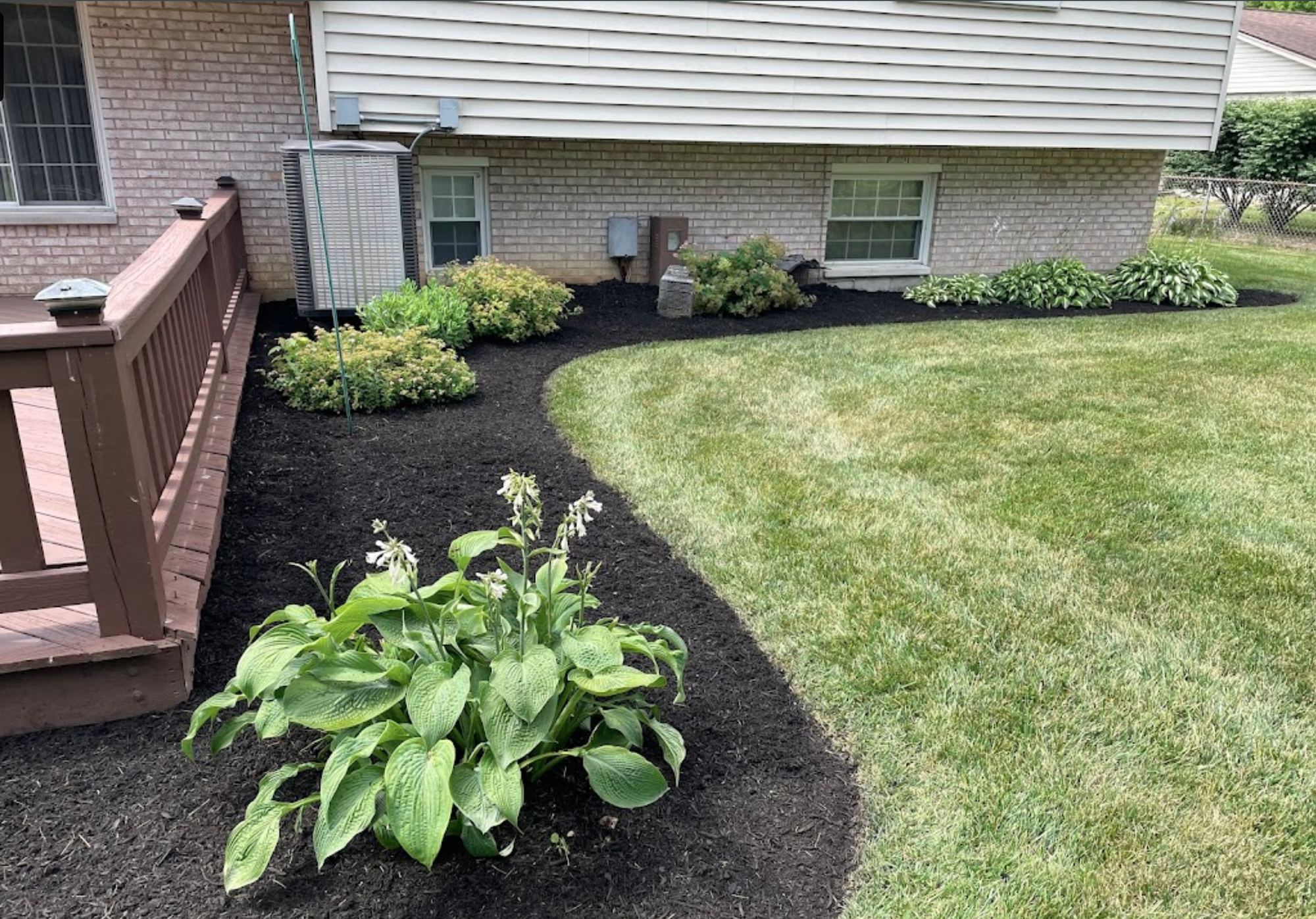
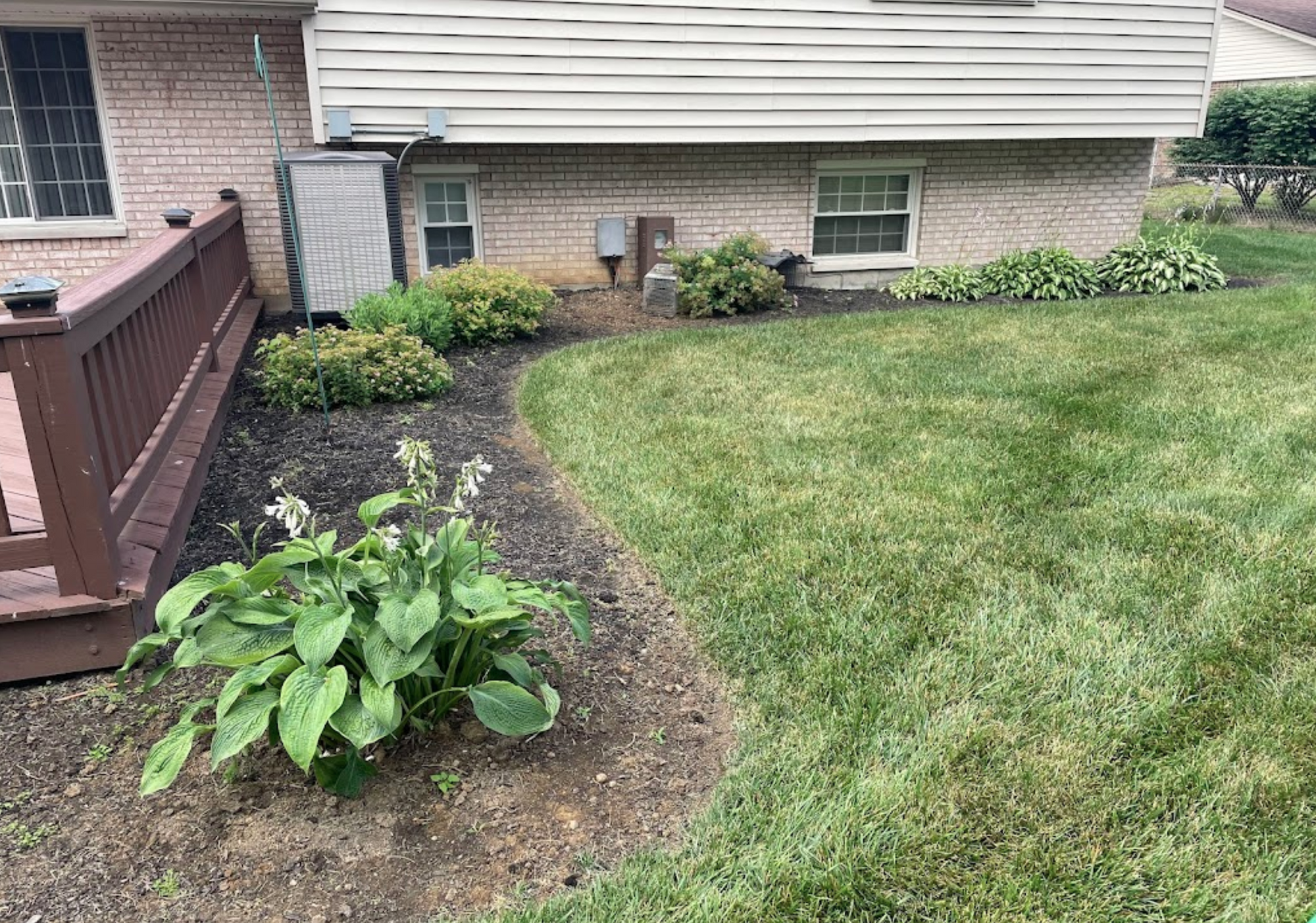

Best Mulch Choice for Wichita Falls Lawns
Most yards in the Wichita Falls area sit on Clay Loam type of soil. Wichita Falls clay loam soil tends to compact into a dense layer that limits drainage and makes it difficult for plant roots to spread, which means plant beds on top of it benefit greatly from the moisture buffering that a good layer of mulch provides.
Hardwood Mulch
Hardwood mulch breaks down slowly over a Wichita Falls growing season and feeds humus into the clay loam below it, incrementally loosening the soil structure and improving its ability to drain excess water from heavy spring rains while still retaining moisture during the dry summer months.
Mulch Types We Deliver in Wichita Falls
If you are looking for bulk mulch delivery in Wichita Falls, Mulch Mound brings it straight to your driveway or job site by the cubic yard. Our mulch varieties are chosen to hold their color and structure through the intense summer heat and clay-heavy soils common across this part of north Texas. Whether you are freshening a few flower beds or covering an entire property, ordering is straightforward and delivery is fast.
Dyed Black Mulch
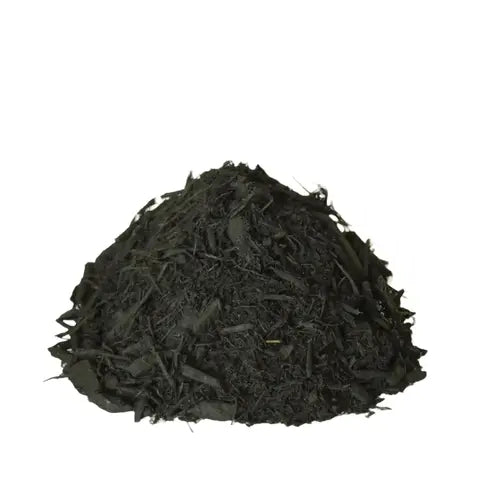
Bold double shredded mulch with a rich black color that creates sharp contrast against the warm tan tones of north Texas homes and landscapes. The pigment holds strong through intense summer sun and periodic heavy rains, so beds keep that freshly installed look far into the season without needing a quick refresh.
Dyed Brown Mulch
Warm brown double shredded mulch that blends naturally with the reddish clay tones common in north Texas yards. The color stays consistent for weeks even through summer heat, giving beds a clean and polished finish. A popular choice for homeowners who want a natural feel with added staying power.
Natural Brown Mulch
Undyed double shredded mulch with an earthy brown tone straight from the wood itself. A great fit for homeowners who prefer an honest, organic look in their beds. The smooth texture spreads easily, and as it breaks down over time it adds organic matter back into the heavy clay soils typical across this region.
Complete Your Outdoor Mulch Project
Pair your mulch order with quality bulk soil to improve the clay loam planting bed beneath it, and consider adding decorative stone edging to define bed borders and keep mulch in place during Wichita Falls's active spring storm season.


Service area
Areas we deliver mulch in Wichita Falls, Texas
Mulch Mound Pro Tip
Wichita Falls clay loam soil forms a hard crust when it dries out between rains, which can actually repel water rather than absorbing it. Before spreading fresh mulch, break up that surface crust lightly with a rake or cultivator so the first few waterings after mulching soak into the root zone instead of running off. This small step makes a measurable difference in how well newly planted shrubs and perennials establish through their first summer in this climate.
Mulch Mound Pro Tip
With a growing season that runs from late March through early November in Wichita Falls, you have roughly seven and a half months of active plant growth to support. Pull back any decomposed mulch from previous seasons and work it into the top few inches of soil before laying fresh material. That half-composted layer adds a modest amount of organic matter to the clay loam, which helps it drain a little better and supports healthier root development over multiple seasons.
Mulch Mound Pro Tip
Wichita Falls receives about 30 inches of rain annually, but that moisture rarely falls evenly across the year. Most of it arrives in spring and early summer, leaving beds dry for long stretches in August and September. Applying a full 4 inch layer of mulch before midsummer acts as a moisture buffer during those dry months, reducing how often you need to run irrigation and helping plants stay productive through the driest part of the Wichita Falls growing season.
The Unique Landscape of Wichita Falls
Wichita Falls sits in a climate where summer heat regularly pushes past 100 degrees, and the clay loam soil beneath most local yards compacts tightly when dry, cutting off moisture and oxygen to plant roots. Mulch acts as a thermal blanket over these dense soils, keeping root zones cooler during the brutal July and August stretches and slowing the rapid moisture loss that happens after infrequent summer rains. Because Wichita Falls averages only about 30 inches of rain per year, with most of it concentrated in spring and early summer, mulched beds hold onto that moisture far longer than bare clay loam can. The clay fraction in local soil also tends to crack during dry spells, and a consistent layer of mulch prevents those surface fissures from forming and drying out shallow feeder roots. With a last frost around March 27 and a first frost around November 10, Wichita Falls gardeners enjoy a long growing season that rewards consistent mulch maintenance from early spring through late fall.