






Ordered Dirt. Received Dirt. Would Buy Again.
About this soil
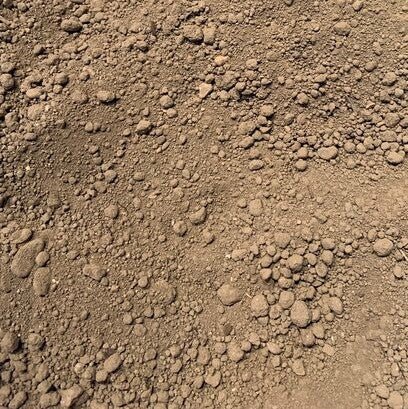
Quality topsoil for lawns, gardens, and landscape projects. Nutrient rich and ready to support strong root development and healthy plant establishment.
Ordered Dirt. Received Dirt. Would Buy Again.
Tell us what you're looking for
Thanks! We received your request.
Something went wrong. Please try again.
How Much Material Do I Need?
How Much Material Do I Need?
For topdressing a Wichita Falls lawn over clay loam, a depth of 1 to 2 inches per application is recommended to avoid smothering existing grass and creating a drainage barrier. New garden beds benefit from a full 10 to 12 inch depth of quality soil to give roots room to develop well above the native clay.
Use our free soil calculator
What is a yard?
What is a yard?
FAQs
FAQs
Wichita Falls Soil Delivery
Wichita Falls Soil Delivery
Regular price
$64.00
per
yard
Regular price
Sale price
$64.00
Unit price
per
Shipping calculated at checkout.
Minimum of 3 yard
Couldn't load pickup availability
Not currently available
We can't take orders for this right now. Tell us what you need and we'll get back to you.
Hand-picked local yards
4,000+ regional deliveries
Dedicated support
Why order through Mulch Mound
The best local soil, without the guesswork.
We hand-pick and partner with the best yards in your region, keep only the ones our buyers rate well, and back each load with our guarantee.
Mulch Mound Guarantee
If your soil isn't the quantity or quality you ordered, we'll make it right.
About this soil
Quality topsoil for lawns, gardens, and landscape projects. Nutrient rich and ready to support strong root development and healthy plant establishment.
Ordered Dirt. Received Dirt. Would Buy Again.
How Much Material Do I Need?
How Much Material Do I Need?
For topdressing a Wichita Falls lawn over clay loam, a depth of 1 to 2 inches per application is recommended to avoid smothering existing grass and creating a drainage barrier. New garden beds benefit from a full 10 to 12 inch depth of quality soil to give roots room to develop well above the native clay.
Use our free soil calculator
What is a yard?
What is a yard?
FAQs
FAQs
Tell us what you're looking for
Thanks! We received your request.
Something went wrong. Please try again.
How It Works
Getting started is easy — just follow these simple steps
1
Choose your soil
Make sure you adjust the quantity to your home's needs. You can use our calculator to estimate how much you'll need.
2
Select your delivery date
Select a delivery date you'd like for the product to be dropped off at your home
3
Sit back and wait
Sit back, wait, and let us work our magic to make sure the highest quality product is delivered to your driveway.


Placing an order online was so easy. Delivery was on time. When the driver realized we had a newly poured driveway they erred on the side of cautio...
Read full review
Placing an order online was so easy. Delivery was on time. When the driver realized we had a newly poured driveway they erred on the side of caution and opted not ti drive in it. The company even sent me a message explaining that call. Would recommend!
Need Help Calculating How Much Soil You Need?
Use our NEW Trace from Satellite tool to get an estimate for your project based on an aerial view of your property
Try Our CalculatorMeasure your bed or lawn area in square feet and decide on a depth based on your project, typically 2 to 4 inches for lawn topdressing and 8 to 12 inches for new garden beds in Wichita Falls. Multiply square footage by your depth in feet and divide by 27 to get cubic yards. Because clay loam soil settles more than sandy soils after watering, ordering a buffer of 10 to 15 percent extra ensures you have enough to fill the area completely after that first rain or irrigation cycle.
Soil Types We Deliver in Wichita Falls
Wichita Falls sits on heavy clay-dominant ground that can make growing lush lawns and productive gardens a real challenge without the right foundation. We deliver bulk topsoil by the yard in Wichita Falls so homeowners and landscapers can build up quality growing medium right where it is needed. Every order arrives by the cubic yard, making it easy to cover raised beds, new sod areas, or large landscape projects without multiple trips to the store.
Screened Top Soil
Our screened top soil is run through a fine screen to remove rocks, clumps, and debris, leaving a smooth, workable material that blends cleanly into existing ground. It is well suited to the region's dry summers and warm growing season, supporting strong root development in lawns, vegetable gardens, and new landscape beds alike.
Complete Your Outdoor Soil Project
Finish your soil project with a layer of bulk mulch to protect your new planting beds from Wichita Falls summer heat and moisture loss, and consider adding decorative stone along bed borders to prevent soil from washing out during heavy spring storms.


Service area
Areas we deliver soil in Wichita Falls, Texas
Mulch Mound Pro Tip
Before adding bulk topsoil to a low spot or regraded area in your Wichita Falls yard, loosen the top 2 to 3 inches of existing clay loam with a tiller or fork. Clay loam creates a hard boundary layer that can prevent new soil from integrating well, and water will pool at that interface instead of draining through. Breaking up the surface layer allows the new and existing soils to blend gradually and reduces the risk of creating a soggy shelf just underground.
Mulch Mound Pro Tip
Wichita Falls gardeners often make the mistake of adding compost or garden soil on top of very dry, cracked clay loam in midsummer without wetting the native soil first. A cracked clay surface is nearly impermeable to water and nutrients, so moistening the native ground before laying new soil ensures the two layers can begin to exchange water and nutrients properly. This is especially important for establishing new plants or grass in late summer before the fall growing window opens.
Mulch Mound Pro Tip
With only about 30 inches of annual rainfall in Wichita Falls, every drop of moisture matters in your garden beds. When building raised beds or adding bulk soil to existing beds, incorporating organic matter like compost at a ratio of roughly one part organic material to three parts soil improves the water-holding capacity of your growing medium significantly. This is particularly valuable during the July and August dry stretch when irrigation is the only reliable moisture source and soil that drains too fast will stress plants between watering cycles.
The Unique Landscape of Wichita Falls
Wichita Falls sits on naturally occurring clay loam soil that presents real challenges for landscaping and gardening because it drains slowly after rain, compacts under foot traffic and heat, and is often too dense for vegetable or flower roots to penetrate easily. Bringing in quality bulk topsoil or garden soil allows homeowners to build productive planting environments above that native clay layer rather than trying to grow through it. Grade work and lawn repair are also common needs in Wichita Falls, where clay loam expansion and contraction with seasonal moisture changes creates low spots, ruts, and uneven turf surfaces over time. Raised beds built with amended bulk soil are especially effective here because they let gardeners control drainage and nutrient levels without fighting the native ground. With the last frost arriving around March 27 and the first frost not hitting until around November 10, there is a long and productive season available to Wichita Falls gardeners who start with the right soil foundation.