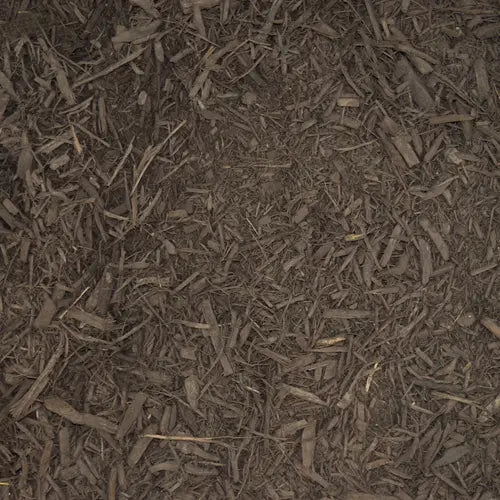
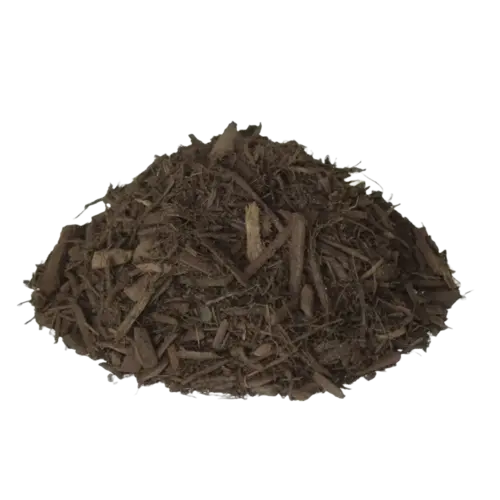
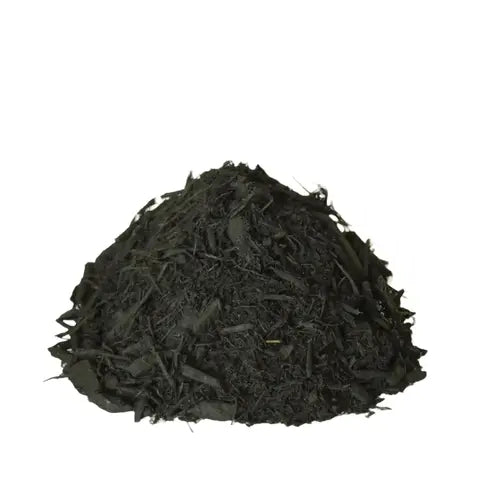
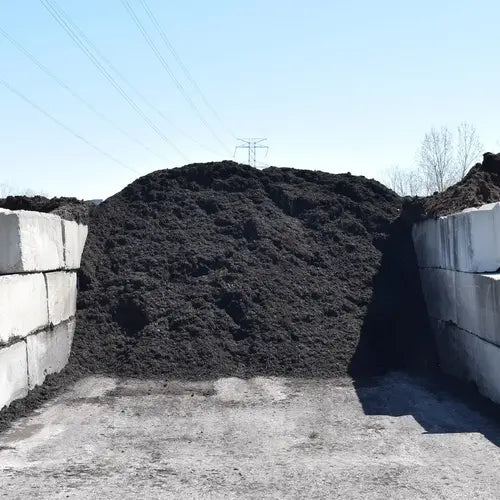
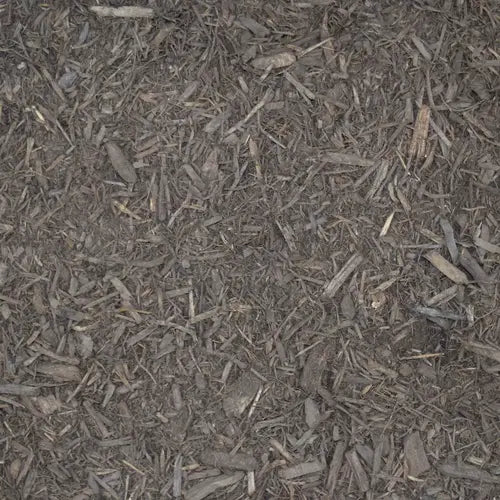
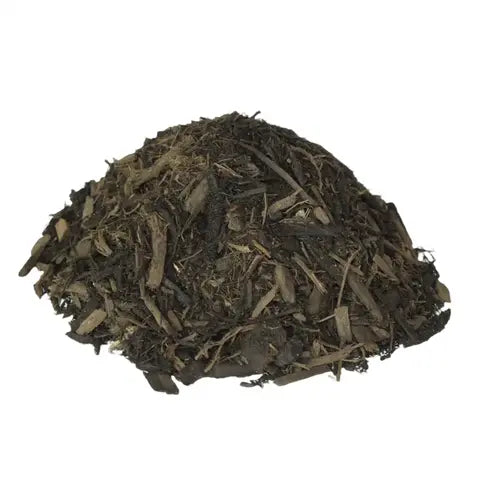
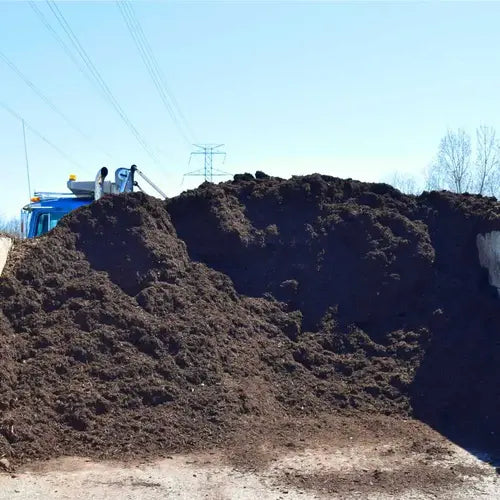
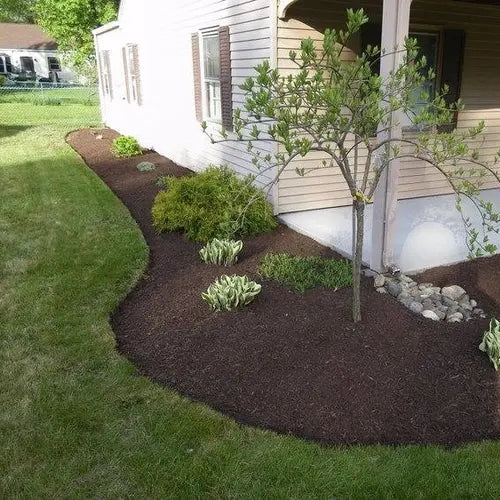
Warm brown double shredded mulch with lasting color that looks freshly applied for weeks. Spreads smooth, stays put, and gives beds a natural, polished appearance.
Great experience! Easy to order, they delivered promptly and were very respectful of the property! Ordered the triple shredded brown mulch and it was EXACTLY what I wanted. Very clean product too, no garbage or filler. Already put these guys in my calendar to order from next y...
Tell us what you're looking for
Thanks! We received your request.
Something went wrong. Please try again.
How Much Material Do I Need?
For Williamsport's silt clay loam beds, two to three inches is the sweet spot that provides meaningful weed suppression and moisture regulation without compounding the drainage challenges of that dense native soil.
Use our free mulch calculator
What is a yard?
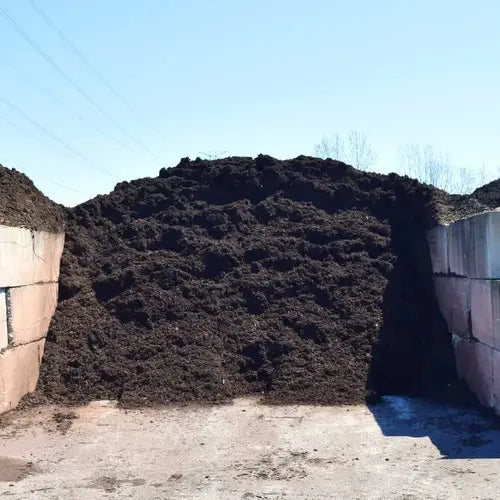
A yard is approximately 27 cubic feet. As a general guideline, one yard of material can cover an area of about 100-160 square feet at a 2-3 inch depth.
We can't take orders for this right now. Tell us what you need and we'll get back to you.
What do you need?
Thanks! We received your request.
Something went wrong. Please try again.
Hand-picked local yards
4,000+ regional deliveries
Dedicated support
Why order through Mulch Mound
The best local mulch, without the guesswork.
We hand-pick and partner with the best yards in your region, keep only the ones our buyers rate well, and back each load with our guarantee.
Mulch Mound Guarantee
If your mulch isn't the quantity or quality you ordered, we'll make it right.
About this mulch
Warm brown double shredded mulch with lasting color that looks freshly applied for weeks. Spreads smooth, stays put, and gives beds a natural, polished appearance.
Great experience! Easy to order, they delivered promptly and were very respectful of the property! Ordered the triple shredded brown mulch and it was EXACTLY what I wanted. Very clean product too, no garbage or filler. Already put these guys in my calendar to order from next y...
How Much Material Do I Need?
For Williamsport's silt clay loam beds, two to three inches is the sweet spot that provides meaningful weed suppression and moisture regulation without compounding the drainage challenges of that dense native soil.
Use our free mulch calculator
What is a yard?
A yard is approximately 27 cubic feet. As a general guideline, one yard of material can cover an area of about 100-160 square feet at a 2-3 inch depth.
Great experience! Easy to order, they delivered promptly and were very respectful of the property! Ordered the triple shredded brown mulch and it w...
Read full review
Great experience! Easy to order, they delivered promptly and were very respectful of the property! Ordered the triple shredded brown mulch and it was EXACTLY what I wanted. Very clean product too, no garbage or filler. Already put these guys in my calendar to order from next year! Keep up the good work.
To estimate your mulch needs in Williamsport, measure the length and width of each bed in feet and multiply together to get square footage, then plan for a two to three inch depth given the moisture-retaining nature of local silt clay loam soil. Because many Williamsport properties have multiple irregular beds shaped around mature trees or perennial borders, it helps to break those into rough rectangles and add the totals together. Our calculator handles the math once you enter your square footage and desired depth.
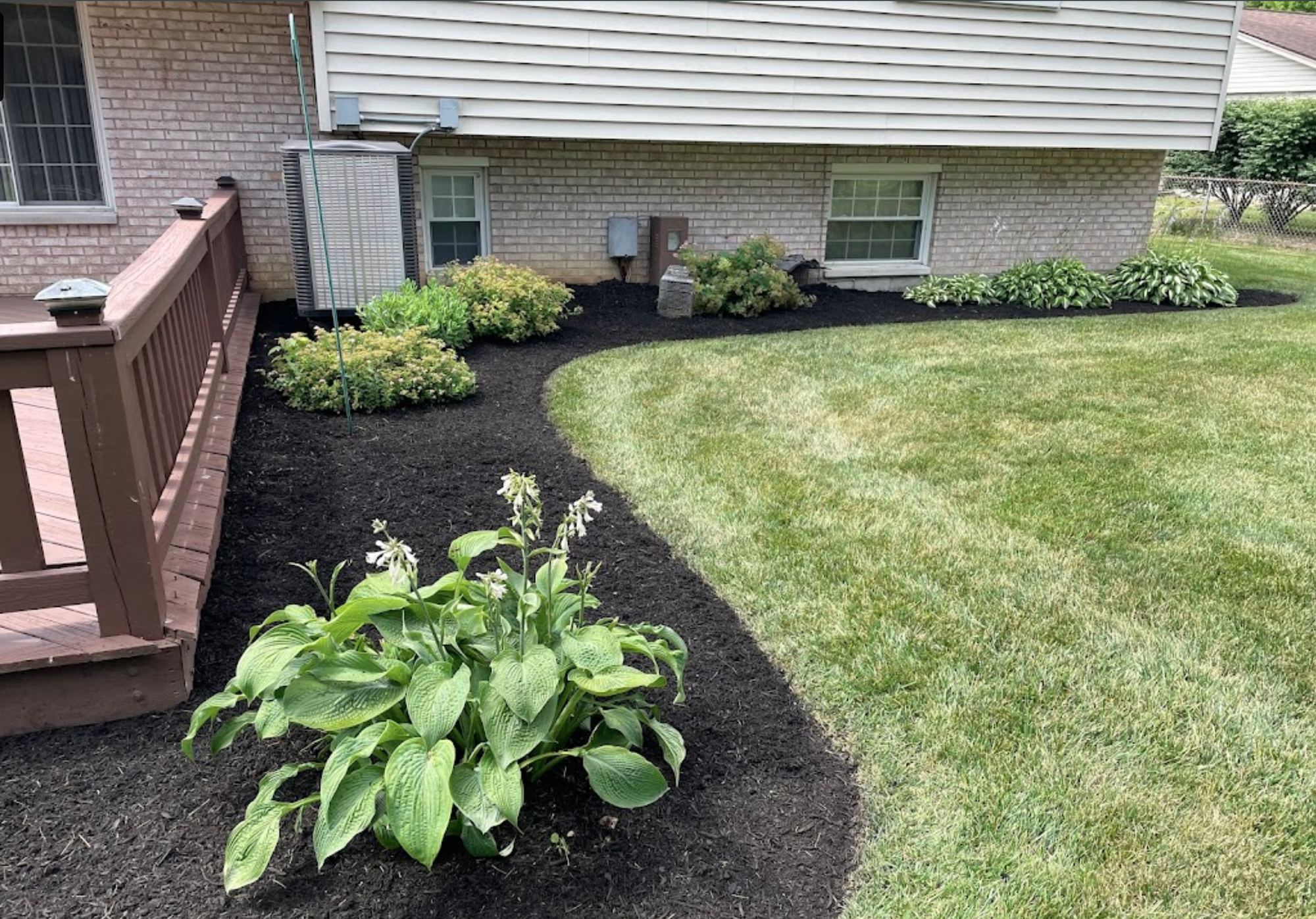
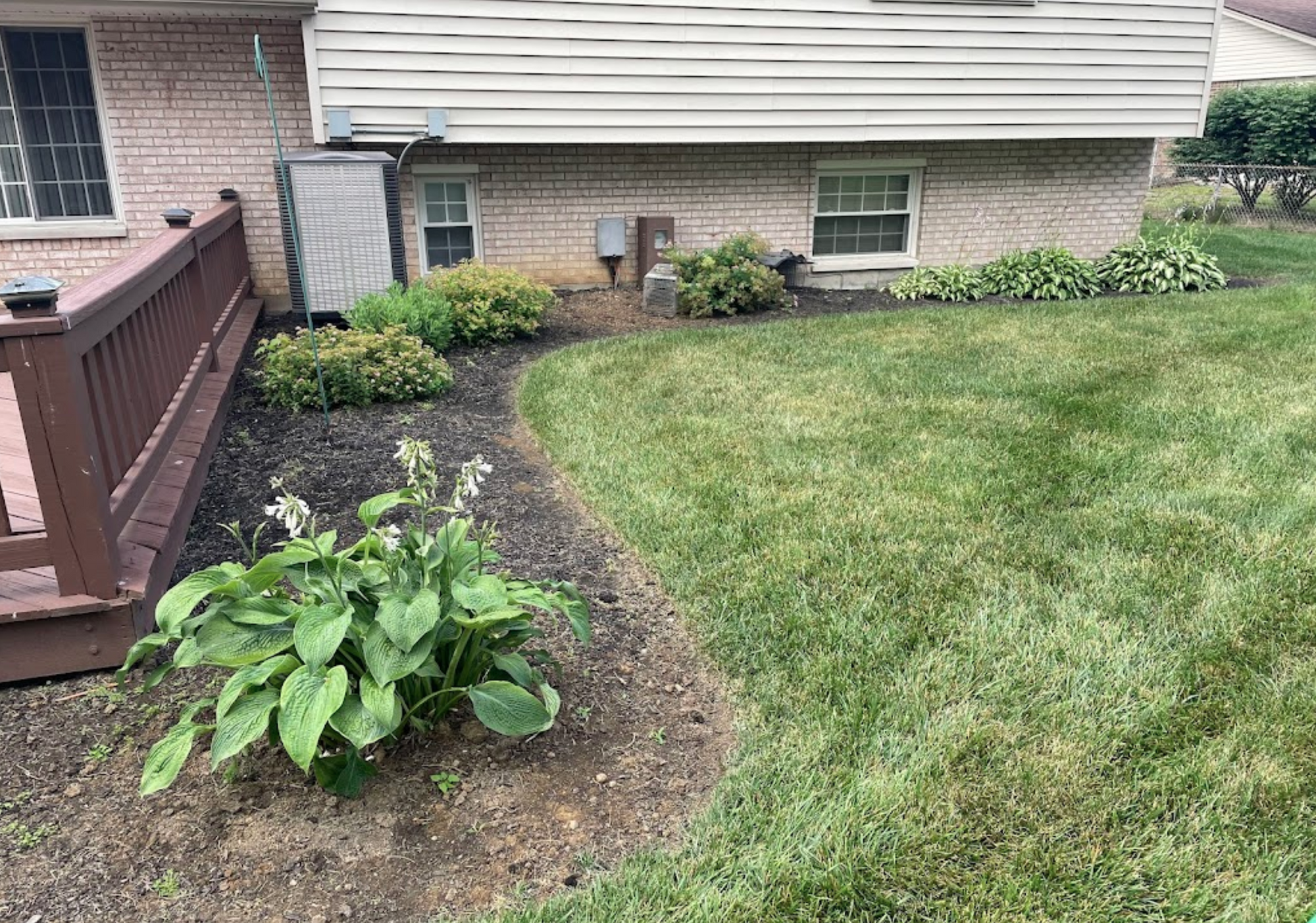
Mulch vs. No Mulch: The Difference
Williamsport's combination of 42 inches of annual rainfall and humid summers accelerates the breakdown of natural, undyed hardwood mulch, which means you may need to refresh it annually to maintain adequate depth in your beds. Dyed mulches use colorant-treated wood that breaks down at a similar rate underground but holds visual appeal longer on the surface, making them a popular choice for front beds where curb appeal matters through October. Both options work in zone 6b, but your choice often comes down to whether you want the organic matter contribution of a fast-breaking natural mulch or the extended color of a dyed product.
Before
After
Best Mulch Choice for Williamsport Lawns
Most yards in the Williamsport area sit on Silt Clay Loam type of soil. Williamsport's silt clay loam is naturally dense and slow to drain, which means plant beds can become compacted over time and make it harder for roots to penetrate and access nutrients. A consistent mulch layer reduces soil compaction by shielding the surface from the impact of heavy rainfall and foot traffic near bed edges.
Hardwood Mulch
Hardwood mulch is an especially good match for Williamsport's silt clay loam because as it decomposes it adds organic matter that gradually improves soil structure and drainage. Over several seasons, the steady input of decomposing hardwood material loosens the dense silt clay texture, making beds more hospitable to roots and reducing the surface puddling that many Williamsport homeowners see after a heavy spring rain.
Mulch Types We Deliver in Williamsport
Mulch Mound delivers bulk mulch by the cubic yard straight to properties across Williamsport, making it easy to refresh garden beds and tree rings without hauling bags. If you have been searching for bulk mulch delivery near me or a trusted local supplier, we bring exactly what you need right to your door. Our mulch holds up well in Pennsylvania's humid summers and helps protect plant roots through the cold months.
Dyed Black Mulch
A bold choice for Williamsport homeowners who want beds that stand out against the brick and stone foundations common in this part of Pennsylvania. Available in double shredded style, the deep black color holds through heavy spring rains and summer sun, spreading smoothly and giving any landscape a clean, finished look.
Dyed Brown Mulch
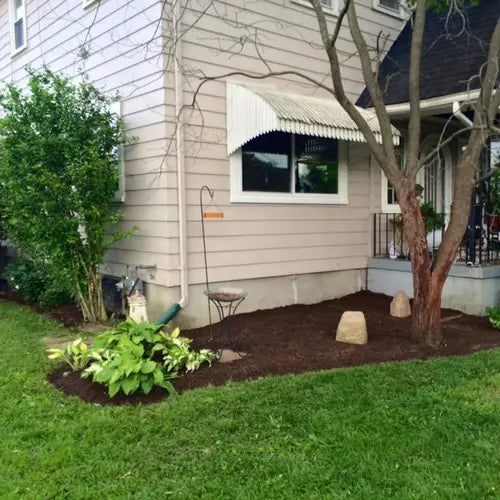
Warm brown double shredded mulch is a popular pick for Williamsport yards where natural tones complement the wooded hillsides and traditional home styles common in this region. The color stays vibrant for weeks after spreading, the texture is smooth and easy to handle, and the finished bed looks polished from the curb.
Natural Brown Mulch
Natural brown double shredded mulch skips the dye entirely, letting the wood's own earthy tone do the work. It suits Williamsport gardeners who prefer an organic look around mixed plantings or vegetable beds, and as it breaks down it adds organic matter that benefits the clay soils common in this part of Pennsylvania.
Complete Your Outdoor Mulch Project
If you are building out new beds alongside your mulch installation, our bulk garden soil is blended to improve the drainage issues common in Williamsport's silt clay loam, and our decorative stone options work beautifully for edge borders and pathways that keep bed shapes defined through our rainy spring season.
Williamsport's silt clay loam tends to crust on the surface after dry spells, and mulch acts as a barrier that keeps that crust from forming in your beds. Before applying a fresh layer each spring, use a rake or cultivator to loosen the top inch of soil so the mulch sits on a receptive surface. This small step dramatically improves how well moisture from spring rains moves into the root zone rather than sheeting off the hardened surface.
Mulch Mound Pro Tip
Zone 6b means Williamsport homeowners deal with genuine winter cold, and mulch timing matters more than most people realize. Wait until after the first hard frost in mid-October to apply your fall layer. If you mulch too early, you can trap ground warmth that keeps plant crowns growing when they should be going dormant, making them more vulnerable to the sudden temperature drops that are common in November across the Susquehanna Valley.
Mulch Mound Pro Tip
With 42 inches of annual rainfall, Williamsport yards can develop fungal issues in mulch that stays too wet and dense against plant bases. Keep mulch pulled back an inch or two from stems and tree trunks to allow airflow at the crown. Cedar mulch is a particularly good choice for consistently moist microclimates because its natural oils resist fungal breakdown better than standard hardwood blends, giving you a longer-lasting and healthier bed environment through Williamsport's wet spring and summer seasons.
Frequently Asked Questions
Click a question to see the answer
Answer
How thick should I apply mulch given Williamsport's clay-heavy soil?
With silt clay loam beneath your beds, two to three inches of mulch depth is the right target. Applying four or more inches over soil that already drains slowly can trap excess moisture against root crowns, especially during Williamsport's wet spring season when rainfall often exceeds five inches per month. Two to three inches keeps weeds down, retains the right amount of moisture, and still lets the soil breathe.
Answer
When is the best time of year to mulch my garden beds in Williamsport?
The ideal window is right after May 6, once the last frost has passed and your perennials are emerging. Applying mulch at that point locks in warming soil temperatures and reduces the weed germination that surges in late May and June. A second light refresh in early October, before the first frost around October 15, helps insulate roots through the winter.
Answer
Will mulch help with the muddy runoff I get after heavy rains in my yard?
Yes, and this is especially relevant in Williamsport where 42 inches of annual rainfall and silt clay loam soil combine to create surface runoff on any slope. A consistent mulch layer in beds and along borders slows water velocity, reduces soil splash, and keeps your planting areas intact after a heavy storm rolls through the Susquehanna Valley.
Answer
Does colored or dyed mulch hold up well in Williamsport's weather?
Dyed mulch generally holds its color through one full season in zone 6b climates like Williamsport's. The UV exposure during long summer days and the frequent rain can fade natural wood tones faster than the colorant in dyed products. If curb appeal through fall is a priority, a dyed black or brown mulch applied in May will typically stay rich-looking through October.
Answer
How often should I be refreshing my mulch in this area?
In Williamsport's climate, hardwood mulch breaks down noticeably within 12 to 18 months due to the moisture from 42 inches of annual rain and the humid summers. A yearly refresh of about one inch on top of existing mulch keeps depth consistent without over-mulching. If you notice the material has composted into a dark, fine texture, it has broken down into your silt clay loam and is ready for a new top layer.
Answer
Should I pull old mulch out before adding a new layer?
Not usually. In most Williamsport beds the old layer will have partially broken down and is actually adding organic matter to your silt clay loam. Rake it loose and check the depth. If the combined old plus new layer would exceed three inches, remove some of the old material first. If it is still relatively intact and just faded, a fresh inch on top is all you need.
Answer
Can mulch help protect my plants through a Williamsport winter?
Absolutely. Once your first frost hits around October 15, a two to three inch mulch layer moderates soil temperature swings through the freeze-thaw cycles of November and December. This is especially helpful for perennials and shrubs planted in silt clay loam, which can heave roots upward during repeated freezing. Apply your winter mulch after the first hard frost so you are insulating cold soil rather than trapping warmth that encourages late growth.
The Unique Landscape of Williamsport
Williamsport's silt clay loam soil drains slowly, which means plant beds can stay waterlogged after heavy spring rains and create root stress before the last frost clears on May 6. A proper mulch layer acts as a buffer between that dense soil surface and the fluctuating temperatures of zone 6b winters, protecting shallow roots from the repeated freeze-thaw cycles that occur between October and December. With 42 inches of annual rainfall spread unevenly across the seasons, mulch slows surface runoff on sloped yards near the West Branch Susquehanna River corridor and keeps nutrients from washing away before plants can absorb them. Bed aesthetics also matter here, where mature tree canopies and established perennial gardens are common, and a fresh mulch layer unifies plantings from the last frost in early May through the colorful fall foliage season.