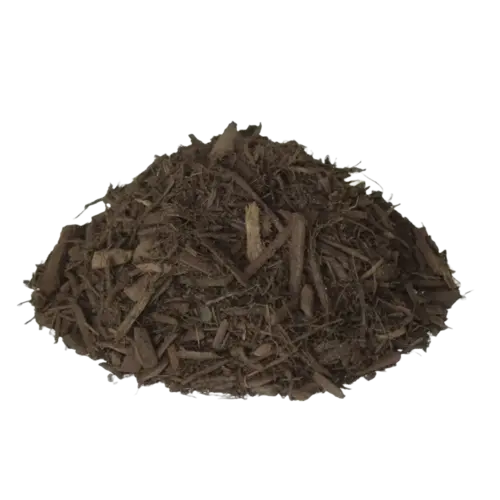
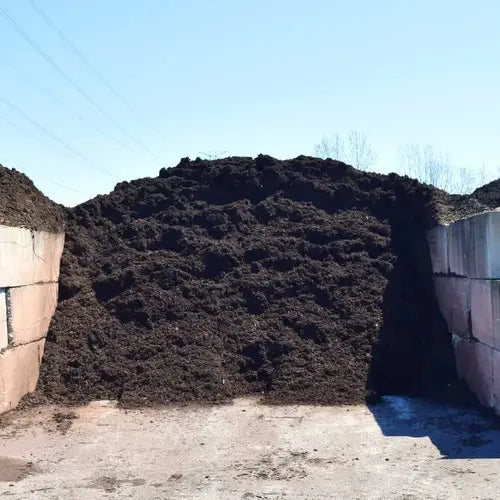
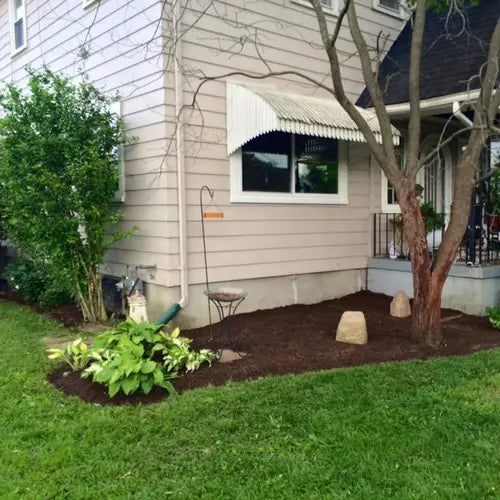
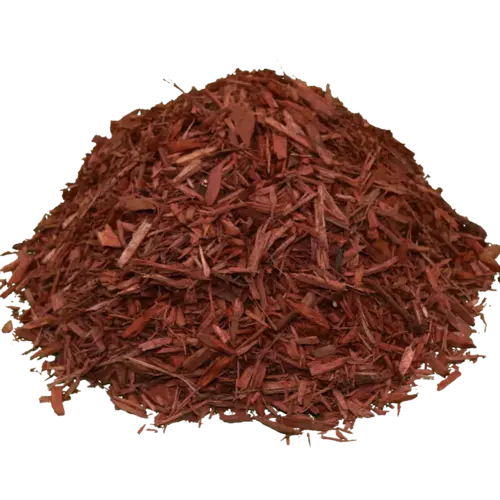
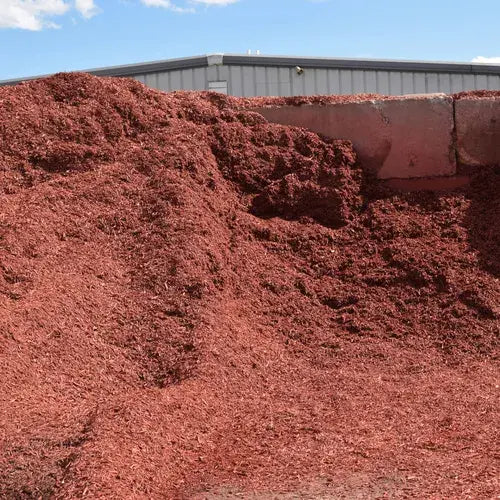
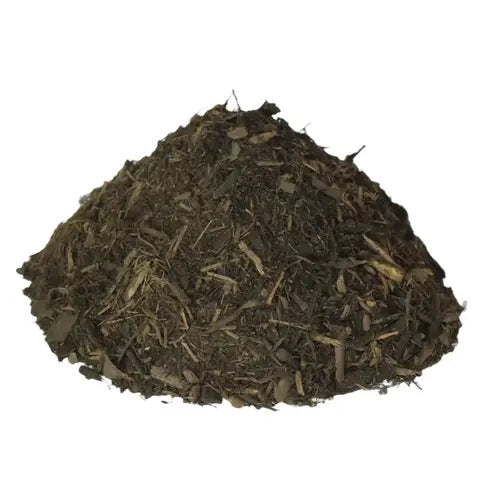
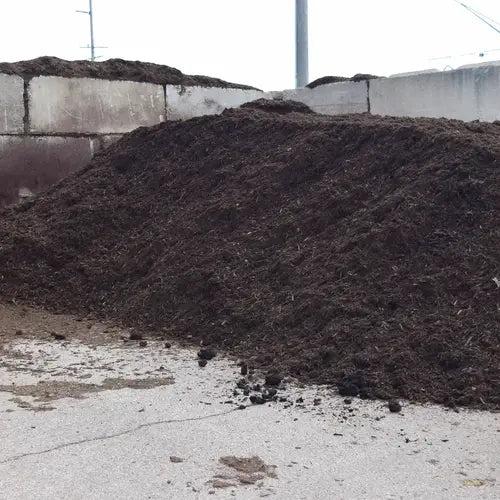
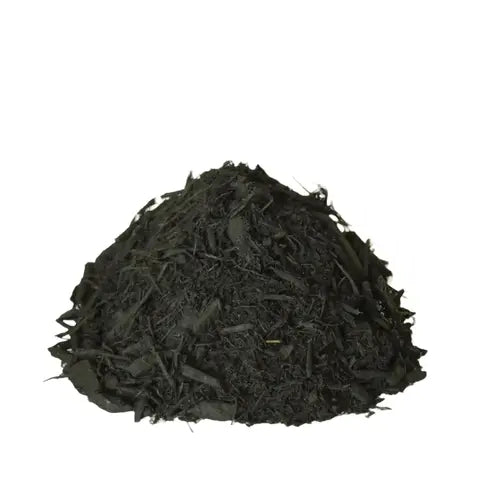
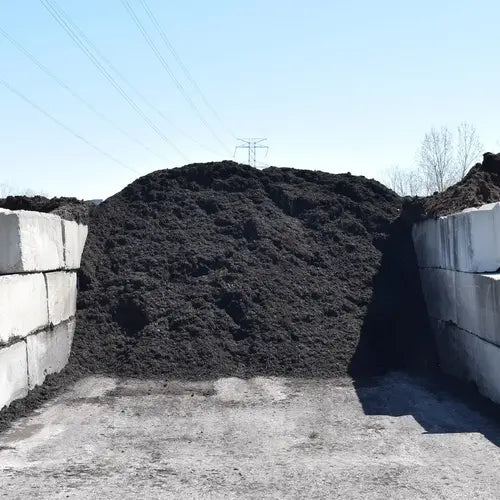
Warm brown double shredded mulch with lasting color that looks freshly applied for weeks. Spreads smooth, stays put, and gives beds a natural, polished appearance.
Good quality, great price, fast delivery. All online - no submitting forms and waiting for days for quotes. Getting mulch should be this easy from everyone. Only Mulch Mound is ACTUALLY this simple.
Tell us what you're looking for
Thanks! We received your request.
Something went wrong. Please try again.
How Much Material Do I Need?
Three inches is the recommended depth for most Wilson beds, giving enough coverage to suppress weeds and buffer moisture loss from the sandy clay loam surface without burying plant crowns.
Use our free mulch calculator
What is a yard?
A yard is approximately 27 cubic feet. As a general guideline, one yard of material can cover an area of about 100-160 square feet at a 2-3 inch depth.
We can't take orders for this right now. Tell us what you need and we'll get back to you.
What do you need?
Thanks! We received your request.
Something went wrong. Please try again.
Hand-picked local yards
4,000+ regional deliveries
Dedicated support
Why order through Mulch Mound
The best local mulch, without the guesswork.
We hand-pick and partner with the best yards in your region, keep only the ones our buyers rate well, and back each load with our guarantee.
Mulch Mound Guarantee
If your mulch isn't the quantity or quality you ordered, we'll make it right.
About this mulch
Warm brown double shredded mulch with lasting color that looks freshly applied for weeks. Spreads smooth, stays put, and gives beds a natural, polished appearance.
Good quality, great price, fast delivery. All online - no submitting forms and waiting for days for quotes. Getting mulch should be this easy from everyone. Only Mulch Mound is ACTUALLY this simple.
How Much Material Do I Need?
Three inches is the recommended depth for most Wilson beds, giving enough coverage to suppress weeds and buffer moisture loss from the sandy clay loam surface without burying plant crowns.
Use our free mulch calculator
What is a yard?
A yard is approximately 27 cubic feet. As a general guideline, one yard of material can cover an area of about 100-160 square feet at a 2-3 inch depth.
Good quality, great price, fast delivery. All online - no submitting forms and waiting for days for quotes. Getting mulch should be this easy fr...
Read full review
Good quality, great price, fast delivery. All online - no submitting forms and waiting for days for quotes. Getting mulch should be this easy from everyone. Only Mulch Mound is ACTUALLY this simple.
I highly recommend Mulch Mound. The quality of the mulch is very good. The ordering system on their website makes it very easy. The delivery driver...
Read full review
I highly recommend Mulch Mound. The quality of the mulch is very good. The ordering system on their website makes it very easy. The delivery driver did a great job placing the mulch on the driveway. To finish off, the pricing was very reasonable as well.
They offered a quick turnaround and delivered high quality mulch at a reasonable price. They also dropped it off exactly where I told them to put i...
Read full review
They offered a quick turnaround and delivered high quality mulch at a reasonable price. They also dropped it off exactly where I told them to put it. Good service!
Measure the length and width of each bed in feet, multiply to get square footage, then divide by 100 to estimate how many cubic yards you need for a three-inch layer. Wilson homeowners with multiple curved island beds often find it easier to photograph the yard and sketch rough dimensions before ordering. Because sandy clay loam compacts somewhat after rain, ordering a small buffer above your calculation helps you avoid running short mid-project.
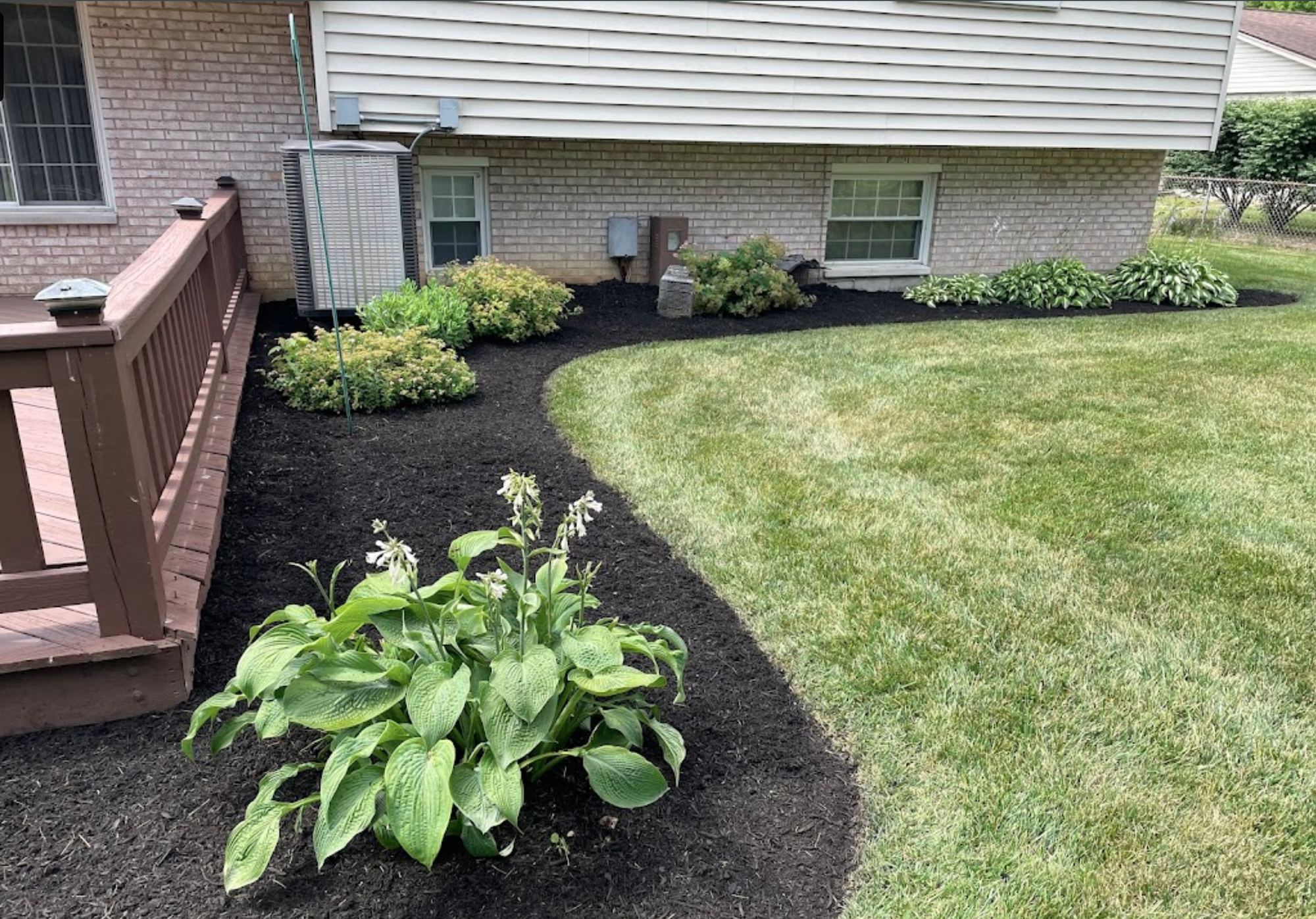
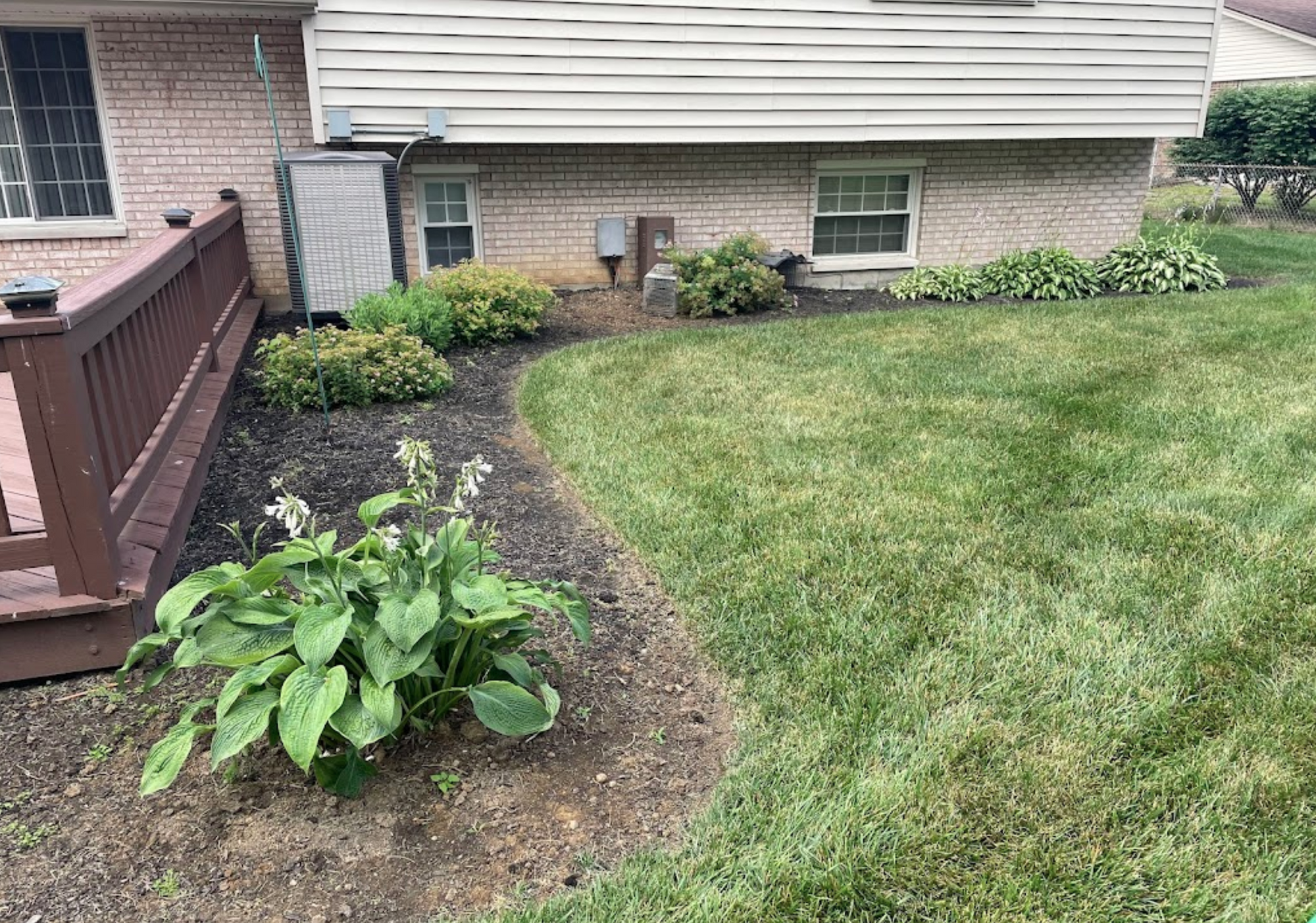
Mulch vs. No Mulch: The Difference
Wilson's combination of heat, humidity, and 48 inches of annual rainfall accelerates organic mulch decomposition faster than you might expect from a single season. Natural hardwood mulch breaks down into soil-enriching organic matter, which is a genuine benefit for Wilson's sandy clay loam, but it does require an annual refresh to maintain effective depth. Dyed mulch uses a wood base that resists breakdown slightly longer and holds its visual color through Wilson's intense summer sun, making it a practical choice for high-visibility front beds where appearance matters as much as function.
Before
After
Best Mulch Choice for Wilson Lawns
Most yards in the Wilson area sit on Sandy Clay Loam type of soil. Wilson's sandy clay loam soil tends to compact at the surface after heavy rain events, creating a crust that resists water infiltration and stresses the shallow root systems of ornamental plants.
Hardwood Mulch
Hardwood mulch applied over Wilson's sandy clay loam breaks down steadily through the long warm season, adding organic matter that loosens the clay fraction, improves drainage, and creates a more hospitable root environment for landscape plants season after season.
Mulch Types We Deliver in Wilson
Mulch Mound delivers bulk mulch by the cubic yard directly to homes and landscapes across eastern North Carolina. Whether you are freshening up foundation beds or tackling a full yard overhaul, bulk mulch delivery in Wilson gives you the volume you need without extra hassle.
Dyed Black Mulch
Triple shredded to a fine, even texture, dyed black mulch delivers a sharp, finished look that suits the traditional home styles common in this part of North Carolina. The deep black color contrasts cleanly against green lawns and colorful plantings, holding its tone through humid summers.
Natural Brown Mulch
Triple shredded for a luxuriously fine finish, natural brown mulch is ideal for homeowners who prefer an organic, undyed look. The warm earthy tones complement native plantings and mixed perennial beds, aging gracefully in the humid coastal plain climate.
Dyed Brown Mulch
Triple shredded dyed brown mulch spreads smooth and stays put, making it a reliable choice for sloped beds and foundation plantings. The warm brown tone pairs naturally with the clay soils and brick-heavy architecture common throughout eastern North Carolina.
Complete Your Outdoor Mulch Project
If you are refreshing beds, consider pairing mulch with a bulk topsoil order to raise low spots before laying mulch, and add a border of decorative stone along bed edges to keep mulch contained through Wilson's heavy summer rains.
Wilson's sandy clay loam tends to form a surface crust after hard rains, which can prevent water from penetrating even under mulch. Before laying fresh mulch, use a garden fork to break up any crusted areas and loosen the top two inches of soil. This one extra step allows both rainfall and irrigation to move through the mulch layer and actually reach the root zone instead of running off the hardened surface beneath.
Mulch Mound Pro Tip
Zone 8a gives Wilson a growing season of roughly 210 days, which means mulch has a long time to break down and thin out before the next spring refresh. Pull back the mulch in a small test spot each October and check the remaining depth. If it has dropped below one and a half inches, plan a top-off delivery before Wilson's first frost on October 29 so root systems head into winter with adequate insulation still in place.
Mulch Mound Pro Tip
With 48 inches of annual rainfall, Wilson's plant beds receive a lot of water that can pool if mulch is piled too thickly against plant stems and tree trunks. Keep mulch pulled two to three inches away from all woody stems and trunk flares to prevent the moisture buildup that leads to crown rot and bark disease. Flat, even coverage across the bed surface does more for your plants than a thick mound concentrated at the base.
Frequently Asked Questions
Click a question to see the answer
Answer
How deep should I apply mulch given Wilson's sandy clay loam soil?
Three inches is the sweet spot for most Wilson beds. Sandy clay loam holds some moisture on its own but compacts under foot traffic and heavy rain. A three-inch layer protects the soil surface from rain impact, keeps it loose, and reduces the moisture loss that happens fast during Wilson's hot July and August afternoons.
Answer
Will mulch wash away during Wilson's frequent summer rainstorms?
Wilson averages about 48 inches of rain per year and many of those inches fall in heavy summer downpours. Shredded hardwood mulch interlocks as it settles, making it far more resistant to washout than nugget or chip styles. On sloped beds, keeping the layer at three inches rather than four also reduces the floating that can happen during intense storms.
Answer
When is the best time of year to refresh mulch in Wilson?
The most effective window is mid to late March, right before Wilson's last frost date of April 2. Applying fresh mulch at that point insulates soil as temperatures begin rising, suppresses the first flush of spring weeds, and gives beds a clean look heading into the growing season. A light top-off in early November after the first frost on October 29 helps protect root systems through winter.
Answer
Does colored mulch hold up in Wilson's intense summer sun?
Wilson's zone 8a summers deliver strong UV exposure from May through September. Dyed mulches use colorfast pigments that resist fading better than raw wood, but all colored mulch will mellow over a full season. Choosing a darker brown or black dyed product tends to show better longevity than red in Wilson's direct sun. Reapplying a thin fresh layer each spring keeps beds looking sharp without over-building depth.
Answer
Can I use mulch around my vegetable garden in Wilson?
Yes, and it works especially well given Wilson's sandy clay loam. That soil type can dry out quickly between the surface and the root zone in raised rows. A two-inch layer of natural hardwood mulch between rows holds moisture, keeps soil temperatures stable during the warm season, and breaks down into organic matter that improves the clay fraction of Wilson's native soil over time.
Answer
How does mulch affect Wilson's sandy clay loam soil over several seasons?
As hardwood mulch decomposes it contributes organic matter that loosens the clay component of Wilson's native soil and improves the water-holding capacity of the sandy fraction. After two or three seasons of consistent mulching, most homeowners notice their beds require less watering and the soil is easier to dig. The decomposition rate is faster in Wilson than in cooler climates because the long warm season keeps microbial activity high almost year-round.
Answer
Should I remove old mulch before adding new material in Wilson?
In most Wilson yards you do not need to strip old mulch unless it has compacted into a mat thicker than four inches. A matted layer can shed water rather than absorbing it, which works against the moisture retention goal. Rake the existing layer to break it up, check the total depth, and add only enough new material to reach three inches. Removing a thin, already-decomposing layer actually wastes the organic matter it is adding back to your soil.
The Unique Landscape of Wilson
Wilson's sandy clay loam soil presents a tricky balancing act for homeowners. It drains reasonably well after light rains but can compact into a dense crust during the long dry stretches that often follow Wilson's summer thunderstorms. With nearly 48 inches of rainfall spread across the year and a growing season that runs from early April through late October, plant beds cycle constantly between wet and dry conditions. A consistent layer of mulch buffers those swings by slowing surface evaporation and preventing rain from hammering bare soil into a hard pan. Wilson's zone 8a summers push heat well above seasonal norms, and mulched root zones stay measurably cooler than exposed beds. Keeping beds covered also reduces the weed pressure that thrives in Wilson's long, warm growing season.