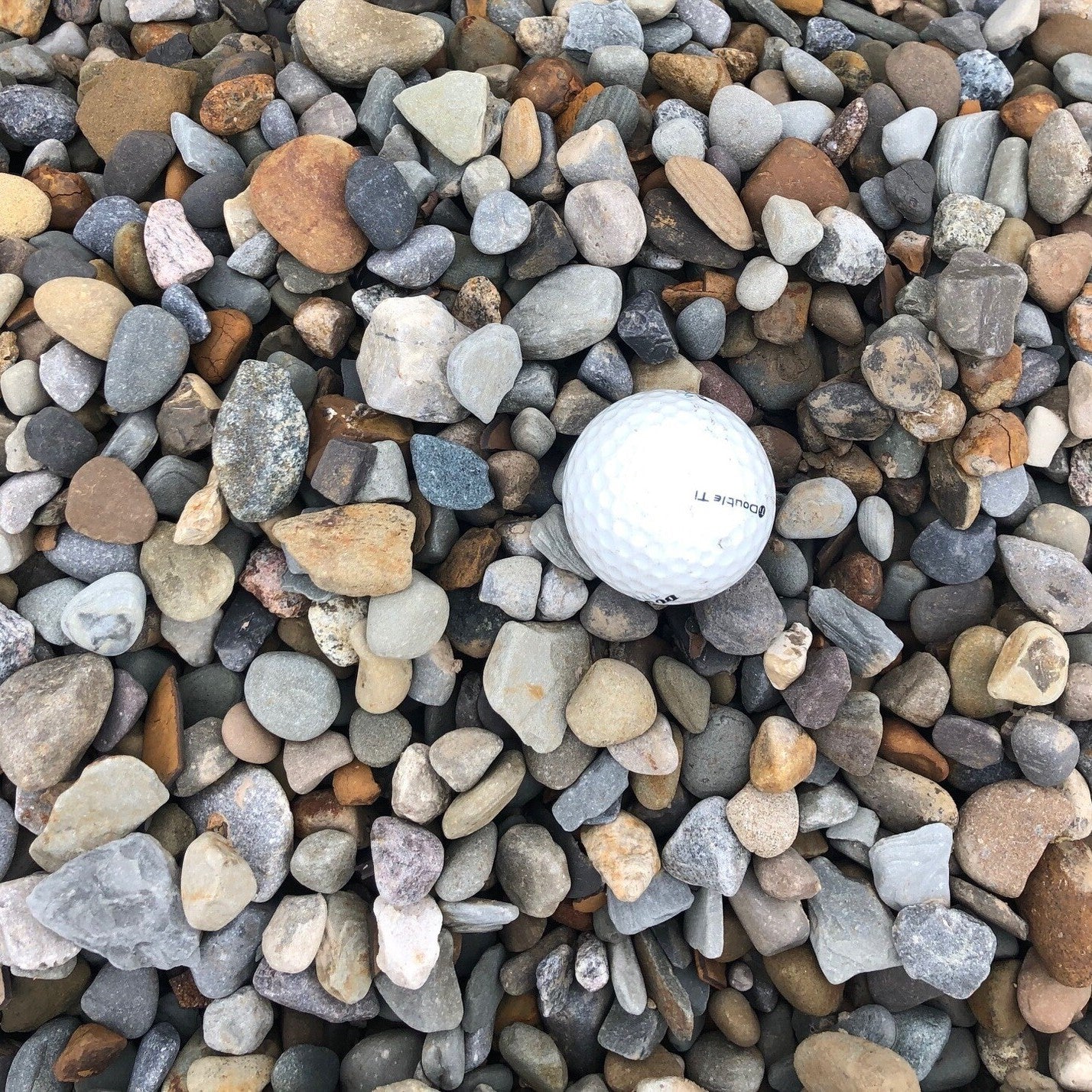
Number 57 crushed stone, angular limestone graded to about three quarters of an inch. The standard driveway, base and drainage gravel, it locks together under traffic and drains fast.
My experience with Mulch Mound was great and super easy. I ordered two yards of screened topsoil and was able to get it delivered within 2 days. They came in my requested time frame (afternoon) and dropped it off where I asked on my driveway. The topsoil was exactly what was a...
Tell us what you're looking for
Thanks! We received your request.
Something went wrong. Please try again.
How Much Material Do I Need?
For Wilson pathways and ground cover areas, three to four inches of stone depth over a firm base provides adequate coverage and drainage, while foundation borders and drainage swales work best at four inches to handle the volume of water that moves through Wilson yards during summer storms.
Use our free gravel calculator
What is a yard?
A yard is approximately 27 cubic feet. As a general guideline, one yard of material can cover an area of about 100-160 square feet at a 2-3 inch depth.
We can't take orders for this right now. Tell us what you need and we'll get back to you.
What do you need?
Thanks! We received your request.
Something went wrong. Please try again.
Hand-picked local yards
4,000+ regional deliveries
Dedicated support
Why order through Mulch Mound
The best local stone, without the guesswork.
We hand-pick and partner with the best yards in your region, keep only the ones our buyers rate well, and back each load with our guarantee.
Mulch Mound Guarantee
If your stone isn't the quantity or quality you ordered, we'll make it right.
About this stone
Number 57 crushed stone, angular limestone graded to about three quarters of an inch. The standard driveway, base and drainage gravel, it locks together under traffic and drains fast.
My experience with Mulch Mound was great and super easy. I ordered two yards of screened topsoil and was able to get it delivered within 2 days. They came in my requested time frame (afternoon) and dropped it off where I asked on my driveway. The topsoil was exactly what was a...
How Much Material Do I Need?
For Wilson pathways and ground cover areas, three to four inches of stone depth over a firm base provides adequate coverage and drainage, while foundation borders and drainage swales work best at four inches to handle the volume of water that moves through Wilson yards during summer storms.
Use our free gravel calculator
What is a yard?
A yard is approximately 27 cubic feet. As a general guideline, one yard of material can cover an area of about 100-160 square feet at a 2-3 inch depth.
My experience with Mulch Mound was great and super easy. I ordered two yards of screened topsoil and was able to get it delivered within 2 days. Th...
Read full review
My experience with Mulch Mound was great and super easy. I ordered two yards of screened topsoil and was able to get it delivered within 2 days. They came in my requested time frame (afternoon) and dropped it off where I asked on my driveway. The topsoil was exactly what was advertised, clean with no rocks or other debris. The price was reasonable. I plan to use them again in a couple weeks to order compost for my garden beds.
Measure your project area in square feet and plan for a three to four inch depth for most Wilson pathway and ground cover projects, then use a cubic yard calculator to get your order quantity. Wilson homeowners doing drainage swales should measure the full length and width of the swale and use a four-inch depth as a baseline, since shallow stone drainage channels fill with sediment quickly in sandy clay loam yards. Adding a small buffer to your order ensures you have enough to top off any thin spots after the first few rainstorms settle the material.
Stone Types We Deliver in Wilson
Mulch Mound delivers bulk stone by the cubic yard straight to Wilson properties, saving you the hassle of hauling material yourself. Whether you are searching for bulk gravel by the yard in Wilson or planning a larger landscape project, we bring what you need right to your driveway or job site. Wilson's warm, humid summers and clay-heavy soils make the right stone choice an important one for drainage and long-term performance.
Pea Gravel
Pea gravel is a go-to choice for Wilson homeowners who want a clean, low-maintenance ground cover that holds up through wet seasons. Its smooth, rounded edges and warm earth tones complement the traditional home styles common across this part of eastern North Carolina. It works well for garden pathways, patios, and drainage beds where water needs a place to move freely.
Complete Your Outdoor Stone Project
Pair a stone installation with a fresh mulch order for adjacent plant beds to create a clean visual contrast and a defined border, and consider a bulk soil delivery to correct any grade issues before laying your stone base so drainage flows in the right direction from the start.
Wilson's sandy clay loam erodes gradually along bed edges and slopes every time a heavy storm rolls through. Before laying stone in any border or pathway area, use an edging spade to cut a clean three-inch deep trench along the perimeter and compact the soil wall. This simple step creates a firm shoulder that holds stone in place and prevents the gradual migration of material onto the lawn or into adjacent planting beds throughout the rainy season.
Mulch Mound Pro Tip
In Wilson's humid summers, fine organic debris like leaves, pine needles, and grass clippings collect quickly in stone ground cover areas and begin to decompose into a thin layer that supports weed germination. Blowing or raking debris off stone surfaces every few weeks during Wilson's growing season prevents this organic layer from building up. Once weeds root into stone they are harder to pull cleanly, so staying ahead of debris accumulation is far easier than dealing with an established weed problem in a gravel bed.
Mulch Mound Pro Tip
Wilson receives about 48 inches of rain per year, much of it in fast-moving summer storms that can dislodge lighter decorative stones from sloped areas before the ground has a chance to absorb the water. Choosing a heavier stone such as two-inch river rock or angular granite for any part of your yard with even a gentle slope dramatically reduces migration compared to lighter pea gravel. The added weight holds the surface stable through runoff events and means less raking and replenishment work throughout the growing season.
The Unique Landscape of Wilson
Stone is one of the most practical long-term investments a Wilson homeowner can make in their landscape. Wilson's 48 inches of annual rainfall creates consistent drainage challenges, and permeable stone surfaces along pathways and borders allow water to percolate down rather than running off across lawns and plant beds. The area's sandy clay loam soil erodes gradually along slopes and bed edges when left unprotected, and stone edging or ground cover holds that soil in place through even the heaviest summer storms. Stone does not decompose in Wilson's humid heat the way organic materials do, which means a well-installed stone pathway or drainage swale keeps functioning without the annual maintenance that mulch beds require. Wilson's long growing season also means less time available for lawn upkeep, and converting high-maintenance areas to stone ground cover is a practical advantage for busy homeowners. Decorative stone adds visual structure to Wilson landscapes year-round, including the winter months when plant material is sparse.
Frequently Asked Questions
Click a question to see the answer
Answer
What size stone works best for drainage along the low areas in my Wilson yard?
For drainage swales and low spots in Wilson yards, a clean one and a half to two inch river rock or washed gravel works best. The larger the stone, the more space between pieces for water to move through quickly, which matters in Wilson where summer storms can drop a heavy volume of rain in a short time. Smaller decorative pea gravel looks attractive but packs together and slows drainage significantly in high-flow situations.
Answer
Will stone shift or sink in Wilson's clay loam soil over time?
Sandy clay loam can shift under heavy stone, especially in areas that stay wet after Wilson's frequent rains. Installing a two to three inch base of compacted crushed stone or coarse gravel beneath your decorative surface layer prevents the sinking that happens when wet clay softens under weight. For pathways and patio areas that see regular foot traffic, a landscape fabric layer between the base and surface stone also helps prevent the top material from working its way into the ground over time.
Answer
Is stone a good option for ground cover under trees in Wilson?
Stone can work well around trees in Wilson but requires careful selection. Large river rock or two-inch decorative gravel allows rain to pass through to tree roots, which matters given Wilson's 48 inches of annual rainfall. Avoid fine gravel that compacts tightly, as it can actually redirect water away from the root zone. Stone does not add organic matter the way hardwood mulch does, so trees planted in Wilson's sandy clay loam will benefit from an annual light compost application if stone is used as the long-term ground cover.
Answer
What type of stone works best for a low-maintenance pathway in a Wilson backyard?
Pea gravel and river rock are both popular for Wilson backyard pathways, but three-quarter inch crusher run compacts into a firm surface that stays stable even after heavy rain. Loose pea gravel tends to scatter and migrate during Wilson's rainstorms, requiring regular raking and replenishment. Crusher run, once compacted and settled, forms a cohesive surface that handles foot traffic well and drains cleanly without washing out the way lighter stones do on sloped Wilson lots.
Answer
How deep should I lay stone for a pathway in Wilson?
For a basic foot traffic pathway in Wilson, three to four inches of stone depth over a compacted base is sufficient. On flat ground, three inches compacts adequately for regular use and handles Wilson's rainfall without shifting. On any area with a slight slope, four inches gives more material to absorb rain impact and stay in place through the season. Shallow layers under two inches tend to sink into Wilson's sandy clay loam over the course of one rainy season.
Answer
Can I use stone around my foundation to improve drainage and keep mulch away from the house?
Foundation stone borders are a smart choice for Wilson homes where heavy summer rains drive mulch and soil toward the house over time. A twelve to eighteen inch band of washed gravel or river rock along the foundation line keeps organic material away from wood and siding, improves drainage at the base of the house, and reduces the moisture that collects against the foundation during Wilson's wet seasons. Paired with a proper graded slope away from the house, a stone foundation border is one of the most practical drainage improvements a Wilson homeowner can make.
Answer
Does decorative stone fade or change color over time in Wilson's sun and heat?
Natural stone holds its color well in Wilson's sun and heat because it is mineral-based rather than dyed. River rock and granite gravel look essentially the same after five or ten years as they did when first installed. The main visual change you will notice is that stone gets darker when wet during Wilson's frequent rains and lightens again as it dries. Some moss and algae can grow on stone surfaces in shaded, moist areas of Wilson yards, but a simple rinse with a garden hose or diluted vinegar solution clears that up quickly.
Answer
Is crush and run the same as crusher run?
Crush and run refers to crushed stone blended with stone dust that compacts tight for driveway and paver base work. With Wilson's heavy rainfall and clay loam soil, drainage matters more than compaction for most landscape projects, so we deliver Crushed Stone #57, which lets water pass through instead of pooling.