



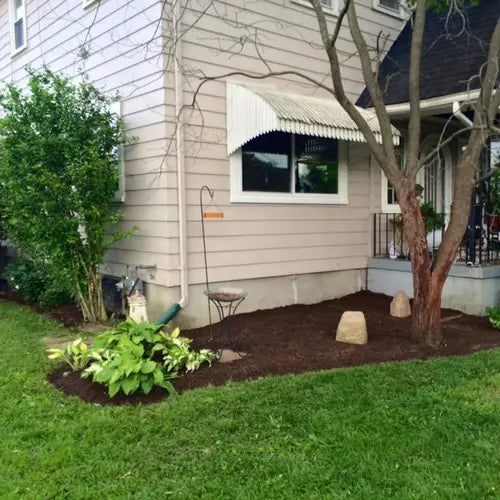

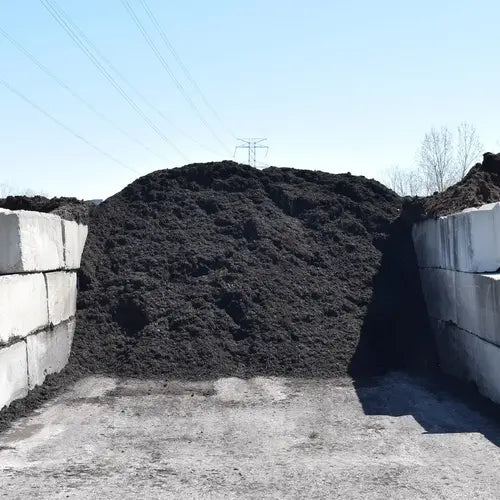
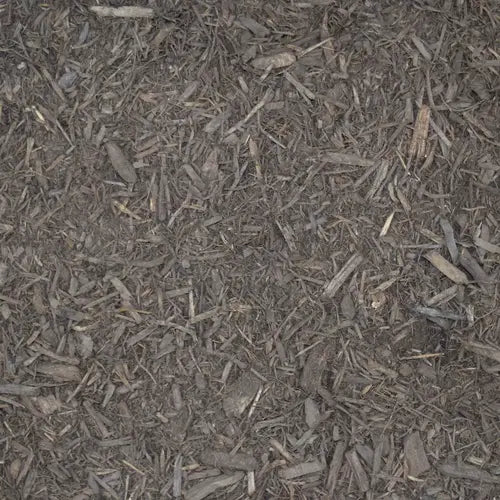
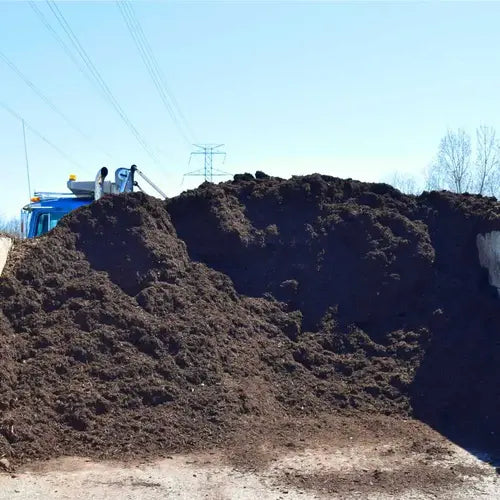
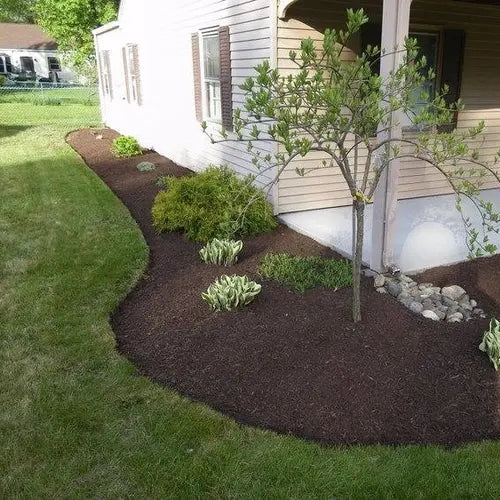





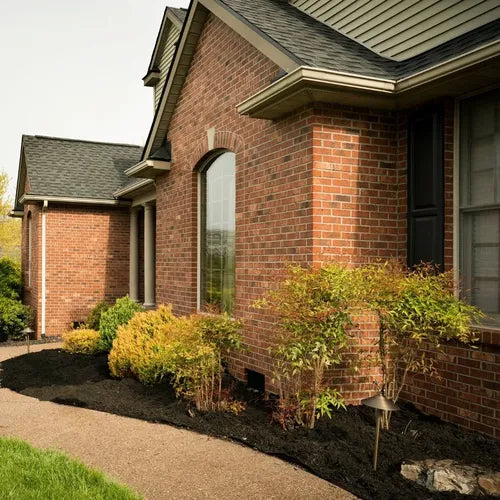

Our delivery was delayed but the new brown color mulch is a nice upgrade to our landscaping.
About this mulch
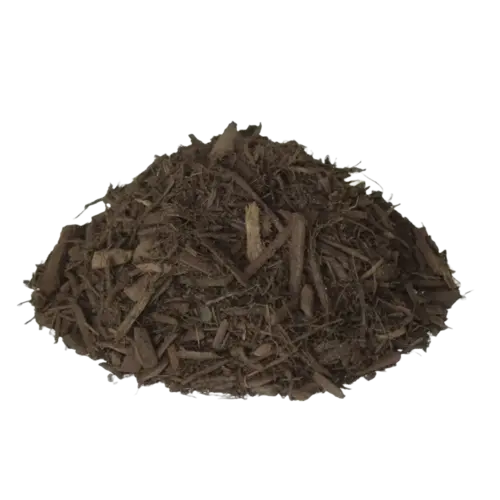
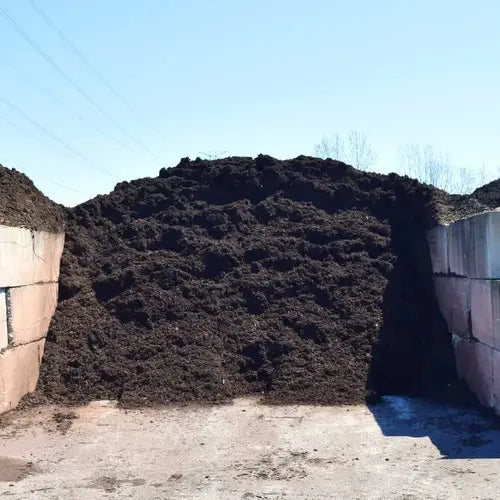
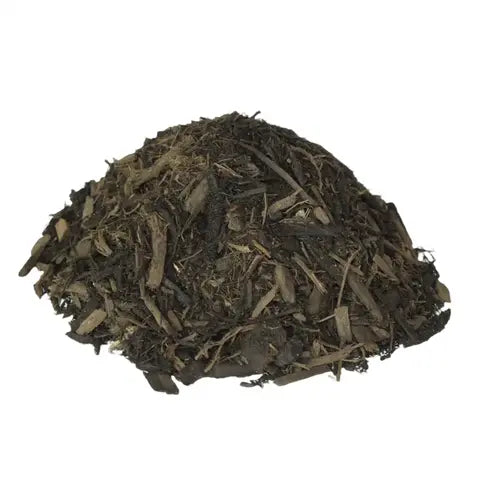
Warm brown double shredded mulch with lasting color that looks freshly applied for weeks. Spreads smooth, stays put, and gives beds a natural, polished appearance.
Our delivery was delayed but the new brown color mulch is a nice upgrade to our landscaping.
Tell us what you're looking for
Thanks! We received your request.
Something went wrong. Please try again.
How Much Material Do I Need?
How Much Material Do I Need?
For most Winchester landscape beds with clay loam soil, a 3-inch layer of mulch provides the right balance of moisture retention and weed control without waterlogging plant roots. If you are mulching newly planted trees or shrubs, a 4-inch depth can provide extra insulation through Winchester's first fall frost season beginning around October 12.
Use our free mulch calculator
What is a yard?
What is a yard?
FAQs
FAQs
Winchester Mulch Delivery
Winchester Mulch Delivery
Regular price
$75.00
per
yard
Regular price
Sale price
$75.00
Unit price
per
Shipping calculated at checkout.
Minimum of 3 yard
Couldn't load pickup availability
Not currently available
We can't take orders for this right now. Tell us what you need and we'll get back to you.
Hand-picked local yards
4,000+ regional deliveries
Dedicated support
Why order through Mulch Mound
The best local mulch, without the guesswork.
We hand-pick and partner with the best yards in your region, keep only the ones our buyers rate well, and back each load with our guarantee.
Mulch Mound Guarantee
If your mulch isn't the quantity or quality you ordered, we'll make it right.
About this mulch
Warm brown double shredded mulch with lasting color that looks freshly applied for weeks. Spreads smooth, stays put, and gives beds a natural, polished appearance.
Our delivery was delayed but the new brown color mulch is a nice upgrade to our landscaping.
How Much Material Do I Need?
How Much Material Do I Need?
For most Winchester landscape beds with clay loam soil, a 3-inch layer of mulch provides the right balance of moisture retention and weed control without waterlogging plant roots. If you are mulching newly planted trees or shrubs, a 4-inch depth can provide extra insulation through Winchester's first fall frost season beginning around October 12.
Use our free mulch calculator
What is a yard?
What is a yard?
FAQs
FAQs
Tell us what you're looking for
Thanks! We received your request.
Something went wrong. Please try again.

How It Works
Getting started is easy — just follow these simple steps
1
Choose your Mulch
Make sure you adjust the quantity to your home's needs. You can use our calculator to estimate how much you'll need.
2
Select your delivery date
Select a delivery date you'd like for the product to be dropped off at your home
3
Sit back and wait
Sit back, wait, and let us work our magic to make sure the highest quality product is delivered to your driveway.

Mulch Mound made it so easy! So happy with the pricing, turn around time, delivery and product. I submitted my online order on a Thursday. The mu...
Read full review
Mulch Mound made it so easy! So happy with the pricing, turn around time, delivery and product. I submitted my online order on a Thursday. The mulch was delivered to the designated location by a local landscape company at 8:30 a.m. the following Saturday morning. We had the job completed by that afternoon. We chose the natural brown mulch, and the plant beds are beautiful.

Good quality, great price, fast delivery. All online - no submitting forms and waiting for days for quotes.
Getting mulch should be this easy fr...
Read full review
Good quality, great price, fast delivery. All online - no submitting forms and waiting for days for quotes.
Getting mulch should be this easy from everyone. Only Mulch Mound is ACTUALLY this simple.
Calculate mulch for your Winchester project
For Winchester's Clay Loam type of soil, we recommend 2-3 inches for best weed suppression and moisture retention
Try Our CalculatorMeasure the length and width of each bed in feet and multiply to get square footage, then use our calculator to determine how many cubic yards you need based on your desired depth. In Winchester, a 3-inch depth is the standard recommendation for clay loam beds, as this provides adequate weed suppression without creating drainage problems around established plantings. If your beds have a lot of established shrubs or perennials, reduce your depth estimate slightly to account for the area their bases occupy.
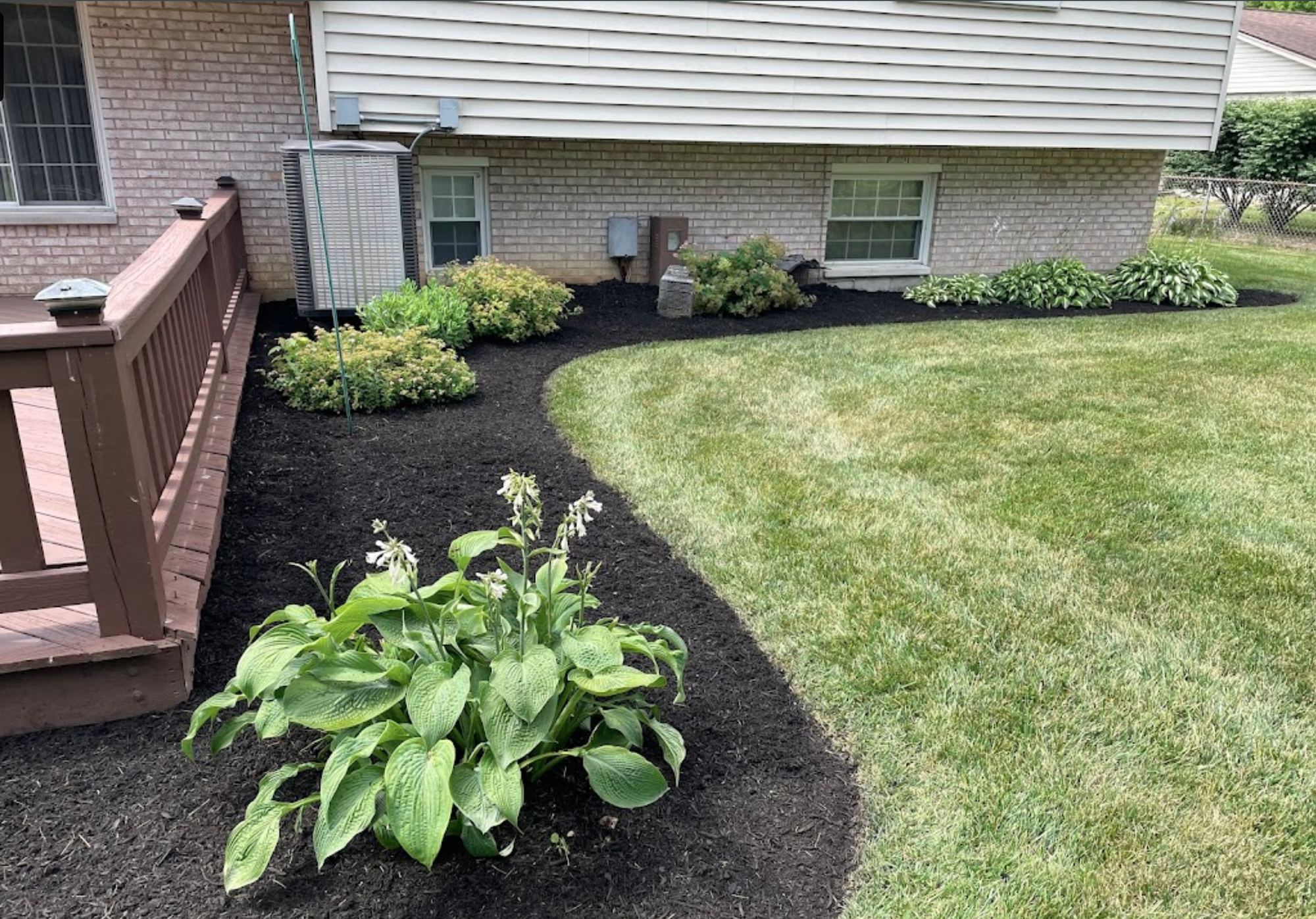
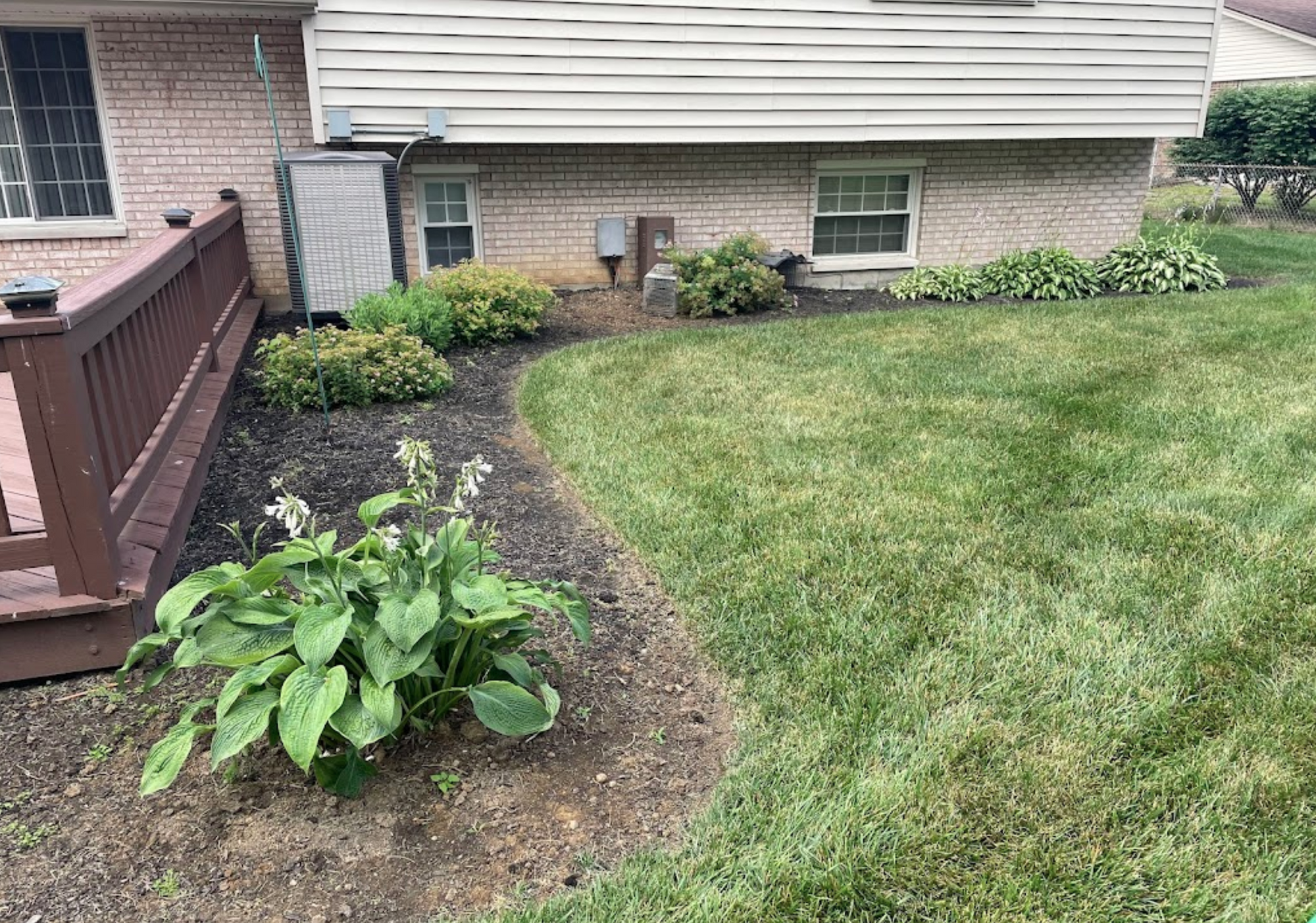

Best Mulch Choice for Winchester Lawns
Most yards in the Winchester area sit on Clay Loam type of soil. Winchester's clay loam soil has a natural tendency to compact and drain slowly, which can leave plant roots sitting in waterlogged conditions after heavy rains if beds are not properly prepared and covered.
Hardwood Mulch
Hardwood mulch is particularly beneficial on Winchester's clay loam soil because as it decomposes it introduces organic matter that gradually loosens soil structure, improves drainage between watering cycles, and provides a slow release of nutrients that dense clay loam alone cannot reliably supply to growing plants.
Mulch Types We Deliver in Winchester
Bulk mulch delivery in Winchester brings fresh material straight to your driveway or job site, sold by the cubic yard for any size project. Ordering in bulk costs far less per yard than bags and eliminates multiple hardware store trips. The northern Shenandoah Valley's warm summers and clay-heavy soils make a fresh layer of mulch one of the best investments you can make for low-maintenance, healthy beds.
Dyed Black Mulch
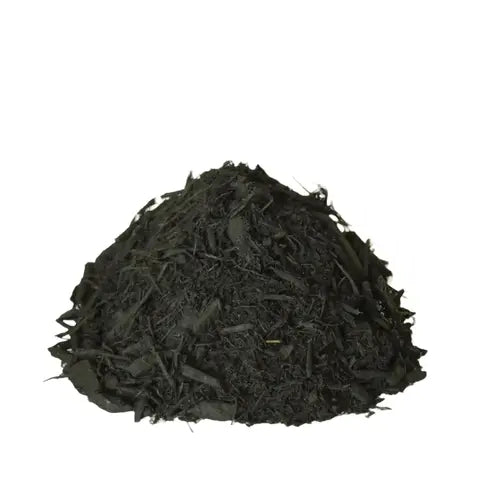
Bold double shredded black mulch that gives beds a sharp, defined look year round. The deep color holds through the region's warm summers and wet springs, contrasting beautifully against the green foliage and brick facades common to homes in this part of Virginia.
Dyed Brown Mulch
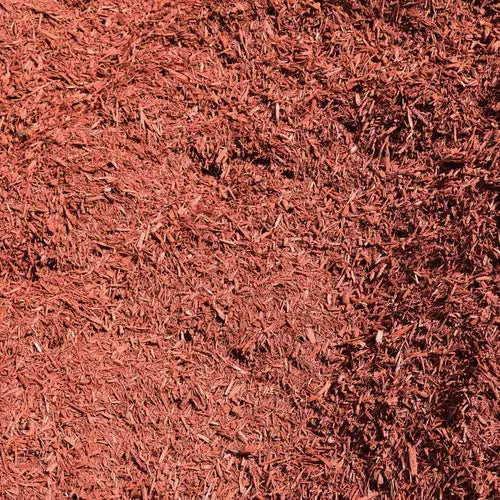
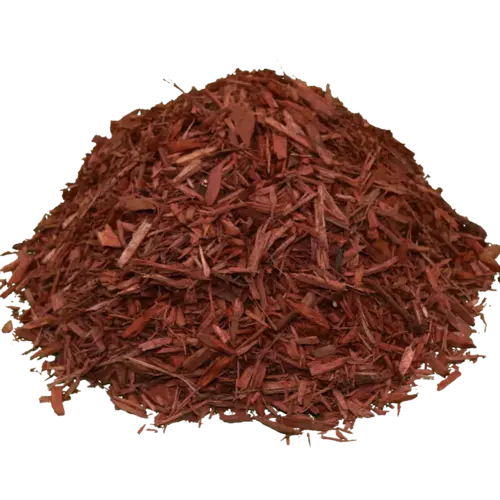
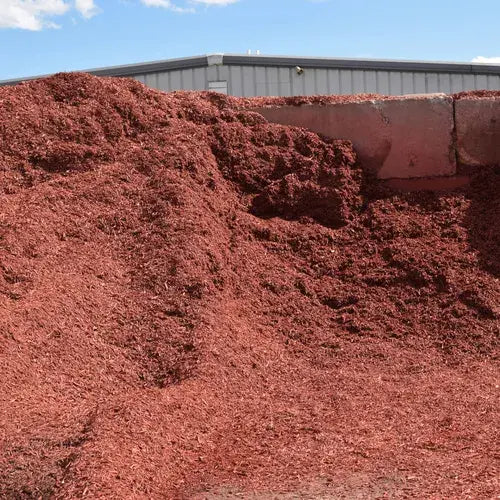
Warm double shredded brown mulch with lasting color that blends naturally into the surrounding landscape. Its smooth texture spreads easily over larger bed areas, and the consistent tone gives front yards a clean, polished finish that looks freshly applied for weeks after delivery.
Dyed Red Mulch
Vibrant double shredded red mulch that adds bold seasonal color to beds and borders. The intense tone holds well through Virginia's hot summers and pops against the lush greenery typical of well-landscaped yards in this area, making it a strong choice for high-visibility plantings.
Natural Brown Mulch
Undyed double shredded mulch with a rich, earthy tone that comes straight from the wood. It suits homeowners who prefer a clean, natural look that complements the region's wooded surroundings and blends easily into native plant beds, mixed borders, and established landscape designs.
Complete Your Outdoor Mulch Project
If your beds need a nutrient boost before mulching, consider pairing your mulch order with a delivery of premium garden soil to improve the dense clay loam base that most Winchester properties start with. Adding stone edging or decorative gravel borders helps keep your mulch contained and prevents it from washing onto driveways or lawn areas during Winchester's heavier rain events.


Mulch Mound Pro Tip
Winchester's clay loam soil can form a hard crust after summer dry spells, making it difficult for mulch to bond properly with the surface. Before spreading new mulch, use a garden fork to loosen the top inch of soil in your beds. This simple step helps moisture from rain and irrigation move through the mulch layer into the root zone instead of sheeting off the surface, which is especially important during Winchester's drier stretches in July and August.
Mulch Mound Pro Tip
Because Winchester sits at 712 feet of elevation in the Shenandoah Valley, late afternoon temperatures can drop more quickly than homeowners expect, especially in fall. If you are planting tender perennials or late-season annuals, apply your mulch layer right after planting rather than waiting until the beds look bare. Getting insulation in place before the first frost around October 12 can extend the life of marginally hardy plants by several weeks and reduce winter dieback on borderline Zone 7a specimens.
Mulch Mound Pro Tip
Winchester receives about 38 inches of rain per year, and late winter storms and spring rains can compact bare clay loam beds significantly by the time planting season arrives. Keeping a fresh layer of mulch on your beds year-round, even through winter, prevents surface compaction and reduces the soil preparation work you face each April. Consistent coverage also controls erosion on sloped beds, which is a common concern on Winchester properties that follow the area's gently rolling terrain.
The Unique Landscape of Winchester
Winchester's clay loam soil presents a genuine challenge for plant beds, as it tends to compact over time and can shift between being sticky and waterlogged after heavy rains to hard and cracked during dry stretches. Laying a quality mulch layer helps buffer these extremes by slowing evaporation and encouraging earthworm activity that naturally loosens the soil below. With roughly 38 inches of rain spread across the year, bare beds in Winchester are prone to erosion and nutrient runoff, and mulch acts as a protective blanket that keeps topsoil in place. Zone 7a winters mean roots are not dormant for long, so insulating the root zone from the freeze and thaw cycles that typically occur between October and April is important for plant survival. Replenishing mulch each spring, ideally after the last frost around April 15, gives your beds a clean start and keeps moisture available as temperatures climb through the growing season.