


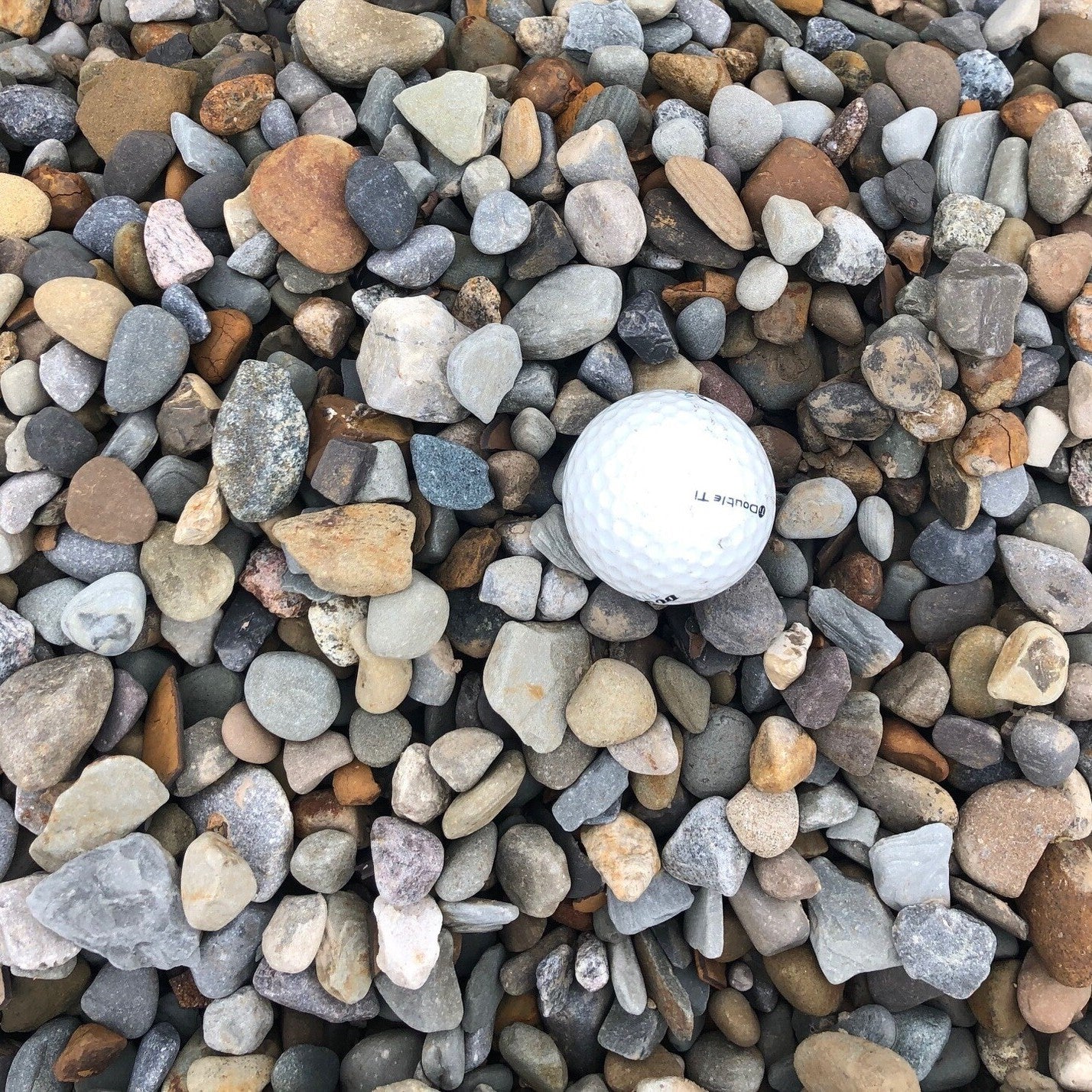


The driver nailed it on putting the gravel I ordered in front of my trailer and between the sidewalk. Very satisfied with how my flowerbeds look now.
About this stone
Number 57 crushed stone, angular limestone graded to about three quarters of an inch. The standard driveway, base and drainage gravel, it locks together under traffic and drains fast.
The driver nailed it on putting the gravel I ordered in front of my trailer and between the sidewalk. Very satisfied with how my flowerbeds look now.
Tell us what you're looking for
Thanks! We received your request.
Something went wrong. Please try again.
How Much Material Do I Need?
How Much Material Do I Need?
For pathways and drainage areas over Winchester's clay loam soil, plan on a minimum of 4 to 6 inches of stone depth to ensure stability through freeze-thaw cycles and prevent sinking into the native soil. Decorative stone borders and foundation beds typically need 3 to 4 inches to look full, provide adequate drainage around plantings, and stay in place during Winchester's heavier rain events.
Use our free gravel calculator
What is a yard?
What is a yard?
FAQs
FAQs
Winchester Gravel Delivery
Winchester Gravel Delivery
Regular price
$133.00
per
yard
Regular price
Sale price
$133.00
Unit price
per
Shipping calculated at checkout.
Minimum of 3 yard
Couldn't load pickup availability
Not currently available
We can't take orders for this right now. Tell us what you need and we'll get back to you.
Hand-picked local yards
4,000+ regional deliveries
Dedicated support
Why order through Mulch Mound
The best local stone, without the guesswork.
We hand-pick and partner with the best yards in your region, keep only the ones our buyers rate well, and back each load with our guarantee.
Mulch Mound Guarantee
If your stone isn't the quantity or quality you ordered, we'll make it right.
About this stone
Number 57 crushed stone, angular limestone graded to about three quarters of an inch. The standard driveway, base and drainage gravel, it locks together under traffic and drains fast.
The driver nailed it on putting the gravel I ordered in front of my trailer and between the sidewalk. Very satisfied with how my flowerbeds look now.
How Much Material Do I Need?
How Much Material Do I Need?
For pathways and drainage areas over Winchester's clay loam soil, plan on a minimum of 4 to 6 inches of stone depth to ensure stability through freeze-thaw cycles and prevent sinking into the native soil. Decorative stone borders and foundation beds typically need 3 to 4 inches to look full, provide adequate drainage around plantings, and stay in place during Winchester's heavier rain events.
Use our free gravel calculator
What is a yard?
What is a yard?
FAQs
FAQs
Tell us what you're looking for
Thanks! We received your request.
Something went wrong. Please try again.
How It Works
Getting started is easy — just follow these simple steps
1
Choose your stone
Make sure you adjust the quantity to your home's needs. You can use our calculator to estimate how much you'll need.
2
Select your delivery date
Select a delivery date you'd like for the product to be dropped off at your home
3
Sit back and wait
Sit back, wait, and let us work our magic to make sure the highest quality product is delivered to your driveway.

Placing an order online was so easy. Delivery was on time. When the driver realized we had a newly poured driveway they erred on the side of cautio...
Read full review
Placing an order online was so easy. Delivery was on time. When the driver realized we had a newly poured driveway they erred on the side of caution and opted not ti drive in it. The company even sent me a message explaining that call. Would recommend!

Online ordering was really simple and I liked the transparent pricing.
Need Help Calculating How Much Gravel You Need?
Use our NEW Trace from Satellite tool to get an estimate for your project based on an aerial view of your property
Try Our CalculatorMeasure the length and width of your stone project area in feet, multiply for square footage, then determine the depth in inches you need and use our calculator to convert to cubic yards. For Winchester pathways and drainage beds over clay loam soil, a minimum of 4 inches of depth is recommended to prevent stone from working down into the native soil over time. If your project involves a sloped area or drainage channel, add an extra inch of depth to account for settling during Winchester's wet winter and spring months.
Stone Types We Deliver in Winchester
Winchester homeowners and landscapers count on us for bulk gravel by the yard in Winchester, delivered right to the job site without the hassle of hauling. Whether you are refreshing a garden bed, improving drainage in clay-heavy Shenandoah Valley soil, or laying a clean pathway around a traditional brick colonial, we make ordering straightforward and affordable. One call gets you a measured load of quality stone sized for the project at hand.
Pea Gravel
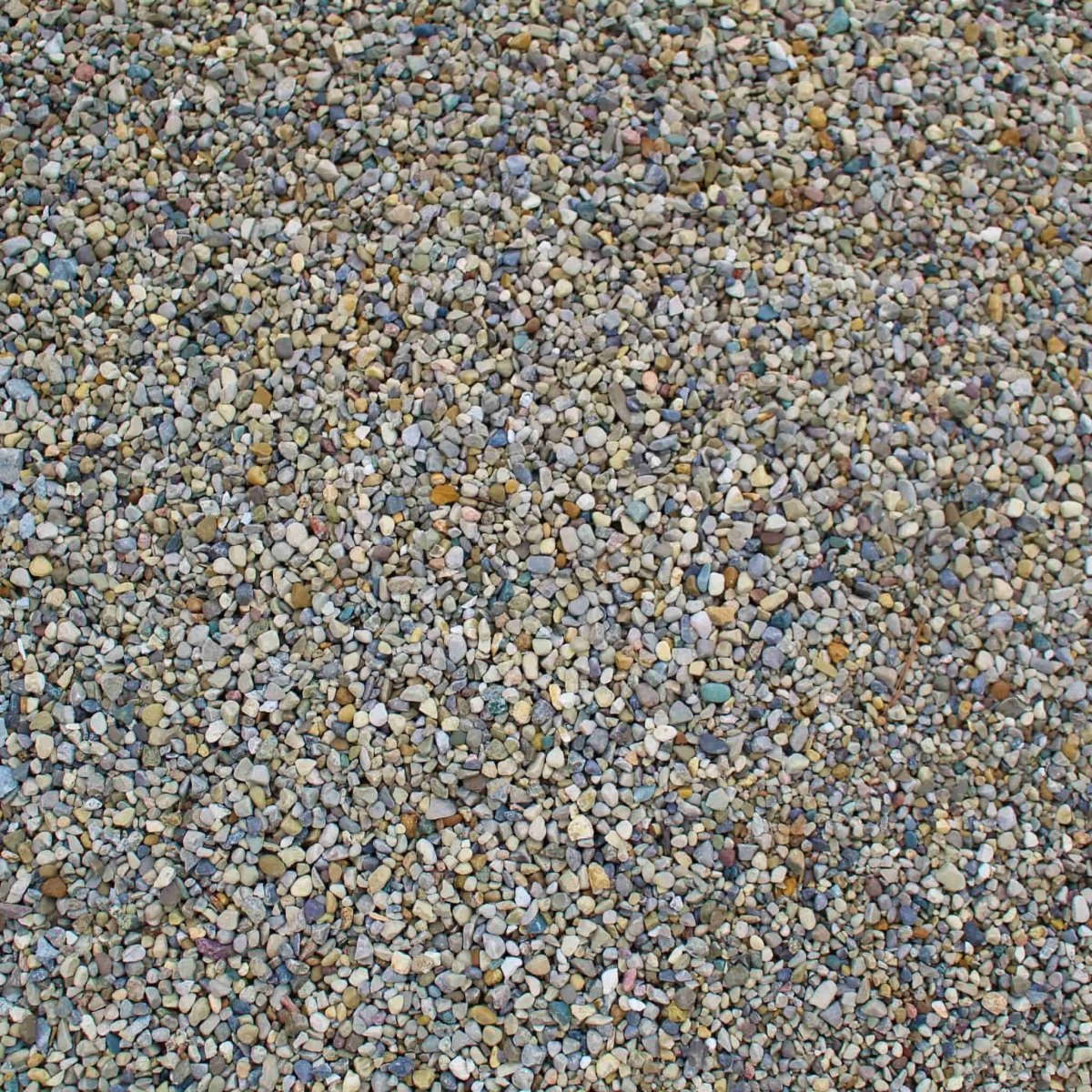
Smooth and rounded with warm earth tones that complement the brick and stone exteriors common throughout the Winchester area, pea gravel is a go-to choice for patios, walkways, and decorative ground cover. Its natural drainage performance makes it especially practical in yards where clay soil slows water movement after heavy Appalachian rains.
Complete Your Outdoor Stone Project
If your stone project involves reshaping grade or filling drainage channels, pairing your stone delivery with a topsoil order ensures you have the right material to build proper slopes before placing stone on top. For areas where you want both a polished look and improved soil health, layering stone borders alongside mulched planting beds gives Winchester landscapes a finished, functional appearance that works with the local clay loam conditions and annual rainfall.



Mulch Mound Pro Tip
Winchester's clay loam soil is especially prone to frost heave during the repeated freeze-thaw cycles that occur from October through early April. Before installing any stone pathway or border, compact the clay loam base thoroughly and consider adding a 2-inch layer of crusher run as a sub-base before your top decorative stone. This compacted layer distributes weight evenly and significantly reduces the heaving and shifting you will see after Winchester's coldest months, keeping your installation looking level season after season.
Mulch Mound Pro Tip
When creating a dry creek bed or drainage swale with stone on a Winchester property, stone size matters for long-term function. Using stones that are too small, like pea gravel, allows them to wash away during the heavier rain events that Winchester receives periodically throughout the year. River rock in the 2 to 4 inch size range stays in place during strong runoff and still allows water to move through the channel effectively, making it the right choice for drainage applications on Winchester's sloped terrain.
Mulch Mound Pro Tip
In Winchester, stone placed along south-facing walls or near paved surfaces can absorb significant heat during summer afternoons, raising soil temperatures in adjacent planting beds above what Zone 7a plants prefer during July and August. If you are installing decorative stone near foundation beds, choose lighter-colored stone that reflects more heat and position your plantings far enough from the stone edge that roots are not sitting in overheated soil. This small adjustment keeps your plants healthier and reduces water needs during Winchester's hottest stretches.
The Unique Landscape of Winchester
Stone is one of the most practical landscape materials for Winchester properties because it addresses several challenges that the local climate and soil create simultaneously. Winchester's clay loam soil drains slowly, making low-lying areas and pathway zones prone to mud and erosion when the area receives its typical 38 inches of annual rainfall. A well-placed gravel or crushed stone pathway stays firm and passable even after heavy rain events, while decorative stone borders can redirect runoff away from foundations and garden beds. Zone 7a winters in Winchester bring repeated freeze-thaw cycles that shift and heave organic mulch and soft soil, but stone holds its position year-round with minimal maintenance. At 712 feet of elevation, Winchester properties often feature gently sloped terrain where erosion control is an ongoing concern, and stone is the most durable and low-maintenance solution available for managing those grade changes.