




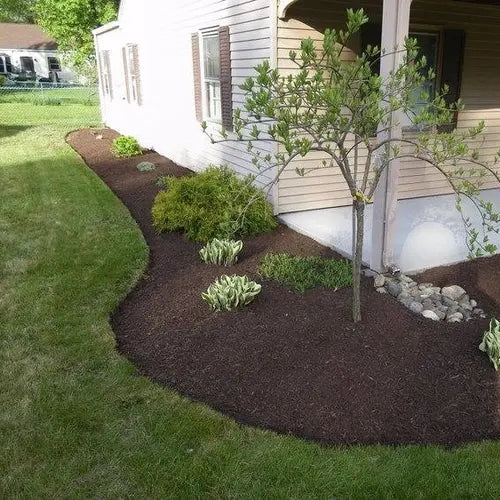

Website was easy to use. Mulch was delivered on time and exactly where specified. It makes our front yard look great just in time for spring!
About this mulch
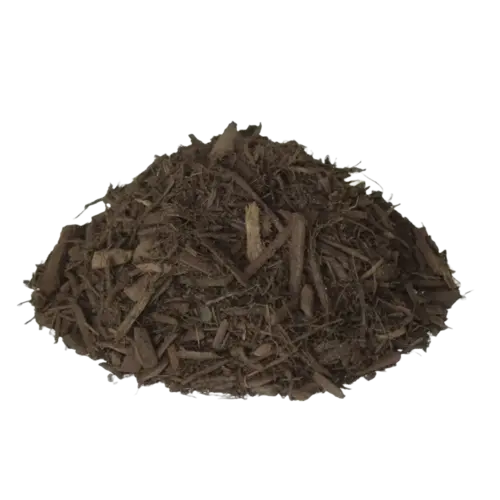
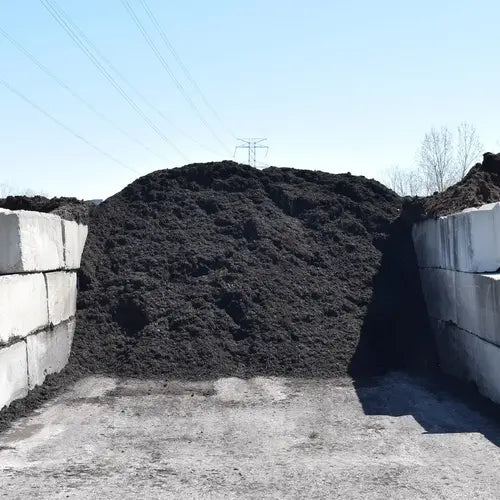
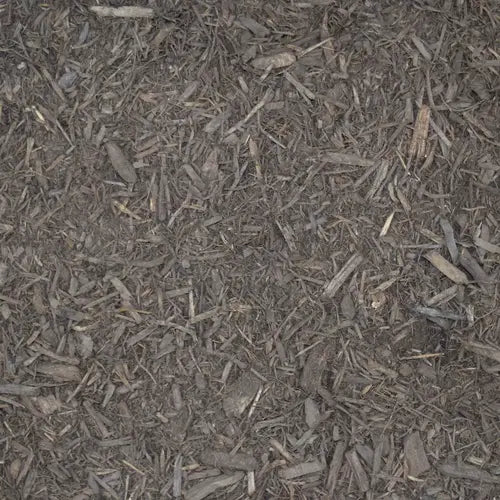
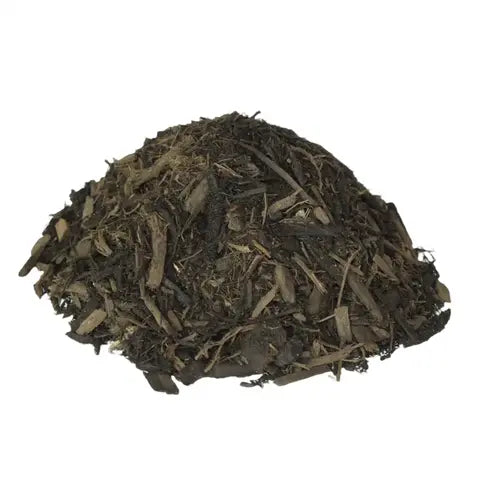
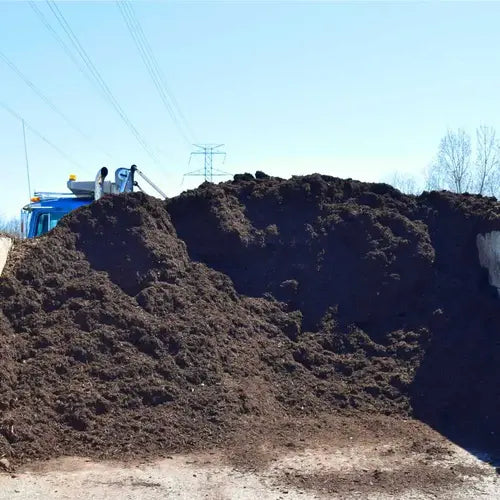
Warm brown double shredded mulch with lasting color that looks freshly applied for weeks. Spreads smooth, stays put, and gives beds a natural, polished appearance.
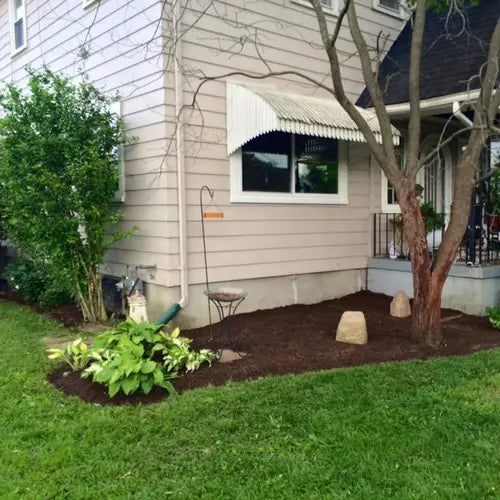
Website was easy to use. Mulch was delivered on time and exactly where specified. It makes our front yard look great just in time for spring!
Tell us what you're looking for
Thanks! We received your request.
Something went wrong. Please try again.
How Much Material Do I Need?
How Much Material Do I Need?
For Wisconsin Rapids's sandy loam soil, apply mulch at a depth of 3 inches to effectively slow surface moisture loss and suppress annual weeds. Beds on sunny south-facing exposures or slopes may benefit from a full 4-inch layer to compensate for the faster drying that occurs in those spots.
Use our free mulch calculator
What is a yard?
What is a yard?
FAQs
FAQs
Wisconsin Rapids Mulch Delivery
Wisconsin Rapids Mulch Delivery
Regular price
$64.00
per
yard
Regular price
Sale price
$64.00
Unit price
per
Shipping calculated at checkout.
Minimum of 3 yard
Couldn't load pickup availability
Not currently available
We can't take orders for this right now. Tell us what you need and we'll get back to you.
Hand-picked local yards
4,000+ regional deliveries
Dedicated support
Why order through Mulch Mound
The best local mulch, without the guesswork.
We hand-pick and partner with the best yards in your region, keep only the ones our buyers rate well, and back each load with our guarantee.
Mulch Mound Guarantee
If your mulch isn't the quantity or quality you ordered, we'll make it right.
About this mulch
Warm brown double shredded mulch with lasting color that looks freshly applied for weeks. Spreads smooth, stays put, and gives beds a natural, polished appearance.
Website was easy to use. Mulch was delivered on time and exactly where specified. It makes our front yard look great just in time for spring!
How Much Material Do I Need?
How Much Material Do I Need?
For Wisconsin Rapids's sandy loam soil, apply mulch at a depth of 3 inches to effectively slow surface moisture loss and suppress annual weeds. Beds on sunny south-facing exposures or slopes may benefit from a full 4-inch layer to compensate for the faster drying that occurs in those spots.
Use our free mulch calculator
What is a yard?
What is a yard?
FAQs
FAQs
Tell us what you're looking for
Thanks! We received your request.
Something went wrong. Please try again.

How It Works
Getting started is easy — just follow these simple steps
1
Choose your Mulch
Make sure you adjust the quantity to your home's needs. You can use our calculator to estimate how much you'll need.
2
Select your delivery date
Select a delivery date you'd like for the product to be dropped off at your home
3
Sit back and wait
Sit back, wait, and let us work our magic to make sure the highest quality product is delivered to your driveway.

Prompt, accommodating, lovely mulch.

I am very happy with Mulch Mound service and with the triple shredded mulch. It looks great, and I would use them again.
Calculate mulch for your Wisconsin Rapids project
For Wisconsin Rapids's Sandy Loam type of soil, we recommend 2-3 inches for best weed suppression and moisture retention
Try Our CalculatorTo estimate how much mulch you need for your Wisconsin Rapids beds, measure the length and width of each bed in feet and multiply to get square footage. Divide that number by 100 to get the cubic yards needed for a 3-inch depth, which is the recommended layer for sandy loam soil. If your beds have irregular shapes, break them into rectangles and add the results together before ordering.

Best Mulch Choice for Wisconsin Rapids Lawns
Most yards in the Wisconsin Rapids area sit on Sandy Loam type of soil. Sandy loam soil in Wisconsin Rapids has lower organic matter content than heavier soils, which means plant beds lose nutrients and moisture more quickly between rain events. Keeping beds well-mulched helps offset this by slowing surface evaporation and gradually adding decomposed organic material back into the soil over time.
Hardwood Mulch
Hardwood mulch is a particularly good match for Wisconsin Rapids's sandy loam because as it decomposes it adds organic matter that improves both the moisture-holding capacity and the nutrient profile of the soil beneath. Over multiple seasons, regular hardwood mulch applications gradually build a richer soil structure in beds that would otherwise stay lean and fast-draining.
Mulch Types We Deliver in Wisconsin Rapids
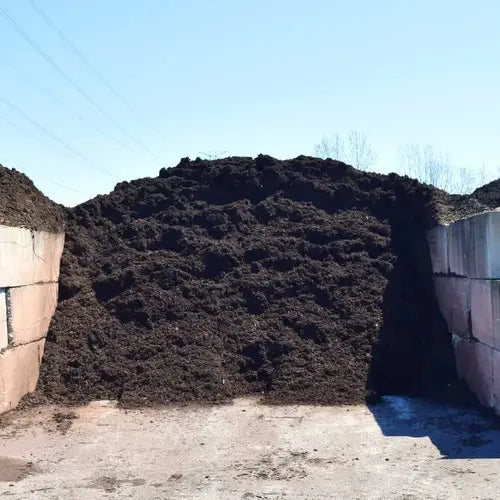
Mulch Mound delivers bulk mulch by the cubic yard directly to your driveway, making it simple to cover large planting beds without hauling bags from a store. If you have been searching for bulk mulch delivery in Wisconsin Rapids, we bring the load straight to you and drop it where you need it. Our mulch arrives ready to spread, which suits the busy planting and growing season in central Wisconsin.
Dyed Black Mulch
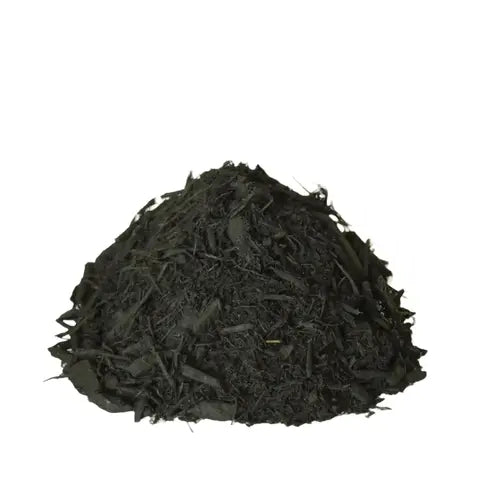
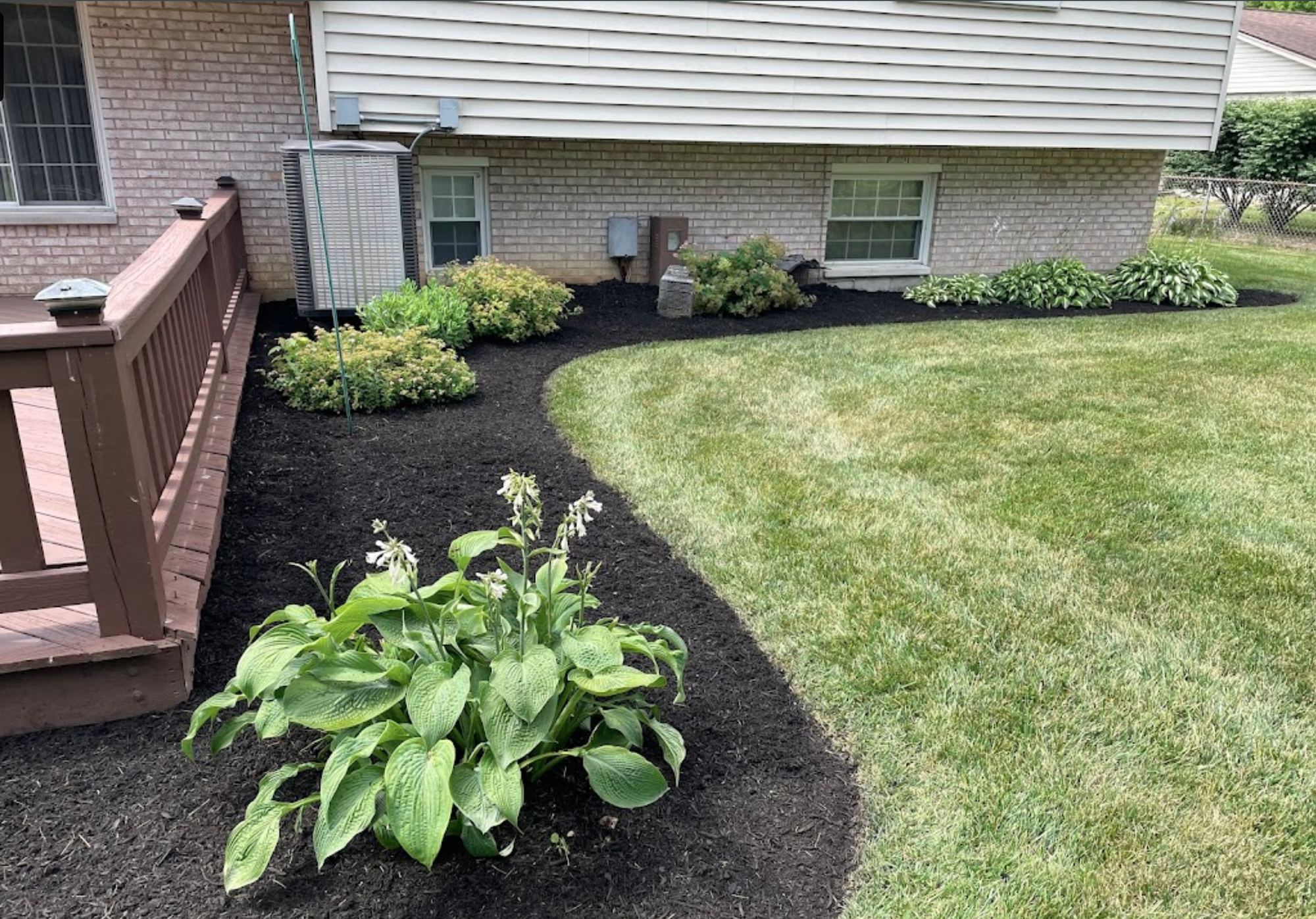
Bold double shredded mulch that transforms beds instantly, the rich black color holds strong through summer heat and the heavy rains common in central Wisconsin. It suits homeowners who want a clean, modern contrast between dark beds and the lighter sandy soils found throughout this part of the state.
Dyed Brown Mulch
Warm brown double shredded mulch that complements the earthy tones and wooded lots common in central Wisconsin. The color stays vibrant for weeks, giving beds a freshly mulched appearance long after application. A smooth, easy spread makes it a practical choice for larger landscape projects.
Natural Brown Mulch
Natural double shredded mulch with no dye added, giving beds a warm earthy tone straight from the wood. It suits gardeners who want an honest, organic look that pairs well with native plantings and wooded home landscapes across central Wisconsin. The smooth texture spreads easily and enriches soil as it breaks down.
Complete Your Outdoor Mulch Project
If your beds have low spots or compaction from previous seasons, adding a layer of topsoil or garden soil before mulching creates a better foundation for your plants. Decorative stone works well as a border edge to keep bulk mulch in place and add a clean finished look throughout your Wisconsin Rapids landscape.


Mulch Mound Pro Tip
Wisconsin Rapids's sandy loam warms up faster in spring than clay soils do, which is an advantage for getting an early start on your garden. Pull back any winter mulch from perennial beds in early May before the May 15 last frost date so the soil can absorb heat. Once overnight temps stay consistently above freezing, lay your fresh mulch layer to lock in that warmth for the remainder of the growing season.
Mulch Mound Pro Tip
Avoid piling mulch directly against tree trunks or shrub stems in your Wisconsin Rapids yard. Volcano mulching, where mulch is mounded high against bark, traps moisture against the wood and invites fungal disease and pest damage. Keep mulch 2 to 3 inches away from all stems and trunks, maintaining a flat, even layer across the bed instead of building up material at the base.
Mulch Mound Pro Tip
With Wisconsin Rapids receiving about 35 inches of rain annually, you will still face dry spells during July and August that stress plants growing in sandy loam soil. A proper mulch layer can cut your supplemental watering needs by up to 50 percent during these dry stretches. Check your mulch depth mid-season and add a thin refresh layer if it has compacted or thinned to less than 2 inches.
The Unique Landscape of Wisconsin Rapids
Wisconsin Rapids sits on sandy loam soil that sheds water quickly, leaving plant roots vulnerable to moisture stress during the drier weeks of summer. With an annual rainfall of just 35 inches spread unevenly across the growing season, beds left bare between rain events can dry out faster than most homeowners expect. The Zone 5a climate means plants face late killing frosts through mid-May and an early return of hard frost by early October, compressing the active growing season to roughly five months. Mulching your beds creates a buffer against these extremes, slowing moisture loss from the soil surface and moderating the temperature swings that are common in central Wisconsin. The sandy texture of local soil also means it can compact and crust when left exposed, making it harder for rainfall to penetrate when it finally arrives. Keeping beds consistently mulched in Wisconsin Rapids is one of the most effective ways to support healthy plant growth from the last frost through the first.