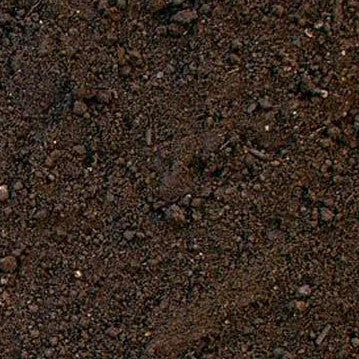
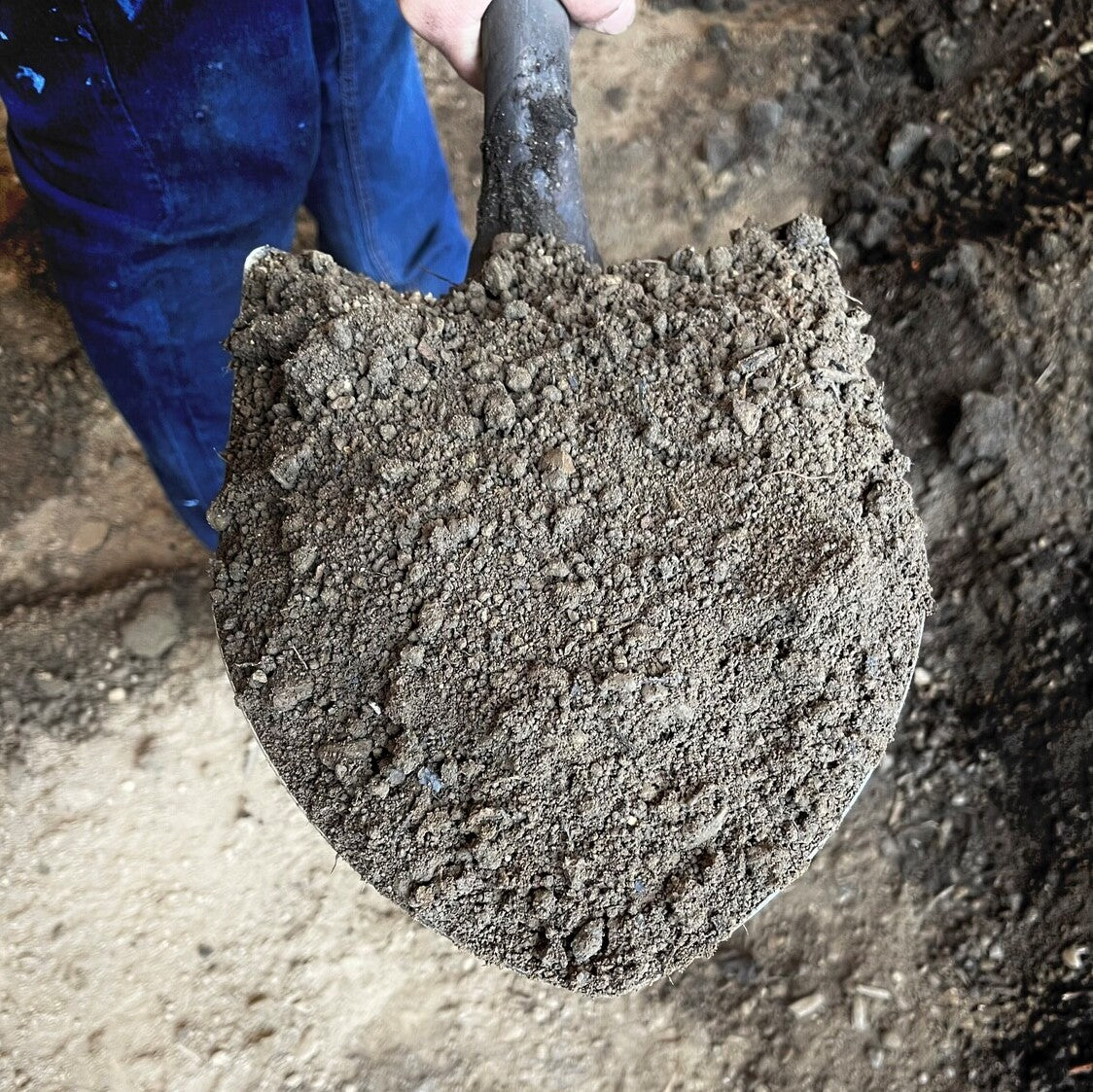
Quality topsoil for lawns, gardens, and landscape projects. Nutrient rich and ready to support strong root development and healthy plant establishment.
Great experience - not only was this the most affordable option for dirt delivery in Cleveland heights, but the delivery was fast and friendly. Got exactly what I needed and the truck got as close as possible to where I needed the dirt - even in my cramped driveway. Will be us...
Tell us what you're looking for
Thanks! We received your request.
Something went wrong. Please try again.
How Much Material Do I Need?
For raised garden beds in Wisconsin Rapids, fill to a minimum depth of 12 inches to give roots room to expand in a soil mix richer than the native sandy loam. For lawn leveling and topdressing, apply no more than 1 to 2 inches at a time to avoid smothering existing grass during the growing season.
Use our free soil calculator
What is a yard?
A yard is approximately 27 cubic feet. As a general guideline, one yard of material can cover an area of about 100-160 square feet at a 2-3 inch depth.
We hand-pick and partner with the best yards in your region, keep only the ones our buyers rate well, and back each load with our guarantee.
Mulch Mound Guarantee
If your soil isn't the quantity or quality you ordered, we'll make it right.
About this soil
Quality topsoil for lawns, gardens, and landscape projects. Nutrient rich and ready to support strong root development and healthy plant establishment.
Great experience - not only was this the most affordable option for dirt delivery in Cleveland heights, but the delivery was fast and friendly. Got exactly what I needed and the truck got as close as possible to where I needed the dirt - even in my cramped driveway. Will be us...
How Much Material Do I Need?
For raised garden beds in Wisconsin Rapids, fill to a minimum depth of 12 inches to give roots room to expand in a soil mix richer than the native sandy loam. For lawn leveling and topdressing, apply no more than 1 to 2 inches at a time to avoid smothering existing grass during the growing season.
Use our free soil calculator
What is a yard?
A yard is approximately 27 cubic feet. As a general guideline, one yard of material can cover an area of about 100-160 square feet at a 2-3 inch depth.
Great experience - not only was this the most affordable option for dirt delivery in Cleveland heights, but the delivery was fast and friendly. Got...
Read full review
Great experience - not only was this the most affordable option for dirt delivery in Cleveland heights, but the delivery was fast and friendly. Got exactly what I needed and the truck got as close as possible to where I needed the dirt - even in my cramped driveway. Will be using again and recommending to my neighbors.
To figure out how much soil you need, measure your bed or grading area in feet, multiply length by width, and then multiply by your desired depth in feet to get cubic feet. Divide that number by 27 to convert to cubic yards. In Wisconsin Rapids, where raised beds often need to go from empty to full before the May planting window, calculating accurately upfront saves you from scrambling for a second delivery mid-project.
Soil Types We Deliver in Wisconsin Rapids
Mulch Mound delivers bulk soil by the cubic yard directly to homes and properties throughout Wisconsin Rapids, saving you the hassle of hauling heavy loads yourself. Whether you are filling raised beds, grading a yard, or establishing a new lawn, having the right soil delivered makes all the difference. If you have been searching for bulk topsoil by the yard in Wisconsin Rapids, we make it simple to order and schedule delivery on your timeline.
Screened Top Soil
Our screened topsoil is processed to remove debris, clumps, and coarse material, leaving a clean and workable product that blends well into existing ground. It suits Wisconsin Rapids homeowners looking to improve sandy or compacted native soil, fill low spots, or build up garden beds. Nutrient rich and ready to support strong root development, it helps lawns and plants establish quickly through the short growing season.
Complete Your Outdoor Soil Project
Pairing your new soil with a quality mulch layer on top of finished beds helps retain moisture and protect the soil structure you have worked to create. Decorative stone borders can frame your new garden beds cleanly and prevent soil from washing onto walkways during Wisconsin Rapids's heavier spring and summer rain events.
How much topsoil do I need to fix the low spots in my Wisconsin Rapids lawn?
For lawn leveling in Wisconsin Rapids, a topdressing depth of 1 to 2 inches is usually enough for minor low spots, applied in stages to avoid smothering existing grass. For deeper depressions, you may need to add 3 to 4 inches of topsoil, let it settle, and then overseed with a grass mix suited to Zone 5a. Because the native soil here is sandy loam, brought-in material should blend reasonably well with the surrounding ground without creating sharp drainage transitions.
Answer
Can I just amend my native sandy loam instead of bringing in new soil for my vegetable garden?
You can amend sandy loam in Wisconsin Rapids with compost and organic matter, but for a dedicated vegetable garden it often makes more sense to build raised beds with a quality garden soil blend from the start. Sandy loam alone does not hold nutrients well enough for heavy-feeding crops like tomatoes, peppers, and squash during the short Zone 5a growing season. Starting with a richer soil mix means your plants can focus on production rather than struggling for nutrition in lean, fast-draining ground.
Answer
What is the best soil to use for raised garden beds in Wisconsin Rapids?
A blended garden soil with a mix of topsoil, compost, and organic matter is ideal for raised beds in Wisconsin Rapids. You want something with enough body to hold moisture between the rain events that come through central Wisconsin, while still draining well enough to prevent root rot. A good raised bed mix will also warm up quickly in spring, which matters a great deal when your usable growing season does not fully begin until mid-May.
Answer
Will brought-in topsoil settle a lot after I spread it in my Wisconsin Rapids yard?
Some settling is normal, especially if the soil is fresh and has not been compacted. In Wisconsin Rapids, where frost heaving is common through the Zone 5a winter, you may notice slight additional settling after the first freeze-thaw cycle in October. Plan for roughly 10 to 15 percent settling when ordering topsoil for grading projects, so your finished grade ends up where you want it after the soil fully consolidates through the first winter.
Answer
My yard has poor drainage in one corner. Will adding topsoil help or make it worse?
Adding topsoil to a low, wet area in Wisconsin Rapids can help if you are raising the grade to redirect surface runoff away from the problem zone. However, if the drainage issue is caused by a high water table or a compacted layer beneath the surface, soil alone will not solve it. In those cases, pairing topsoil with a French drain or a layer of gravel beneath the fill gives you a more lasting fix. Sandy loam drains well in general, so persistent wet spots in Wisconsin Rapids yards are often a grading problem rather than a soil permeability issue.
Answer
How early in spring can I start working with topsoil in Wisconsin Rapids?
You can generally start working with topsoil in Wisconsin Rapids in late April once the frost has left the ground and the soil surface is dry enough to handle without compacting. Trying to grade or spread wet soil compacts it heavily and reduces its drainage quality significantly. Since the last frost falls around May 15, most homeowners aim to have grading and bed prep work done in early to mid-May so they can plant right at the safe planting window.
Answer
How much soil do I need to fill a standard raised bed in Wisconsin Rapids?
A standard 4-by-8-foot raised bed that is 12 inches deep takes about 1.2 cubic yards of soil to fill. If you are building several beds, ordering in bulk saves significantly over buying bagged soil from a hardware store. For Wisconsin Rapids's short growing season, filling raised beds completely with quality soil rather than partially filling them gives your plants the maximum root depth they need to produce before the October frost arrives.
Mulch Mound Pro Tip
When building new garden beds in Wisconsin Rapids, blend your brought-in garden soil with a small amount of native sandy loam rather than creating a sharp boundary between layers. A gradual transition between your fill soil and the native ground below encourages roots to travel deeper rather than circling within the richer upper layer. This also prevents a perched water table effect where water pools at the interface between two soils of different textures.
Mulch Mound Pro Tip
For lawn leveling projects in Wisconsin Rapids, do your grading work in stages rather than all at once. Apply 1 inch of topsoil, let it settle through a few rain cycles, then assess whether another layer is needed. This is especially important in the fall when frost heaving can shift recently placed soil before it has had time to consolidate with the underlying sandy loam beneath it.
Mulch Mound Pro Tip
Wisconsin Rapids's growing season runs just under five months, so getting your soil prep done before the May 15 last frost date is critical for vegetable gardeners. Order and place your soil in late April when conditions allow so beds are settled and ready to plant as soon as the safe planting date arrives. A week or two of sitting time also lets brought-in soil warm up naturally, which speeds germination for direct-sown crops like beans and squash.
The Unique Landscape of Wisconsin Rapids
Wisconsin Rapids's native sandy loam is well-draining but lacks the organic content needed to support productive vegetable gardens or lush ornamental beds without amendment. The fast-draining texture means nutrients leach downward quickly after each rain event, leaving plants hungry even when the soil looks adequate on the surface. With only about 35 inches of annual rainfall and a growing season that runs from the May 15 last frost to the October 3 first frost, building healthy soil structure is essential to getting the most out of every available growing week. Brought-in topsoil and garden soil mixes give homeowners the ability to create defined growing zones with better moisture retention and nutrient density than the surrounding native ground. Whether you are leveling a low spot in your lawn, building a raised vegetable bed, or regrading a slope that causes runoff problems in spring, quality soil is the foundation every Wisconsin Rapids landscape project starts from. Getting the right soil in place before planting makes the difference between plants that merely survive and ones that thrive through a full central Wisconsin growing season.