Skip to product information
1 of 5

Worcester Soil Delivery

Worcester Soil Delivery

Regular price $33.99 per yard
Regular price Sale price $33.99
Sale Sold out
Type

How much depends on the application. In Worcester, top-dressing lawns needs just an inch or two. Raised beds need 8 to 12 inches.
Use our free soil calculator

A yard is approximately 27 cubic feet. As a general guideline, one yard of material can cover an area of about 10 feet by 10 feet at a few inches deep.

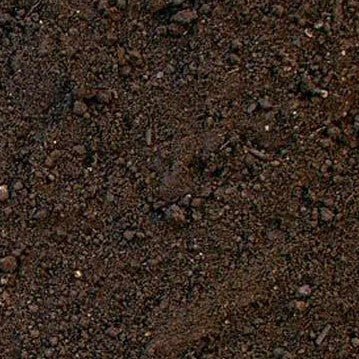
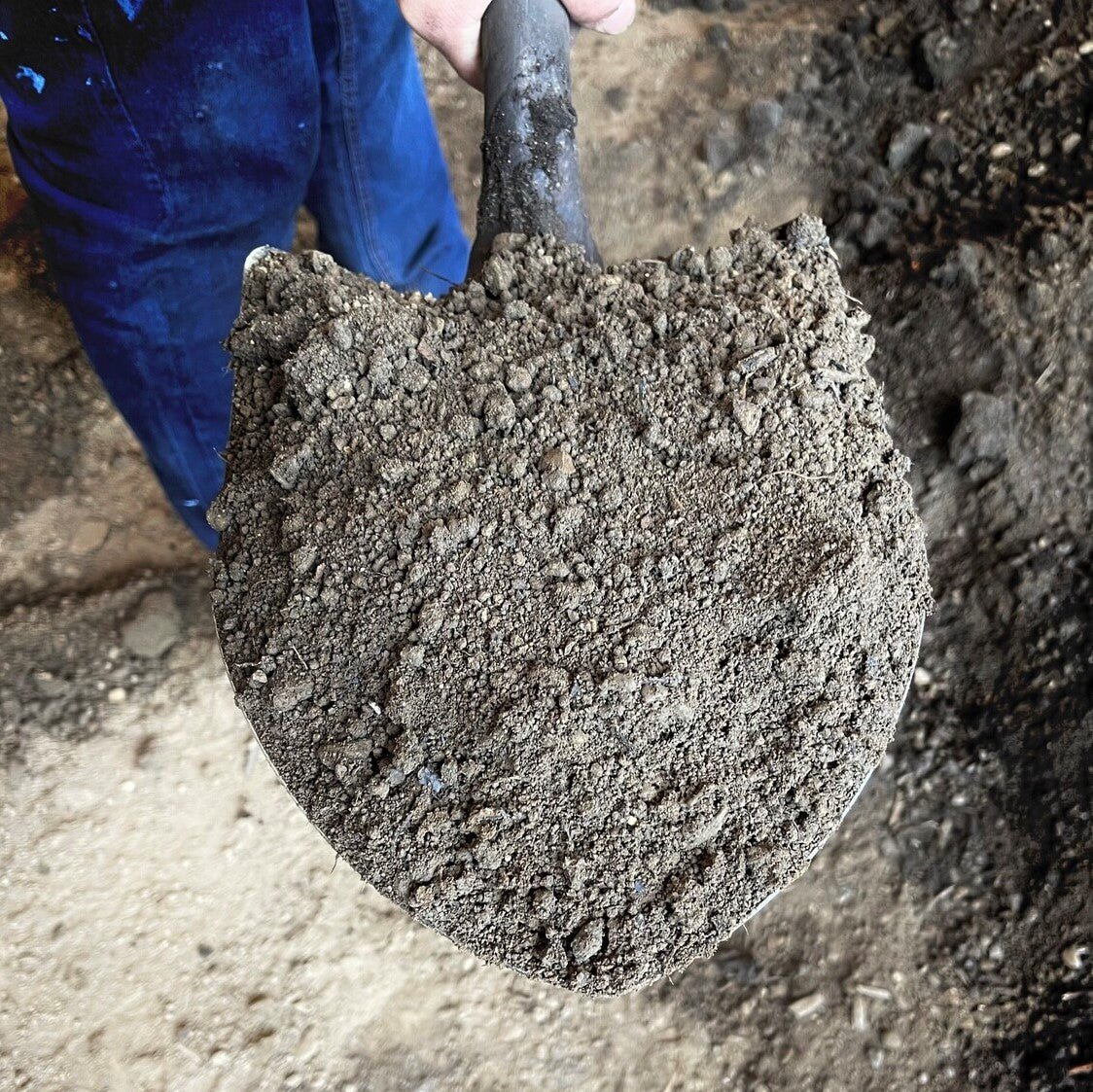
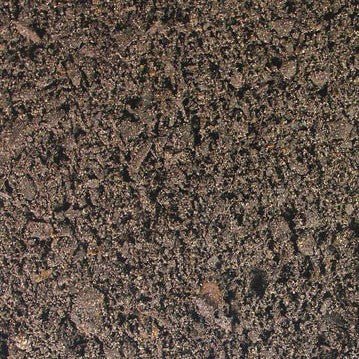
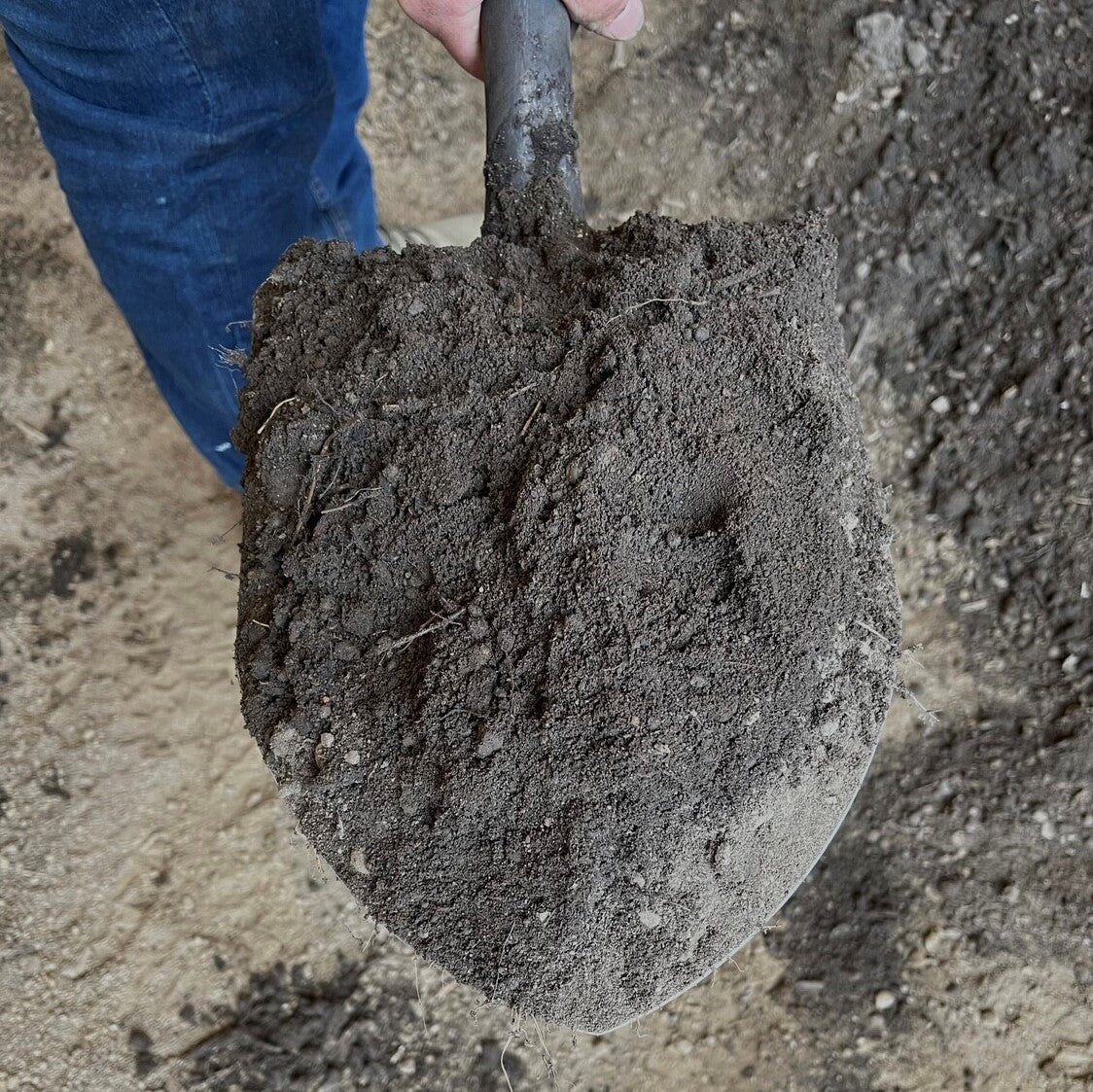
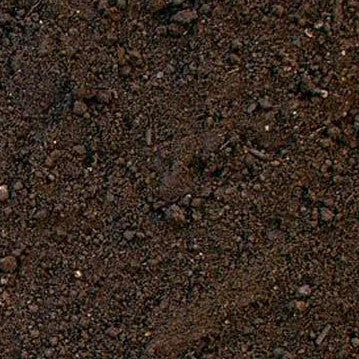
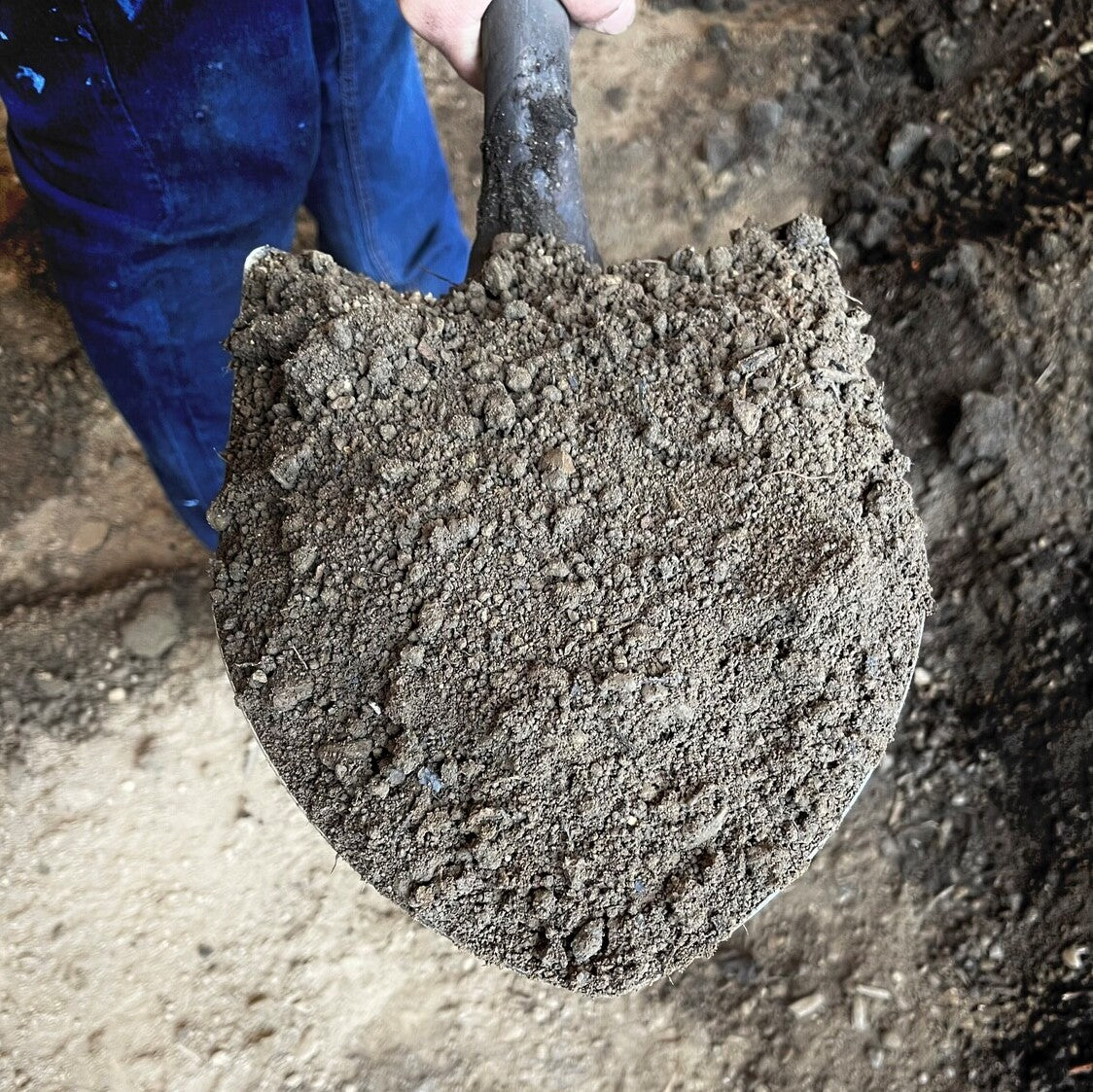
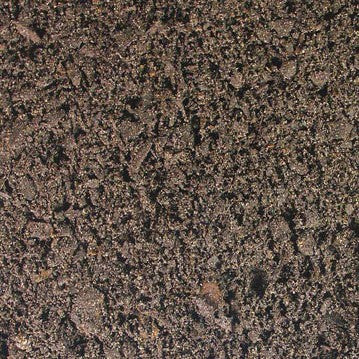
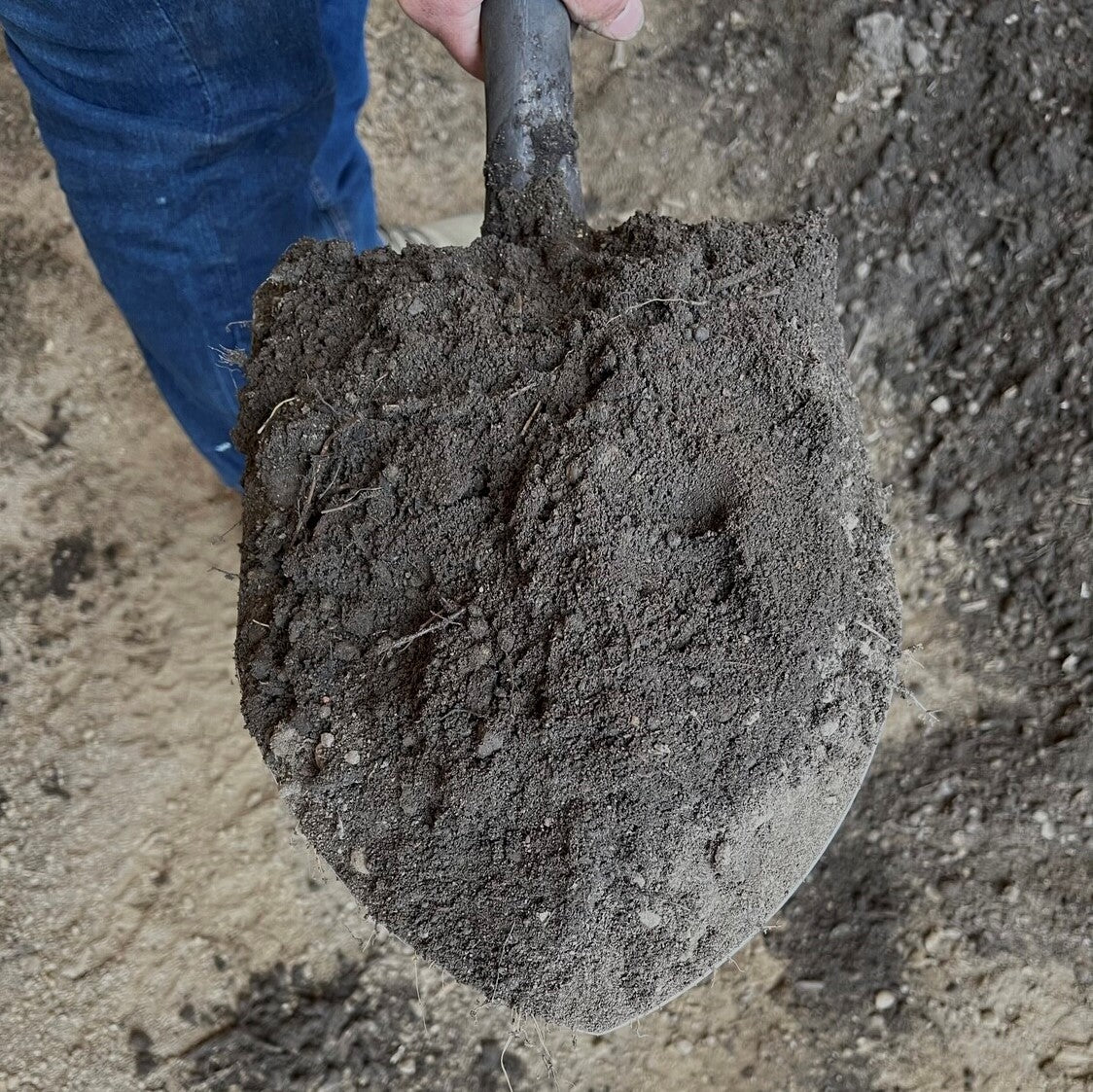
Quality screened topsoil for every Worcester landscaping application. The consistent texture handles everything from light topdressing to deep fills, and the clean material supports strong plant growth. Good topsoil is the foundation Worcester landscapes need. Proper structure supports root growth, drainage works correctly, and plants get the start they need to thrive long-term.

View full details

How It Works

Getting started is easy — just follow these simple steps

1

Choose your soil

Make sure you adjust the quantity to your home's needs. You can use our calculator to estimate how much you'll need.

2

Select your delivery date

Select a delivery date you'd like for the product to be dropped off at your home

3

Sit back and wait

Sit back, wait, and let us work our magic to make sure the highest quality product is delivered to your driveway.

What Worcester Customers Like About Our Soil

4.9
out of 5 based on 99 reviews
Google Reviews

Need Help Calculating How Much Soil You Need?

Use our NEW Trace from Satellite tool to get an estimate for your project based on an aerial view of your property

Try Our Calculator
📍

1

Complete Your Outdoor Soil Project

Soil is the foundation for Worcester planting. Mulch goes on top to hold moisture and suppress weeds on sandy loam ground. Stone frames everything.

The Unique Landscape of Worcester

Worcester, Massachusetts beds often settle over time; topping off with soil keeps plantings at the right height. In Worcester, Heavy rains can move material around, so re-leveling with fresh soil helps. Helpful for vegetable beds, new borders, and rebuilding spots that eroded or settled. Avoid burying stems and plant crowns; keep soil below them and mulch after planting. With delivery, you can focus on grading and planting instead of hauling bags.

Frequently Asked Questions

Click a question to see the answer

Answer

How is delivery priced?

Delivery cost depends on mileage. You'll see an estimate in cart and exact pricing when you enter your full address at checkout.

Answer

How deep should garden soil be?

Flowers need 6–8 inches, vegetables 10–12, raised beds 12+. Given Worcester's native sandy loam, more depth means healthier roots.

Answer

Is new soil safe for pets?

Pet-safe, yes. Plain soil and compost are fine. Wash paws post-digging. If your pet eats dirt, avoid pre-fertilized products.

Answer

Topsoil vs garden mix—which should I use?

Topsoil for filling and grading, garden mix for planting. Garden mix includes amendments that help with Worcester's sandy loam.

Answer

How do I fix sandy soil?

Work in lots of organic material: compost, manure, amended mixes. Sand loses water and nutrients quickly. Annual organics improve it.

Answer

Should I order extra?

Yes, add 10% cushion. Soil settles after application, and running short is frustrating. Delivery is priced by distance.

Answer

Is delivered soil safe for vegetables?

Safe for edibles, yes. Our garden mixes contain no harmful materials. Organic certified options available for those who want them.

Mulch Mound Pro Tip

Add peat moss to topsoil for acid-loving plants like blueberries, azaleas, and rhododendrons. It lowers pH over time and dramatically improves moisture retention in sandy soil conditions.

Mulch Mound Pro Tip

Avoid cheap topsoil with visible debris, large clay clumps, or strong chemical odors. Low quality fill creates more problems than it solves and often contains weed seeds that haunt you for years.

Mulch Mound Pro Tip

Add organic matter to new topsoil beds annually for continuous improvement. Even good quality topsoil benefits from compost, leaf mold, or aged manure worked into the surface each fall or spring.