




Delivery was smooth and on time!
The triple shredded mulch was great quality and just what we were looking for.
About this mulch
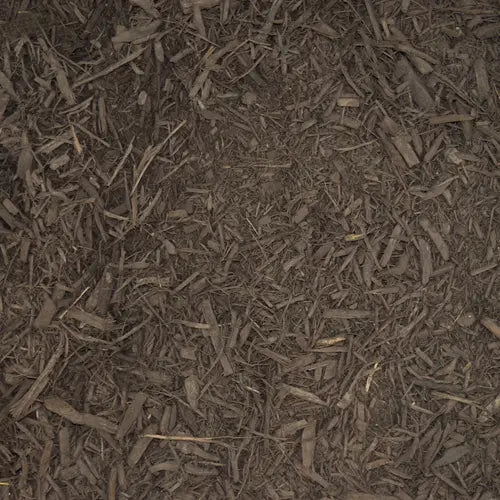
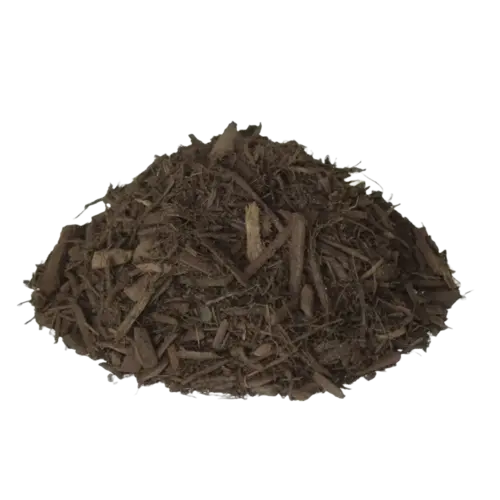
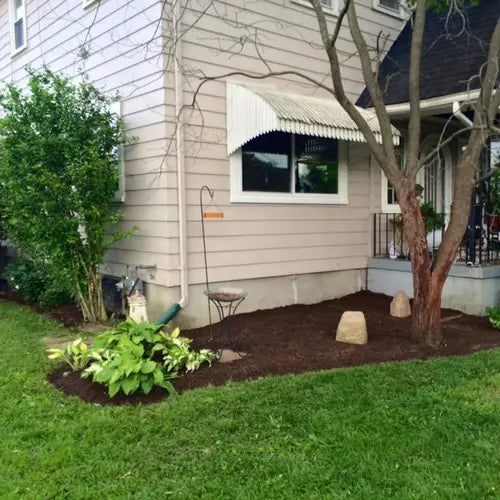
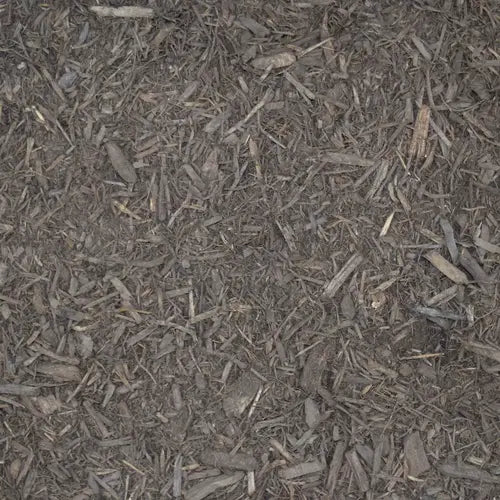
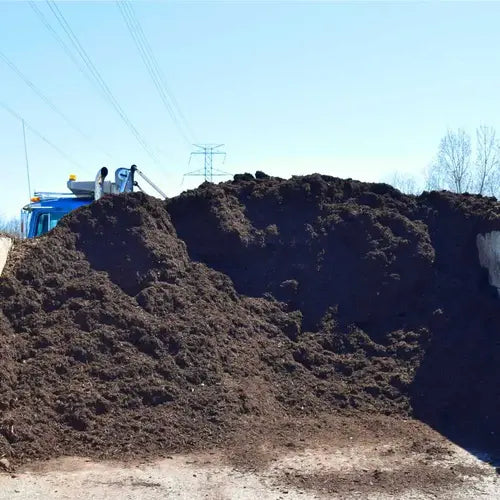
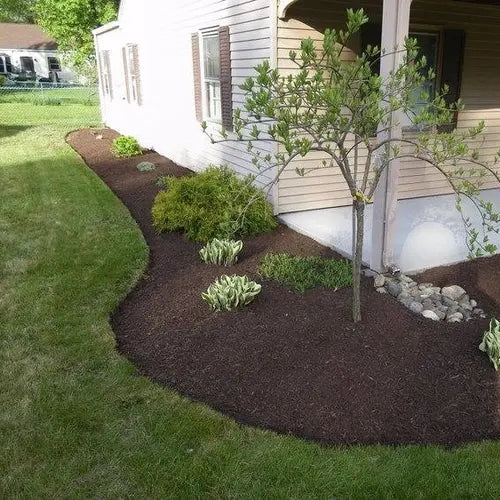
Warm brown double shredded mulch with lasting color that looks freshly applied for weeks. Spreads smooth, stays put, and gives beds a natural, polished appearance.
Delivery was smooth and on time!
The triple shredded mulch was great quality and just what we were looking for.
Tell us what you're looking for
Thanks! We received your request.
Something went wrong. Please try again.
How Much Material Do I Need?
How Much Material Do I Need?
In Abilene's clay loam soil, 3 inches is the minimum depth needed to suppress weeds and retain meaningful moisture, but 4 inches is the preferred depth for beds that face full afternoon sun and go through extended rainless stretches. One cubic yard covers approximately 81 square feet at a 4 inch depth.
Use our free mulch calculator
What is a yard?
What is a yard?
FAQs
FAQs
Abilene Mulch Delivery
Abilene Mulch Delivery
Regular price
$64.00
per
yard
Regular price
Sale price
$64.00
Unit price
per
Shipping calculated at checkout.
Minimum of 3 yard
Couldn't load pickup availability
Not currently available
We can't take orders for this right now. Tell us what you need and we'll get back to you.
Hand-picked local yards
4,000+ regional deliveries
Dedicated support
Why order through Mulch Mound
The best local mulch, without the guesswork.
We hand-pick and partner with the best yards in your region, keep only the ones our buyers rate well, and back each load with our guarantee.
Mulch Mound Guarantee
If your mulch isn't the quantity or quality you ordered, we'll make it right.
About this mulch
Warm brown double shredded mulch with lasting color that looks freshly applied for weeks. Spreads smooth, stays put, and gives beds a natural, polished appearance.
Delivery was smooth and on time!
The triple shredded mulch was great quality and just what we were looking for.
How Much Material Do I Need?
How Much Material Do I Need?
In Abilene's clay loam soil, 3 inches is the minimum depth needed to suppress weeds and retain meaningful moisture, but 4 inches is the preferred depth for beds that face full afternoon sun and go through extended rainless stretches. One cubic yard covers approximately 81 square feet at a 4 inch depth.
Use our free mulch calculator
What is a yard?
What is a yard?
FAQs
FAQs
Tell us what you're looking for
Thanks! We received your request.
Something went wrong. Please try again.
How It Works
Getting started is easy — just follow these simple steps
1
Choose your Mulch
Make sure you adjust the quantity to your home's needs. You can use our calculator to estimate how much you'll need.
2
Select your delivery date
Select a delivery date you'd like for the product to be dropped off at your home
3
Sit back and wait
Sit back, wait, and let us work our magic to make sure the highest quality product is delivered to your driveway.

Great experience with mulch mound. Their online calculator made it easy to estimate how many yards of mulch I needed and delivery was quick. I woul...
Read full review
Great experience with mulch mound. Their online calculator made it easy to estimate how many yards of mulch I needed and delivery was quick. I would definitely recommend them for your future projects.

We needed mulch for our HOA common areas. Local providers were all holding high prices even for 40 yards of mulch. Mulch mound was easy to wowith...
Read full review
We needed mulch for our HOA common areas. Local providers were all holding high prices even for 40 yards of mulch. Mulch mound was easy to wowith & has great price for natural mulch + delivery schedule options. They called before delivery to ensure Delivery was exactly where we wanted it.
Calculate mulch for your Abilene project
For Abilene's Clay Loam type of soil, we recommend 2-3 inches for best weed suppression and moisture retention
Try Our CalculatorBefore placing your order, walk each bed with a tape measure and record the length and width in feet, then multiply those numbers for square footage. With Abilene's clay loam and dry summer conditions in mind, budget for a full 4 inch depth rather than the minimum 2 inches to give your plants meaningful protection through the long growing season. Add all your bed areas together, divide by 81, and you have the cubic yards needed at 4 inches deep.
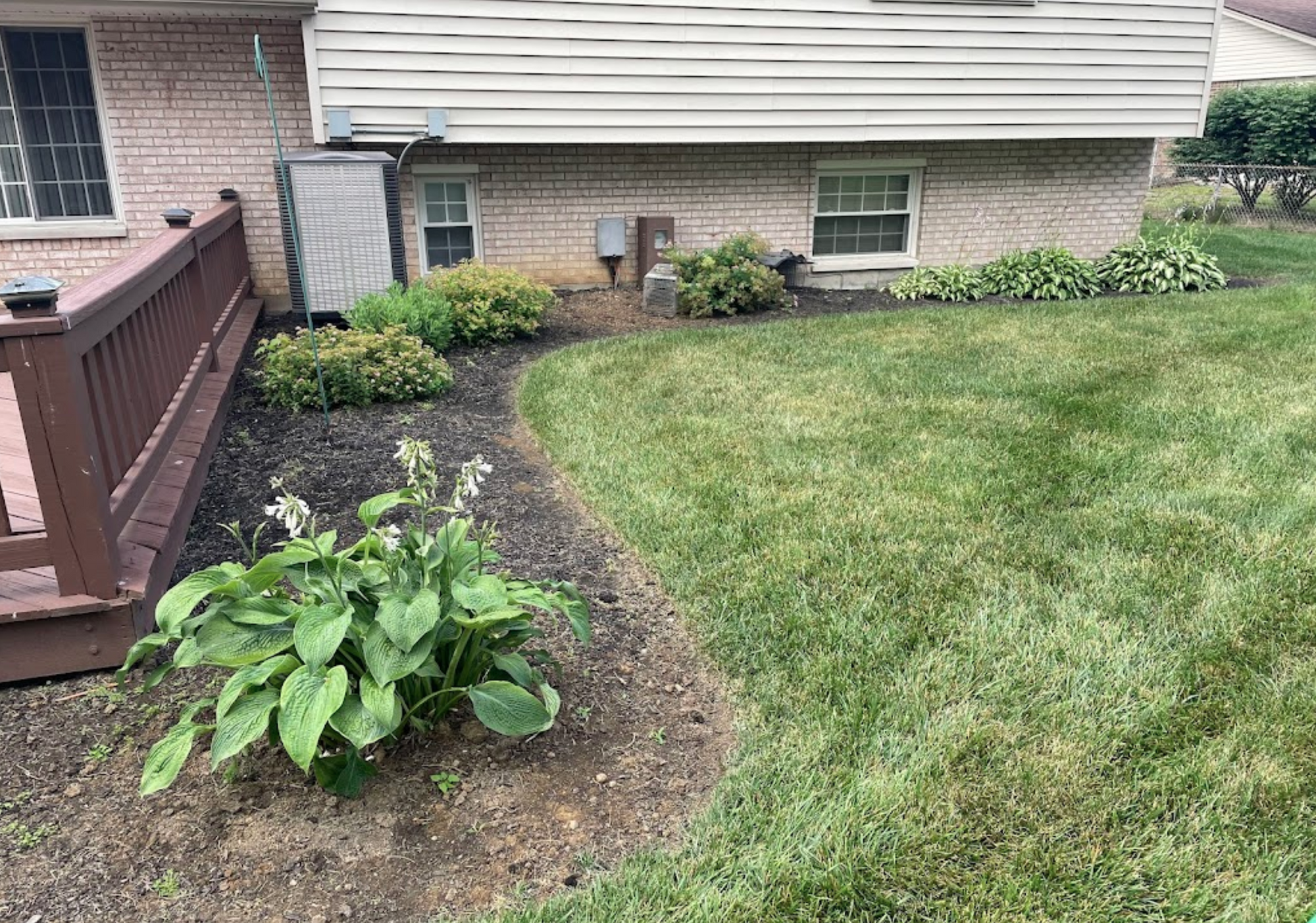

Best Mulch Choice for Abilene Lawns
Most yards in the Abilene area sit on Clay Loam type of soil. Abilene's clay loam is dense and compacts easily under summer heat, making it difficult for water and air to reach the root systems of shrubs and ornamentals in established beds. Without a protective mulch cover, these beds can become hard-baked and slow-draining, which stresses plants through the long stretch from late spring through early fall.
Hardwood Mulch
Hardwood mulch is especially beneficial in Abilene's clay loam beds because its decomposition process introduces organic matter that gradually separates clay particles and improves both drainage and root-zone aeration over successive seasons. This slow transformation makes hardwood mulch an investment in the long-term quality of your soil, not just a seasonal surface treatment, and the improvement compounds each year as layers break down into the clay below.
Mulch Types We Deliver in Abilene
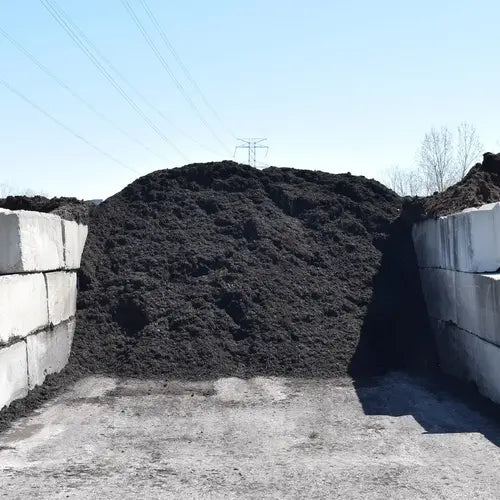
Mulch Mound delivers bulk mulch by the cubic yard straight to your driveway anywhere in Abilene. Whether you are refreshing a single flower bed or covering a large backyard landscape, ordering bulk mulch delivery in Abilene saves you trips and keeps projects on track. Each load arrives ready to spread so you can get more done in less time.
Dyed Black Mulch
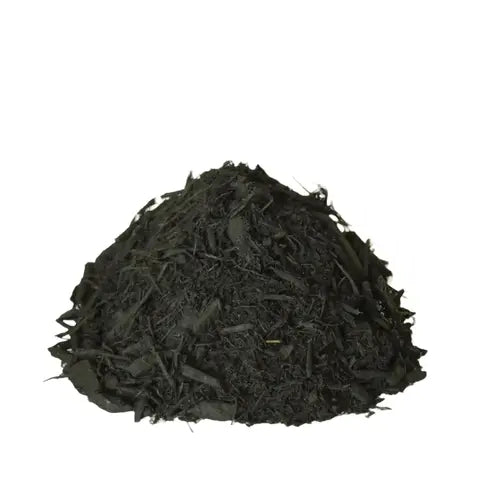
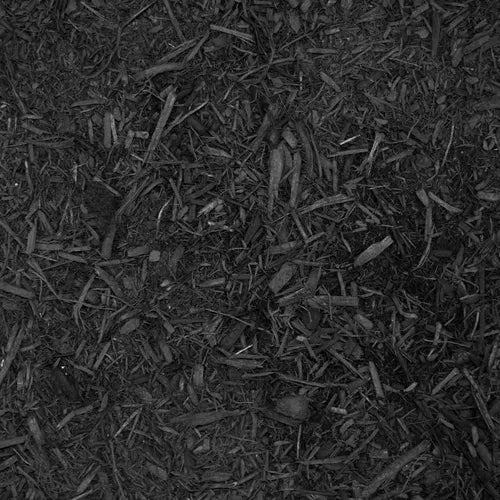
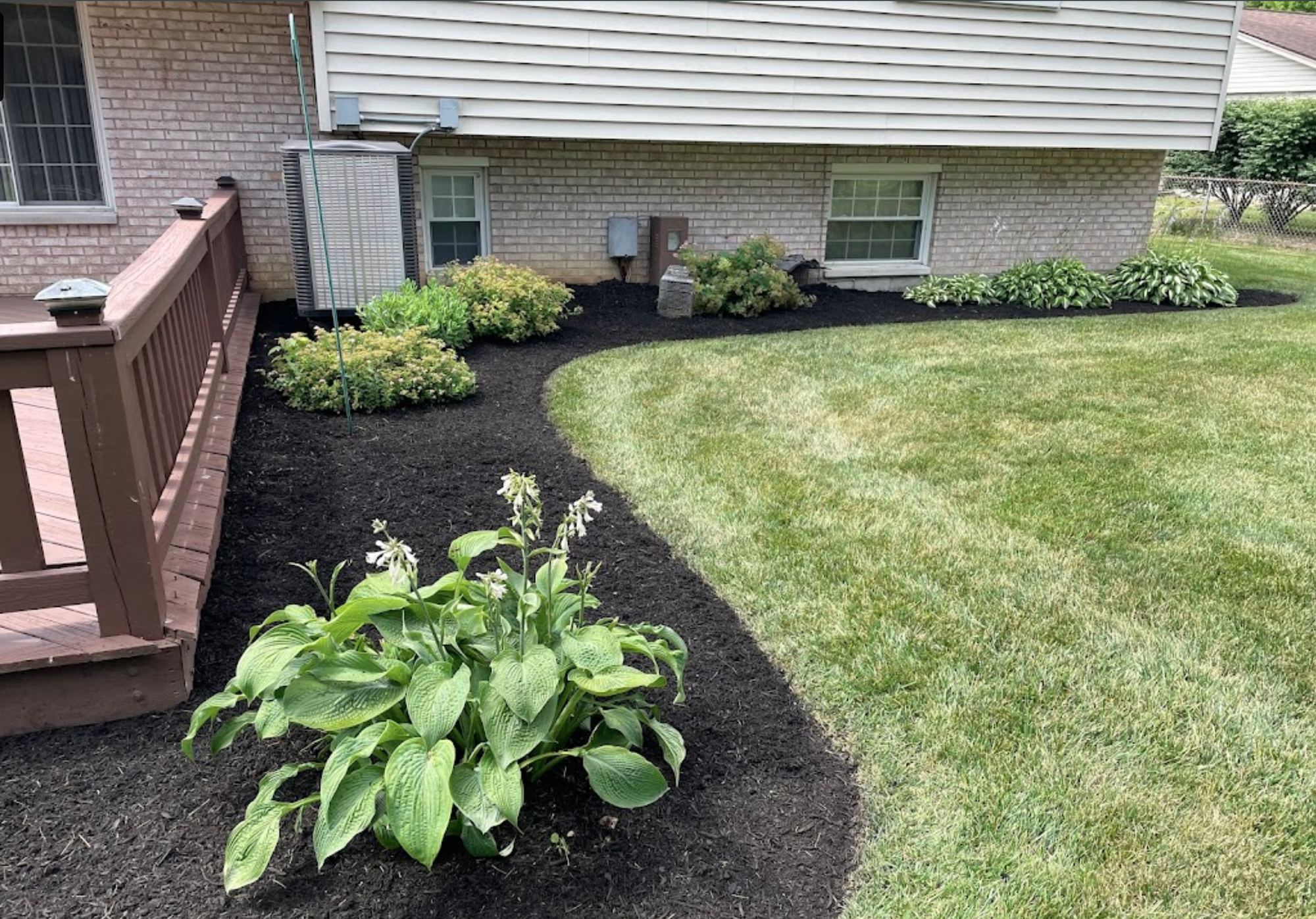
Dyed Black Mulch is available in double shredded style and delivers a bold, high-contrast look that makes plants and stonework stand out. The rich color holds up well through Abilene's intense summer heat and suits homeowners who want a sharp, modern finish in their front or backyard beds.
Dyed Brown Mulch
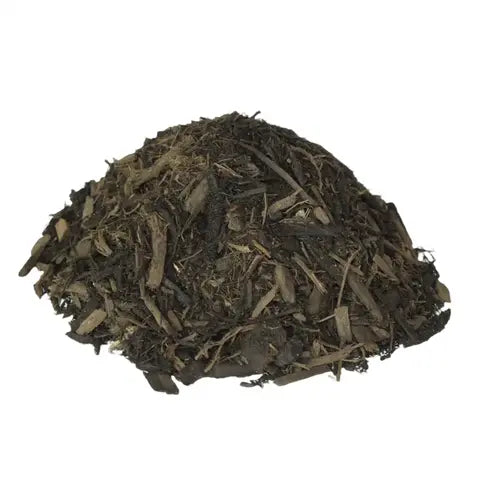
Dyed Brown Mulch comes in double shredded style and offers a warm tone that blends naturally with the sandy and clay soils common across Abilene properties. The lasting color keeps beds looking freshly topped for weeks, making it a practical choice for homeowners who want consistent, polished curb appeal.
Natural Brown Mulch
Natural Brown Mulch is our undyed double shredded option, carrying its own warm earthy tone straight from the wood without added colorants. It suits gardeners who prefer an organic, understated look and pairs well with the drought-tolerant and low-water plantings that thrive in Abilene's dry West Texas climate.
Complete Your Outdoor Mulch Project
If your beds need rebuilding or leveling before mulching, our bulk garden soil blends well into Abilene's native clay loam to improve drainage and nutrient content before your mulch goes on top. For defined borders that hold mulch in place and stand up to West Texas weather without rotting, pair your mulch order with a decorative crushed stone or gravel edge from our stone selection.


Mulch Mound Pro Tip
Abilene's clay loam can become nearly water-repellent when it dries out completely under summer sun. Before spreading mulch, thoroughly water each bed if the soil has not received rain recently. Applying mulch over bone-dry clay creates a sealed surface layer that can actually repel irrigation water and rainfall rather than helping it absorb into the root zone. Starting with moist soil ensures that future rain and irrigation moves down to where plants need it most.
Mulch Mound Pro Tip
Timing your mulch applications around Abilene's frost calendar stretches the value of every yard you purchase. Applying a fresh layer in late September or early October, ahead of the first frost around November 5, gives soil microbes time to begin breaking down the mulch before the ground cools significantly. This slow decomposition releases nutrients into the clay loam through winter so beds are better conditioned heading into the growing season that opens after the last frost near April 2.
Mulch Mound Pro Tip
With Abilene receiving just 25 inches of rainfall per year, every rain event needs to count. A properly applied 4 inch mulch layer can cut soil moisture evaporation by more than half, meaning your irrigation and hand watering efforts go considerably further than on bare soil. Pulling the mulch back slightly around individual plant stems during heavy rains allows that concentrated water to funnel directly to the root zone instead of running off the mulch surface, making the most of the limited annual precipitation this part of Texas receives.
The Unique Landscape of Abilene
Abilene's clay loam soil cracks and hardens during dry summers, creating a hostile environment for plant roots that only a protective top layer can reliably offset. With just 25 inches of annual rainfall and frequent stretches of intense West Texas heat, plant beds lose moisture rapidly without something shielding the soil surface. A thick mulch application acts as a buffer between the scorching sun and the root zone, keeping soil temperatures more stable through the peak heat of July and August. Because Abilene sits at nearly 1,750 feet elevation, the region also experiences sharper temperature swings between day and night than lower-elevation Texas cities, and mulch moderates those fluctuations throughout the long growing season. The clay loam is also prone to surface crusting after rain events, and a consistent mulch layer prevents that crust from forming and blocking water infiltration. From the last frost around April 2 through the first frost near November 5, a well-mulched bed requires far less supplemental watering and far less weeding.