About this stone

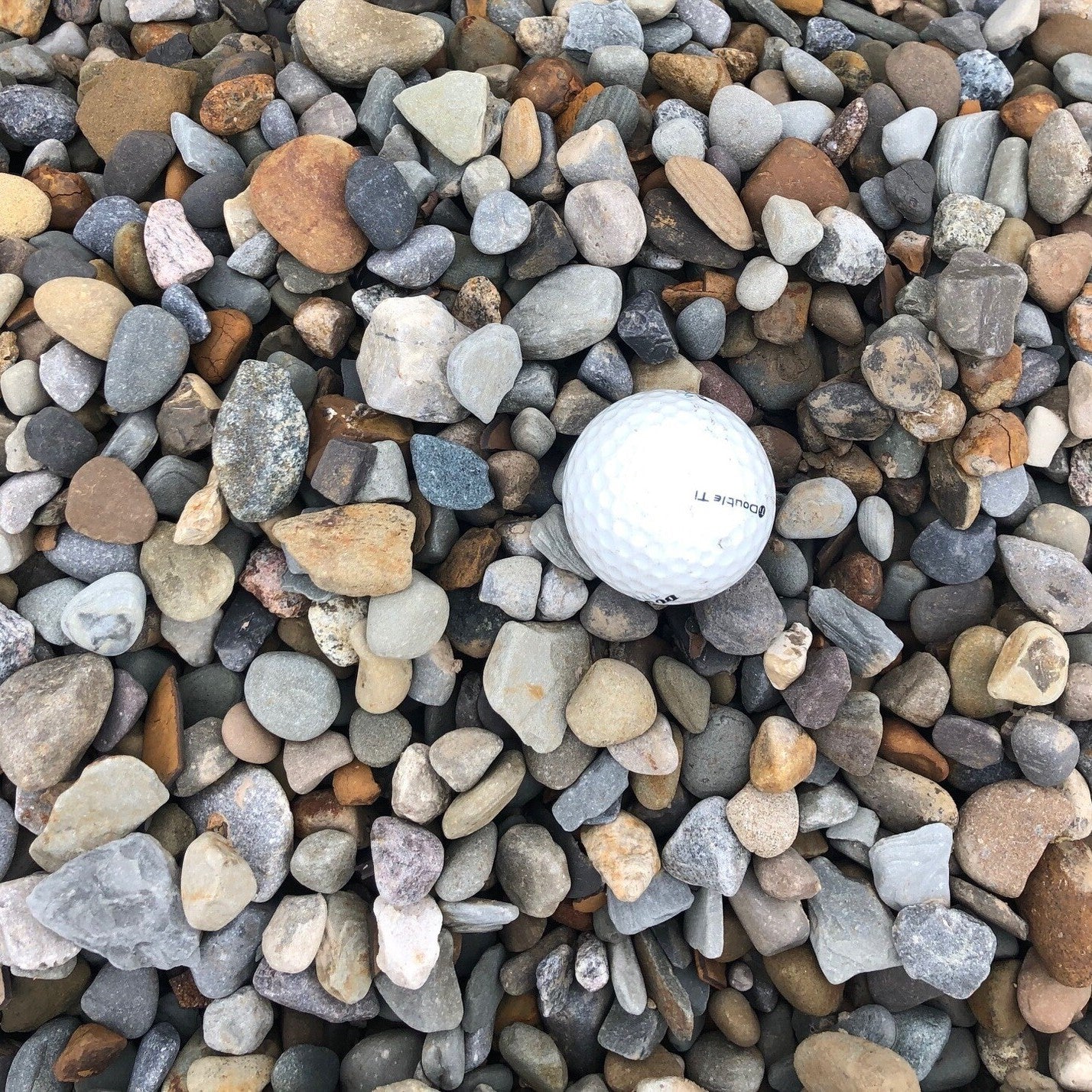
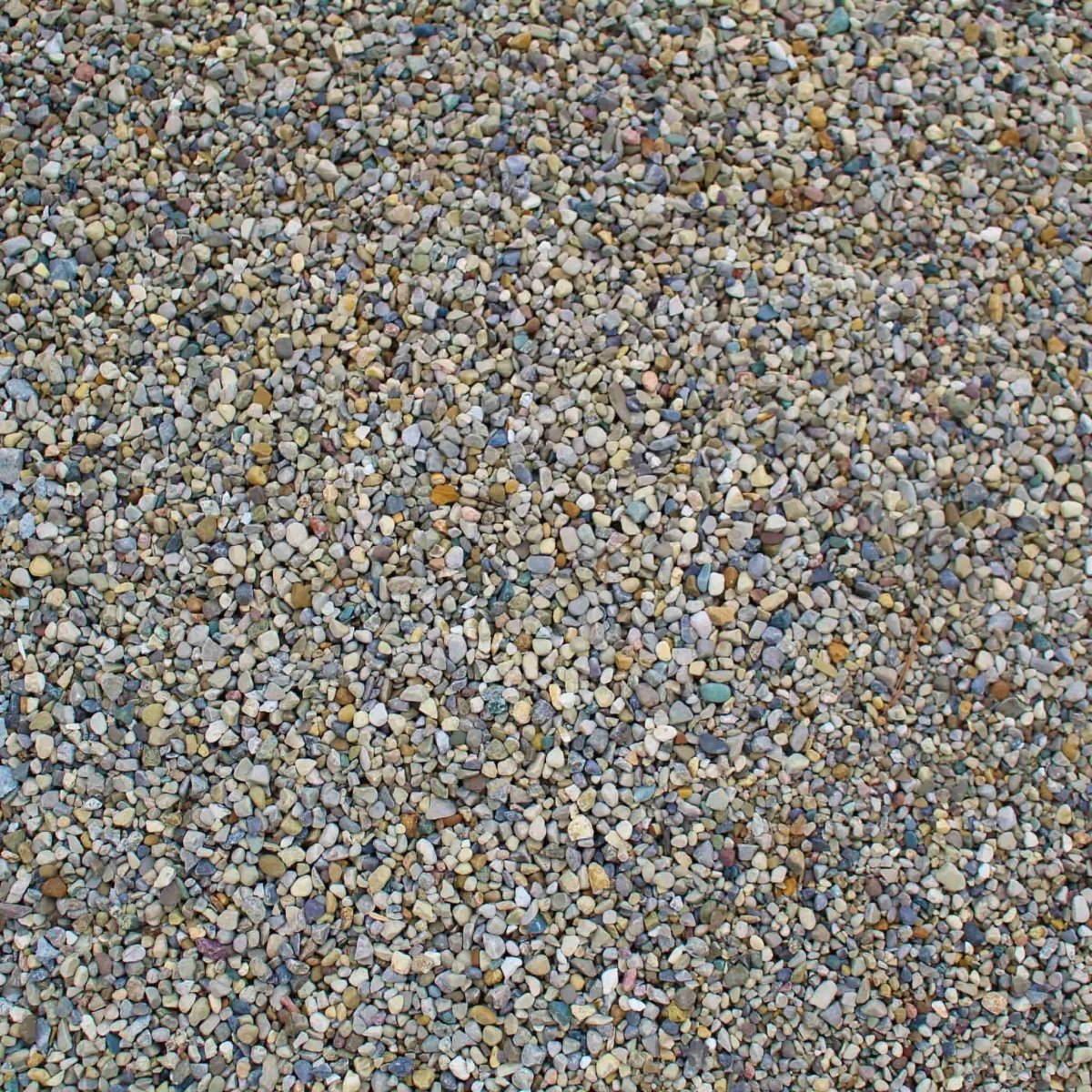
Classic pea gravel with smooth, rounded edges and natural earth tones. A versatile favorite for pathways, patios, drainage, and decorative ground cover.

Mulch Mound delivered a yard of pea gravel to us. Delivery was on time, driver was friendly and hit a bullseye on the “tarp target”. We used the pea gravel (which was diameter as specified) to fill several muskrat holes around our pond. I would definitely recommend Mulch Mo...

Abilene Stone Delivery

Abilene Stone Delivery

4.7
134 reviews
Regular price $87.00 per yard
Regular price Sale price $87.00
Sale Sold out
Type
Size
Minimum of 3
1 tree planted for every order

About this stone

Classic pea gravel with smooth, rounded edges and natural earth tones. A versatile favorite for pathways, patios, drainage, and decorative ground cover.

Mulch Mound delivered a yard of pea gravel to us. Delivery was on time, driver was friendly and hit a bullseye on the “tarp target”. We used the pea gravel (which was diameter as specified) to fill several muskrat holes around our pond. I would definitely recommend Mulch Mo...

For decorative coverage in Abilene planting beds and low-maintenance zones, a 2 to 3 inch depth covers approximately 100 to 160 square feet per cubic yard depending on exact depth. For drainage swales, dry creek beds, and foundation borders where water velocity during Abilene's spring storms is a factor, plan for a minimum of 4 to 5 inches with larger stone sizes that resist displacement under flowing water.
Use our free stone calculator

A yard is approximately 27 cubic feet. As a general guideline, one yard of material can cover an area of about 100-160 square feet at a 2-3 inch depth.

View full details

How It Works

Getting started is easy — just follow these simple steps

1

Choose your stone

Make sure you adjust the quantity to your home's needs. You can use our calculator to estimate how much you'll need.

2

Select your delivery date

Select a delivery date you'd like for the product to be dropped off at your home

3

Sit back and wait

Sit back, wait, and let us work our magic to make sure the highest quality product is delivered to your driveway.

From The Mouths of Abilene Folks

4.7
out of 5 based on 134 reviews
Google Reviews

Need Help Calculating How Much Stone & Gravel You Need?

Use our NEW Trace from Satellite tool to get an estimate for your project based on an aerial view of your property

Try Our Calculator
📍

Measure your coverage area in square feet and decide on the appropriate depth, typically 2 to 3 inches for decorative surface applications or 4 to 5 inches for functional drainage channels and dry creek beds. Multiply square footage by depth in feet and divide by 27 to get cubic yards. In Abilene, drainage features should always be sized generously because the clay loam creates fast, high-volume runoff during concentrated storm events that can displace undersized or shallow stone applications.

Complete Your Outdoor Stone Project

For areas where stone pathways transition into planting beds, our bulk topsoil and garden blend help you build those bed areas to the right grade alongside your stone work so the finished landscape has clean, intentional transitions. Adding a mulch layer over the planted sections adjacent to your stone borders creates a cohesive look that handles Abilene's weather, both the dry spells and the occasional heavy rains, beautifully.

Map of Abilene, Texas

Areas We Deliver Stone & Gravel in Abilene, Texas

No cities found for this region.

See All Locations
Mulch Mound Pro Tip

Abilene's clay loam expands when saturated and contracts when dry, and this seasonal movement can gradually push stone pathway edging and border restraints out of alignment over a year or two. When installing stone features, set your edge restraints deeper than feels necessary, at least 4 to 6 inches into the native clay, and use stakes every 18 to 24 inches along the border. This extra anchoring depth resists the heave that is most active during Abilene's wet spring period followed by the rapid drying of early summer.

Mulch Mound Pro Tip

Stone color is a more consequential choice in Abilene than in lower-elevation Texas cities because the combination of altitude, clear air, and intense sunlight amplifies both heat reflection and UV exposure. White marble chips or light gray stones placed in south-facing beds will reflect enough radiant energy to stress nearby plants during peak July heat. Reserve white and very light stones for shaded areas or wide pathways away from plantings, and use natural earth tones like buff limestone, tan decomposed granite, or brown river rock anywhere stone is adjacent to shrubs, trees, or perennials.

Mulch Mound Pro Tip

One of the most underused benefits of bulk stone in Abilene is its ability to conserve soil moisture between the infrequent rain events that define the region's 25-inch annual precipitation average. A 3 inch gravel layer installed over landscape fabric around established trees and shrubs reduces soil surface evaporation nearly as effectively as organic mulch, and unlike mulch it does not decompose or need annual replacement. As a permanent moisture-conservation strategy for Abilene's water-limited climate, stone mulching around mature landscape plants is a genuinely smart long-term investment.

The Unique Landscape of Abilene

Stone and gravel are among the most practical landscaping materials available to Abilene homeowners, where clay loam soil, sporadic heavy rains, and extended dry spells create conditions that are genuinely hard on organic groundcovers and turf grass alike. Decomposed granite and crushed limestone pathways redirect rainfall during Abilene's periodic downpours before it has a chance to pond on the slow-draining clay and erode exposed soil around beds and structures. In the low-maintenance areas of a yard where grass struggles under Abilene's July and August heat, a decorative gravel or river rock layer provides a clean, finished appearance with zero irrigation demand and no mowing requirement. Stone borders along foundation plantings help manage the moisture fluctuations that cause Abilene's clay-rich soil to expand and contract against home foundations through the wet-dry cycles of a typical year. At 1,749 feet elevation, Abilene also sees occasional ice events in late November and December that stone pathways handle far more gracefully than organic materials that freeze, heave, and rot. From functional drainage solutions to decorative borders and low-water landscape beds, bulk stone addresses multiple Abilene-specific challenges in a single durable application.

Frequently Asked Questions

Click a question to see the answer

Answer

What type of stone works best for managing drainage in Abilene yards with clay soil?

Crushed limestone and pea gravel are both excellent for drainage applications in Abilene. Because the clay loam drains so slowly, creating a gravel-filled trench or surface swale gives stormwater a fast exit path away from structures and low-lying areas. Crushed limestone packs more firmly than pea gravel and is better suited for drainage channels that carry high-velocity flow during the concentrated rain events common in Abilene's late spring and early summer storm season.

Answer

Can decorative gravel help with the bare patches in my Abilene yard where grass refuses to grow?

It is one of the best solutions for those spots. Abilene's intense afternoon sun and clay loam soil create conditions where turf grass fails along south and west-facing slopes, under established trees, and in narrow side yards with limited irrigation coverage. A 2 to 3 inch layer of decorative gravel over landscape fabric gives those areas a finished, intentional look that requires no water, no fertilizer, and no mowing through the entire 210-day growing season.

Answer

How do I keep gravel from slowly sinking into my Abilene clay over time?

A woven landscape fabric installed before stone placement is the most important step. Abilene's clay loam has a tendency to work up through loose gravel over several seasons, especially in areas that receive foot traffic or get repeatedly saturated by rain and then dried by sun. The fabric acts as a separator and slows that migration significantly. Pairing fabric with solid steel or concrete edging keeps the stone from spreading laterally as the native clay expands and contracts with moisture changes.

Answer

Is decomposed granite a smart choice for a pathway at my Abilene home?

Decomposed granite is one of the most popular pathway materials in the Abilene area for good reasons. It compacts into a firm surface, drains well during heavy rain events, and holds up under the sustained heat of West Texas summers without fading or degrading. It handles Abilene's occasional downpours better than loose pea gravel because it does not float or displace as easily under fast-moving water. A 3 to 4 inch compacted layer over a prepared base stays stable through the freeze-thaw cycles that occur in November and December.

Answer

How do I calculate how much stone I need for a dry creek bed in my Abilene backyard?

Measure the total length of the creek bed and estimate its average width, then calculate volume at your target depth in feet and divide by 27 for cubic yards. Abilene dry creek beds typically run 12 to 24 inches wide and perform best at 4 to 6 inches deep with a mix of stone sizes to look natural and handle water flow during heavy rains. A 20 foot channel about 18 inches wide filled to 5 inches deep requires roughly 0.6 cubic yards of river rock.

Answer

Will a stone border around my foundation actually help protect it given Abilene's clay soil movement?

It is one of the most practical foundation protection steps for Abilene homeowners. A 12 to 18 inch stone border around the perimeter allows rainwater to drain away from the structure quickly rather than pooling against the soil line. This reduces the intensity of the wetting and drying cycle that causes clay to repeatedly swell and shrink against foundation walls, which is a primary driver of foundation movement in homes built on Abilene's expansive clay loam.

Answer

Does dark stone hold too much heat near my plants during Abilene summers?

Dark stones like black lava rock and dark gray slate can radiate significant heat in July and August and should be placed away from heat-sensitive shrubs and perennials. Lighter stones such as buff gravel, natural limestone, and tan decomposed granite reflect more sunlight and stay considerably cooler near plant beds. In Abilene's zone 8a climate, choosing lighter stone tones for areas adjacent to plantings is a simple way to avoid adding radiant heat stress to plants already working hard through a long and relentless summer.
