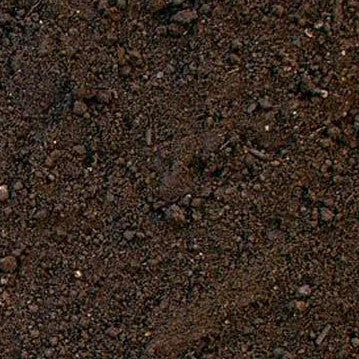
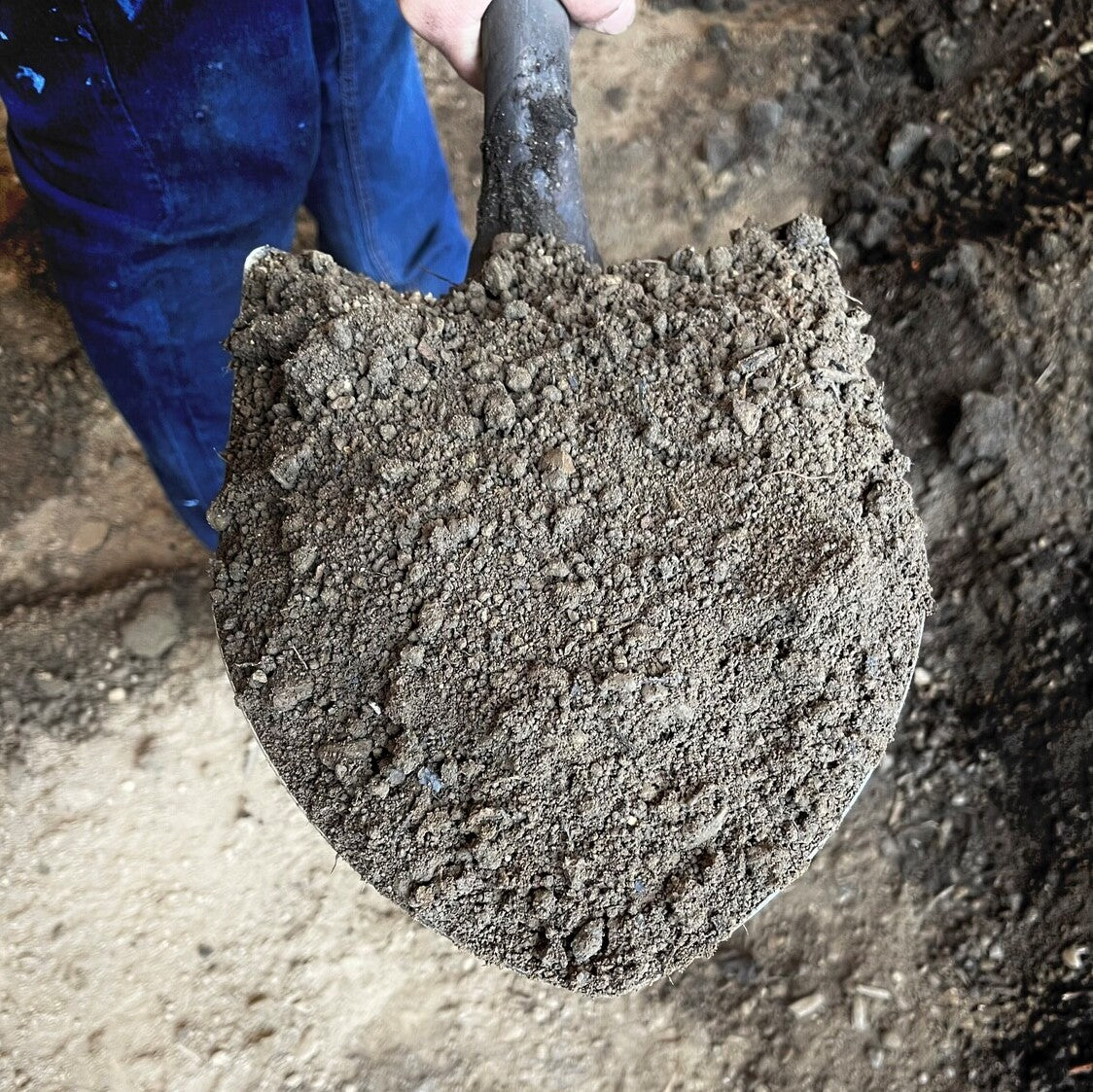
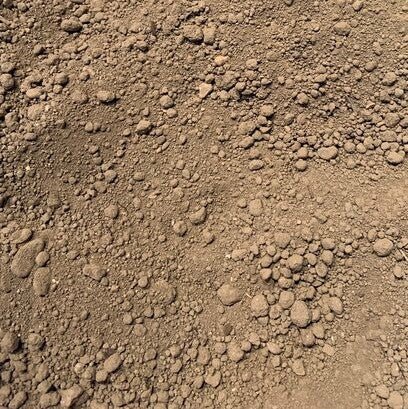
Quality topsoil for lawns, gardens, and landscape projects. Nutrient rich and ready to support strong root development and healthy plant establishment.
Great experience - not only was this the most affordable option for dirt delivery in Cleveland heights, but the delivery was fast and friendly. Got exactly what I needed and the truck got as close as possible to where I needed the dirt - even in my cramped driveway. Will be us...
Tell us what you're looking for
Thanks! We received your request.
Something went wrong. Please try again.
How Much Material Do I Need?
For improving existing Abilene garden beds, plan to work 4 to 6 inches of quality topsoil or garden blend into the native clay loam, which means ordering enough to cover your bed square footage at that depth. For raised beds built entirely with bulk soil, fill to at least 12 inches so roots have ample room to develop in loose, well-draining material before reaching the denser clay layer below.
Use our free soil calculator
What is a yard?
A yard is approximately 27 cubic feet. As a general guideline, one yard of material can cover an area of about 100-160 square feet at a 2-3 inch depth.
We can't take orders for this right now. Tell us what you need and we'll get back to you.
What do you need?
Thanks! We received your request.
Something went wrong. Please try again.
Hand-picked local yards
4,000+ regional deliveries
Dedicated support
Why order through Mulch Mound
The best local soil, without the guesswork.
We hand-pick and partner with the best yards in your region, keep only the ones our buyers rate well, and back each load with our guarantee.
Mulch Mound Guarantee
If your soil isn't the quantity or quality you ordered, we'll make it right.
About this soil
Quality topsoil for lawns, gardens, and landscape projects. Nutrient rich and ready to support strong root development and healthy plant establishment.
Great experience - not only was this the most affordable option for dirt delivery in Cleveland heights, but the delivery was fast and friendly. Got exactly what I needed and the truck got as close as possible to where I needed the dirt - even in my cramped driveway. Will be us...
How Much Material Do I Need?
For improving existing Abilene garden beds, plan to work 4 to 6 inches of quality topsoil or garden blend into the native clay loam, which means ordering enough to cover your bed square footage at that depth. For raised beds built entirely with bulk soil, fill to at least 12 inches so roots have ample room to develop in loose, well-draining material before reaching the denser clay layer below.
Use our free soil calculator
What is a yard?
A yard is approximately 27 cubic feet. As a general guideline, one yard of material can cover an area of about 100-160 square feet at a 2-3 inch depth.
Great experience - not only was this the most affordable option for dirt delivery in Cleveland heights, but the delivery was fast and friendly. Got...
Read full review
Great experience - not only was this the most affordable option for dirt delivery in Cleveland heights, but the delivery was fast and friendly. Got exactly what I needed and the truck got as close as possible to where I needed the dirt - even in my cramped driveway. Will be using again and recommending to my neighbors.
Measure your project area length and width in feet and multiply to get square footage, then multiply by your target depth in feet and divide by 27 to convert to cubic yards. For Abilene raised beds, plan a minimum of 12 inches of fill depth to keep roots out of the native clay loam below. Even a relatively modest half-inch topdressing over a 1,000 square foot lawn section requires about 1.5 cubic yards, so measuring carefully before ordering prevents both under-ordering and waste.
Soil Types We Deliver in Abilene
Abilene's alkaline, clay-heavy ground can make it tough to grow healthy lawns and gardens without bringing in better material from the outside. We deliver bulk topsoil by the yard in Abilene so homeowners, landscapers, and gardeners can build a proper growing foundation without hauling bags from a store. Orders arrive loose by the cubic yard, ready to spread the same day.
Screened Top Soil
A finely screened topsoil that works well for filling raised beds, leveling yards, and topping off garden areas across West Texas properties. It is nutrient rich and free of large clumps or debris, giving roots a clean, loose medium to establish quickly even in the dry Abilene climate.
Complete Your Outdoor Soil Project
Once your soil is graded and settled, adding a mulch layer over planting beds protects your improved soil from Abilene's drying summer heat and prevents the surface crusting that clay-heavy soils develop when left exposed. For drainage channels, decorative borders, or hardscape paths adjacent to your graded soil areas, our bulk stone options provide long-lasting solutions that complement both the soil work and the overall landscape.
Can I blend bulk topsoil into my existing Abilene clay to improve it, or do I need to replace it entirely?
Blending is effective and is what most Abilene homeowners do. Tilling 3 to 4 inches of quality topsoil or garden blend into the top 6 to 8 inches of your native clay loam loosens its texture, improves drainage, and creates a much more hospitable root environment. Full replacement is rarely necessary and rarely practical at scale. The clay loam is not a bad base, it just needs organic matter and texture mixed in to perform well for plants.
Answer
How much soil will I need to fill a raised bed in my Abilene backyard?
A standard 4 by 8 foot raised bed filled to 12 inches deep requires approximately 1.2 cubic yards. Most Abilene gardeners build beds at least 12 inches deep because the native clay loam below can hold too much water after rain events, and the deeper fill keeps roots in well-draining material longer. For beds 18 inches deep, plan on about 1.8 cubic yards for the same footprint.
Answer
What kind of soil should I use to level the low spots in my Abilene lawn?
A screened topsoil or sandy loam blend works best for lawn leveling in Abilene because it will not compact into the same impenetrable layer that native clay creates when dry. Apply it in half-inch to one-inch lifts over existing turf, water between applications, and let the grass grow through each layer before adding more. This gradual method corrects the grade without smothering the lawn.
Answer
My Abilene vegetable garden produces poorly every summer. Is the soil the main problem?
It is likely a major contributor. Abilene's clay loam retains heat intensely through June, July, and August, which stresses vegetable root systems even in zone 8a. A quality garden blend containing compost moderates soil temperature better than dense clay, holds enough moisture to support plants through dry stretches between rains, and drains well enough to avoid root rot after those concentrated summer storms. Pairing it with a mulch layer on top extends that benefit through the hottest weeks.
Answer
With Abilene only getting 25 inches of rain a year, does my soil choice really matter that much for irrigation efficiency?
It matters enormously. Because rainfall is limited and arrives in concentrated bursts rather than gentle steady rain, your soil needs to do two jobs at once. It must drain well enough to handle a sudden 2 to 3 inch event without pooling but also retain enough structure to hold moisture during weeks-long dry gaps. A loam-based blend with organic matter hits that balance far better than straight clay or straight sand, making your irrigation efforts significantly more efficient.
Answer
When is the best time to have bulk soil delivered for my Abilene landscape project?
Late February through late March is the ideal window because it allows you to prep beds right before the growing season opens after the last frost around April 2. Fall delivery in October is the second best option, giving soil time to settle and integrate before the ground cools. Avoid working clay-heavy areas when the soil is fully saturated after a heavy rain, as wet clay compacts aggressively under foot traffic and equipment.
Answer
My Abilene home had soil wash away from the foundation area during a hard rain. How do I fix that and keep it from happening again?
This is a common issue in Abilene where clay loam can erode quickly during concentrated downpours. Add enough soil to create a positive slope away from the foundation, roughly a 6 inch drop over the first 10 feet, to direct runoff away from the structure before it can saturate the ground and cause foundation movement. Pairing that graded soil with a stone border or a dense groundcover planting locks it in place and prevents the next heavy rain from repeating the damage.
Mulch Mound Pro Tip
Abilene's clay loam shrinks in dry weather and swells when saturated, and this repeated movement can cause newly placed topsoil to separate into a distinct layer rather than integrating with the native clay beneath. Before spreading bulk soil, loosen the existing ground with a tiller or heavy fork to at least 4 inches deep. That rough, broken surface gives the new soil something to bond into rather than sitting as an independent layer that compacts and slides independently over the seasons.
Mulch Mound Pro Tip
If you are building new planting beds in Abilene, take note of which sides of the structure receive the most direct afternoon sun and the least natural rainfall due to roof overhangs and wind patterns. Beds on south and west exposures often receive significantly less moisture than the rainfall totals suggest, both from the dry summer pattern and from the way structures intercept rain. Sizing the organic content of your soil blend generously in those locations compensates for the lower natural moisture and supports plants through Abilene's 210-day growing season.
Mulch Mound Pro Tip
The window between Abilene's last frost on April 2 and the onset of serious summer heat in late May is short and worth protecting. Getting bulk soil delivered and worked into beds in March gives it several weeks to settle, allow any heat from decomposing organic matter to dissipate, and reach a stable temperature before transplants go in the ground. Rushing soil placement right before warm-season planting can create uneven settling that pools water against young plant stems, so an early delivery and a patient timeline pays off.
The Unique Landscape of Abilene
Abilene's native clay loam creates real challenges for landscapers and gardeners, draining poorly after the region's infrequent but heavy rain events and compacting into a near-impenetrable layer during the extended dry stretches between storms. With only 25 inches of annual rainfall spread unevenly across the year, building up quality soil in planting areas is one of the most effective investments a homeowner can make in the long-term health of a landscape. Whether the goal is filling a new raised vegetable bed, correcting low spots in the lawn, or prepping a foundation planting strip, bringing in bulk topsoil or a garden blend provides a known, workable starting point instead of battling the native clay at every turn. At 1,749 feet elevation, Abilene also experiences wide temperature swings between seasons that benefit from a richer, better-aerated soil medium that supports root development through both cold winter nights and scorching summer afternoons. Improved soil that drains properly also prevents the standing water pockets that Abilene's clay loam creates around foundations and in low areas of the yard after a fast-moving thunderstorm. Starting with quality bulk soil makes every subsequent landscaping effort, from mulching to planting to irrigation, more effective and longer lasting.