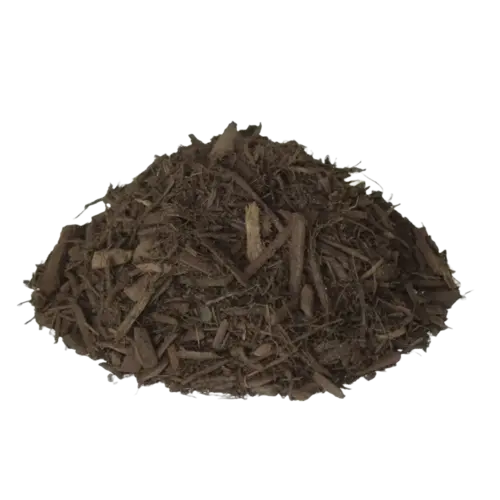
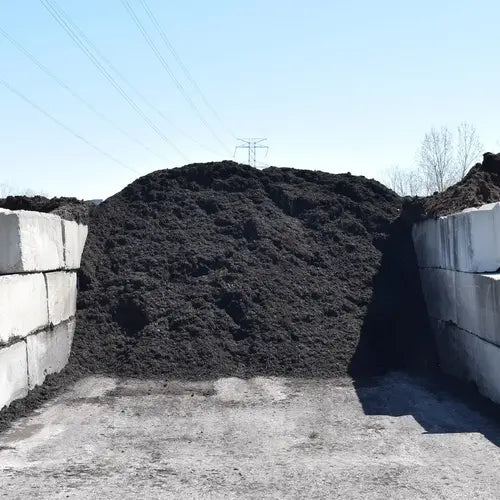
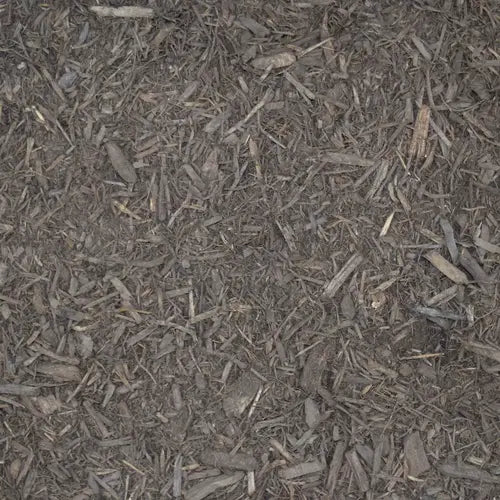
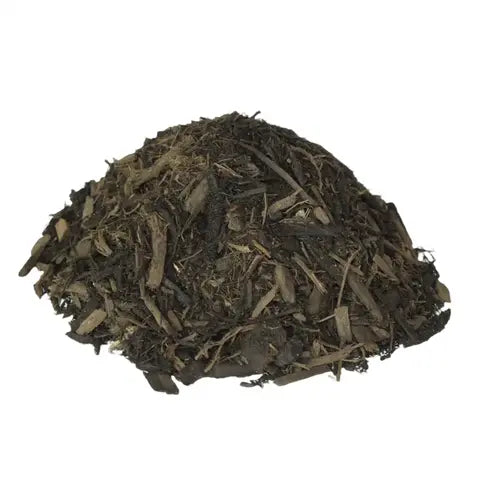
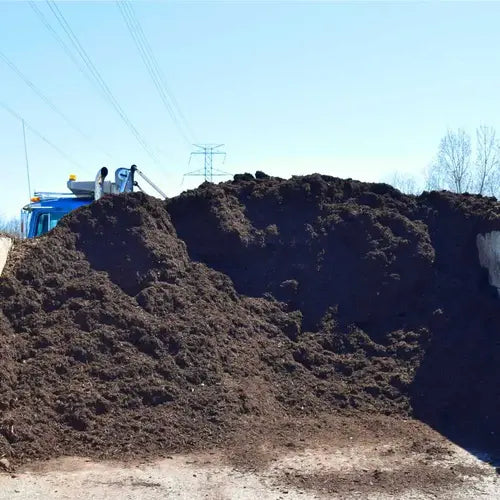
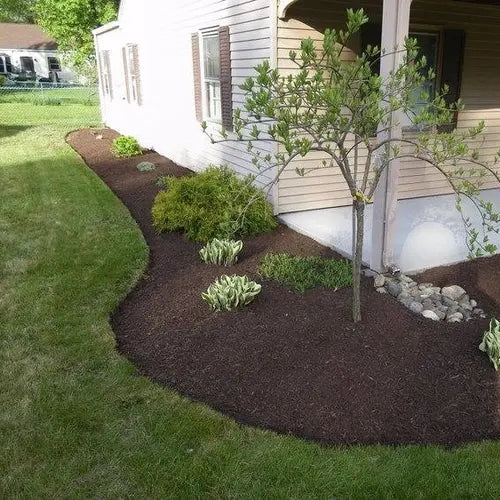
Warm brown double shredded mulch with lasting color that looks freshly applied for weeks. Spreads smooth, stays put, and gives beds a natural, polished appearance.
Mulch Mound made it so easy! So happy with the pricing, turn around time, delivery and product. I submitted my online order on a Thursday. The mulch was delivered to the designated location by a local landscape company at 8:30 a.m. the following Saturday morning. We had the...
Tell us what you're looking for
Thanks! We received your request.
Something went wrong. Please try again.
How Much Material Do I Need?
For Aiken's sandy soil, a minimum depth of three inches is recommended for new beds, and four inches on any sloped areas where summer rains could cause surface runoff and displacement. Existing beds in Aiken usually only need one to two inches of fresh material to top off what has decomposed over the course of the growing season.
Use our free mulch calculator
What is a yard?
A yard is approximately 27 cubic feet. As a general guideline, one yard of material can cover an area of about 100-160 square feet at a 2-3 inch depth.
We can't take orders for this right now. Tell us what you need and we'll get back to you.
What do you need?
Thanks! We received your request.
Something went wrong. Please try again.
Hand-picked local yards
4,000+ regional deliveries
Dedicated support
Why order through Mulch Mound
The best local mulch, without the guesswork.
We hand-pick and partner with the best yards in your region, keep only the ones our buyers rate well, and back each load with our guarantee.
Mulch Mound Guarantee
If your mulch isn't the quantity or quality you ordered, we'll make it right.
About this mulch
Warm brown double shredded mulch with lasting color that looks freshly applied for weeks. Spreads smooth, stays put, and gives beds a natural, polished appearance.
Mulch Mound made it so easy! So happy with the pricing, turn around time, delivery and product. I submitted my online order on a Thursday. The mulch was delivered to the designated location by a local landscape company at 8:30 a.m. the following Saturday morning. We had the...
How Much Material Do I Need?
For Aiken's sandy soil, a minimum depth of three inches is recommended for new beds, and four inches on any sloped areas where summer rains could cause surface runoff and displacement. Existing beds in Aiken usually only need one to two inches of fresh material to top off what has decomposed over the course of the growing season.
Use our free mulch calculator
What is a yard?
A yard is approximately 27 cubic feet. As a general guideline, one yard of material can cover an area of about 100-160 square feet at a 2-3 inch depth.
Mulch Mound made it so easy! So happy with the pricing, turn around time, delivery and product. I submitted my online order on a Thursday. The mu...
Read full review
Mulch Mound made it so easy! So happy with the pricing, turn around time, delivery and product. I submitted my online order on a Thursday. The mulch was delivered to the designated location by a local landscape company at 8:30 a.m. the following Saturday morning. We had the job completed by that afternoon. We chose the natural brown mulch, and the plant beds are beautiful.
Good quality, great price, fast delivery. All online - no submitting forms and waiting for days for quotes. Getting mulch should be this easy fr...
Read full review
Good quality, great price, fast delivery. All online - no submitting forms and waiting for days for quotes. Getting mulch should be this easy from everyone. Only Mulch Mound is ACTUALLY this simple.
I highly recommend Mulch Mound. The quality of the mulch is very good. The ordering system on their website makes it very easy. The delivery driver...
Read full review
I highly recommend Mulch Mound. The quality of the mulch is very good. The ordering system on their website makes it very easy. The delivery driver did a great job placing the mulch on the driveway. To finish off, the pricing was very reasonable as well.
When calculating mulch for Aiken properties, measure the length and width of each bed in feet, multiply to get square footage, and divide by 324 to find the cubic yards needed for a three-inch application depth. Because Aiken's sandy soil benefits from consistent coverage through the long growing season, it is better to round up rather than come up short heading into summer when moisture loss is at its greatest. Odd-shaped beds around mature oaks or along the curved driveways common in Aiken neighborhoods can be broken into smaller rectangles for easier calculation.
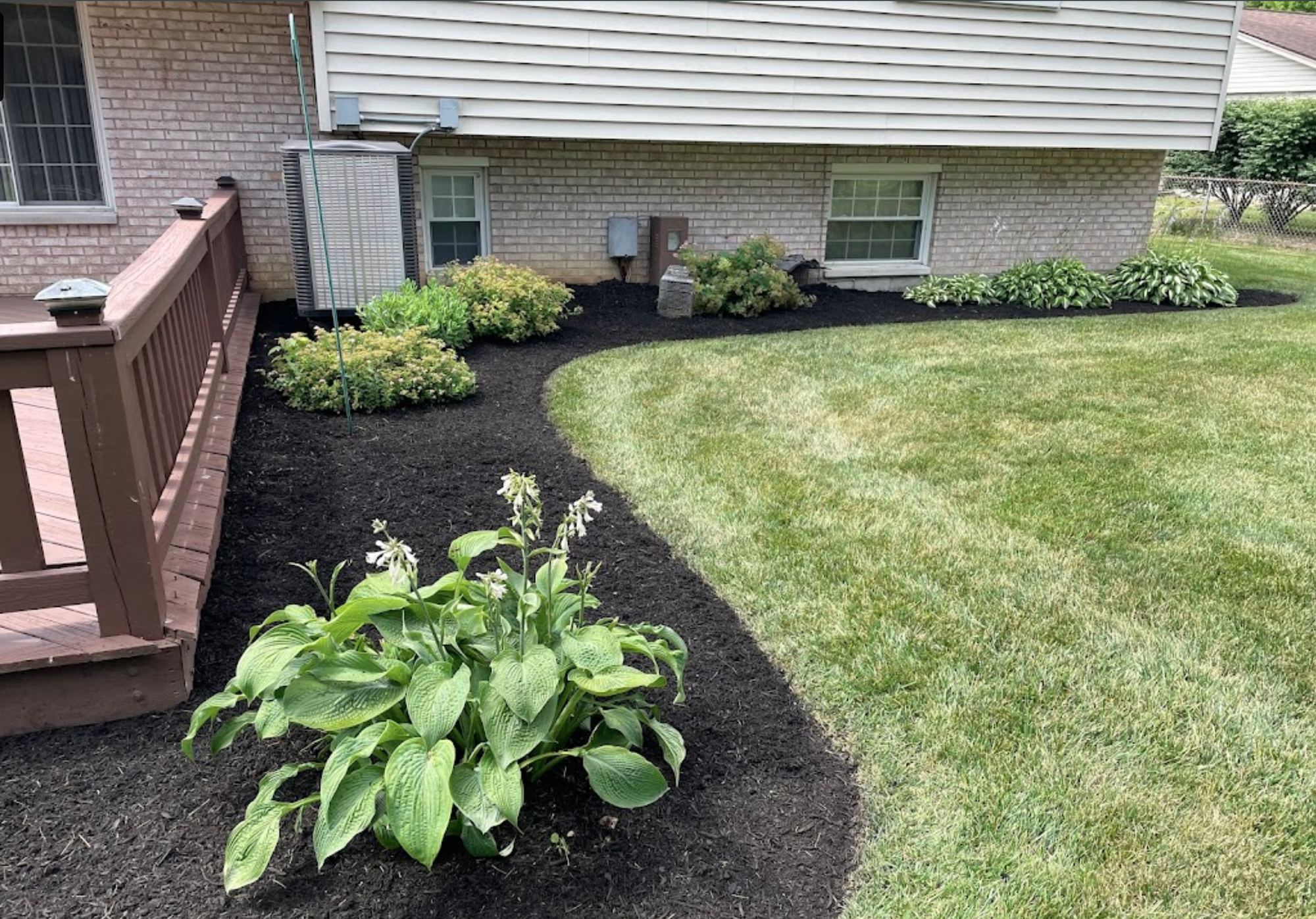
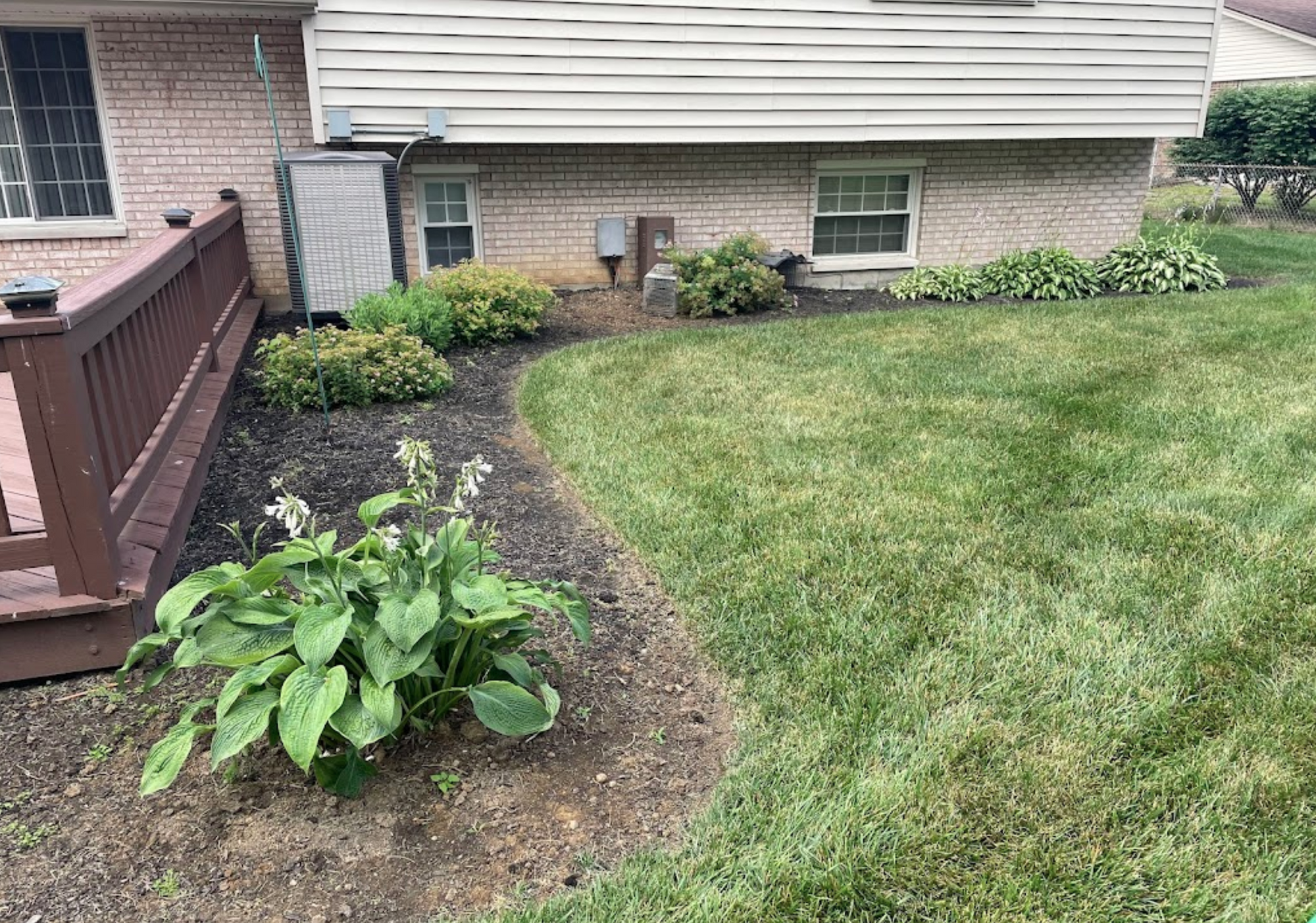
Mulch vs. No Mulch: The Difference
Aiken's warm Zone 8a climate means natural hardwood mulch begins breaking down faster than it would in cooler regions, typically showing noticeable decomposition within six to nine months during an active growing season. Dyed mulch uses a denser wood base that breaks down more slowly, which helps it maintain color and structure through Aiken's long summer, though it contributes organic matter back to sandy soil at a slower rate. For homeowners who want both curb appeal and soil improvement, alternating between a dyed product one year and a natural hardwood the next is a practical approach that serves Aiken landscapes well on both fronts.
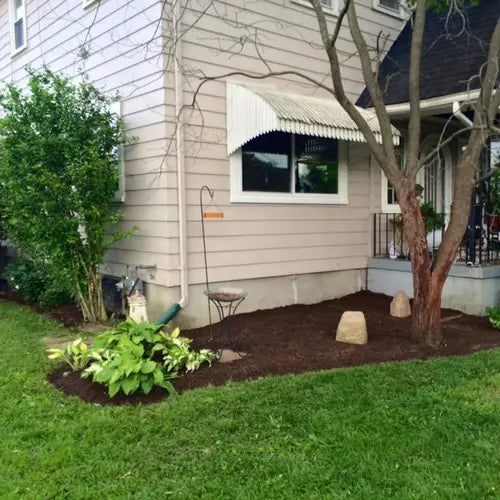
Before
After
Best Mulch Choice for Aiken Lawns
Most yards in the Aiken area sit on Sandy type of soil. Aiken's sandy soil holds very little moisture on its own, which means plant beds without mulch are prone to rapid drying between rain events and can stress shallow-rooted plants through the hottest months of the Zone 8a growing season.
Hardwood Mulch
Hardwood mulch breaks down into humus that directly adds organic matter to Aiken's nutrient-poor sandy soil, gradually improving its ability to retain moisture and support the dense root systems that landscape plants need through a long, hot growing season.
Mulch Types We Deliver in Aiken
Mulch Mound delivers bulk mulch by the cubic yard straight to your door, making it easy to tackle large landscape projects without hauling bags from the store. Whether you searched for bulk mulch delivery in Aiken or are simply refreshing established beds before summer, we carry a focused selection of quality varieties chosen for this region's warm, humid climate. Each load arrives ready to spread, so you spend your time planting, not hauling.
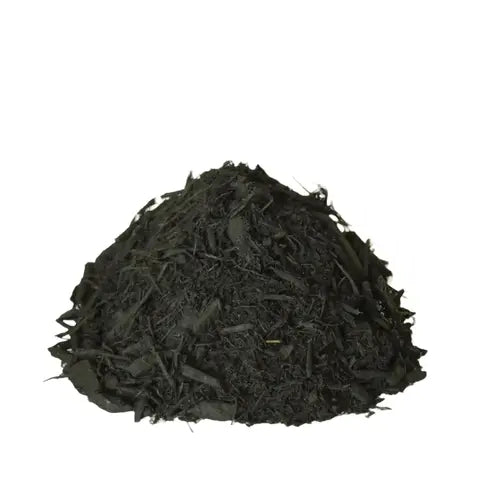
Dyed Black Mulch
Available in a double shredded cut, the bold black color creates sharp contrast against the sandy soils and warm tones common in this part of South Carolina. It holds its color well through the region's intense summer sun and afternoon rains, making it a popular choice for homeowners who want beds that stay sharp.
Dyed Brown Mulch
The warm brown double shredded cut blends naturally with the sandy loam soils found throughout this area, giving beds a rich, polished look that feels at home beside traditional Southern architecture. The color lasts for weeks without fading, even through the heat and humidity that Aiken summers bring.
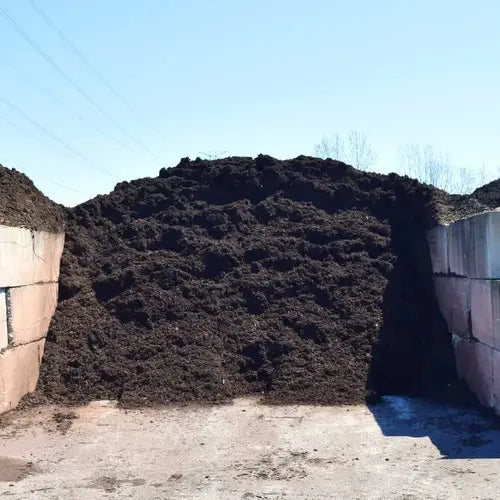
Natural Brown Mulch
This undyed double shredded option lets the wood's own earthy tone do the work, fitting well into relaxed landscapes and naturalistic garden styles that suit the casual outdoor lifestyle common in this part of the Carolinas. It spreads cleanly and settles into a smooth, even layer with minimal effort.
Complete Your Outdoor Mulch Project
Pairing mulch with a quality amended soil gives Aiken plant beds the organic foundation they need before mulch goes down on top, and adding a stone border or gravel edge around bed perimeters helps keep mulch contained during Aiken's heavier summer rain events.
In Aiken, hold off on removing old mulch from beds before your last frost around March 15. That existing organic layer acts as insulation for root systems through the final cold snaps of late winter that can catch gardeners off guard. Once you are past mid-March and soil temperatures begin rising consistently, rake the old mulch back, check root crowns for any frost damage, and then apply fresh material on top rather than removing the decomposed layer, which is already adding organic matter to your sandy soil.
Mulch Mound Pro Tip
Aiken's sandy soil has an almost sponge-like hunger for organic material, and every time a layer of mulch fully decomposes into the ground it adds a meaningful amount of organic matter that helps sandy particles bind together and hold nutrients longer. Over several seasons of consistent mulching, beds retain moisture more effectively and plants show stronger growth simply because the decomposed material has been improving your soil structure from the top down without any extra effort. This cumulative improvement is one of the most valuable long-term benefits of mulching in the Aiken area.
Mulch Mound Pro Tip
With Aiken receiving roughly 46 inches of rain annually, heavy summer storms can compact the surface of freshly spread mulch and form a crust that slows water penetration down to plant roots. After any significant rain, take a few minutes to lightly rake the top inch of mulch to break up matted areas and allow the next rainfall or irrigation cycle to reach the root zone effectively. This simple habit done two or three times through the summer makes a real difference in how well moisture moves into Aiken's fast-draining sandy soil beneath your beds.
Frequently Asked Questions
Click a question to see the answer
Answer
How often do I need to refresh mulch given how fast organic material breaks down in Aiken's heat?
In Aiken's Zone 8a climate, organic mulch can decompose noticeably within a single growing season because warm soil temperatures and humid summers accelerate microbial activity in the ground. Most Aiken homeowners find that adding a fresh inch or two each spring, around the time of the last frost in mid-March, keeps beds looking neat and maintains effective weed and moisture control. If you mulched heavily the previous fall before the November frost, you may only need a light top-dress rather than a full replacement.
Answer
Will Aiken's sandy soil cause mulch to break down even faster than it would elsewhere?
Sandy soil drains freely, which keeps oxygen levels high near the soil surface and speeds up the decomposition of organic mulch compared to denser clay-based soils. In Aiken, this means hardwood or pine bark mulch will break down noticeably faster through the warm months of the growing season. The benefit is that decomposing mulch feeds organic matter back into Aiken's nutrient-poor sandy ground, which gradually improves soil structure and moisture retention beneath your beds over multiple seasons.
Answer
What depth of mulch should I apply to keep my beds moist through an Aiken summer?
For Aiken's sandy soil conditions, a depth of three to four inches is the sweet spot for retaining soil moisture between rain events. Shallower applications dry out too quickly under the Zone 8a summer sun, while piling mulch deeper than four inches can actually prevent rainfall from penetrating down to the root zone. Measure your existing mulch depth before ordering so you are adding only what is needed to reach that target range rather than over-applying.
Answer
Aiken gets around 46 inches of rain a year. Will heavy downpours wash mulch out of my beds?
Mulch can shift on sloped areas during heavy rain events, which are common in Aiken's late spring and summer months. Installing a low steel or aluminum bed edging around your planting areas helps anchor mulch in place and prevents it from migrating onto walkways or lawn areas during downpours. On steeper slopes, larger-chunk wood mulch or pine bark nuggets tend to stay put better than finely shredded products when a strong summer storm rolls through.
Answer
When is the ideal time to apply mulch in Aiken given our frost dates and long growing season?
The best time for most Aiken homeowners to apply fresh mulch is right around the last frost date of mid-March, just before warm-season plants and weeds begin their main growth push. Mulching at this point locks in early spring soil moisture, suppresses weed germination before it starts, and gives beds a clean look heading into the growing season. A second light application in early fall, well before the first frost around November 5, helps moderate soil temperature as the season winds down and protects shallow roots through winter.
Answer
Will dyed mulch hold its color through Aiken's intense summer sun or will it fade quickly?
Dyed mulch does fade in any sunny climate, and Aiken's long warm season with strong UV exposure from late spring through September means you will see some color change by midsummer. Most dyed products use colorfast pigments that hold reasonably well for a full season, and a light top-dress the following spring restores the look without replacing the entire bed. Natural hardwood mulch weathers to a silver-gray tone over the season that many Aiken homeowners find attractive against the classic landscape plantings common in the area.
Answer
My property has a lot of pine trees. Does that affect which mulch I should use in my Aiken beds?
Pine needle mulch, commonly called pine straw, is very popular in Aiken and throughout the South Carolina Sandhills region because it knits together well and resists washing during heavy summer rains. It does add mild acidity to soil over time, which suits azaleas, camellias, and blueberries that thrive in Aiken's Zone 8a growing conditions. If your beds include plants that prefer neutral soil, hardwood bark mulch is a better fit and will not shift the pH of your already slightly acidic sandy soil as dramatically across the season.
The Unique Landscape of Aiken
Aiken's sandy soils drain so quickly that plant beds can dry out within a day or two after a rain event, even though the area receives around 46 inches of rainfall each year. Without a consistent layer of mulch, the intense heat of a Zone 8a summer will bake exposed soil and push root-zone temperatures high enough to stress even well-established plants. Mulch keeps the ground cooler and slower to lose moisture, which matters enormously during the long stretch from mid-March through early November when Aiken landscapes are actively growing. Because Aiken's native sandy soil is low in organic content, decomposing mulch gradually contributes the humus and microbial activity that the ground cannot produce on its own. A well-mulched bed also slows the warm-season weed pressure that builds quickly during Aiken's extended growing window, cutting down on maintenance through the hottest months of the year.