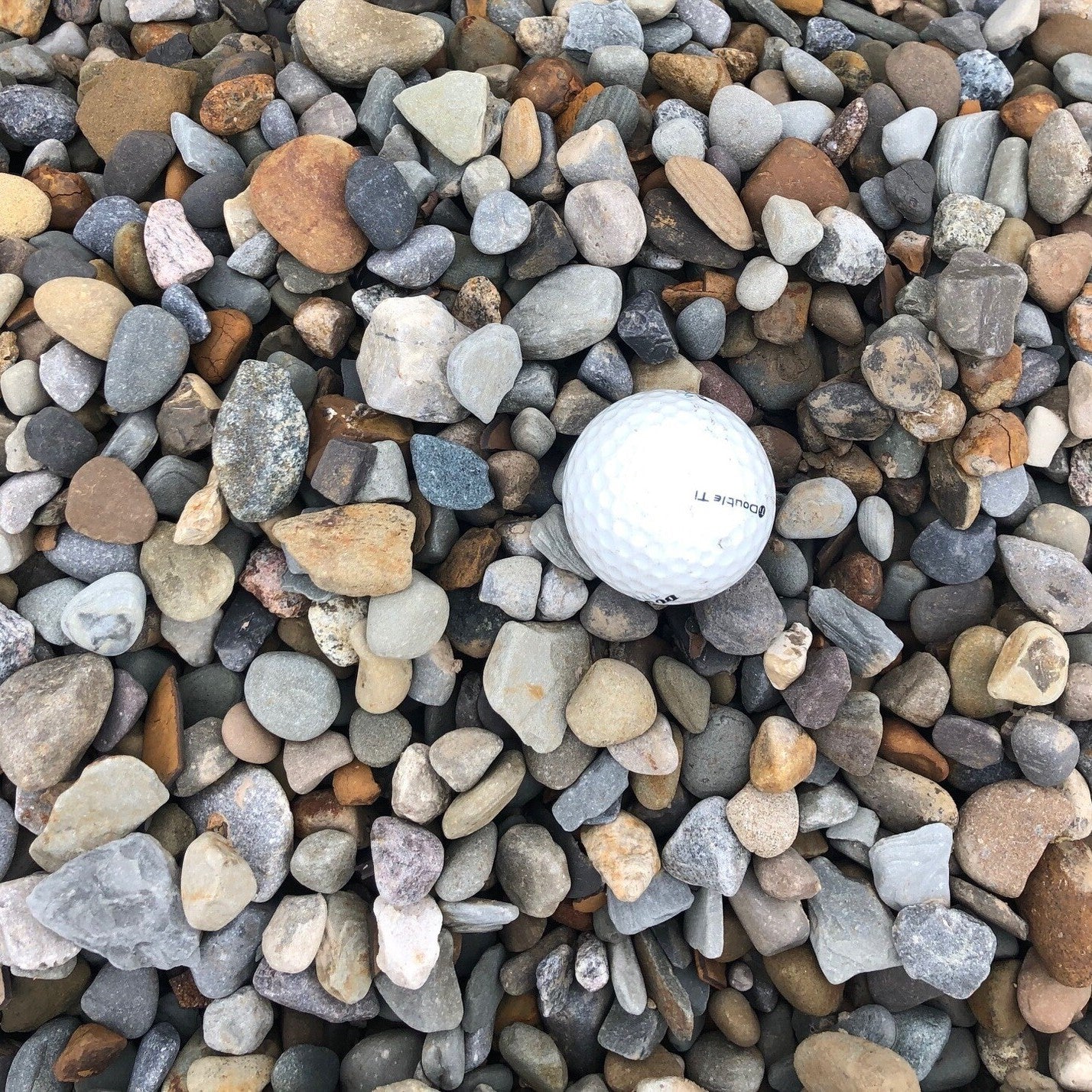
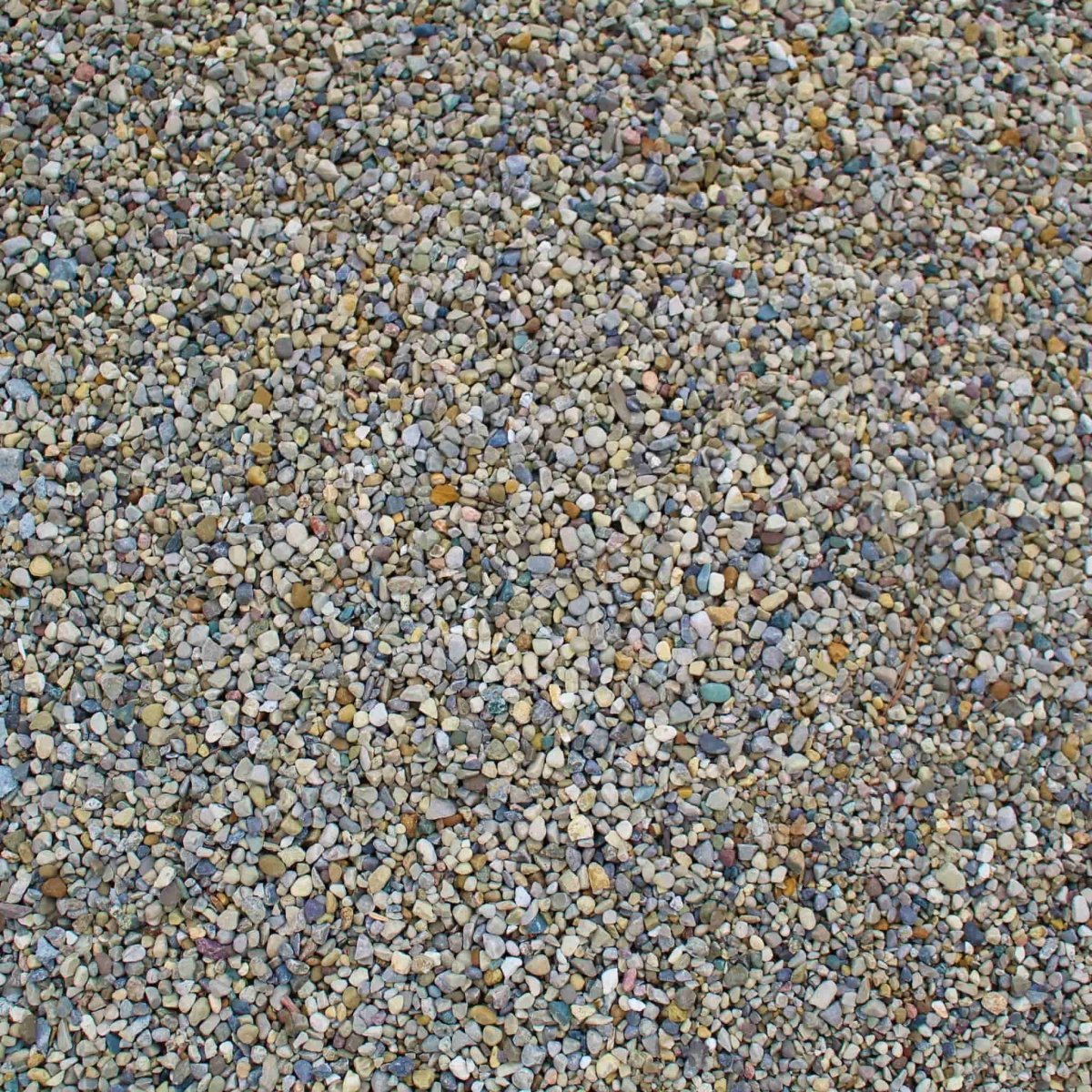
Number 57 crushed stone, angular limestone graded to about three quarters of an inch. The standard driveway, base and drainage gravel, it locks together under traffic and drains fast.
I used Mulch Mound to have 3 cubic yards of garden soil delivered. The process was easy and I love that I didn't have to call anyone. I placed my order online, picked my delivery date, laid out my tarp and the dirt was delivered. My delivery had to be pushed back, but I was ke...
Tell us what you're looking for
Thanks! We received your request.
Something went wrong. Please try again.
How Much Material Do I Need?
For decorative stone beds and pathways in Aiken, a depth of two to three inches provides stable coverage that resists displacement during heavy summer rains and stays visually consistent through the growing season. Drainage applications like French drains and dry creek beds in Aiken typically need four to six inches of stone to move water effectively given the volume of rainfall the area receives through the warm months.
Use our free gravel calculator
What is a yard?
A yard is approximately 27 cubic feet. As a general guideline, one yard of material can cover an area of about 100-160 square feet at a 2-3 inch depth.
We can't take orders for this right now. Tell us what you need and we'll get back to you.
What do you need?
Thanks! We received your request.
Something went wrong. Please try again.
Hand-picked local yards
4,000+ regional deliveries
Dedicated support
Why order through Mulch Mound
The best local stone, without the guesswork.
We hand-pick and partner with the best yards in your region, keep only the ones our buyers rate well, and back each load with our guarantee.
Mulch Mound Guarantee
If your stone isn't the quantity or quality you ordered, we'll make it right.
About this stone
Number 57 crushed stone, angular limestone graded to about three quarters of an inch. The standard driveway, base and drainage gravel, it locks together under traffic and drains fast.
I used Mulch Mound to have 3 cubic yards of garden soil delivered. The process was easy and I love that I didn't have to call anyone. I placed my order online, picked my delivery date, laid out my tarp and the dirt was delivered. My delivery had to be pushed back, but I was ke...
How Much Material Do I Need?
For decorative stone beds and pathways in Aiken, a depth of two to three inches provides stable coverage that resists displacement during heavy summer rains and stays visually consistent through the growing season. Drainage applications like French drains and dry creek beds in Aiken typically need four to six inches of stone to move water effectively given the volume of rainfall the area receives through the warm months.
Use our free gravel calculator
What is a yard?
A yard is approximately 27 cubic feet. As a general guideline, one yard of material can cover an area of about 100-160 square feet at a 2-3 inch depth.
I used Mulch Mound to have 3 cubic yards of garden soil delivered. The process was easy and I love that I didn't have to call anyone. I placed my o...
Read full review
I used Mulch Mound to have 3 cubic yards of garden soil delivered. The process was easy and I love that I didn't have to call anyone. I placed my order online, picked my delivery date, laid out my tarp and the dirt was delivered. My delivery had to be pushed back, but I was kept informed via text, which was great. So why not 5 stars? The description of garden soil on the website is "A balanced mix of topsoil and organic amendments ready for raised beds, flower gardens, and new planting areas. Good drainage, solid nutrients, easy to work with." What I got was more like fill dirt. It had a lot of gravel, a lot of clay, and random trash mixed in. I didn't test the soil to see if it actually had "amendments" because I already have compost and alpaca manure ready to add, but if I'd known the quality of the dirt was going to be the same as the bagged dirt I bought last year, I probably would have gotten 2 yards of top soil and a yard of leaf compost for better quality, especially since the leaf compost is cheaper. Photo of my mountain of dirt and just some of the trash I found in it.
For stone coverage in Aiken, one cubic yard covers approximately 100 square feet at a two-inch depth or around 160 square feet at an inch and a half depth. Because stone does not compress the way mulch does after installation, your initial calculation is usually close to the final quantity needed without a large buffer. For drainage projects where trench depth is variable, adding 10 to 15 percent to your estimate accounts for the uneven bottoms common in hand-dug drainage channels across Aiken properties.
Stone Types We Deliver in Aiken
Mulch Mound makes it easy to get bulk stone delivered by the cubic yard to homes and landscapes across this corner of South Carolina. If you have been searching for bulk gravel by the yard in Aiken, we bring it straight to your driveway or job site without the hassle of hauling it yourself. Our stone selection is matched to the area's warm, humid climate and the sandy, clay-tinged soils that are common throughout this part of the state.
Pea Gravel
Pea Gravel offers smooth, rounded stones and warm earth tones that drain freely through Aiken's sandy soils during heavy summer rains. It suits pathways, patios, and decorative ground cover around the classic Southern-style homes found throughout this part of the state, and it installs easily without heavy equipment.
Complete Your Outdoor Stone Project
Stone borders and gravel edges pair naturally with mulched planting beds in Aiken because they contain mulch during summer storms, and filling the beds within those stone-edged borders with quality amended soil gives Aiken plants the nutrient-rich root zone they need alongside the drainage that surrounding stone provides.
One of the most practical uses for bulk stone in Aiken is building a dry creek bed that carries concentrated runoff from downspout outlets or low spots across the yard to a natural drainage area or the street. These features handle the surge of water from Aiken's summer thunderstorms far better than turf or mulch in those same paths, and they look attractive in the landscape year-round without any seasonal maintenance. Use larger stones along the outer edges and smaller smooth river rock in the channel center for a natural appearance that also slows water velocity and reduces erosion.
Mulch Mound Pro Tip
Aiken's long growing season from mid-March through early November means weeds have many months to germinate in any exposed ground, including gravel beds that were clean the previous season. The combination of a quality non-woven landscape fabric and a full three-inch layer of stone on top is the most reliable way to suppress weed growth in stone areas without relying on chemical herbicides through the summer. Check stone beds each spring just before the last frost date and hand-pull any early weeds before they establish roots deep enough to penetrate or displace the fabric layer.
Mulch Mound Pro Tip
For Aiken properties with high-traffic areas like gate entries, equipment paths, or zones near water access points where turf simply cannot survive constant use, compacted crusher run stone is an exceptionally practical surface solution. It compacts firmly underfoot and under vehicle weight, drains well even during the heavy summer rains that can turn bare sandy soil into a muddy mess, and requires very little attention year after year. A four-to-six-inch compacted layer handles the demands of regular traffic far better than loose decorative gravel and avoids the rutting and erosion that unimproved sandy ground develops quickly under repeated use.
The Unique Landscape of Aiken
Stone is one of the most durable and practical landscape materials available to Aiken homeowners because it holds up to the region's 46 inches of annual rainfall without decomposing, washing away, or requiring seasonal replacement. Gravel and crushed stone create effective drainage paths that move water quickly through and around areas where Aiken's sandy soil has been compacted by foot traffic or equipment and can no longer absorb rainfall at the rate it falls. During the long, hot Zone 8a summers, stone beds and pathways require almost no maintenance compared to organic materials that need refreshing as the heat accelerates their breakdown. Stone borders and decorative gravel areas add year-round texture and color to Aiken landscapes without the replanting or reseeding that mulched or ground-cover alternatives require. For properties with slopes, hillside drop-offs, or areas near drainage channels, stone is also the most reliable material for controlling erosion in Aiken's warm and rain-active climate.
Frequently Asked Questions
Click a question to see the answer
Answer
What size gravel works best for drainage projects in Aiken given that the native soil is already sandy?
For drainage swales, French drains, and dry creek beds in Aiken, a clean washed stone in the three-quarter-inch to one-and-a-half-inch range allows water to move freely without fine particles clogging the gaps between stones. Aiken's sandy native soil already drains well in undisturbed areas, but compacted ground near driveways, foundations, and high-traffic lawn sections creates localized drainage problems that a properly sized gravel trench resolves effectively. Avoid very fine gravel for subsurface drainage because small particles can migrate into the surrounding soil over time and reduce water flow through the channel.
Answer
Will gravel pathways shift or wash out during Aiken's heavier summer thunderstorms?
Pathway stone can migrate on slopes or in areas that channel significant water flow during Aiken's summer thunderstorms, which can be intense and concentrated in short periods. Installing a solid edging material on both sides of a gravel path keeps the stone contained and minimizes spreading when a heavy rain passes through. For frequently used pathways, compacting a firm base layer of crusher run or dense-grade aggregate before adding a surface stone gives the path stability that loose gravel alone cannot maintain through Aiken's wet summer conditions.
Answer
How deep should I lay stone for a gravel driveway or parking pad in Aiken?
A gravel driveway in Aiken should have a compacted base layer of four to six inches of crusher run or dense-grade stone, topped with two to three inches of a surface gravel for appearance and texture. Because Aiken's sandy subsoil is relatively soft and can shift under vehicle weight, the compacted base layer is essential for preventing ruts and maintaining a level surface through the wet summer months. Laying landscape fabric between the native sandy soil and the base layer helps prevent fine sand from migrating upward and mixing into the gravel over time.
Answer
Can stone help with erosion on a sloped section of my Aiken yard?
Stone is one of the most effective erosion control materials for Aiken slopes because it does not wash away during heavy rains the way mulch or bare soil does when water velocity picks up on a grade. A layer of larger riprap or fieldstone along drainage channels, gully edges, or steep embankments absorbs the energy of flowing water and holds the soil surface in place even during significant rain events. For gentler slopes, a compacted layer of three-quarter-inch washed stone beneath a decorative surface stone creates a stable and permeable surface that slows runoff and protects the ground beneath.
Answer
What types of stone tend to look best in Aiken landscapes and complement the area's natural setting?
Aiken's Sandhills environment and historic character tend to suit natural-looking materials like tan or buff-toned pea gravel, smooth river rock, and local fieldstone rather than brightly colored decorative gravels that can look out of place. Cream and gray granite chips work well as clean and neutral ground covers around foundation plantings and along walkways in Aiken neighborhoods with traditional landscaping. For a more naturalistic look that blends with the area's wooded properties and sandy terrain, smooth river pebble or natural creek stone gives pathways and borders an organic appearance that fits the local landscape character.
Answer
Do I need landscape fabric under stone in Aiken or will the sandy soil hold up on its own beneath the gravel?
Landscape fabric under stone is highly recommended in Aiken because the sandy native soil tends to work its way up into gravel layers over time through a process called migration, gradually contaminating the stone and reducing its drainage effectiveness and clean appearance. A heavy non-woven geotextile fabric creates a barrier that keeps stone and soil separate while still allowing water to pass through freely into the permeable ground below. Without fabric, most Aiken homeowners find that gravel beds begin to look muddy and weed-invaded within two to three seasons as the sandy soil blends with the surface material.
Answer
How much stone do I need for a drainage swale or French drain in my Aiken yard?
For a standard dry creek bed or drainage swale in Aiken, multiply the length by the width by the depth all in feet and divide by 27 to get the cubic yards of stone needed. A typical residential swale three feet wide and six inches deep uses roughly one cubic yard for every 18 linear feet of channel. Because Aiken receives meaningful rainfall concentrated in the warmer months, sizing your swale conservatively and ordering a bit of extra stone to reinforce the edges after the first heavy summer rain is a practical approach that saves a return delivery.
Answer
Is crush and run the same as crusher run?
Crush and run is simply the Southern term for crusher run, a mix of crushed stone and stone dust that compacts into a solid base for driveways and paver projects. With Aiken's 46 inches of annual rainfall, our clean Crushed Stone #57 is often the better choice, since its washed fines let water drain freely instead of holding moisture near your soil.
Answer
Is there a stone yard near Aiken?
Crushed Stone is a smart pick in Aiken because it drains quickly and shrugs off 46 inches of yearly rain without washing away. It is the same stone you would buy at a stone yard, but Mulch Mound brings it to your door by the cubic yard, so you never have to visit a quarry or load a truck yourself.