





Great service. We ordered topsoil from Mulch Mound and the best experience. Thank you so much!
About this soil
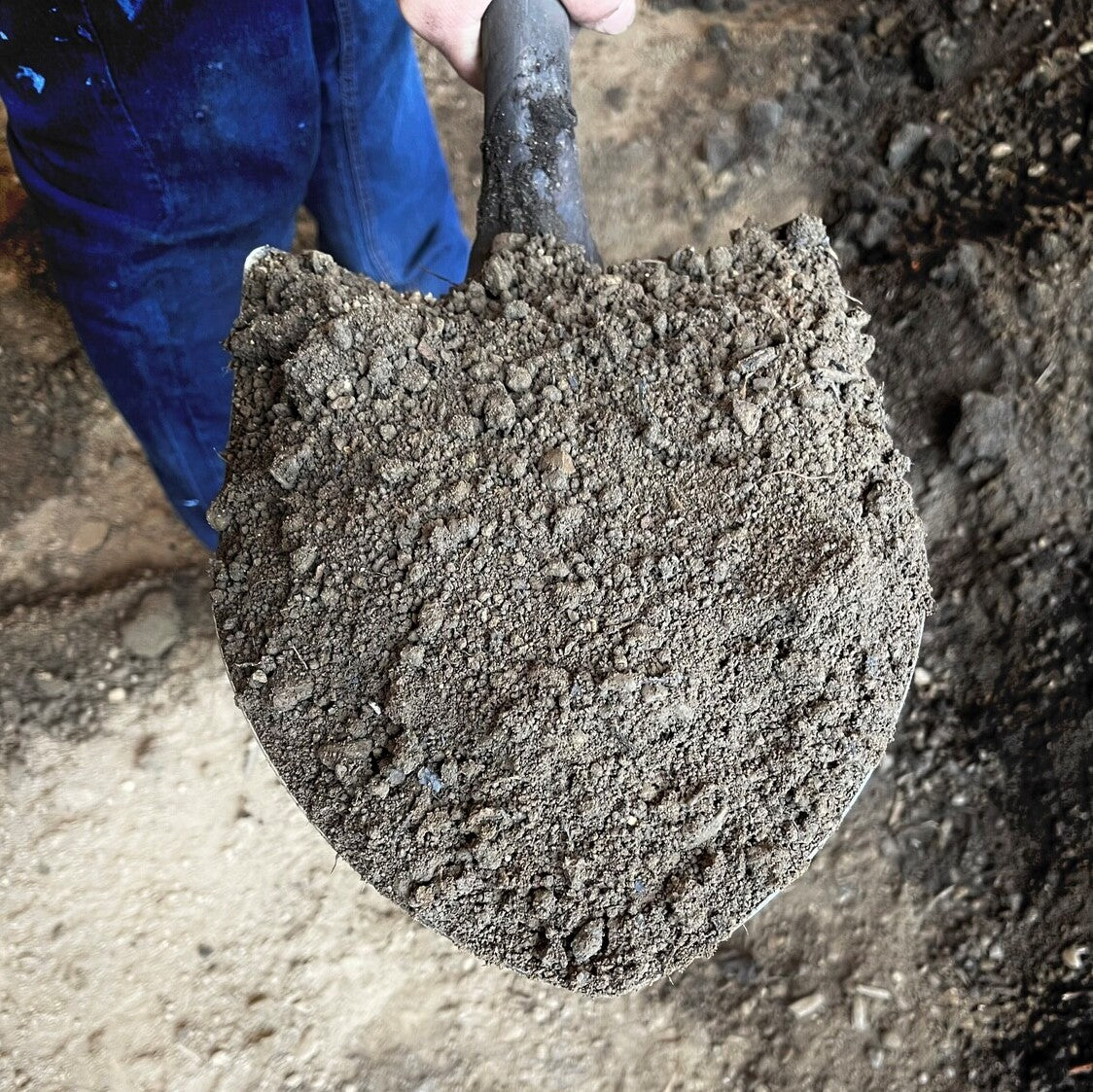
Quality topsoil for lawns, gardens, and landscape projects. Nutrient rich and ready to support strong root development and healthy plant establishment.
Great service. We ordered topsoil from Mulch Mound and the best experience. Thank you so much!
Tell us what you're looking for
Thanks! We received your request.
Something went wrong. Please try again.
How Much Material Do I Need?
How Much Material Do I Need?
For new garden beds built on top of Aiken's sandy native soil, a minimum of six inches of quality soil gives roots enough growing medium to establish before they reach the nutrient-poor layer below. Lawn topdressing projects in Aiken typically use one to two inches per application to improve surface smoothness and turf growing conditions without smothering existing grass.
Use our free soil calculator
What is a yard?
What is a yard?
FAQs
FAQs
Aiken Soil Delivery
Aiken Soil Delivery
Regular price
$64.00
per
yard
Regular price
Sale price
$64.00
Unit price
per
Shipping calculated at checkout.
Minimum of 3 yard
Couldn't load pickup availability
Not currently available
We can't take orders for this right now. Tell us what you need and we'll get back to you.
Hand-picked local yards
4,000+ regional deliveries
Dedicated support
Why order through Mulch Mound
The best local soil, without the guesswork.
We hand-pick and partner with the best yards in your region, keep only the ones our buyers rate well, and back each load with our guarantee.
Mulch Mound Guarantee
If your soil isn't the quantity or quality you ordered, we'll make it right.
About this soil
Quality topsoil for lawns, gardens, and landscape projects. Nutrient rich and ready to support strong root development and healthy plant establishment.
Great service. We ordered topsoil from Mulch Mound and the best experience. Thank you so much!
How Much Material Do I Need?
How Much Material Do I Need?
For new garden beds built on top of Aiken's sandy native soil, a minimum of six inches of quality soil gives roots enough growing medium to establish before they reach the nutrient-poor layer below. Lawn topdressing projects in Aiken typically use one to two inches per application to improve surface smoothness and turf growing conditions without smothering existing grass.
Use our free soil calculator
What is a yard?
What is a yard?
FAQs
FAQs
Tell us what you're looking for
Thanks! We received your request.
Something went wrong. Please try again.

How It Works
Getting started is easy — just follow these simple steps
1
Choose your soil
Make sure you adjust the quantity to your home's needs. You can use our calculator to estimate how much you'll need.
2
Select your delivery date
Select a delivery date you'd like for the product to be dropped off at your home
3
Sit back and wait
Sit back, wait, and let us work our magic to make sure the highest quality product is delivered to your driveway.

Placing an order online was so easy. Delivery was on time. When the driver realized we had a newly poured driveway they erred on the side of cautio...
Read full review
Placing an order online was so easy. Delivery was on time. When the driver realized we had a newly poured driveway they erred on the side of caution and opted not ti drive in it. The company even sent me a message explaining that call. Would recommend!

Online ordering was really simple and I liked the transparent pricing.
Need Help Calculating How Much Soil You Need?
Use our NEW Trace from Satellite tool to get an estimate for your project based on an aerial view of your property
Try Our CalculatorTo estimate soil for a raised bed in Aiken, multiply the length by the width by the desired depth all in feet and divide by 27 to convert to cubic yards. For lawn topdressing on Aiken's often uneven sandy ground, a useful guide is that one cubic yard covers approximately 100 square feet at a one-inch depth. When in doubt, ordering slightly more than your calculation suggests is wise because Aiken's sandy soil base will accept additional fill readily without creating drainage or compaction concerns.
Soil Types We Deliver in Aiken
Aiken's sandy coastal plain soils can leave lawns and garden beds struggling to hold nutrients and moisture, making quality bulk soil delivery an essential part of any landscape project. We bring bulk topsoil by the yard in Aiken right to your property, so you can build up raised beds, level a yard, or prep new planting areas without hauling a single bag. Every delivery is measured by the cubic yard and scheduled to fit your project timeline.
Screened Top Soil
Our screened top soil is cleaned of rocks, clumps, and debris, giving you a fine, workable base that blends easily into Aiken's existing ground. It is nutrient rich and ready to support strong root development, making it a solid choice for homeowners planting warm-season grasses, establishing garden beds, or filling in low spots around a property.
Complete Your Outdoor Soil Project
After grading and filling with quality soil, adding a layer of mulch on top of Aiken garden beds locks in the moisture that the new soil can hold, and a stone border around bed edges keeps both the soil and mulch from washing away during the heavy summer rains that are common throughout the area.


Service area
Areas we deliver soil in Aiken, South Carolina
Mulch Mound Pro Tip
When filling raised beds in Aiken, resist the urge to use native yard soil as a filler to stretch your material order and save money. Aiken's sandy ground adds almost no nutritional value and will dilute the quality of any amended soil you blend it with, leaving plant roots in a nutrient-poor mixture that performs little better than the native ground alone. Fill beds entirely with a quality product from the start and you will see the difference in how quickly plants establish and how consistently they perform through the full Zone 8a growing season.
Mulch Mound Pro Tip
Aiken's summer storms can be intense, and freshly graded soil that has not had time to settle is vulnerable to erosion when a heavy rain arrives before vegetation has established. After completing any grading project, seed or sod bare soil areas as quickly as possible, and consider pinning erosion blanket over any steep areas until grass takes hold. A temporary mulch covering over bare garden soil between planting seasons is another practical way to prevent summer rains from washing your new grade out of shape before plants fill in.
Mulch Mound Pro Tip
The long growing season in Aiken, running from the last frost around mid-March all the way to early November, means garden soil works hard for many months and is steadily depleted of nutrients. At the end of each season, add two to three inches of compost or aged organic material on top of your beds to replenish what plants have used through the year. This annual habit counteracts the natural tendency of Aiken's sandy base to pull soluble nutrients downward and keeps your beds productive year after year without heavy reliance on synthetic fertilizers.
The Unique Landscape of Aiken
Aiken's native sandy soil is one of the most limiting factors for homeowners who want productive lawns and lush garden beds, because it drains so freely that it cannot hold the moisture and nutrients plants depend on through the long growing season. When you bring in quality topsoil or amended garden soil, you are giving plants a growing medium with the organic matter and nutrient-holding capacity that the sandy Sandhills ground simply cannot provide on its own. Grade work is especially important in Aiken, where sandy soil settles unevenly after construction and low spots collect water during heavy summer storms despite the generally permeable character of the surrounding ground. Raised beds filled with rich soil are a popular solution in Aiken because they let gardeners build ideal growing conditions entirely above the nutrient-poor native layer. With the last frost falling around March 15 and the first frost not arriving until around November 5, Aiken gardeners have an exceptionally long season to take advantage of, and quality soil makes every week of that growing window more productive.