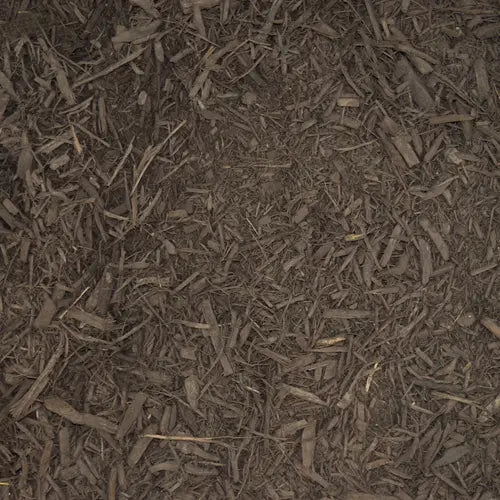
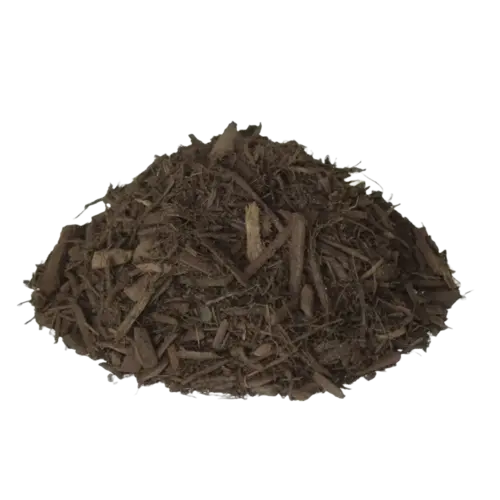
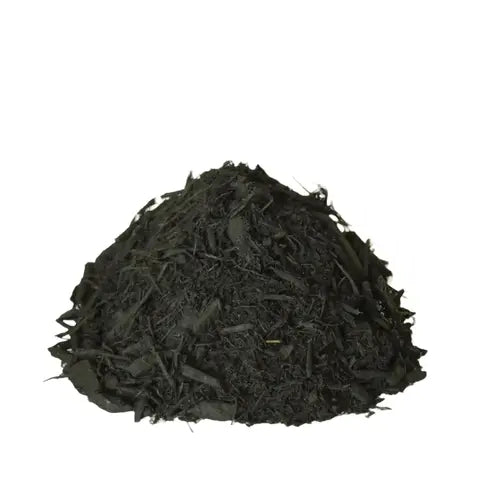
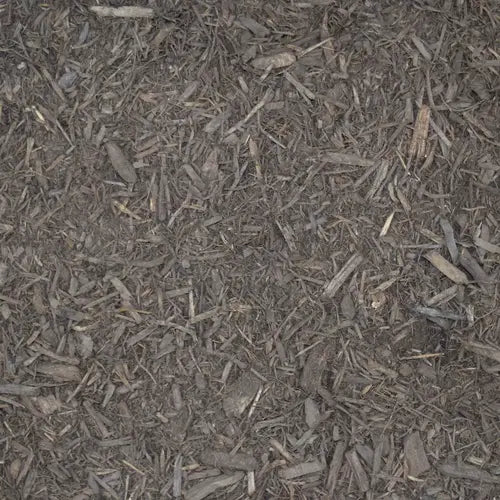
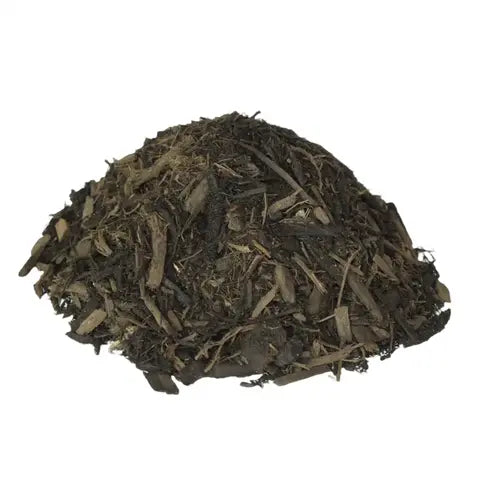
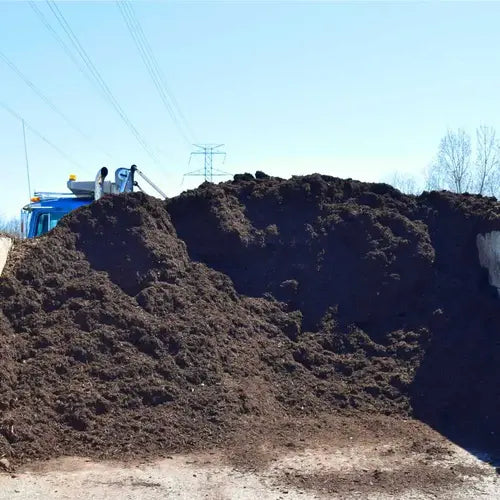
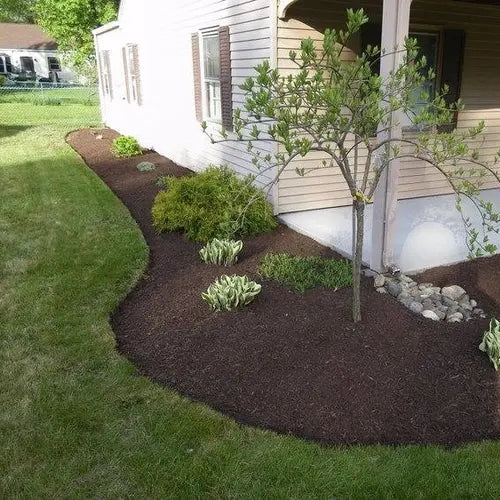
Warm brown double shredded mulch with lasting color that looks freshly applied for weeks. Spreads smooth, stays put, and gives beds a natural, polished appearance.
Great experience with mulch mound. Their online calculator made it easy to estimate how many yards of mulch I needed and delivery was quick. I would definitely recommend them for your future projects.
Tell us what you're looking for
Thanks! We received your request.
Something went wrong. Please try again.
How Much Material Do I Need?
In Amarillo's fast-draining sandy loam, 3 to 4 inches is the recommended mulch depth for most planting beds and borders. A single cubic yard covers roughly 80 square feet at 4 inches deep, so measure your beds carefully before ordering.
Use our free mulch calculator
What is a yard?
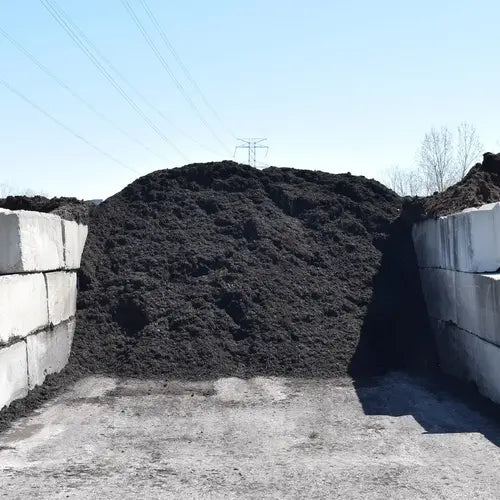
A yard is approximately 27 cubic feet. As a general guideline, one yard of material can cover an area of about 100-160 square feet at a 2-3 inch depth.
We can't take orders for this right now. Tell us what you need and we'll get back to you.
What do you need?
Thanks! We received your request.
Something went wrong. Please try again.
Hand-picked local yards
4,000+ regional deliveries
Dedicated support
Why order through Mulch Mound
The best local mulch, without the guesswork.
We hand-pick and partner with the best yards in your region, keep only the ones our buyers rate well, and back each load with our guarantee.
Mulch Mound Guarantee
If your mulch isn't the quantity or quality you ordered, we'll make it right.
About this mulch
Warm brown double shredded mulch with lasting color that looks freshly applied for weeks. Spreads smooth, stays put, and gives beds a natural, polished appearance.
Great experience with mulch mound. Their online calculator made it easy to estimate how many yards of mulch I needed and delivery was quick. I would definitely recommend them for your future projects.
How Much Material Do I Need?
In Amarillo's fast-draining sandy loam, 3 to 4 inches is the recommended mulch depth for most planting beds and borders. A single cubic yard covers roughly 80 square feet at 4 inches deep, so measure your beds carefully before ordering.
Use our free mulch calculator
What is a yard?
A yard is approximately 27 cubic feet. As a general guideline, one yard of material can cover an area of about 100-160 square feet at a 2-3 inch depth.
Great experience with mulch mound. Their online calculator made it easy to estimate how many yards of mulch I needed and delivery was quick. I woul...
Read full review
Great experience with mulch mound. Their online calculator made it easy to estimate how many yards of mulch I needed and delivery was quick. I would definitely recommend them for your future projects.
We needed mulch for our HOA common areas. Local providers were all holding high prices even for 40 yards of mulch. Mulch mound was easy to wowith...
Read full review
We needed mulch for our HOA common areas. Local providers were all holding high prices even for 40 yards of mulch. Mulch mound was easy to wowith & has great price for natural mulch + delivery schedule options. They called before delivery to ensure Delivery was exactly where we wanted it.
Delivery was on time and great quality Mulch. Got it done in a reasonable time and yard looks great. Couldn’t be happier!!! Thank you and will us...
Read full review
Delivery was on time and great quality Mulch. Got it done in a reasonable time and yard looks great. Couldn’t be happier!!! Thank you and will use again!!
Measure the length and width of each bed in feet and multiply to get the square footage, then use the coverage guide on our calculator to match that number to the right cubic yard quantity. Amarillo's wind can scatter loose mulch during delivery or spreading, so ordering a small buffer of 5 to 10 percent above your calculated need is a smart practice. If you have irregularly shaped beds, break them into rectangles and add the areas together for a close estimate.
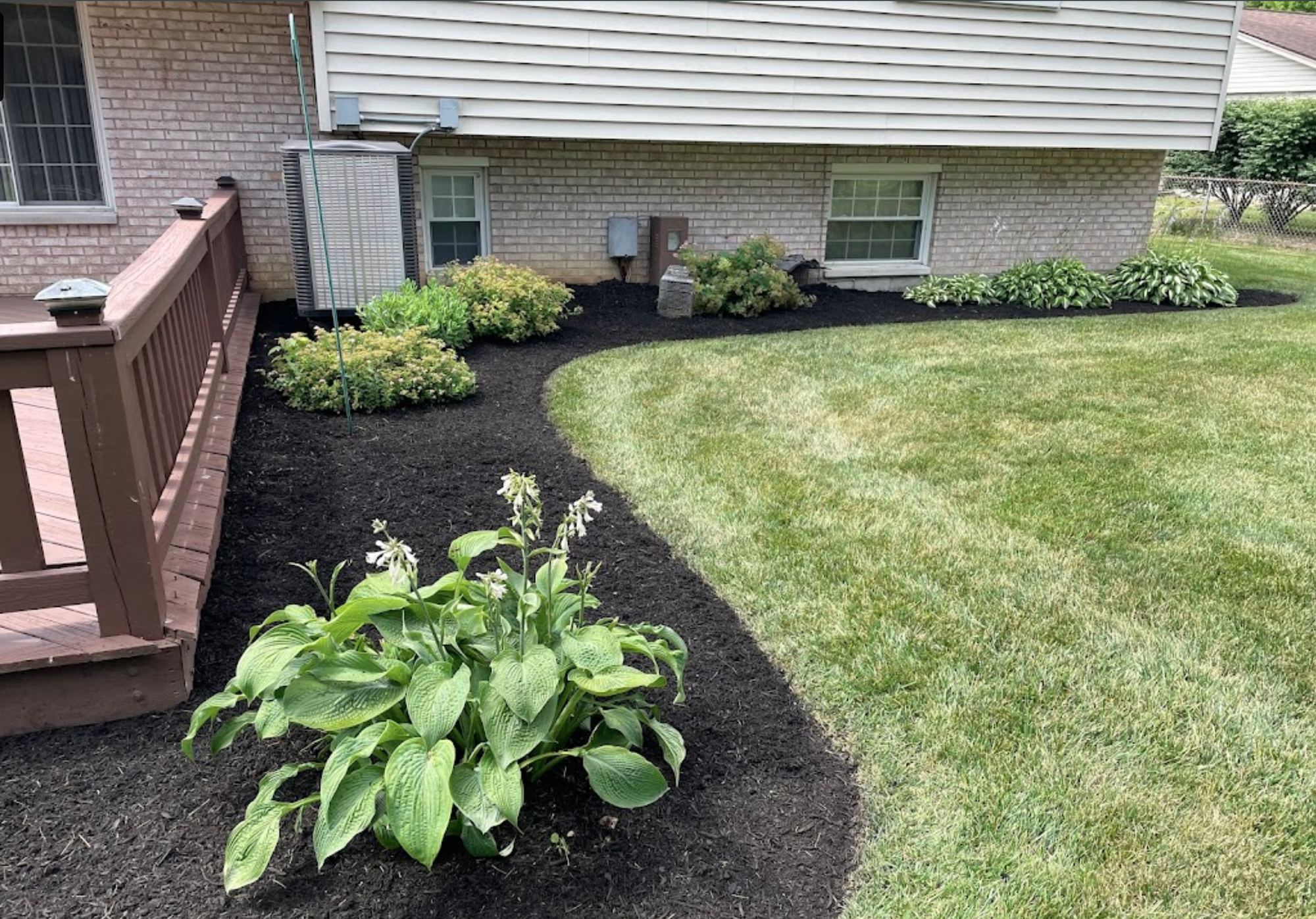
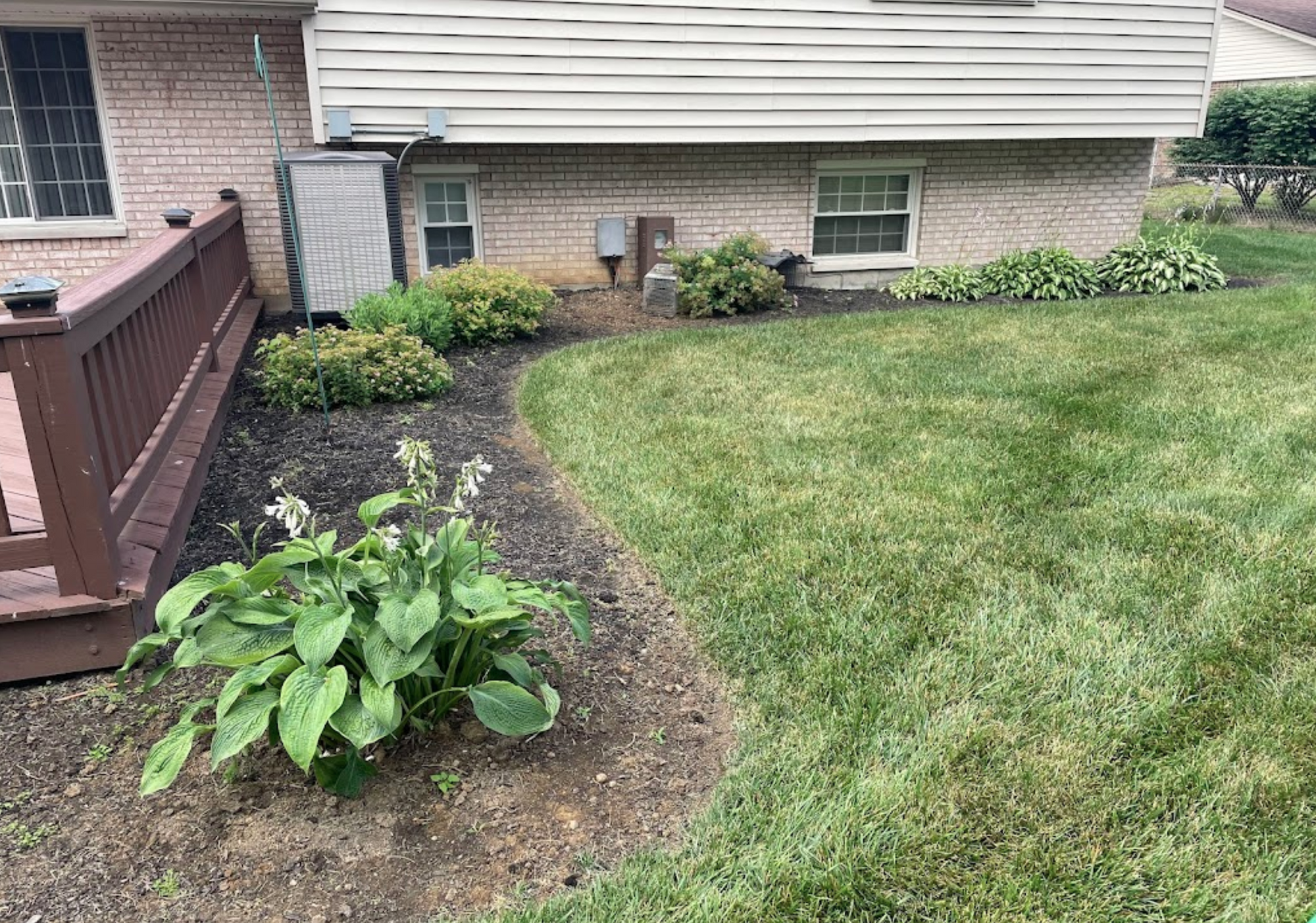
Mulch vs. No Mulch: The Difference
Amarillo's intense Panhandle sun and low annual humidity mean that natural wood mulch will break down and fade more quickly than it would in wetter, shadier climates. Dyed mulch uses a colorant that slows visible aging, which appeals to homeowners who want consistent curb appeal through the long, sunny summer. The tradeoff is that natural mulch decomposing into sandy loam adds organic matter that improves moisture retention over time, while dyed mulch contributes less to long-term soil building.
Before
After
Best Mulch Choice for Amarillo Lawns
Most yards in the Amarillo area sit on Sandy Loam type of soil. Amarillo's sandy loam soil is low in organic matter and drains so quickly that plant roots in unimproved beds often struggle to access consistent moisture between watering cycles.
Hardwood Mulch
Hardwood mulch breaks down gradually into sandy loam, adding humus that improves the soil's ability to hold both moisture and nutrients, slowly transforming Amarillo's native soil into a richer, more plant-friendly growing medium over multiple seasons.
Mulch Types We Deliver in Amarillo
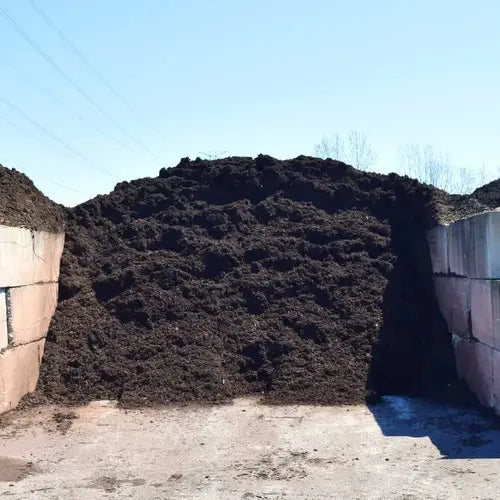
Mulch Mound delivers bulk mulch by the cubic yard to homes and businesses across town, making it easy to cover large beds without repeated trips to the store. Whether you are refreshing a front yard or tackling a full landscape overhaul, bulk mulch delivery in Amarillo saves time and keeps projects on track. Our mulch holds up well in the Texas Panhandle climate, protecting soil moisture through long, hot summers.
Dyed Brown Mulch
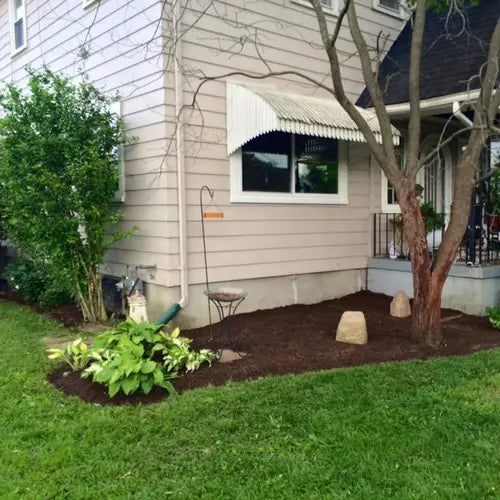
Warm and inviting, dyed brown mulch is the top choice for Amarillo homeowners refreshing their landscape beds. The double shredded cut spreads smoothly across the sandy soils common in this region, holds color well through intense summer heat, and gives yards a clean, polished look that lasts for weeks.
Dyed Black Mulch
Bold and striking, dyed black mulch creates sharp contrast against the pale soils and light stone accents common in Texas Panhandle yards. Available in a double shredded cut, it spreads easily and holds its deep color through intense sun and wind, giving beds a modern, dramatic appearance all season long.
Natural Brown Mulch
For homeowners who prefer a pure, undyed look, natural brown mulch delivers warm earthy tones straight from the wood itself. The double shredded texture makes it easy to spread across wide beds, and its honest, organic appearance blends well with the open, rugged character of the Texas Panhandle landscape.
Complete Your Outdoor Mulch Project
If your beds need a nutrient boost before mulching, our bulk garden soil is a natural first step, especially in areas where Amarillo's sandy loam lacks organic matter. Add decorative stone along bed edges or pathways to frame your mulched areas and reduce wind-scattered material at the perimeter.
Amarillo's prevailing southwest winds can shift mulch out of beds over time, especially in open front yards with little wind protection. To minimize drift, use heavier hardwood mulch rather than lighter pine varieties in exposed areas, and edge your beds with a physical border such as metal edging or a row of decorative stone. Tamping mulch down lightly after spreading also helps it settle and resist movement during gusty Panhandle afternoons when wind gusts can exceed 30 miles per hour.
Mulch Mound Pro Tip
Because the last frost in Amarillo typically falls around April 21, resist the urge to mulch too early in spring. Mulching while soil is still cold traps that coldness in the ground and slows warming. Wait until you have had a solid week of consistently mild overnight temperatures after the last frost date, then apply your full 3 to 4 inch layer. This approach lets the soil warm naturally and encourages root growth before you lock in that insulating layer for the season.
Mulch Mound Pro Tip
With only 20 inches of annual rainfall, every drop that soaks into your soil rather than running off is precious. Mulch creates a sponge-like surface layer that slows runoff and encourages water to percolate down into the sandy loam where roots can reach it. Pair your mulch application with a slow-drip irrigation system if possible, since slow watering combined with mulch coverage gives roots in Amarillo's sandy soil the best chance of consistent moisture access between the rain events that do arrive.
Frequently Asked Questions
Click a question to see the answer
Answer
How deep should I apply mulch in Amarillo given our sandy loam soil?
Sandy loam drains so freely that a shallow layer of mulch will not hold enough moisture to make a meaningful difference. Aim for 3 to 4 inches in most planting beds. If you are covering a slope or an exposed area that gets direct afternoon wind from the west, lean toward the full 4 inches to compensate for faster drying. Avoid piling mulch against plant stems, which can cause rot even in a dry climate like Amarillo's.
Answer
Will mulch help my plants survive Amarillo's late spring frost events?
Mulch insulates the soil and helps moderate temperature swings, but it is not a frost shield for above-ground growth. What it does is protect root systems when temperatures dip unexpectedly near the April 21 average last frost date. Keeping 3 to 4 inches of mulch in place through late spring means roots stay warmer and plants bounce back faster after a cold snap. Pull mulch back slightly from crowns during warm stretches so you do not trap too much heat around tender new growth.
Answer
How often do I need to replenish mulch in the Amarillo area?
Because Amarillo sits at 3,671 feet with intense sun and strong winds, mulch breaks down and compacts faster than it would in a more temperate climate. Most homeowners need to top off beds once a year, typically in early spring after the last frost passes around April 21. Natural hardwood mulch decomposes into the sandy loam and adds organic matter, which is genuinely beneficial for improving soil structure over time. Dyed mulch holds its appearance longer and may need replenishing less frequently if aesthetics are the priority.
Answer
Does mulch really make a difference when Amarillo only gets 20 inches of rain a year?
It makes an enormous difference precisely because rainfall is so limited here. A 3-inch mulch layer can reduce soil moisture evaporation by 25 to 50 percent. In a city where irrigation has to do most of the work, that reduction translates directly into lower water bills and healthier plants. On a hot Amarillo afternoon in July when temperatures push past 95 degrees, bare sandy loam can lose surface moisture within hours. Mulch slows that process and gives plants a fighting chance between watering cycles.
Answer
What color of dyed mulch holds up best in Amarillo's intense sun?
Amarillo receives intense high-plains sunlight at 3,671 feet of elevation, which fades dyed mulch faster than it would in lower-elevation Texas cities. Black dyed mulch tends to fade to a gray tone within one season. Brown dyed mulch tends to hold its appearance a bit longer because its natural tone is closer to the base wood color. Red dyed mulch can shift to a pink or orange hue after prolonged sun exposure. Whichever color you choose, a fresh top-dressing each spring keeps curb appeal consistent without a full replacement.
Answer
Is it okay to use mulch around my vegetable garden in Amarillo?
Absolutely, and it is one of the smartest things you can do for a Panhandle vegetable garden. A layer of natural wood mulch around vegetable beds keeps the sandy loam from crusting after watering, which is a real problem in Amarillo. The crust that forms on bare sandy loam can repel water and make irrigation less effective. Keep mulch pulled a few inches away from the base of tomato and pepper plants to allow air circulation. Apply mulch after your last frost around April 21 when soil has had a chance to warm, since cold mulch over cold sandy loam can slow early-season germination.
Answer
Can mulch help with the weeds that blow in from empty Panhandle lots nearby?
Yes, and this is one of the most practical reasons Amarillo homeowners invest in bulk mulch. Weed seeds that drift in on Panhandle winds need light and bare soil to germinate. A consistent 3 to 4 inch mulch layer blocks enough light to prevent most of those seeds from establishing. It will not eliminate every weed, especially aggressive grasses that can push through thinner applications, but it dramatically reduces hand-pulling frequency. Pair mulch with a weed barrier fabric in beds with heavy weed pressure for the strongest results.
The Unique Landscape of Amarillo
Amarillo's sandy loam soil drains quickly, which means plant beds dry out fast during the city's already-limited 20 inches of annual rainfall. A thick layer of mulch slows that moisture loss dramatically, giving roots time to absorb water before it disappears into the soil profile. The high plains wind that sweeps across Amarillo can strip bare soil of its top layer and accelerate evaporation, making mulch a functional necessity rather than just a finishing touch. With a first frost arriving as early as October 18 and a last frost lingering until April 21, mulch also buffers soil temperatures during those long shoulder seasons. Applying mulch after your last spring frost locks in warmth and helps plants establish before summer heat arrives. Whether you are protecting ornamentals along a foundation or covering a vegetable garden bed, the right mulch choice can make a measurable difference in how your Amarillo landscape performs.