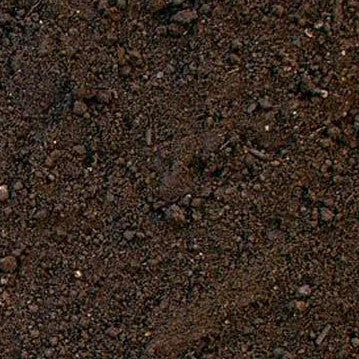
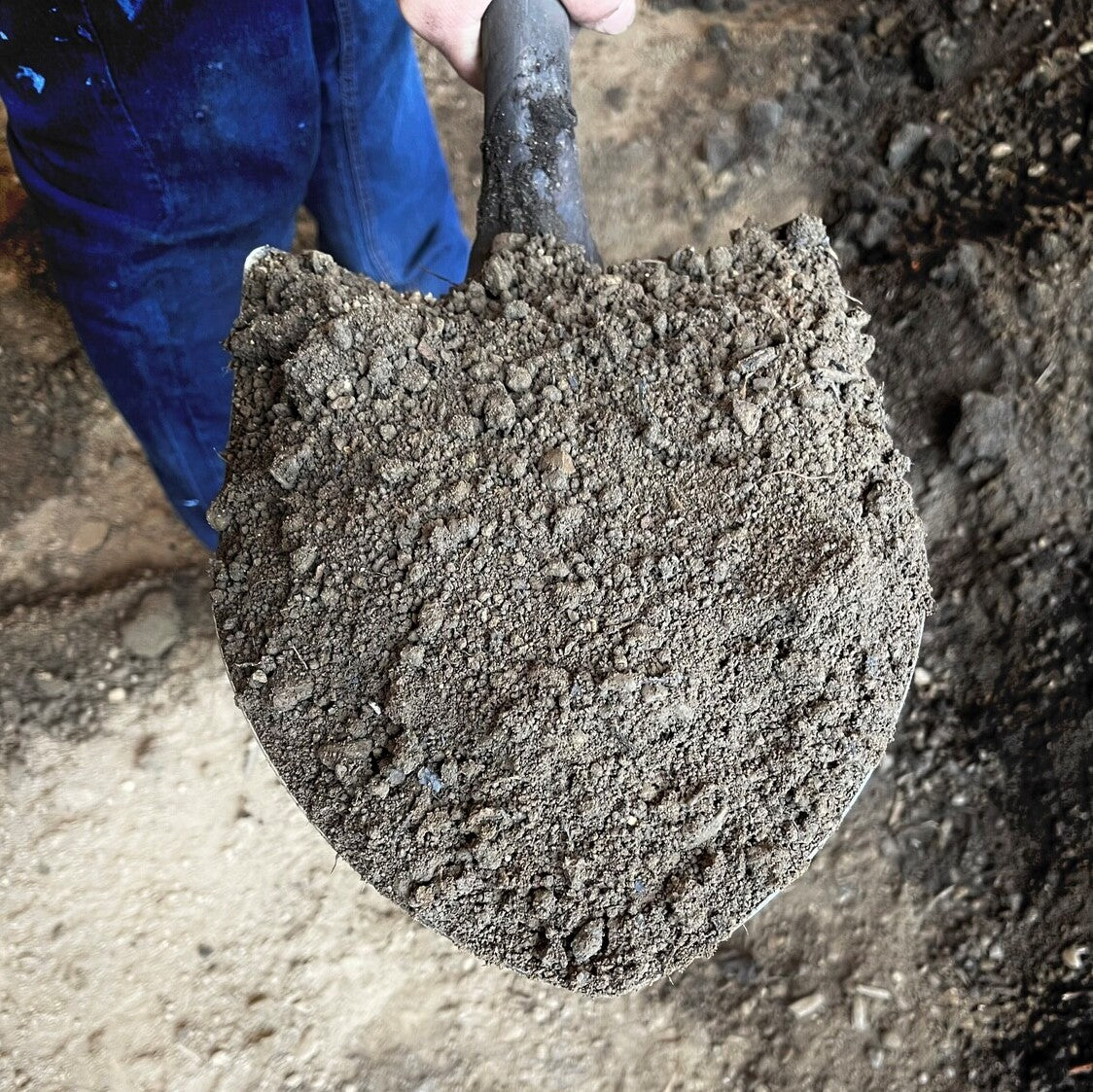
Quality topsoil for lawns, gardens, and landscape projects. Nutrient rich and ready to support strong root development and healthy plant establishment.
I used Mulch Mound to have 3 cubic yards of garden soil delivered. The process was easy and I love that I didn't have to call anyone. I placed my order online, picked my delivery date, laid out my tarp and the dirt was delivered. My delivery had to be pushed back, but I was ke...
Tell us what you're looking for
Thanks! We received your request.
Something went wrong. Please try again.
How Much Material Do I Need?
For planting beds in Amarillo's sandy loam, adding 4 to 6 inches of quality soil gives roots a meaningful buffer of nutrient-rich material above the fast-draining native layer. For lawn leveling, half an inch to 1 inch of screened topsoil spread evenly across low areas is the standard approach for most Panhandle yards.
Use our free soil calculator
What is a yard?
A yard is approximately 27 cubic feet. As a general guideline, one yard of material can cover an area of about 100-160 square feet at a 2-3 inch depth.
We can't take orders for this right now. Tell us what you need and we'll get back to you.
What do you need?
Thanks! We received your request.
Something went wrong. Please try again.
Hand-picked local yards
4,000+ regional deliveries
Dedicated support
Why order through Mulch Mound
The best local soil, without the guesswork.
We hand-pick and partner with the best yards in your region, keep only the ones our buyers rate well, and back each load with our guarantee.
Mulch Mound Guarantee
If your soil isn't the quantity or quality you ordered, we'll make it right.
About this soil
Quality topsoil for lawns, gardens, and landscape projects. Nutrient rich and ready to support strong root development and healthy plant establishment.
I used Mulch Mound to have 3 cubic yards of garden soil delivered. The process was easy and I love that I didn't have to call anyone. I placed my order online, picked my delivery date, laid out my tarp and the dirt was delivered. My delivery had to be pushed back, but I was ke...
How Much Material Do I Need?
For planting beds in Amarillo's sandy loam, adding 4 to 6 inches of quality soil gives roots a meaningful buffer of nutrient-rich material above the fast-draining native layer. For lawn leveling, half an inch to 1 inch of screened topsoil spread evenly across low areas is the standard approach for most Panhandle yards.
Use our free soil calculator
What is a yard?
A yard is approximately 27 cubic feet. As a general guideline, one yard of material can cover an area of about 100-160 square feet at a 2-3 inch depth.
I used Mulch Mound to have 3 cubic yards of garden soil delivered. The process was easy and I love that I didn't have to call anyone. I placed my o...
Read full review
I used Mulch Mound to have 3 cubic yards of garden soil delivered. The process was easy and I love that I didn't have to call anyone. I placed my order online, picked my delivery date, laid out my tarp and the dirt was delivered. My delivery had to be pushed back, but I was kept informed via text, which was great. So why not 5 stars? The description of garden soil on the website is "A balanced mix of topsoil and organic amendments ready for raised beds, flower gardens, and new planting areas. Good drainage, solid nutrients, easy to work with." What I got was more like fill dirt. It had a lot of gravel, a lot of clay, and random trash mixed in. I didn't test the soil to see if it actually had "amendments" because I already have compost and alpaca manure ready to add, but if I'd known the quality of the dirt was going to be the same as the bagged dirt I bought last year, I probably would have gotten 2 yards of top soil and a yard of leaf compost for better quality, especially since the leaf compost is cheaper. Photo of my mountain of dirt and just some of the trash I found in it.
Measure each bed or area in feet, multiplying length by width to get square footage, then decide how deep you need to go based on your project goals. For new garden beds in Amarillo where you are building on top of sandy loam, plan for at least 6 inches of amended soil depth to give roots enough material to work with before hitting native ground. Use our calculator to convert square footage and target depth into cubic yards before placing your order.
Soil Types We Deliver in Amarillo
Amarillo's native caliche and clay-heavy ground can make it tough to grow a thriving lawn or garden without bringing in quality material from outside. We deliver bulk topsoil by the yard in Amarillo so homeowners and landscapers can build up planting beds, level yards, and give new plants the foundation they need. Every order is measured by the cubic yard and dropped right at your property, ready to spread.
Screened Top Soil
Our screened top soil is sifted to remove rocks and clumps, giving you a smooth, workable material that blends easily into Amarillo's challenging native ground. It is nutrient rich and well suited for lawn repairs, raised beds, vegetable gardens, and general landscaping where strong root development and healthy plant establishment matter most.
Complete Your Outdoor Soil Project
Once your soil is placed and beds are shaped, top the surface with a 3 to 4 inch layer of our bulk mulch to lock in the moisture that Amarillo's sandy loam would otherwise lose quickly to evaporation. Consider lining walkways and bed edges with decorative stone to define your graded areas and reduce long-term maintenance.
Why does my Amarillo yard feel like it drains too fast no matter how much I water?
Amarillo's sandy loam is naturally low in clay content and organic matter, which means water moves through the soil profile quickly instead of being held near the surface where roots can access it. This is not a watering frequency problem, it is a soil structure problem. Adding quality bulk topsoil or a garden blend to your beds and working it into the top 6 to 8 inches of native soil changes the texture and increases water-holding capacity. Over time, layering compost-rich soil over sandy loam builds a growing environment that retains moisture long enough for plants to actually use it.
Answer
How much soil do I need to level out the low spots in my Amarillo lawn?
For minor leveling, a topdressing of half an inch to one inch of screened topsoil spread over a low area and raked level is usually enough to address shallow depressions. For significant depressions of 2 inches or more, you may need to remove the sod, fill with bulk soil, tamp it down, and re-sod or reseed. Measure the length, width, and depth of each low spot and use our calculator to estimate cubic yards. Keep in mind that Amarillo's sandy base can settle after rain or irrigation, so a follow-up application in the season after your first leveling is common.
Answer
When is the best time to add soil to my Amarillo garden beds?
Early spring, just after the last frost around April 21, is the ideal time to prep beds with fresh soil because you have the full growing season ahead to benefit from your work. Fall is a solid second choice, especially if you are building raised beds that will rest over winter and be ready to plant come spring. Avoid working soil when it is frozen or immediately after a heavy rain event, as Amarillo's sandy loam can compact if handled while saturated and compaction undermines the drainage benefits you are trying to create.
Answer
Can I use bulk soil to build raised vegetable beds in Amarillo?
Raised beds are genuinely one of the best strategies for vegetable gardening in Amarillo because they let you bypass the challenges of native sandy loam entirely. Filling the frame with a blended soil that has the right texture, drainage, and nutrient content gives your vegetables a controlled environment to thrive in. A mix of topsoil, compost, and aged organic material works especially well. Raised beds also warm up faster in spring, which matters in Zone 7a where you are working to get tomatoes and peppers in the ground as soon as possible after the April 21 last frost date.
Answer
Is Amarillo soil really that low in nutrients or can I just use what is already in my yard?
Amarillo's native sandy loam is generally low in nitrogen and organic matter, and its pH can vary in ways that affect nutrient availability for different plant types. For most ornamental planting beds and vegetable gardens, the native soil alone will produce disappointing results without amendment. You do not necessarily need to replace all native soil, but blending in 4 to 6 inches of quality garden soil before planting makes an immediate difference in how plants establish and perform. A soil test from the Texas A and M AgriLife Extension office in Amarillo can give you a precise picture of what your specific yard is lacking.
Answer
Will adding soil help with the dust and erosion problem in my backyard?
It can help significantly if paired with ground cover right away. Bare sandy loam in Amarillo is highly vulnerable to wind erosion, especially on the west-facing side of properties where Panhandle winds are most direct. Adding a topsoil blend and immediately establishing grass, ground cover plants, or a layer of mulch on top prevents that soil from blowing away before plants can root. Soil alone without coverage will erode in Amarillo's conditions. Think of fresh soil as the foundation and grass seed, sod, or mulch as the stabilizing layer that holds it in place.
Answer
How is your bulk soil different from bags of soil from a hardware store?
Bulk soil ordered by the cubic yard is typically fresher, less processed, and more cost-effective for any project larger than a couple of small raised beds. Bagged soils often contain fillers and may be over-dried for transport, which affects their immediate performance in Amarillo's already dry climate. Bulk material also allows you to get the exact volume you need rather than rounding up to the nearest bag size. For projects covering 50 square feet or more, bulk delivery almost always makes more sense economically and logistically for Amarillo area homeowners.
Mulch Mound Pro Tip
When you receive a bulk soil delivery in Amarillo, move it into place as quickly as practical. In the city's low humidity and persistent wind, a pile of bare topsoil can lose significant surface moisture within a day or two, making it harder to work with and reducing its immediate benefit to transplants. If you cannot spread it right away, cover the pile loosely with a tarp to retain moisture and prevent wind from scattering the finer particles across your yard.
Mulch Mound Pro Tip
If you are filling a raised bed from scratch, consider a layered approach. Place coarser material at the bottom of the frame for drainage, then fill the upper two-thirds with your quality garden blend. This works especially well in Amarillo because raised beds can get extremely hot and dry in midsummer. The coarser bottom layer promotes drainage and air movement while the richer top layer holds the moisture and nutrients your plants need through the long stretch between Panhandle rain events.
Mulch Mound Pro Tip
Timing your soil prep to happen a few weeks before Amarillo's last frost around April 21 means your beds are settled and ready to plant the moment conditions allow. Soil added in early to mid-April gives two to three weeks for it to settle naturally with any late spring moisture before you put transplants in the ground. This slight head start matters because the window between last frost and first intense summer heat in Amarillo is relatively short, and getting plants established early in the season pays dividends through the entire growing season.
The Unique Landscape of Amarillo
Amarillo's native sandy loam is a mixed blessing for homeowners. It drains well enough to avoid waterlogging, but it holds so little organic matter and moisture that most ornamental plants and lawns struggle without amendment. Grade work and bed prep in Amarillo often require bringing in quality topsoil or garden blend to give plants a fighting start before the summer heat arrives. The city's elevation of 3,671 feet means UV exposure is intense and soils dry out from the surface down faster than in lower-elevation Texas cities. With only 20 inches of rainfall annually, adding nutrient-rich bulk soil to beds and lawn low spots creates a reservoir that irrigation can keep recharged throughout the season. Whether you are leveling a lawn, building raised beds, or preparing a planting area from scratch, quality bulk soil gives Amarillo landscapes the foundation they need to perform.