


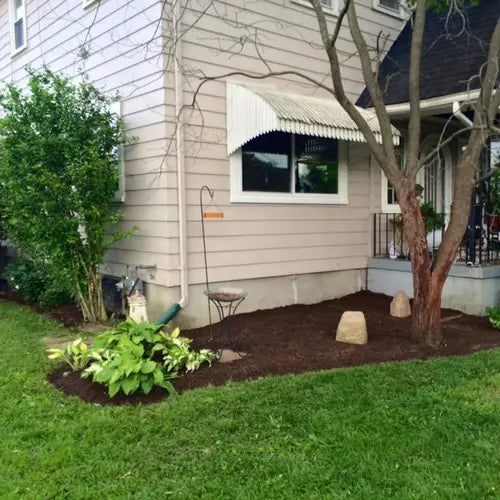


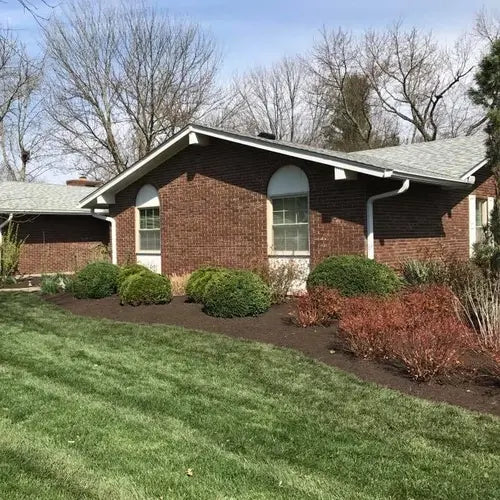

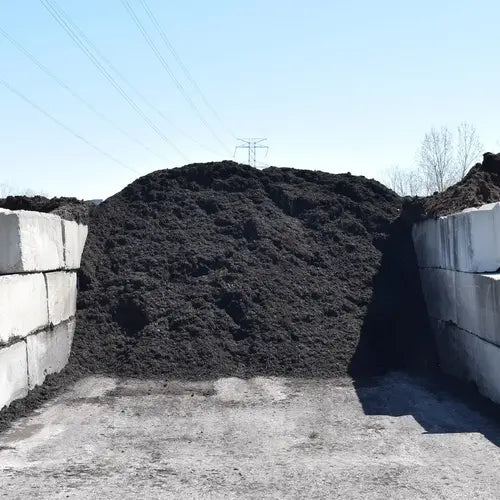

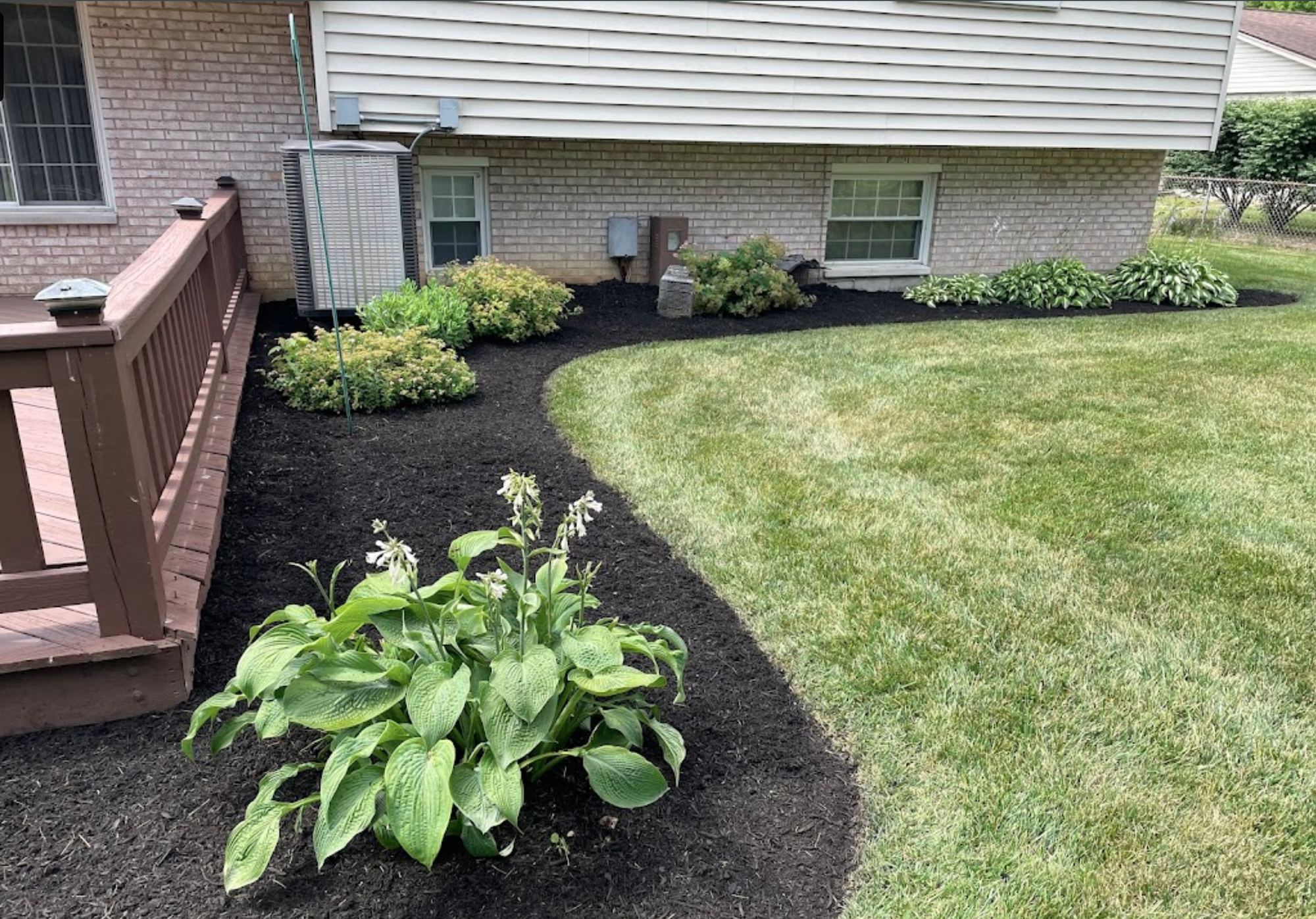
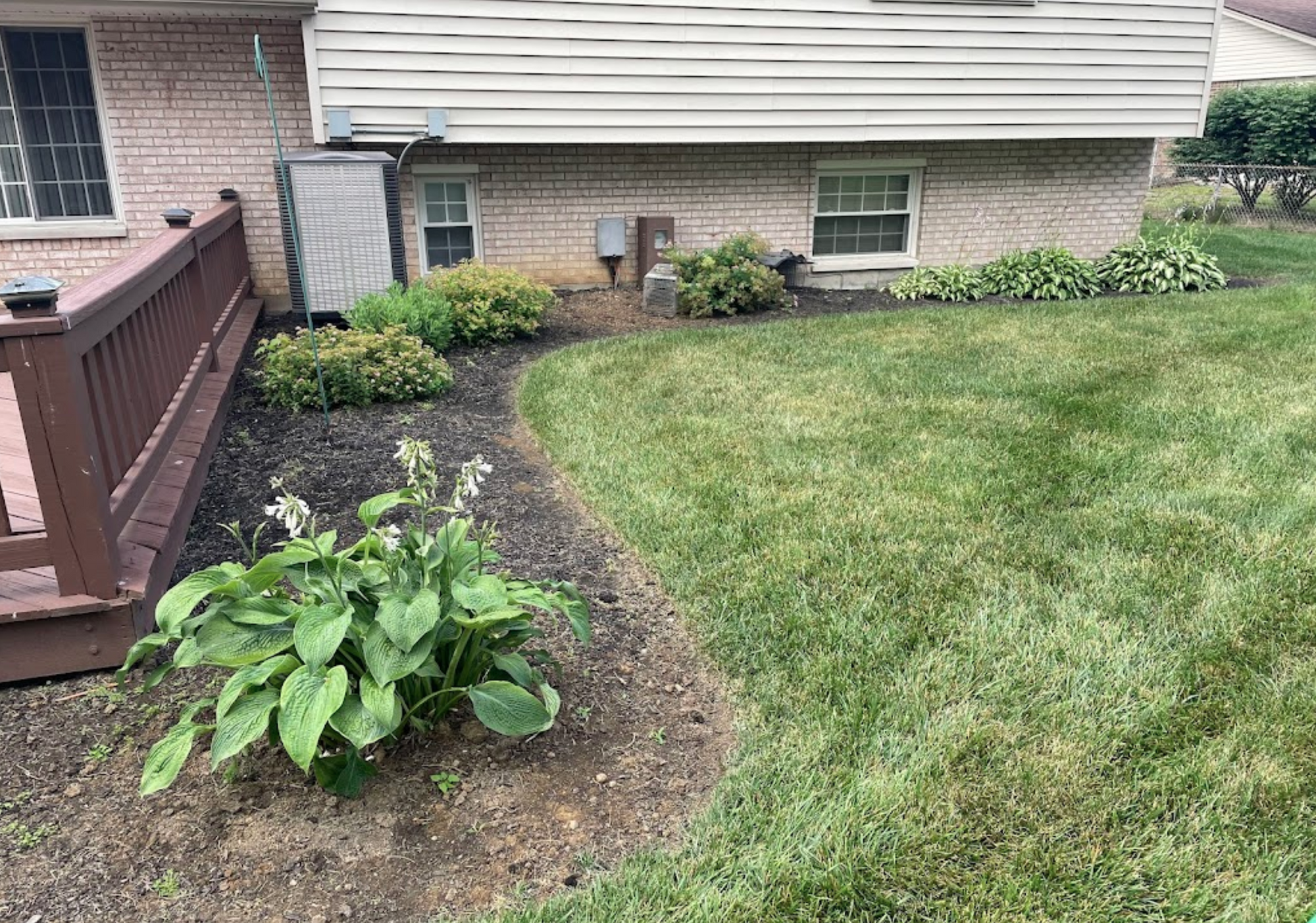
Our delivery was delayed but the new brown color mulch is a nice upgrade to our landscaping.
About this mulch
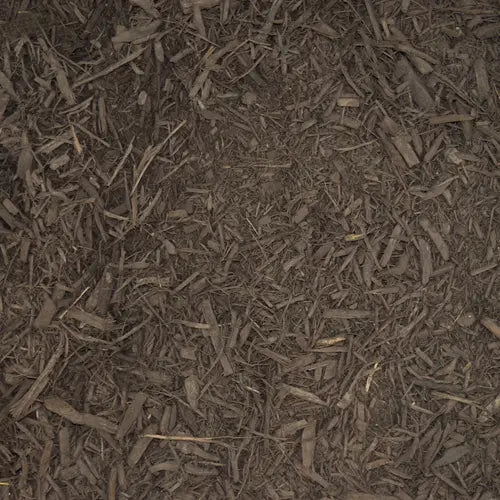
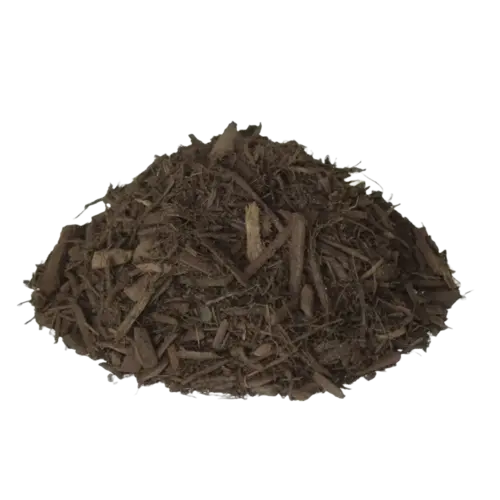
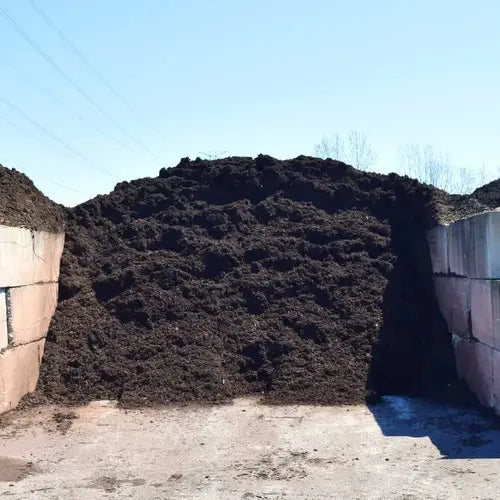
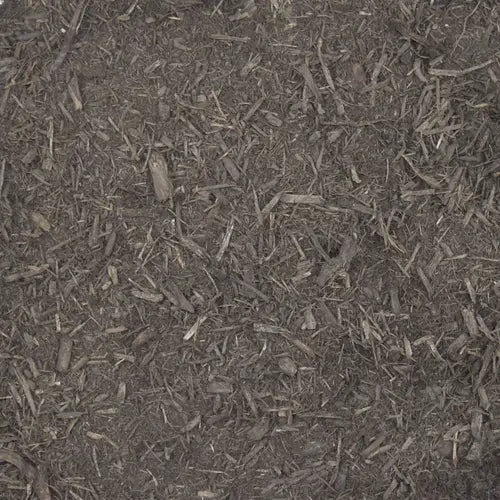
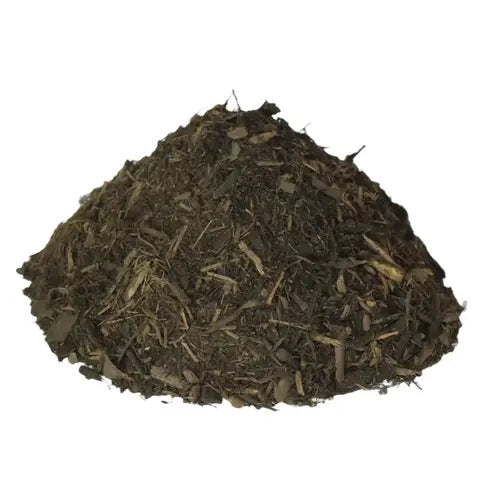
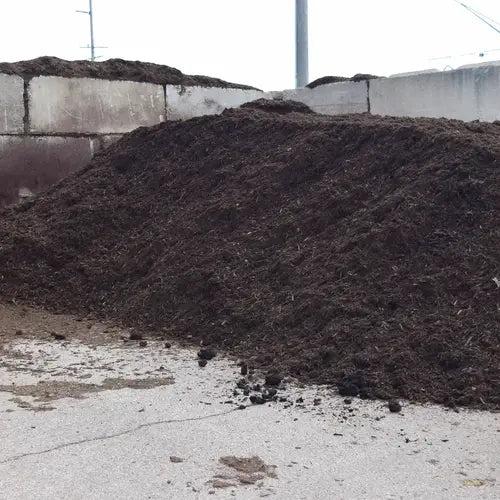
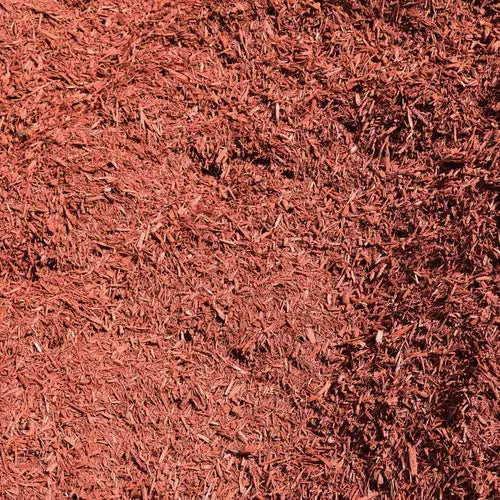
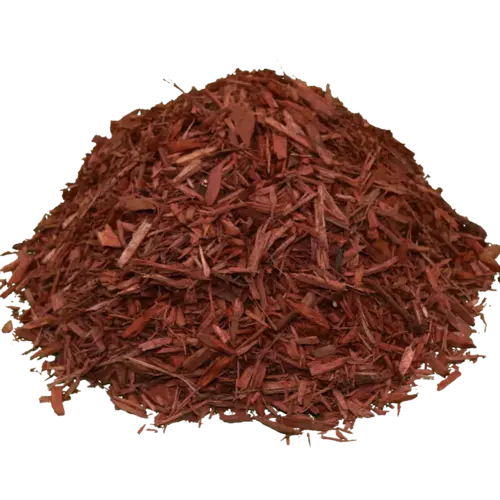
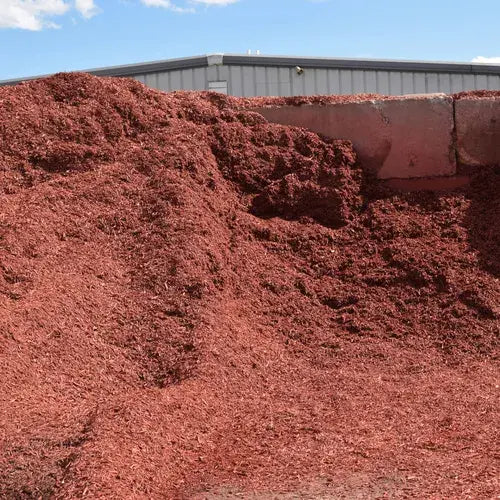
Warm brown double shredded mulch with lasting color that looks freshly applied for weeks. Spreads smooth, stays put, and gives beds a natural, polished appearance.
Our delivery was delayed but the new brown color mulch is a nice upgrade to our landscaping.
Tell us what you're looking for
Thanks! We received your request.
Something went wrong. Please try again.
How Much Material Do I Need?
How Much Material Do I Need?
For Apex's red clay beds, apply 3 inches as a standard depth — enough to suppress weeds and moderate soil temperature without creating waterlogged conditions during the heavy rains that roll through from spring through fall. New beds being established for the first time may benefit from a full 4-inch layer to give plants the strongest possible start against compacted, nutrient-poor native clay.
Use our free mulch calculator
What is a yard?
What is a yard?
FAQs
FAQs
Apex Mulch Delivery
Apex Mulch Delivery
Regular price
$47.00
per
yard
Regular price
Sale price
$47.00
Unit price
per
Shipping calculated at checkout.
Minimum of 4 yard
Couldn't load pickup availability
Not currently available
We can't take orders for this right now. Tell us what you need and we'll get back to you.
Hand-picked local yards
4,000+ regional deliveries
Dedicated support
Why order through Mulch Mound
The best local mulch, without the guesswork.
We hand-pick and partner with the best yards in your region, keep only the ones our buyers rate well, and back each load with our guarantee.
Mulch Mound Guarantee
If your mulch isn't the quantity or quality you ordered, we'll make it right.
About this mulch
Warm brown double shredded mulch with lasting color that looks freshly applied for weeks. Spreads smooth, stays put, and gives beds a natural, polished appearance.
Our delivery was delayed but the new brown color mulch is a nice upgrade to our landscaping.
How Much Material Do I Need?
How Much Material Do I Need?
For Apex's red clay beds, apply 3 inches as a standard depth — enough to suppress weeds and moderate soil temperature without creating waterlogged conditions during the heavy rains that roll through from spring through fall. New beds being established for the first time may benefit from a full 4-inch layer to give plants the strongest possible start against compacted, nutrient-poor native clay.
Use our free mulch calculator
What is a yard?
What is a yard?
FAQs
FAQs
Tell us what you're looking for
Thanks! We received your request.
Something went wrong. Please try again.

How It Works
Getting started is easy — just follow these simple steps
1
Choose your Mulch
Make sure you adjust the quantity to your home's needs. You can use our calculator to estimate how much you'll need.
2
Select your delivery date
Select a delivery date you'd like for the product to be dropped off at your home
3
Sit back and wait
Sit back, wait, and let us work our magic to make sure the highest quality product is delivered to your driveway.

Mulch Mound made it so easy! So happy with the pricing, turn around time, delivery and product. I submitted my online order on a Thursday. The mu...
Read full review
Mulch Mound made it so easy! So happy with the pricing, turn around time, delivery and product. I submitted my online order on a Thursday. The mulch was delivered to the designated location by a local landscape company at 8:30 a.m. the following Saturday morning. We had the job completed by that afternoon. We chose the natural brown mulch, and the plant beds are beautiful.

Good quality, great price, fast delivery. All online - no submitting forms and waiting for days for quotes.
Getting mulch should be this easy fr...
Read full review
Good quality, great price, fast delivery. All online - no submitting forms and waiting for days for quotes.
Getting mulch should be this easy from everyone. Only Mulch Mound is ACTUALLY this simple.
Calculate mulch for your Apex project
For Apex's Red Clay type of soil, we recommend 2-3 inches for best weed suppression and moisture retention
Try Our CalculatorMeasure the length and width of each bed in feet and multiply to get square footage, then use our calculator to estimate cubic yards at your desired depth — 3 inches is standard for Apex's clay beds. Because clay soil can make beds look visually 'full' but still leave roots uninsulated, it's better to slightly over-order; any extra mulch can top off thin spots elsewhere in the yard or be used to extend a bed edge.

Best Mulch Choice for Apex Lawns
Most yards in the Apex area sit on Red Clay type of soil. Apex's red clay soil is notorious for compacting under the repeated impact of rain and foot traffic, leaving plant roots starved for oxygen and struggling to push outward through dense, airless ground. Without a protective mulch layer, clay beds form a hard surface crust after every rain event that actually repels subsequent moisture rather than absorbing it, creating a frustrating cycle of flooding followed by rapid drying.
Hardwood Mulch
Hardwood mulch is particularly well-suited to improving Apex's clay soil because as it decomposes it releases humic acids and organic matter that gradually bind to clay particles, encouraging the formation of larger soil aggregates that drain and breathe far better than raw clay. The result is a planting bed that becomes measurably easier to work and more hospitable to root growth with each annual mulch application.
Mulch Types We Deliver in Apex
Mulch Mound offers bulk mulch delivery in Apex by the cubic yard, so you get exactly the amount your beds need without a single store run. We carry a range of colors and textures suited to the clay soils, humid growing season, and traditional home landscapes common across this part of North Carolina.
Dyed Black Mulch
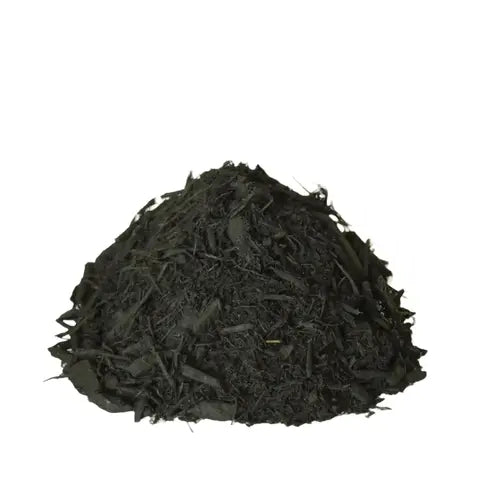
Triple shredded and dyed a deep, rich black, this mulch creates sharp contrast against green plantings and lawn edges, and suits homeowners who want a clean, modern look. The fine texture spreads evenly and holds its color well through the region's hot, wet summers.
Dyed Brown Mulch
Warm and earthy in tone, dyed brown mulch is triple shredded for a smooth, even finish that keeps garden beds looking polished through the humid North Carolina growing season. It pairs naturally with brick and traditional home exteriors common across Apex, making it a versatile fit for nearly any planting bed.
Natural Brown Mulch
Triple shredded to a fine, smooth texture, natural brown mulch contains no dyes or additives and brings warm, organic tones to any planting bed. It suits homeowners who prefer a more understated, natural look and gradually conditions the heavier soils found throughout much of the Apex region.
Pine Bark Mulch
Double shredded for a consistent texture, pine bark carries a natural reddish brown color and earthy aroma. Its excellent drainage and moisture retention suit acid loving plants like azaleas and camellias, which are popular across this part of North Carolina, making it a natural fit for the clay soils common around Apex.
Complete Your Outdoor Mulch Project
Pairing mulch with a quality topsoil amendment in new or renovated beds gives Apex's clay a head start before plants go in the ground, and adding stone edging or gravel pathways between mulched areas helps direct the surface runoff that Apex's clay-heavy lots are prone to generating during summer storms.


Service area
Areas we deliver mulch in Apex, North Carolina
Mulch Mound Pro Tip
Before spreading fresh mulch each spring, pull back any old mulch that has matted into a dense, compressed layer over Apex's clay. That compacted bottom layer can become hydrophobic — actually repelling rainfall rather than letting it pass through to plant roots. Fluff or remove the bottom inch of degraded mulch, then apply your fresh layer on top. This simple step costs almost no extra time but dramatically improves how well water penetrates through the mulch and into the clay below.
Mulch Mound Pro Tip
Time your mulch delivery to arrive just before a mild rainy period in the Apex forecast — not during a prolonged drought. Red clay soil that has dried out and cracked doesn't benefit as much from a fresh mulch application because moisture retention works best when there is already some moisture in the soil to preserve. A light rain after spreading also helps mulch settle evenly and reduces the chance of lighter pieces blowing around during the gusty spring afternoons Apex commonly sees in March and April.
Mulch Mound Pro Tip
With Apex receiving 47 inches of rain annually — much of it falling in intense summer thunderstorms rather than gentle, steady showers — make sure your mulch beds slope very slightly away from your home's foundation rather than sitting level or tilting inward. Mulch that channels water toward the house can contribute to moisture intrusion in crawl spaces and basements over time. A gentle outward grade of even an inch or two across the width of a foundation bed makes a significant difference during the heaviest rain events of the year.
The Unique Landscape of Apex
Apex's dense red clay soil creates a tough environment for ornamental plant beds — it compacts easily, drains poorly after heavy rain, and bakes rock-hard during the intense heat that builds from June through August. A consistent layer of mulch acts as a buffer, moderating the soil temperature swings that are common in Zone 8a when conditions shift from the cool 50s of early March to the sweltering 90s just a few months later. With Apex averaging 47 inches of rain per year, mulch also slows the surface runoff that would otherwise erode exposed bed edges and carry clay sediment across driveways and walkways. As organic mulches break down through the warm, humid summers, they gradually introduce organic matter into the clay beneath — slowly improving its structure and workability over multiple seasons. Choosing the right mulch and applying it at the correct depth is one of the highest-return landscaping investments an Apex homeowner can make for both plant health and curb appeal.