


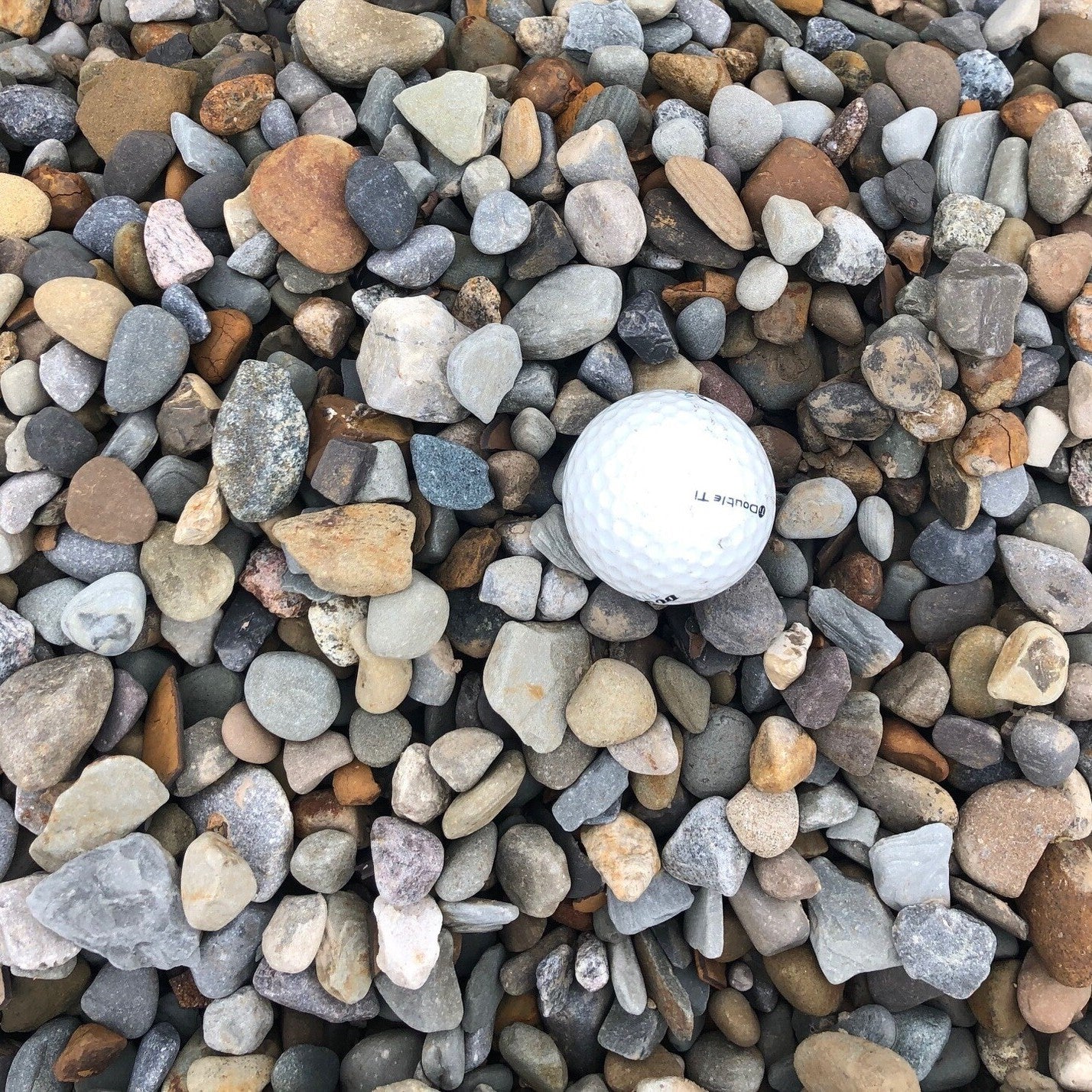

The driver nailed it on putting the gravel I ordered in front of my trailer and between the sidewalk. Very satisfied with how my flowerbeds look now.
About this stone
Number 57 crushed stone, angular limestone graded to about three quarters of an inch. The standard driveway, base and drainage gravel, it locks together under traffic and drains fast.
The driver nailed it on putting the gravel I ordered in front of my trailer and between the sidewalk. Very satisfied with how my flowerbeds look now.
Tell us what you're looking for
Thanks! We received your request.
Something went wrong. Please try again.
How Much Material Do I Need?
How Much Material Do I Need?
For decorative stone beds and pathways in Apex, 3 inches of depth is the reliable standard — enough to suppress weeds effectively and create a visually full, finished appearance without requiring an excessive volume of material. For functional drainage installations like French drains or gravel swales, a minimum of 6 inches of clean #57 stone in the trench ensures the void space is sufficient to move water away from Apex's clay-heavy ground at a meaningful rate.
Use our free gravel calculator
What is a yard?
What is a yard?
FAQs
FAQs
Apex Gravel Delivery
Apex Gravel Delivery
Regular price
$133.00
per
yard
Regular price
Sale price
$133.00
Unit price
per
Shipping calculated at checkout.
Minimum of 3 yard
Couldn't load pickup availability
Not currently available
We can't take orders for this right now. Tell us what you need and we'll get back to you.
Hand-picked local yards
4,000+ regional deliveries
Dedicated support
Why order through Mulch Mound
The best local stone, without the guesswork.
We hand-pick and partner with the best yards in your region, keep only the ones our buyers rate well, and back each load with our guarantee.
Mulch Mound Guarantee
If your stone isn't the quantity or quality you ordered, we'll make it right.
About this stone
Number 57 crushed stone, angular limestone graded to about three quarters of an inch. The standard driveway, base and drainage gravel, it locks together under traffic and drains fast.
The driver nailed it on putting the gravel I ordered in front of my trailer and between the sidewalk. Very satisfied with how my flowerbeds look now.
How Much Material Do I Need?
How Much Material Do I Need?
For decorative stone beds and pathways in Apex, 3 inches of depth is the reliable standard — enough to suppress weeds effectively and create a visually full, finished appearance without requiring an excessive volume of material. For functional drainage installations like French drains or gravel swales, a minimum of 6 inches of clean #57 stone in the trench ensures the void space is sufficient to move water away from Apex's clay-heavy ground at a meaningful rate.
Use our free gravel calculator
What is a yard?
What is a yard?
FAQs
FAQs
Tell us what you're looking for
Thanks! We received your request.
Something went wrong. Please try again.
How It Works
Getting started is easy — just follow these simple steps
1
Choose your stone
Make sure you adjust the quantity to your home's needs. You can use our calculator to estimate how much you'll need.
2
Select your delivery date
Select a delivery date you'd like for the product to be dropped off at your home
3
Sit back and wait
Sit back, wait, and let us work our magic to make sure the highest quality product is delivered to your driveway.

Placing an order online was so easy. Delivery was on time. When the driver realized we had a newly poured driveway they erred on the side of cautio...
Read full review
Placing an order online was so easy. Delivery was on time. When the driver realized we had a newly poured driveway they erred on the side of caution and opted not ti drive in it. The company even sent me a message explaining that call. Would recommend!

Online ordering was really simple and I liked the transparent pricing.
Need Help Calculating How Much Gravel You Need?
Use our NEW Trace from Satellite tool to get an estimate for your project based on an aerial view of your property
Try Our CalculatorFor stone projects in Apex, measure your area's length and width in feet, multiply by your target depth in feet, and divide by 27 for cubic yards. Because stone is substantially denser than mulch or soil, a single cubic yard covers a smaller area than many homeowners expect — a 10-by-10-foot space at 3 inches deep needs just under 1 cubic yard. Apex's clay base also tends to compact and settle slightly under the weight of stone, so adding a half-inch to your target depth provides a useful buffer against that initial settling.
Stone Types We Deliver in Apex
Mulch Mound delivers bulk stone by the cubic yard right to your property, making it easy to tackle everything from drainage fixes to backyard makeovers. If you have been searching for bulk gravel by the yard in Apex, our straightforward ordering process and reliable truck delivery cut out the extra trips to the store. The dense clay soils common throughout Wake County make proper stone placement a smart investment for both function and curb appeal.
Pea Gravel
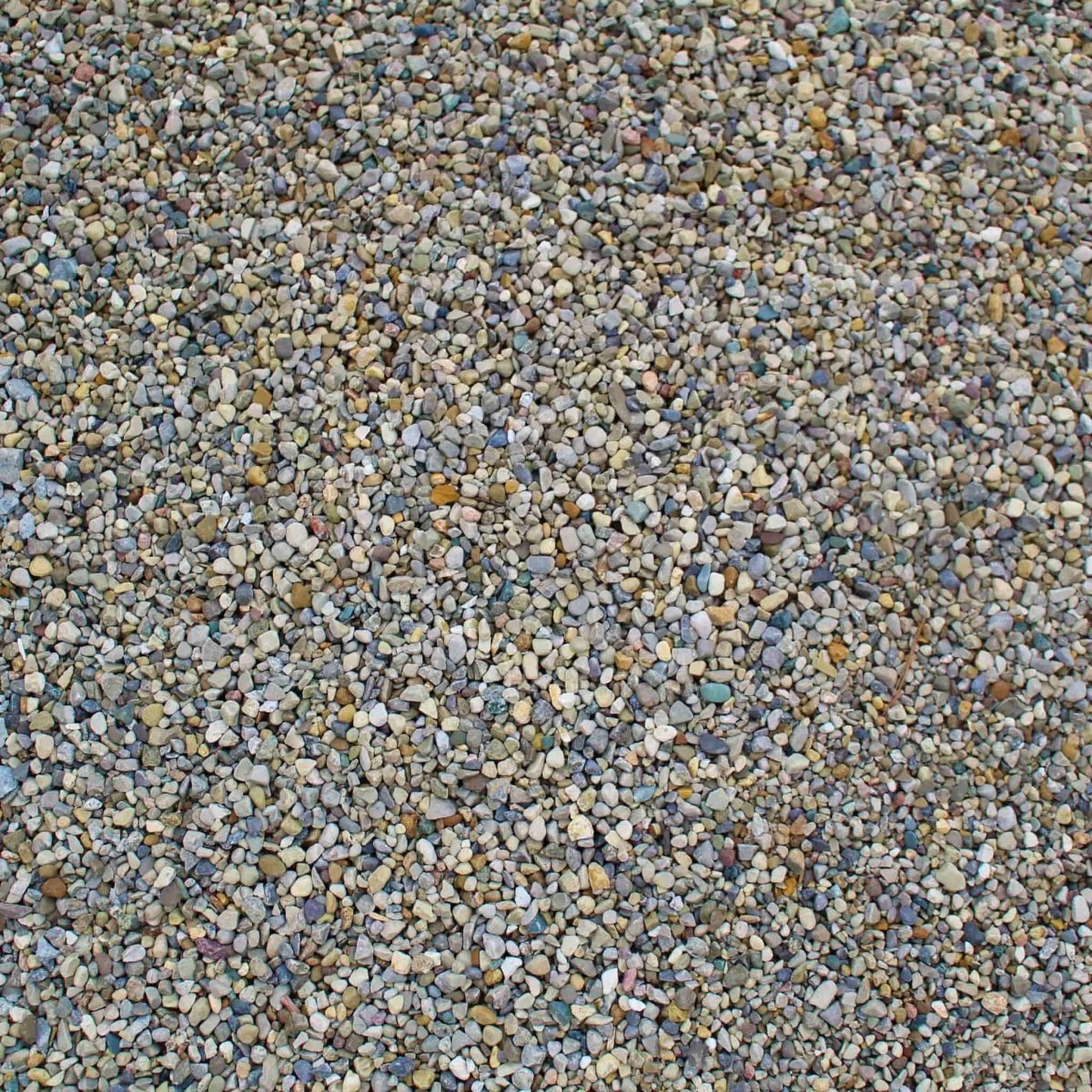
Classic pea gravel brings smooth, rounded stones and warm earth tones to driveways, garden paths, and patio borders. Its small, uniform size drains well through the dense clay soils common in this part of North Carolina, and the gentle texture pairs beautifully with the traditional and craftsman home styles popular throughout the region.
Complete Your Outdoor Stone Project
Combining stone drainage channels and gravel edging with mulched planting beds gives Apex landscapes both function and visual cohesion — the stone manages runoff and defines clean boundaries while the mulch improves the clay soil beneath your plants over time. Adding a quality topsoil blend to new planting areas adjacent to stonework ensures that plants have the root zone depth they need to thrive despite the challenging native clay directly below.



Service area
Areas we deliver stone and gravel in Apex, North Carolina
Mulch Mound Pro Tip
Before placing decorative stone directly on Apex's clay, install a high-quality non-woven landscape fabric beneath it. Clay's wet-dry seasonal cycle causes it to heave, crack, and shift throughout the year, and without a fabric barrier, fine clay particles migrate upward through the gravel layer over time — muddying your clean stone and progressively reducing its drainage performance. A good landscape fabric adds very little to the overall project cost but dramatically extends how long your stone installation remains clean, functional, and visually sharp.
Mulch Mound Pro Tip
When using stone for a drainage swale in your Apex yard, make sure the channel outfalls at least 10 feet from any structure's foundation and has a clear, unobstructed exit point. Apex's clay soil absorbs collected water very slowly, so water channeled through a gravel swale needs somewhere definitive to go — whether that's the street, a storm drain, or a low corner of the property that allows dispersal across a larger lawn area. A swale that terminates in a clay depression will simply overflow and recreate the same drainage problem in a new location.
Mulch Mound Pro Tip
Apex receives 47 inches of rain annually, with much of that total falling in fast, heavy summer storms that overwhelm clay soil almost instantly. If you're installing a stone path, patio, or gravel area, consider adding a 12- to 18-inch gravel infiltration strip along the downhill edge of the hardscape. Even a narrow band of clean crushed stone gives water a place to begin soaking in rather than sheeting directly off the surface onto adjacent lawn — reducing long-term erosion around path edges and improving how your entire yard manages stormwater over time.
The Unique Landscape of Apex
Stone and gravel are among the most practical and durable landscape materials available to Apex homeowners dealing with the drainage and erosion challenges that come with red clay soil. Unlike mulch or sod, stone doesn't decompose, float away, or lose function during Apex's intense summer thunderstorms, making it ideal for high-traffic areas, foundation borders, and drainage channels where organic material would quickly fail. Apex's Zone 8a growing season also means long, humid summers where low-maintenance ground cover delivers real value — stone eliminates mowing, edging, and annual replenishment in any area where it's properly installed. With an average of 47 inches of rain per year, well-installed gravel and stone can be the difference between a yard that manages water efficiently and one that fights chronic erosion and standing water year after year. From decorative pathway materials to functional French drain aggregate, bulk stone gives you the volume needed to solve real Apex landscaping challenges at a scale that bagged products simply can't match.