




Ordered Dirt. Received Dirt. Would Buy Again.
About this soil
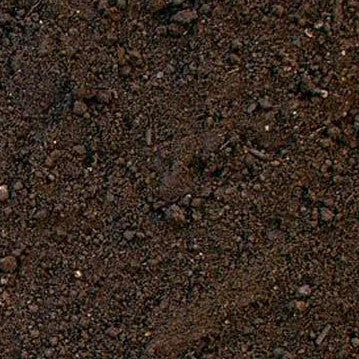
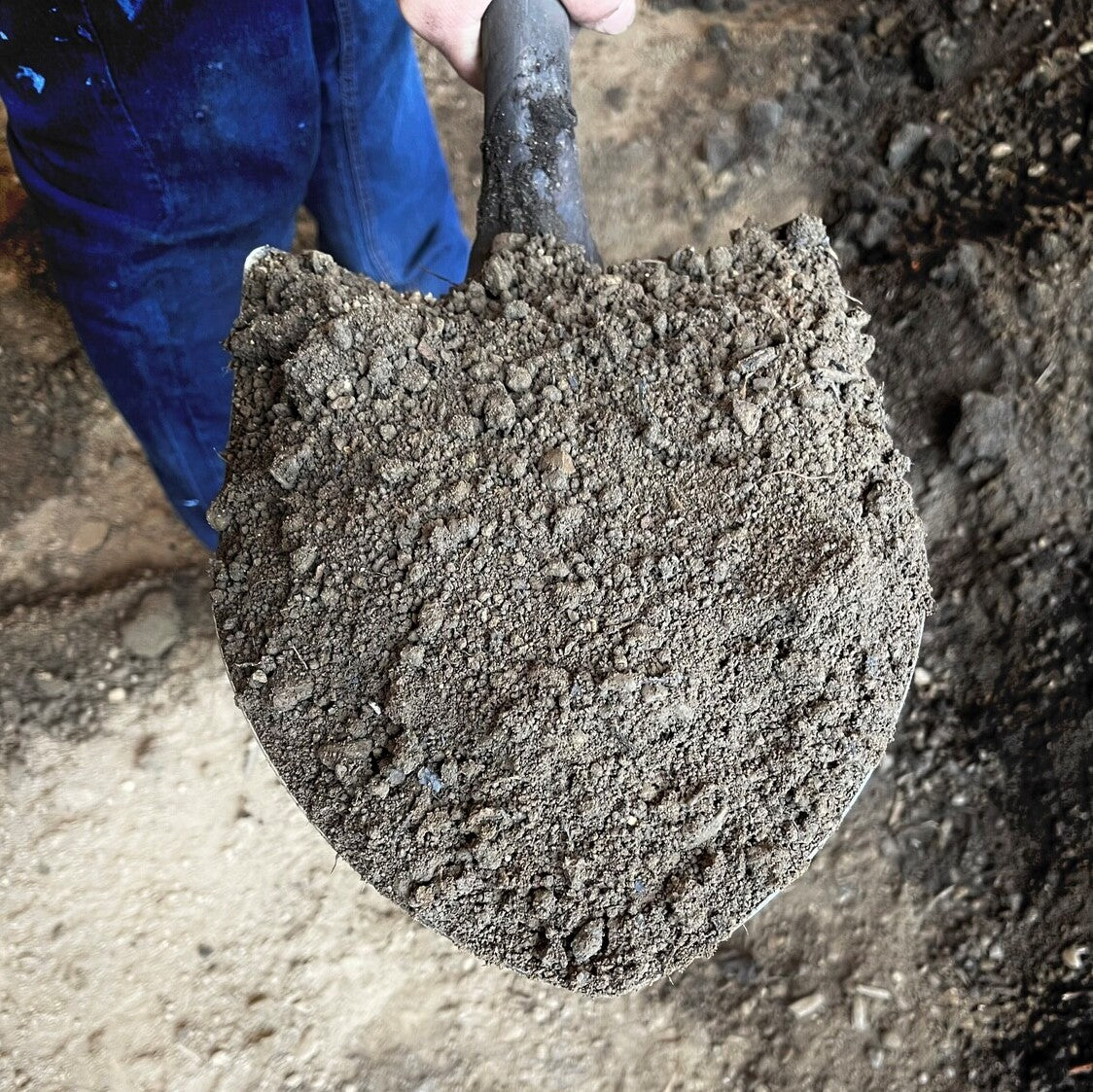
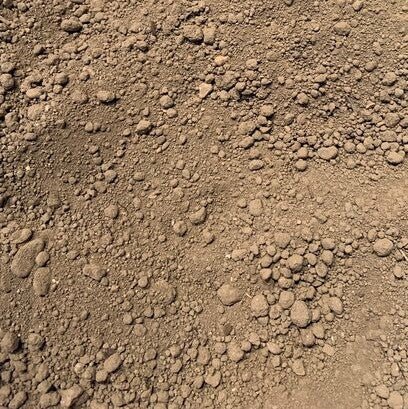
Quality topsoil for lawns, gardens, and landscape projects. Nutrient rich and ready to support strong root development and healthy plant establishment.
Ordered Dirt. Received Dirt. Would Buy Again.
Tell us what you're looking for
Thanks! We received your request.
Something went wrong. Please try again.
How Much Material Do I Need?
How Much Material Do I Need?
For new garden beds in Apex, aim for at least 6 inches of quality topsoil mixed into or placed above the native clay — shallower layers in clay-heavy ground can dry out at the surface while remaining waterlogged just a few inches below, creating difficult conditions for roots. For lawn leveling and topdressing, a half-inch to 2 inches of screened topsoil is typically enough to correct minor grade issues without smothering existing grass.
Use our free soil calculator
What is a yard?
What is a yard?
FAQs
FAQs
Apex Soil Delivery
Apex Soil Delivery
Regular price
$55.00
per
yard
Regular price
Sale price
$55.00
Unit price
per
Shipping calculated at checkout.
Minimum of 4 yard
Couldn't load pickup availability
Hand-picked local yards
4,000+ regional deliveries
Dedicated support
Why order through Mulch Mound
The best local soil, without the guesswork.
We hand-pick and partner with the best yards in your region, keep only the ones our buyers rate well, and back each load with our guarantee.
Mulch Mound Guarantee
If your soil isn't the quantity or quality you ordered, we'll make it right.
About this soil
Quality topsoil for lawns, gardens, and landscape projects. Nutrient rich and ready to support strong root development and healthy plant establishment.
Ordered Dirt. Received Dirt. Would Buy Again.
How Much Material Do I Need?
How Much Material Do I Need?
For new garden beds in Apex, aim for at least 6 inches of quality topsoil mixed into or placed above the native clay — shallower layers in clay-heavy ground can dry out at the surface while remaining waterlogged just a few inches below, creating difficult conditions for roots. For lawn leveling and topdressing, a half-inch to 2 inches of screened topsoil is typically enough to correct minor grade issues without smothering existing grass.
Use our free soil calculator
What is a yard?
What is a yard?
FAQs
FAQs
Tell us what you're looking for
Thanks! We received your request.
Something went wrong. Please try again.
How It Works
Getting started is easy — just follow these simple steps
1
Choose your soil
Make sure you adjust the quantity to your home's needs. You can use our calculator to estimate how much you'll need.
2
Select your delivery date
Select a delivery date you'd like for the product to be dropped off at your home
3
Sit back and wait
Sit back, wait, and let us work our magic to make sure the highest quality product is delivered to your driveway.


Placing an order online was so easy. Delivery was on time. When the driver realized we had a newly poured driveway they erred on the side of cautio...
Read full review
Placing an order online was so easy. Delivery was on time. When the driver realized we had a newly poured driveway they erred on the side of caution and opted not ti drive in it. The company even sent me a message explaining that call. Would recommend!
Need Help Calculating How Much Soil You Need?
Use our NEW Trace from Satellite tool to get an estimate for your project based on an aerial view of your property
Try Our CalculatorMeasure the length, width, and desired depth of fill in feet, multiply all three together, and divide by 27 to get cubic yards needed. In Apex, where projects often involve correcting grade issues caused by clay's tendency to settle, shrink in summer, and heave after winter freeze-thaw cycles, it's smart to add 10 to 15 percent to your calculated estimate to account for compaction after the soil settles into place over the first season.
Soil Types We Deliver in Apex
Mulch Mound offers bulk soil delivery in Apex, bringing screened and blended materials by the cubic yard directly to your driveway or job site. The clay-heavy soils common throughout this part of North Carolina often benefit from a fresh top layer or a purpose-blended mix to support healthy lawns and productive gardens. Whether you are leveling a yard after construction, building raised beds, or preparing new planting areas, our team delivers the right product for the job.
Screened Top Soil
Our screened top soil is passed through a fine screen to remove rocks and debris, leaving a smooth, workable material ready to spread across lawns, fill garden beds, or support finish grading work. It is nutrient rich and promotes strong root development, making it a go-to choice for homeowners throughout the Piedmont who want dependable, consistent results.
Gardening Blend Soil
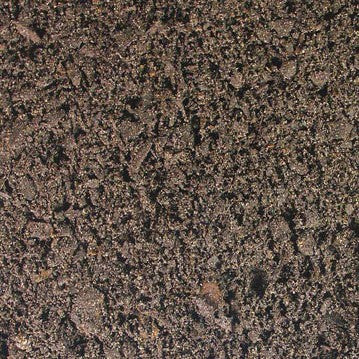
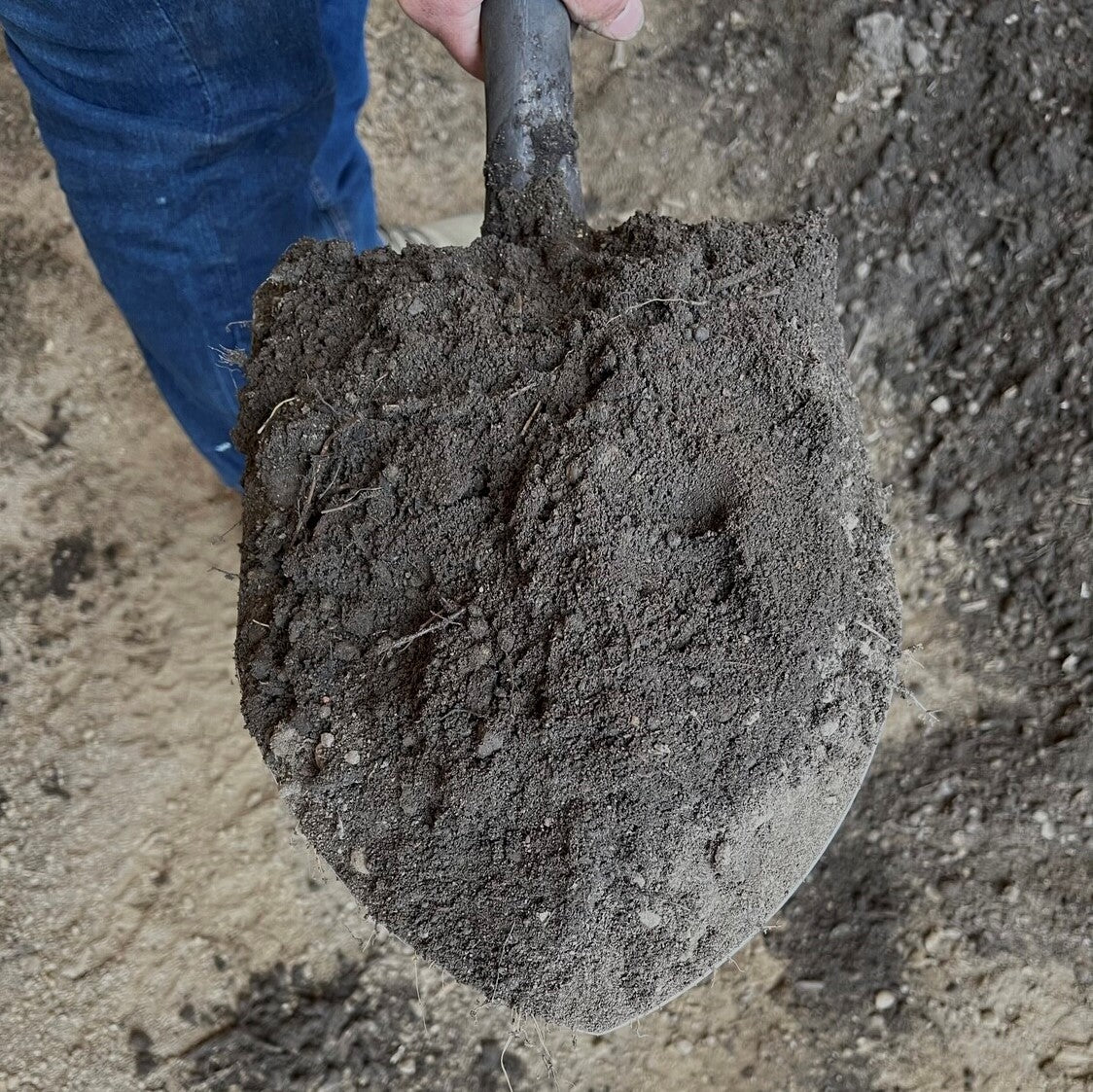
Our standard gardening blend combines the balanced texture and organic content that flower borders and vegetable plots need to thrive through the warm, humid growing seasons typical of this part of North Carolina. It retains moisture well while still draining freely, giving transplants and direct-sown seeds a strong, healthy start.
Complete Your Outdoor Soil Project
After getting your grade and soil right, finishing planting beds with a layer of mulch locks in the moisture and organic matter you've worked to establish — a must during Apex's summer heat when clay-amended beds can dry out faster than expected at the surface. Adding stone or gravel in drainage channels adjacent to graded areas helps direct runoff safely before new turf has a chance to establish and hold the soil on its own.


Service area
Areas we deliver soil in Apex, North Carolina
Mulch Mound Pro Tip
Before ordering topsoil for a garden project in Apex, spend a few minutes probing your existing clay with a screwdriver or soil probe after a recent rain. If the probe stops within 4 to 6 inches, your clay is compacted enough that layering topsoil on top won't resolve the root zone problem. Plan to till or mechanically loosen the existing clay first — a tiller rented for an afternoon is sufficient for most residential beds — then blend your new topsoil into the loosened layer for results that will last through many growing seasons.
Mulch Mound Pro Tip
When grading with fill dirt in Apex, always build your final grade a full inch or two higher than your target elevation, especially in lawn areas that will be seeded or sodded. Apex's clay-based fill compresses under its own weight and after the heavy spring rains, and what looks slightly high in November will often settle to exactly right by the following April. Grading precisely to finish grade often results in low spots reappearing after the first wet season.
Mulch Mound Pro Tip
Apex averages 47 inches of rain annually, but a large portion falls in intense bursts that clay soil simply cannot absorb fast enough to be useful to plants. When improving a garden area or building raised beds, incorporate a generous amount of compost into your topsoil rather than using straight fill or unblended topsoil. Organic matter opens up soil structure enough to capture significantly more of that intense rainfall before it runs off the surface, effectively converting what would be a flooding problem into usable moisture for your plants.
The Unique Landscape of Apex
Apex sits on a heavy red clay base that presents real challenges for anyone trying to establish a lawn, prepare a garden bed, or correct grade issues around their property. The native clay holds its shape well for construction purposes but compacts relentlessly underfoot and resists both plant roots and water absorption, making it a poor foundation for most landscaping goals without amendment or replacement. Bringing in quality topsoil or blended fill allows homeowners to work with — rather than against — their native ground conditions. With Apex's growing season stretching from the last frost around March 20 well into October, having the right soil in place before planting is critical to getting the most out of the long, productive warm season. Whether you're leveling a low spot, building raised vegetable beds, or grading around a structure, bulk soil delivery gives you the volume and flexibility to do the job correctly the first time.