We needed mulch for our HOA common areas. Local providers were all holding high prices even for 40 yards of mulch. Mulch mound was easy to wowith & has great price for natural mulch + delivery schedule options. They called before delivery to ensure Delivery was exactly wher...
Tell us what you're looking for
Thanks! We received your request.
Something went wrong. Please try again.
How Much Material Do I Need?
Three inches is the sweet spot for Arvada beds, deep enough to conserve moisture in our 16 inch rainfall climate without smothering roots. One cubic yard covers roughly 108 square feet at that depth.
Use our free mulch calculator
What is a yard?
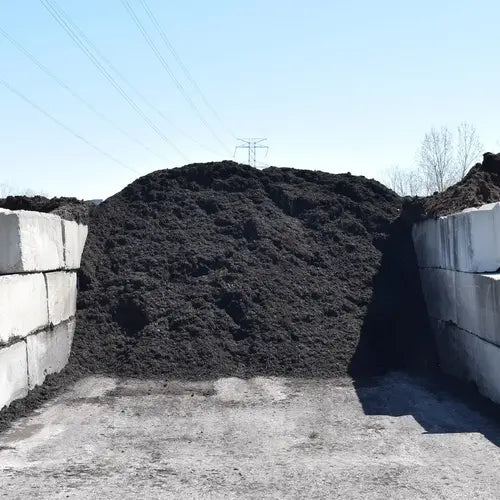
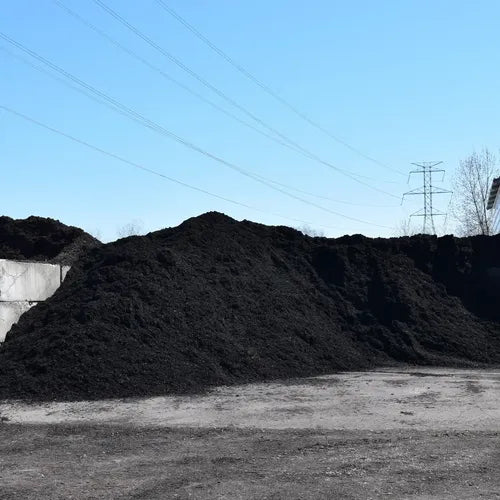
A yard is approximately 27 cubic feet. As a general guideline, one yard of material can cover an area of about 100-160 square feet at a 2-3 inch depth.
We needed mulch for our HOA common areas. Local providers were all holding high prices even for 40 yards of mulch. Mulch mound was easy to wowith & has great price for natural mulch + delivery schedule options. They called before delivery to ensure Delivery was exactly wher...
How Much Material Do I Need?
Three inches is the sweet spot for Arvada beds, deep enough to conserve moisture in our 16 inch rainfall climate without smothering roots. One cubic yard covers roughly 108 square feet at that depth.
Use our free mulch calculator
What is a yard?
A yard is approximately 27 cubic feet. As a general guideline, one yard of material can cover an area of about 100-160 square feet at a 2-3 inch depth.
We needed mulch for our HOA common areas. Local providers were all holding high prices even for 40 yards of mulch. Mulch mound was easy to wowith...
Read full review
We needed mulch for our HOA common areas. Local providers were all holding high prices even for 40 yards of mulch. Mulch mound was easy to wowith & has great price for natural mulch + delivery schedule options. They called before delivery to ensure Delivery was exactly where we wanted it.
Delivery was on time and great quality Mulch. Got it done in a reasonable time and yard looks great. Couldn’t be happier!!! Thank you and will us...
Read full review
Delivery was on time and great quality Mulch. Got it done in a reasonable time and yard looks great. Couldn’t be happier!!! Thank you and will use again!!
Mulch Mound delivered a yard of pea gravel to us. Delivery was on time, driver was friendly and hit a bullseye on the “tarp target”. We used the ...
Read full review
Mulch Mound delivered a yard of pea gravel to us. Delivery was on time, driver was friendly and hit a bullseye on the “tarp target”. We used the pea gravel (which was diameter as specified) to fill several muskrat holes around our pond. I would definitely recommend Mulch Mound to a friend!
Measure each bed separately rather than guessing at your whole yard, since Arvada lots often mix a narrow foundation strip with a wider island bed and the shapes are rarely square. For curved beds, take an average width across several points and multiply by the length. Add about ten percent to your total to cover settling and the low spots that show up once you start raking.
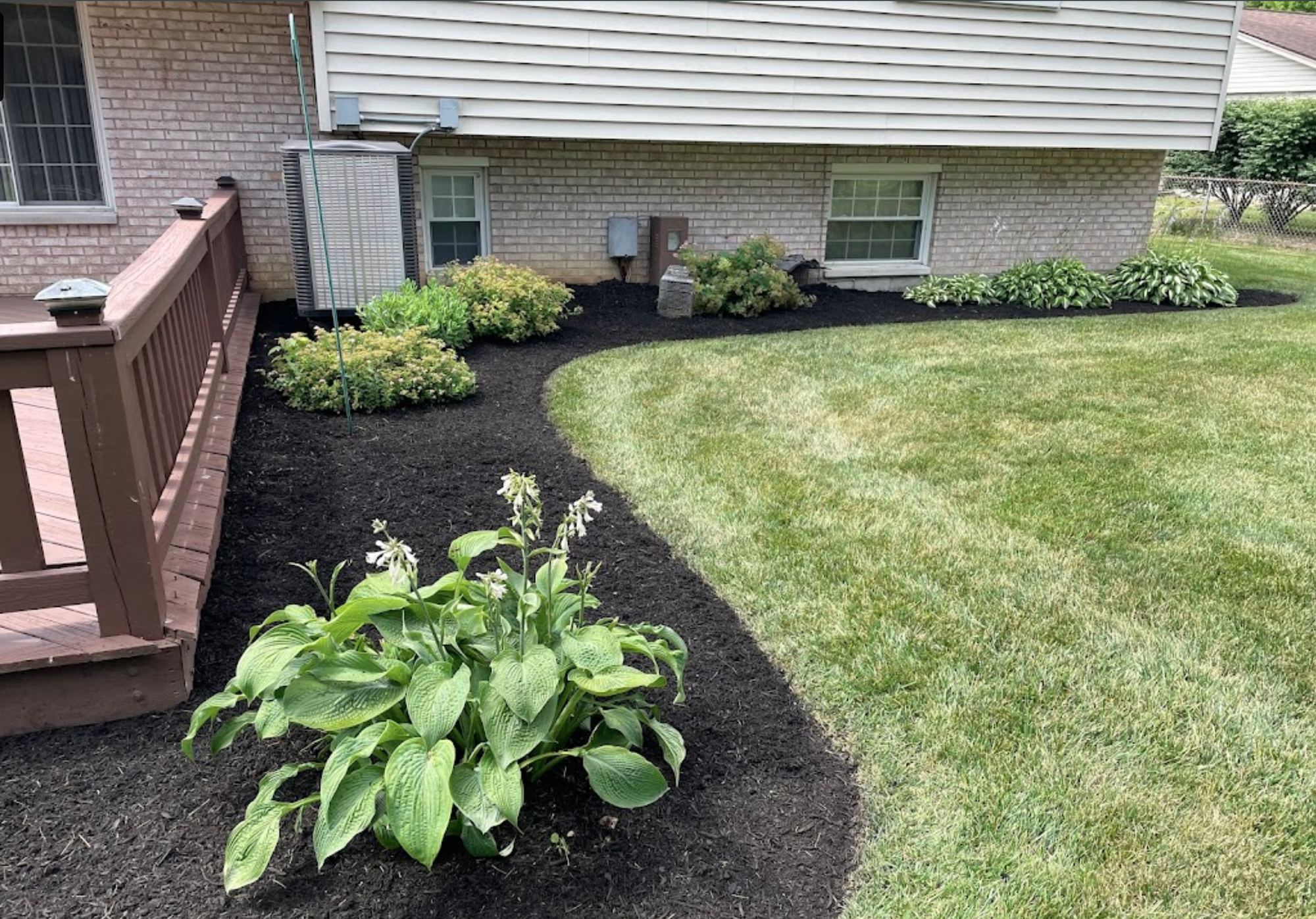
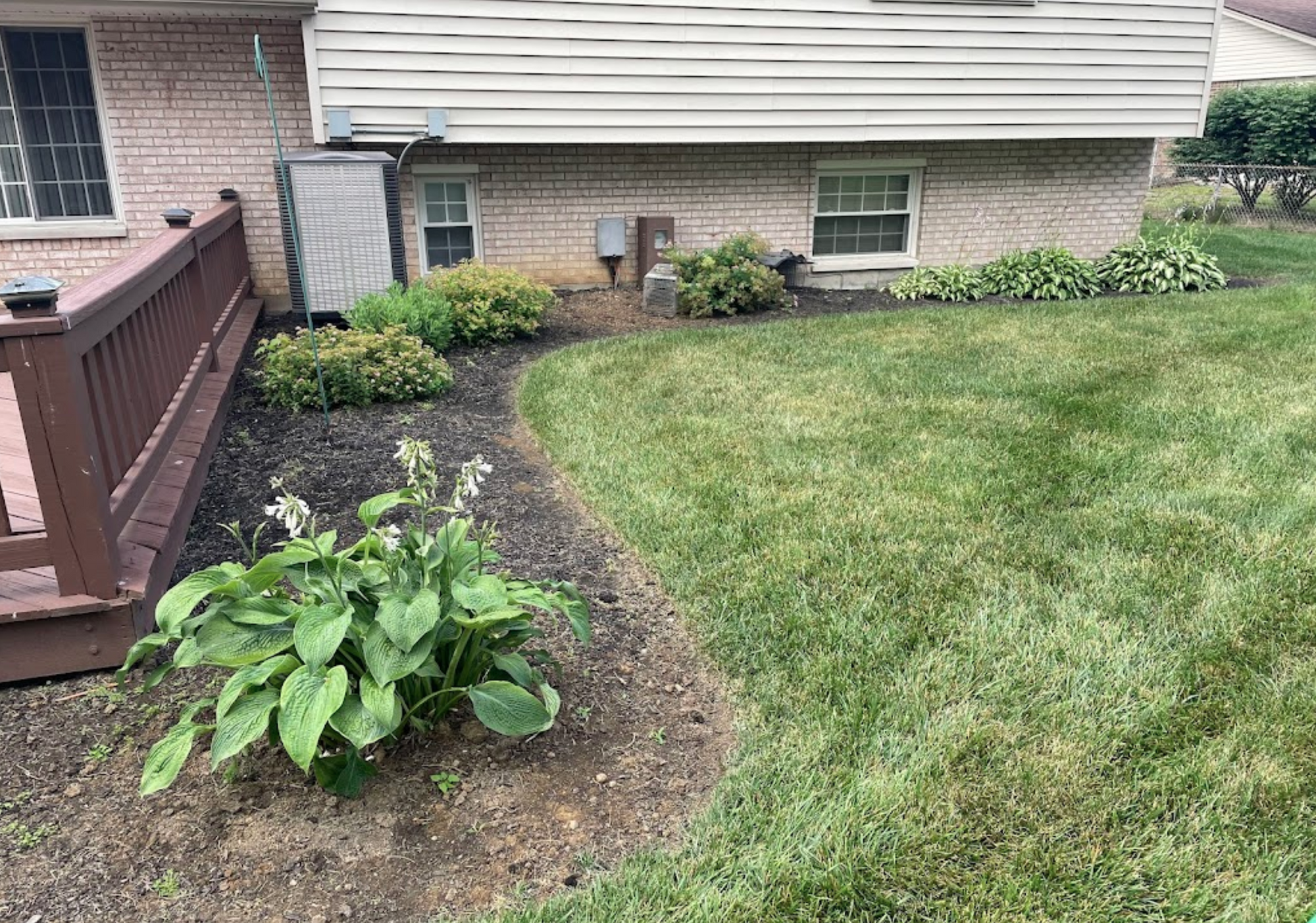
Mulch vs. No Mulch: The Difference
Arvada's dry air, 16 inches of annual precipitation, and intense sun at 5,348 feet slow the decomposition of organic mulch compared to humid regions, so a good hardwood layer often lasts two or three seasons before it needs a full replacement. What our climate does do quickly is bleach color, and UV exposure can gray out a dyed mulch in a single summer. Non organic options like rock hold their look longer but give nothing back to the soil, which matters a great deal in our compacted clay loam.
Before
After
Best Mulch Choice for Arvada Lawns
Most yards in the Arvada area sit on type of soil. Arvada's clay loam holds nutrients and moisture well, but it compacts under foot traffic and irrigation until roots struggle to push through and water pools rather than soaking in. Plant beds built on that soil need something working at the surface to keep it open.
Hardwood Mulch
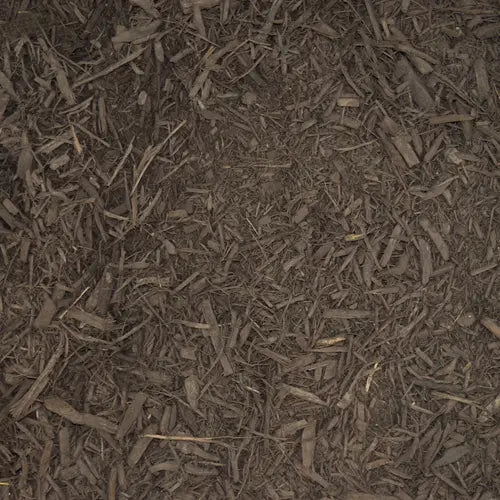
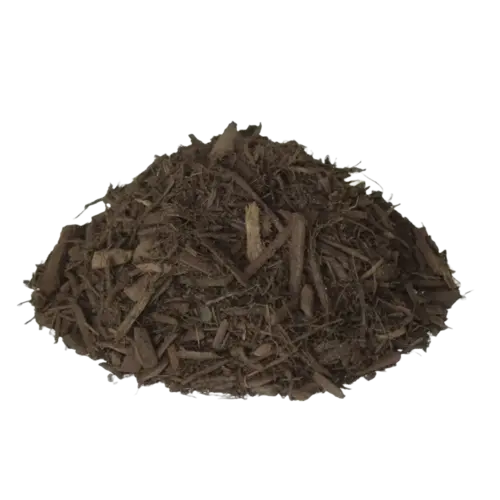
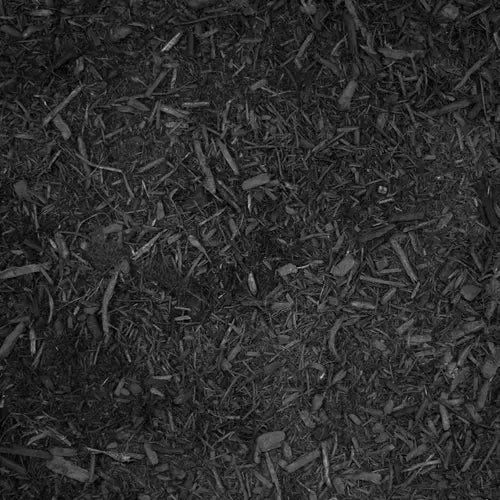
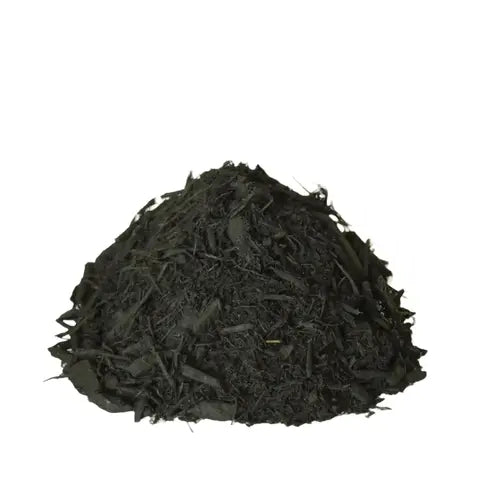
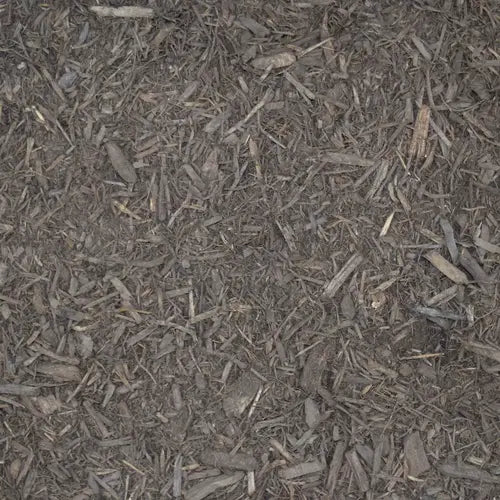
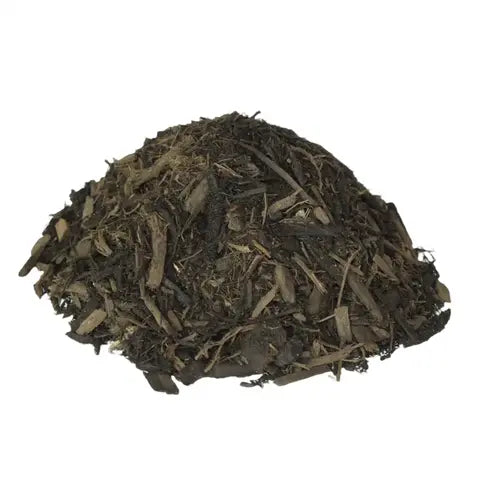
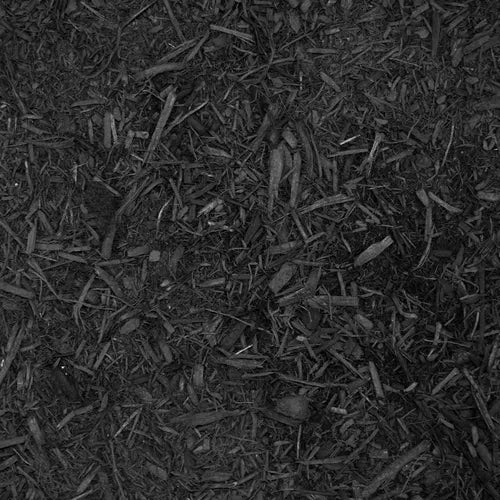
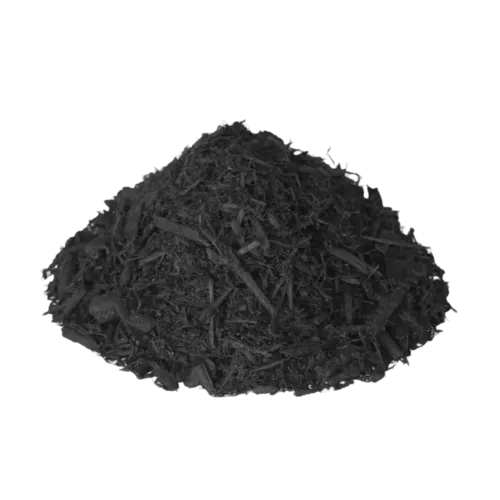
Shredded hardwood mulch is our top pick for Arvada clay loam because it breaks down steadily into organic matter that earthworms and microbes work into the top few inches, improving structure and infiltration over time. Its fibrous texture also mats together to resist chinook wind while keeping the soil surface soft and permeable.
Complete Your Outdoor Mulch Project
Pair your mulch with a few yards of compost enriched topsoil to amend the clay loam before you spread, and add steel edging or cobble to hold the mulch line against Arvada wind.
Water your beds thoroughly the day before mulching. Arvada clay loam repels water once the surface crusts over, and laying dry mulch on dry ground creates a barrier that sheds the first few irrigation cycles. Pre soaking gets moisture into the root zone first, then the mulch seals it in. This one step is the difference between mulch that conserves water and mulch that keeps water out for the rest of the season.
Mulch Mound Pro Tip
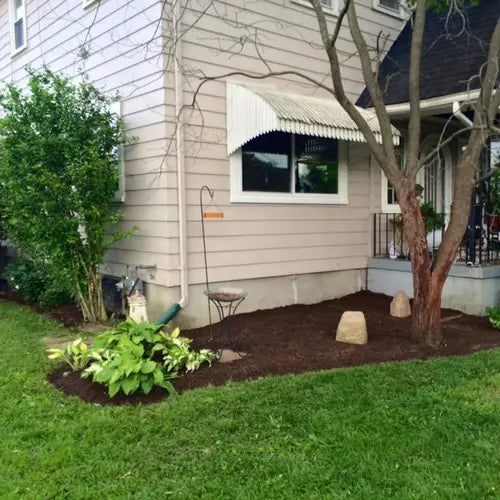
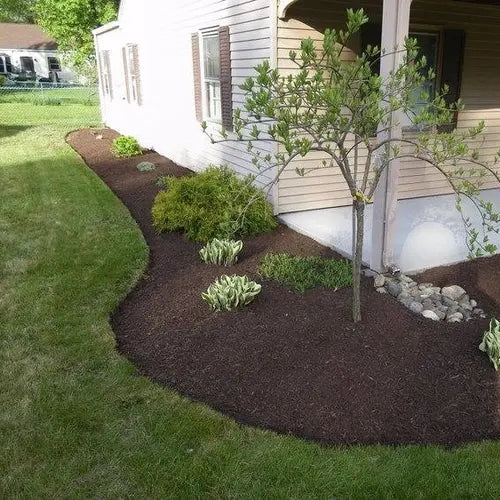
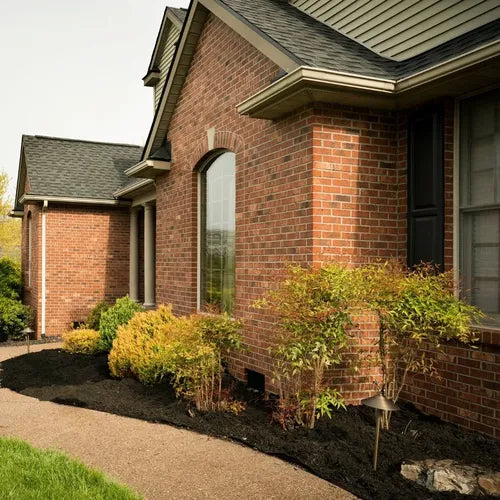
Keep mulch pulled back three inches from tree trunks and shrub crowns. Volcano mulching is common in Front Range neighborhoods and it invites bark rot, voles, and girdling roots. Arvada gets warm winter days that thaw the surface and cold nights that refreeze it, and mulch piled against bark holds that moisture right where it does damage. A flat donut shape with a visible root flare is what you want.
Mulch Mound Pro Tip
Time your fall mulch application for after the ground has begun to cool, usually mid to late October in Arvada. Mulching too early traps summer heat and keeps perennials actively growing into a first frost that arrives around September 26. Applied at the right time, that layer buffers the freeze thaw cycles that heave young plants out of clay loam over the winter, which is the main way Arvada gardeners lose new perennials.
Frequently Asked Questions
Click a question to see the answer
Answer
How deep should mulch be in Arvada with only 16 inches of rain a year?
Go three to four inches in shrub and perennial beds, which is a touch deeper than what is recommended in wetter parts of the country. That extra inch matters here because our precipitation is spread thin and much of it arrives as spring snow. Keep it to two inches directly over shallow rooted plants like heuchera and pull it back an inch or two from trunks and crowns.
Answer
Will Arvada wind blow my mulch out of the beds?
It can, especially on the west side of town where chinook gusts come down off the foothills. Shredded hardwood knits together as it settles and resists blowing far better than large nuggets or loose bark chips. If you have an exposed corner lot, water the mulch lightly after spreading to help it lock in, and consider a low steel or stone edge on the windward side.
Answer
When is the best time to mulch here, spring or fall?
Both work, but timing differs by goal. For moisture retention, spread in late April or early May once the soil has warmed but before the last frost date around May 13, so you are not trapping cold in the ground. For winter protection against freeze thaw heaving, add a refresh layer in late October after the first frost near September 26 has put plants to sleep.
Answer
Does mulch help with our clay loam soil, or does it just sit on top?
It does more than sit there. Arvada clay loam holds nutrients well but compacts hard and sheds water when the surface dries. Organic mulch feeds soil life at the interface, and as earthworms and microbes pull that material down, the top few inches gradually loosen and take in water instead of running off. You will notice the difference in year two or three.
Answer
How often do I need to replace mulch in Arvada?
Plan on a one inch top dress every year and a fuller refresh every two to three years. Our dry air and high UV at 5,348 feet fade color quickly, sometimes within a single season, but the actual decomposition rate is slower than in humid climates. Many Arvada homeowners fluff the existing layer with a rake in spring and add just enough new material to get back to three inches.
Answer
Should I put landscape fabric under mulch?
We generally advise against it in Arvada beds with living plants. Fabric blocks the organic matter from working into our clay loam, which is the main long term benefit you are after, and windblown soil eventually builds a weed seedbed on top of it anyway. Fabric makes more sense under stone in a dry creek bed or utility strip than under mulch in a perennial border.
Answer
How many yards of mulch will I need for a typical Arvada front yard bed?
A common Arvada ranch home front bed runs about 200 to 300 square feet. At a three inch depth that is roughly two to three cubic yards. One cubic yard covers about 108 square feet at three inches, so measure your bed length times width, multiply, and divide by 108. Round up, since settling and low spots always eat a little extra.
The Unique Landscape of Arvada
Arvada sits at 5,348 feet on the Front Range where roughly 16 inches of annual precipitation has to stretch across a full growing season. That thin moisture budget, combined with intense high altitude sun and the downslope chinook winds that roll off the foothills in winter, pulls water out of bare soil faster than most homeowners expect. Mulch is the single cheapest fix, holding moisture in the root zone and shading the clay loam so it does not bake into a crust. It also buffers the wild temperature swings between a 70 degree February afternoon and a 15 degree night, which is what actually kills marginal perennials here. In Zone 6a with a last frost around May 13 and a first frost near September 26, mulch stretches both ends of that window by keeping soil temperatures steady. Beds along west facing walls and driveways in older Arvada neighborhoods benefit most, since reflected heat can push surface temperatures well past what roots tolerate.