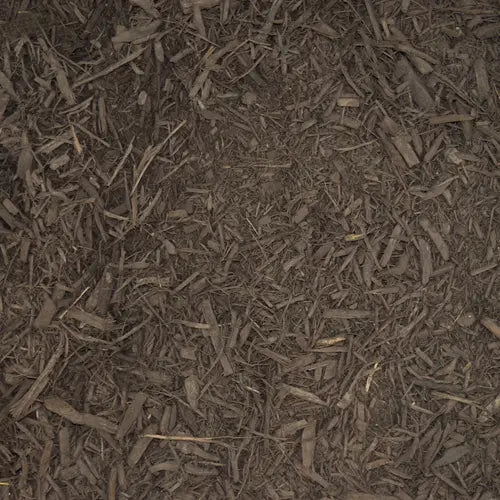
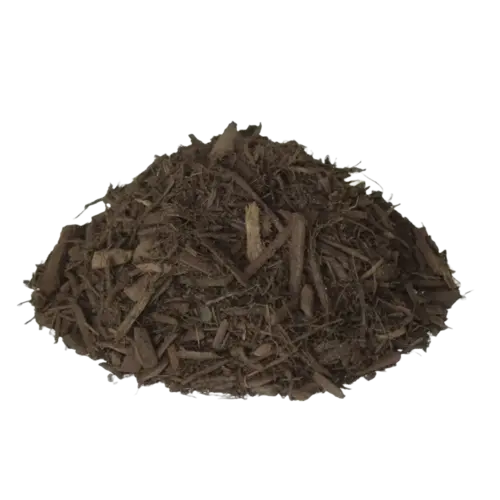
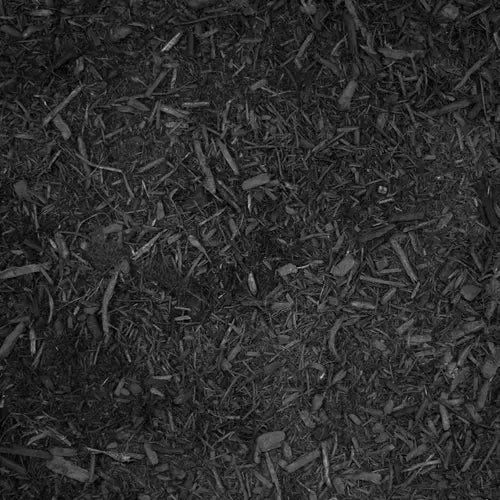
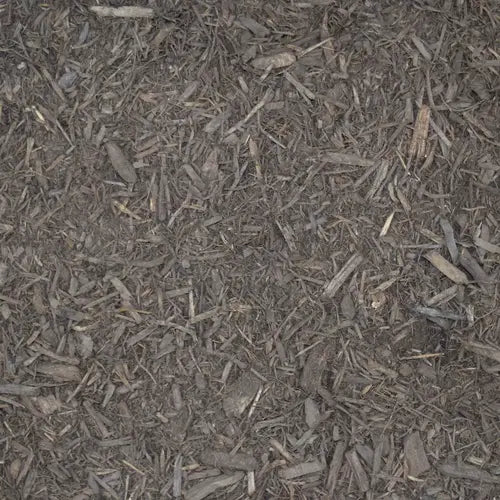
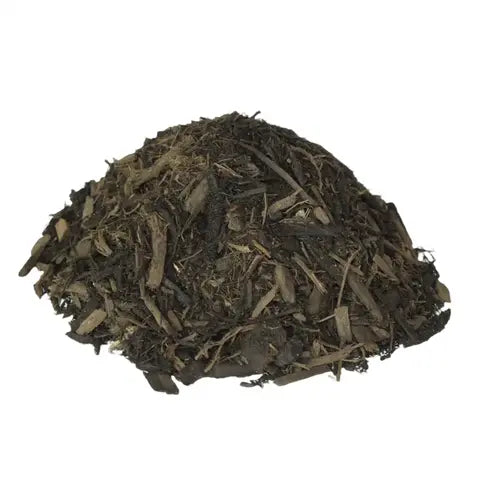
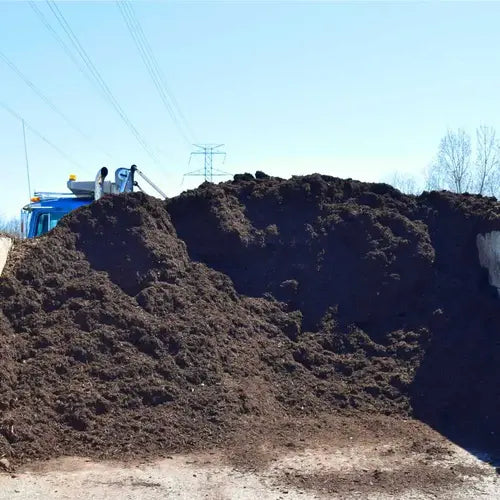
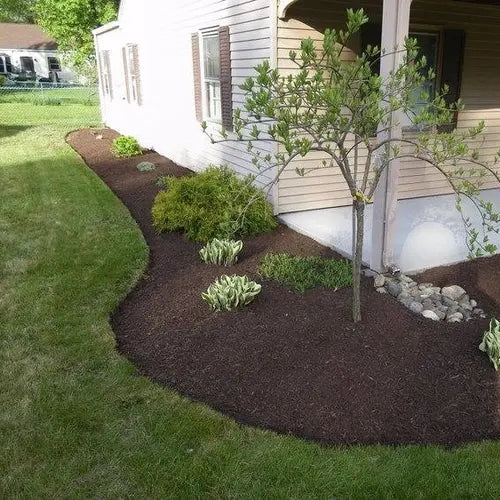
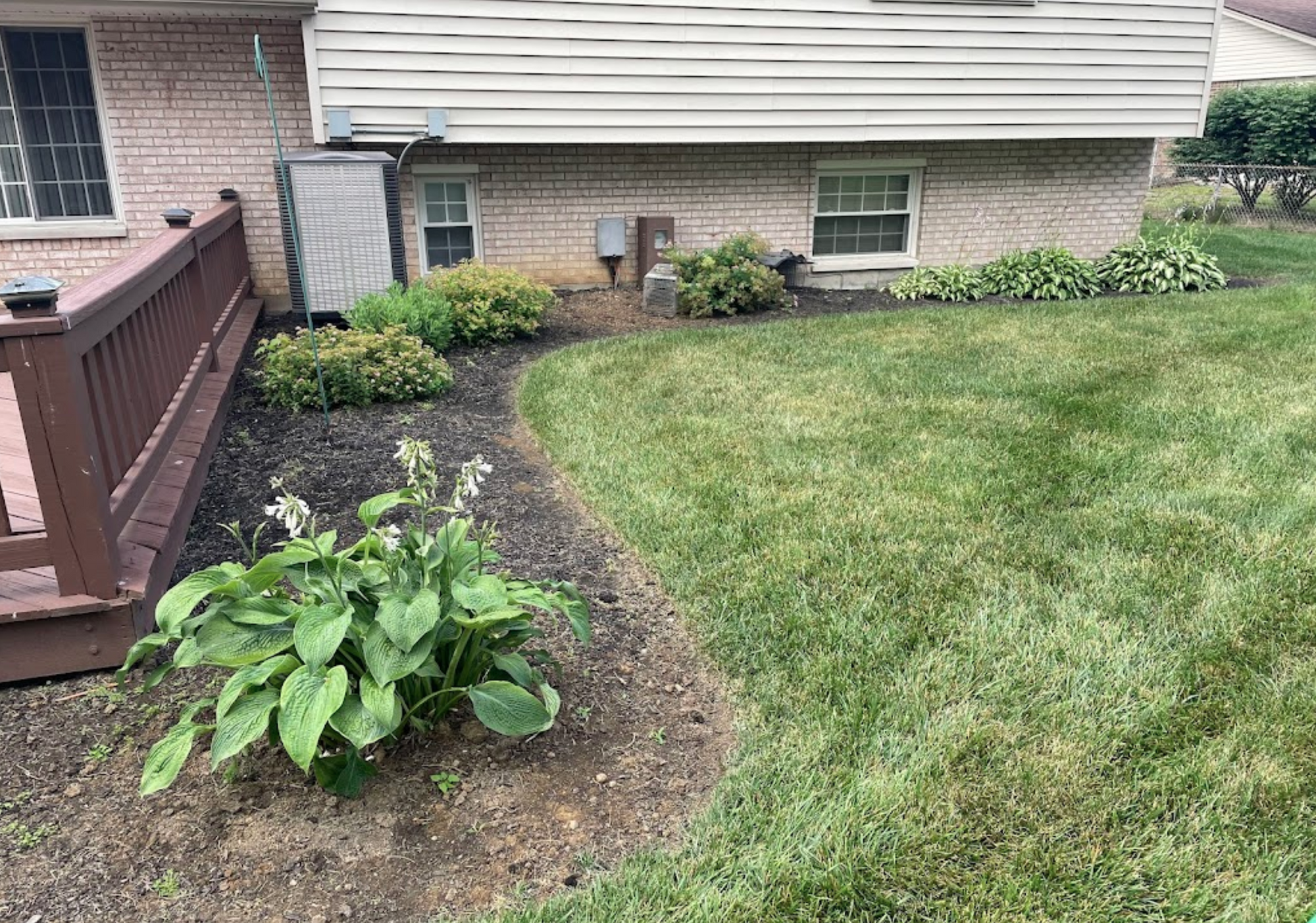
Warm brown double shredded mulch with lasting color that looks freshly applied for weeks. Spreads smooth, stays put, and gives beds a natural, polished appearance.
Great experience with mulch mound. Their online calculator made it easy to estimate how many yards of mulch I needed and delivery was quick. I would definitely recommend them for your future projects.
Tell us what you're looking for
Thanks! We received your request.
Something went wrong. Please try again.
How Much Material Do I Need?
Apply mulch at three inches deep over Ashtabula's clay soil to suppress weeds and regulate moisture without creating the waterlogged conditions that clay already tends to produce on its own. Two inches is sufficient for top-dressing existing beds that already have a solid base layer from a previous season.
Use our free mulch calculator
What is a yard?
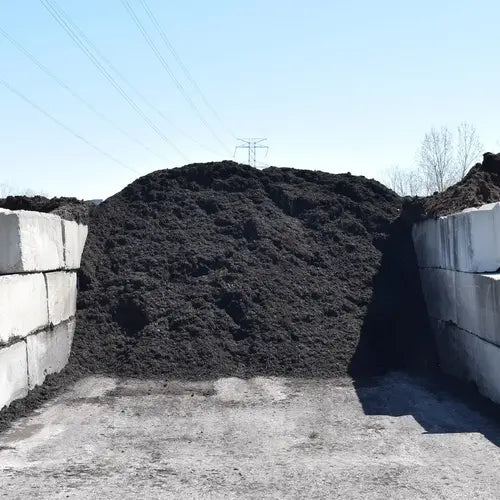
A yard is approximately 27 cubic feet. As a general guideline, one yard of material can cover an area of about 100-160 square feet at a 2-3 inch depth.
We can't take orders for this right now. Tell us what you need and we'll get back to you.
What do you need?
Thanks! We received your request.
Something went wrong. Please try again.
Hand-picked local yards
4,000+ regional deliveries
Dedicated support
Why order through Mulch Mound
The best local mulch, without the guesswork.
We hand-pick and partner with the best yards in your region, keep only the ones our buyers rate well, and back each load with our guarantee.
Mulch Mound Guarantee
If your mulch isn't the quantity or quality you ordered, we'll make it right.
About this mulch
Warm brown double shredded mulch with lasting color that looks freshly applied for weeks. Spreads smooth, stays put, and gives beds a natural, polished appearance.
Great experience with mulch mound. Their online calculator made it easy to estimate how many yards of mulch I needed and delivery was quick. I would definitely recommend them for your future projects.
How Much Material Do I Need?
Apply mulch at three inches deep over Ashtabula's clay soil to suppress weeds and regulate moisture without creating the waterlogged conditions that clay already tends to produce on its own. Two inches is sufficient for top-dressing existing beds that already have a solid base layer from a previous season.
Use our free mulch calculator
What is a yard?
A yard is approximately 27 cubic feet. As a general guideline, one yard of material can cover an area of about 100-160 square feet at a 2-3 inch depth.
Great experience with mulch mound. Their online calculator made it easy to estimate how many yards of mulch I needed and delivery was quick. I woul...
Read full review
Great experience with mulch mound. Their online calculator made it easy to estimate how many yards of mulch I needed and delivery was quick. I would definitely recommend them for your future projects.
We needed mulch for our HOA common areas. Local providers were all holding high prices even for 40 yards of mulch. Mulch mound was easy to wowith...
Read full review
We needed mulch for our HOA common areas. Local providers were all holding high prices even for 40 yards of mulch. Mulch mound was easy to wowith & has great price for natural mulch + delivery schedule options. They called before delivery to ensure Delivery was exactly where we wanted it.
Delivery was on time and great quality Mulch. Got it done in a reasonable time and yard looks great. Couldn’t be happier!!! Thank you and will us...
Read full review
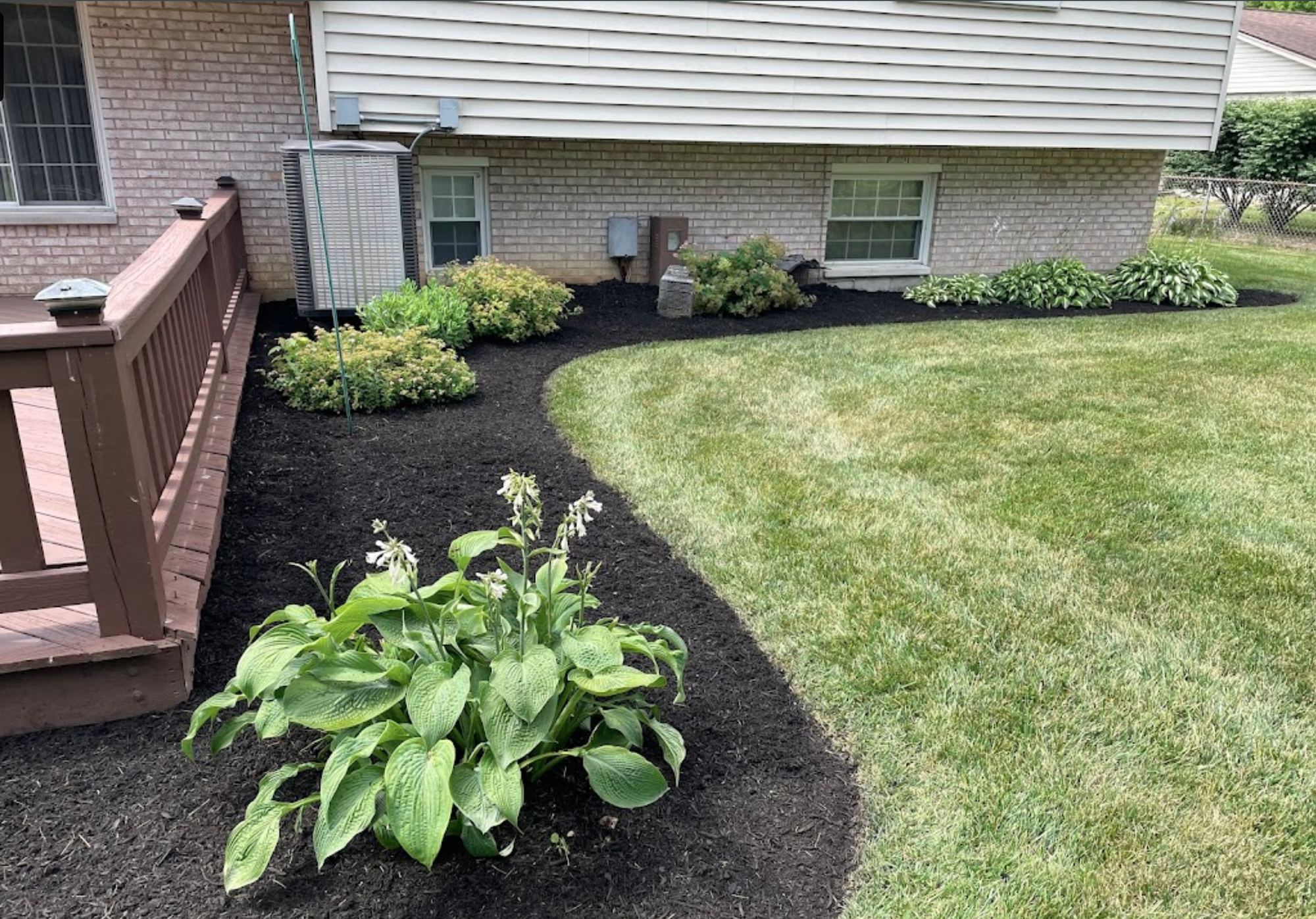
Delivery was on time and great quality Mulch. Got it done in a reasonable time and yard looks great. Couldn’t be happier!!! Thank you and will use again!!
Measure each bed's length and width in feet and multiply to get square footage, then add all your beds together before calculating your total. In Ashtabula, where clay soil can have uneven settled spots after winter frost activity, it helps to add about ten percent to your estimate to account for filling low areas. One cubic yard covers roughly 100 square feet at three inches deep, which is the recommended depth for clay-heavy landscapes like those found throughout Ashtabula.
Mulch vs. No Mulch: The Difference
Ashtabula's combination of clay soil and 41 inches of annual rainfall means mulch is constantly exposed to moisture, and that wet environment affects how quickly different mulch types break down and how long they hold their appearance. Natural hardwood mulch decomposes faster in Ashtabula's wet conditions, adding valuable organic matter to clay soil but requiring more frequent top-offs as a result. Dyed mulch holds its color longer through the rainy season and may be a better fit for high-visibility beds where aesthetics matter most throughout the growing season.
Before
After
Best Mulch Choice for Ashtabula Lawns
Most yards in the Ashtabula area sit on Clay type of soil. Ashtabula's clay soil struggles with poor drainage and limited organic content, making it difficult for plant roots to establish and for water to move freely through the bed profile during the region's wet spring and fall months. Laying mulch over clay helps regulate moisture at the surface, preventing the boom-and-bust wet-dry cycles that crack and compact clay between rain events.
Hardwood Mulch
Hardwood mulch is particularly well matched to Ashtabula clay because as it decomposes it releases organic acids and humus compounds that help break apart clay particles, slowly opening up the soil structure over multiple seasons. The decomposed material works its way into the upper clay layer, improving both drainage and the soil's ability to hold nutrients in a form plants can actually absorb and use.
Mulch Types We Deliver in Ashtabula
Mulch Mound makes bulk mulch delivery in Ashtabula simple, bringing orders by the cubic yard straight to your property. Whether you are refreshing beds after a long Lake Erie winter or tackling a larger landscape project, we carry a full lineup of dyed and natural options to match every yard and budget.
Dyed Black Mulch
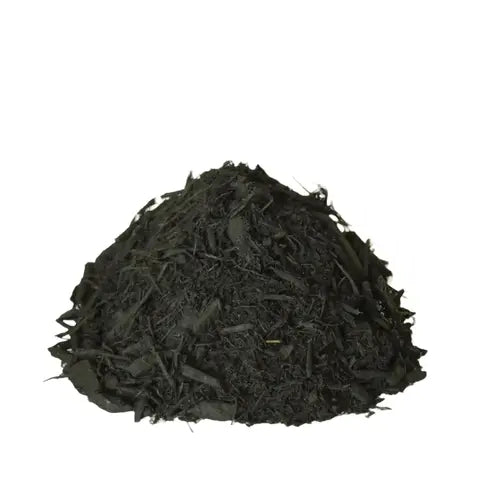
A top seller across northeast Ohio, dyed black mulch makes garden beds stand out with a sharp, modern contrast. Choose double shredded for dependable coverage or triple shredded for an extra-fine finish. The bold color holds well through wet springs and humid summers, keeping beds looking clean all season.
Dyed Brown Mulch
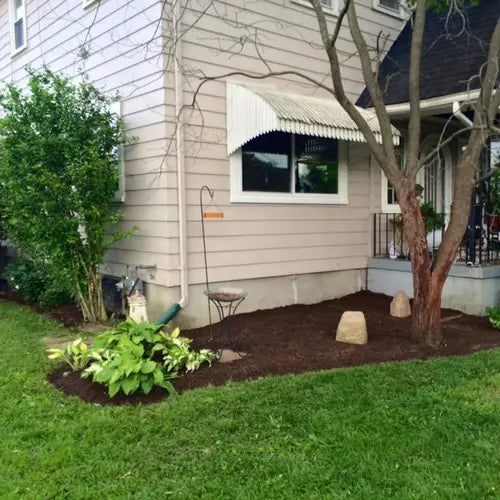
Warm brown dyed mulch suits the earthy tones common in northeast Ohio landscaping and pairs well with both older homes and newer builds throughout the area. Available in double shredded or triple shredded, it stays vivid for weeks and spreads smoothly across beds of any size.
Natural Brown Mulch
Natural brown mulch is an undyed option well suited to homeowners who prefer a product that looks at home in any garden. Available in double shredded or triple shredded, it breaks down gradually to improve the clay-heavy soils common throughout this part of Ohio.
Dyed Red Mulch
Triple shredded for the finest texture available, dyed red mulch brings bold color that commands attention in any planting bed. The vivid tone contrasts well with stone borders and green foliage common in northeast Ohio yards, and the fine cut stays in place through wind and heavy rain.
Complete Your Outdoor Mulch Project
Pair mulch with a bulk topsoil or garden soil order to amend Ashtabula's clay beds before spreading, and add a border of decorative stone to keep mulch contained along edges and pathways where rain runoff tends to carry it away. Together these three materials create a finished landscape that handles Ashtabula's wet springs and heavy clay without demanding constant seasonal maintenance.
Before laying fresh mulch in spring, loosen the top inch of Ashtabula's clay soil with a hand cultivator if the bed has been sitting compacted over winter. Clay tends to seal itself after freeze-thaw cycles, and breaking that surface crust first allows moisture and nutrients from the decomposing mulch to actually penetrate the soil rather than sitting on top and running off into the surrounding lawn during rain events.
Mulch Mound Pro Tip
Keep mulch pulled back about two inches from the base of all shrubs and tree trunks, especially in Ashtabula where the extended wet season from Lake Erie proximity keeps moisture levels high well into fall. Direct contact between mulch and woody stems creates a persistently moist environment that invites fungal disease and insect activity, and it is one of the most common but most easily preventable mulch mistakes across this region.
Mulch Mound Pro Tip
With 41 inches of annual rainfall spread across the growing season in Ashtabula, weed seeds have ample moisture to germinate even through a mulch layer if that layer is too thin. Maintaining a consistent three-inch depth creates a reliable barrier that both blocks light and physically separates weed seeds from the soil surface below. Check depth in mid-summer and top off any areas that have settled or compressed from rain impact to keep your weed suppression working all season long.
Frequently Asked Questions
Click a question to see the answer
Answer
How thick should I apply mulch over Ashtabula's clay soil?
Three inches is the ideal depth for most beds in Ashtabula. Clay soil already holds moisture longer than sandy or loamy soils, so going beyond three inches can trap too much water around plant crowns and invite rot, especially during our wetter stretches in spring and fall. Two inches is acceptable for established perennial beds where you want some decomposition to feed the clay below without smothering shallow roots.
Answer
Will mulch help with the standing water I get in my flower beds after heavy rain?
Mulch alone will not solve drainage problems rooted in compacted clay, but it does slow the rate at which rain hits the soil surface and reduces the surface sealing that makes standing water worse. If your beds regularly hold water after Ashtabula's heavier rain events, pairing mulch with a layer of compost-amended soil or adding some coarse stone around the bed perimeter will do more to improve drainage than mulch by itself.
Answer
When is the best time to mulch in Ashtabula given our late spring frosts?
The best window to apply fresh mulch in Ashtabula is after the last frost date passes around April 15, once the soil has had a chance to begin warming. Mulching too early in spring can slow soil warming and delay planting by trapping cold in the clay below. For fall, apply a protective layer before the first frost arrives around October 20 to insulate perennial roots and bulbs through the winter months.
Answer
Does Ashtabula's lake-effect weather affect how fast mulch breaks down?
Yes, significantly. Ashtabula sits close enough to Lake Erie that it receives elevated moisture from lake-effect events, particularly in fall and early winter. That extra humidity and precipitation accelerates the decomposition of organic mulches, meaning you may need to top off beds more often than homeowners in drier parts of Ohio. Expect to add a fresh inch or so of natural hardwood mulch each spring to maintain adequate depth and coverage.
Answer
My mulch keeps washing down my sloped bed during heavy downpours. What can I do?
Sloped beds are a real challenge in Ashtabula where rainfall totals average 41 inches per year and storms can deliver intense bursts over short periods. Shredded hardwood mulch interlocks better than nuggets or chips and resists washing much more effectively on grades. Installing a simple edging border at the low side of the slope also gives the mulch a barrier to push against. On steeper grades, consider switching to river stone or a spreading ground cover plant that anchors the soil beneath.
Answer
Is dyed mulch or natural hardwood mulch better for Ashtabula gardens?
Both work well in Ashtabula, but the choice comes down to your priorities. Natural hardwood mulch breaks down faster in our wet climate and feeds organic matter into the clay soil below, which is a real long-term benefit for Ashtabula properties. Dyed mulch holds its color longer through the rainy season and requires fewer top-offs if curb appeal is your main concern. If your beds genuinely need soil improvement over time, natural mulch is the more valuable investment.
Answer
How do I figure out how many yards of mulch I need for all my beds?
A good rule of thumb is one cubic yard for every 100 square feet of bed space at a three-inch depth. Measure the length and width of each bed in feet, multiply to get square footage, add them all together, and divide by 100. For Ashtabula homeowners doing a full spring refresh, rounding up by half a yard is wise since clay soil often has low spots or compressed areas from winter frost heave that need a little extra material to level out.
The Unique Landscape of Ashtabula
Ashtabula's dense clay soil compacts under foot traffic and rainfall, sealing off the air and water exchange that plant roots depend on, and a proper mulch layer is the most effective buffer against that cycle. With 41 inches of annual rainfall arriving in heavy bursts throughout the season, bare planting beds erode quickly and clay hardens into a nearly impenetrable crust when it dries between storms. Mulch insulates the soil against the sharp temperature swings that Zone 6b brings, protecting roots from late-season freezes that can arrive as early as October 20 and preventing premature frost-heave damage before the April 15 last frost passes. As organic mulch slowly breaks down over the growing season, it feeds humus into the clay below, gradually improving drainage and tilth in a soil type that rarely improves on its own. Keeping beds mulched year-round is one of the most cost-effective ways to protect your landscape investment in Ashtabula's demanding climate.