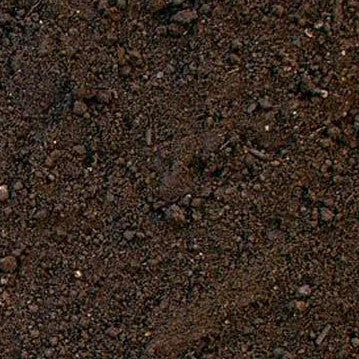
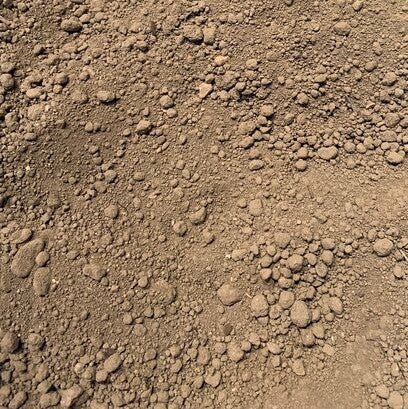
Screened topsoil filtered clean of rocks, roots, and debris. Smooth, consistent texture that is ready for lawns, gardens, raised beds, and finish grading.
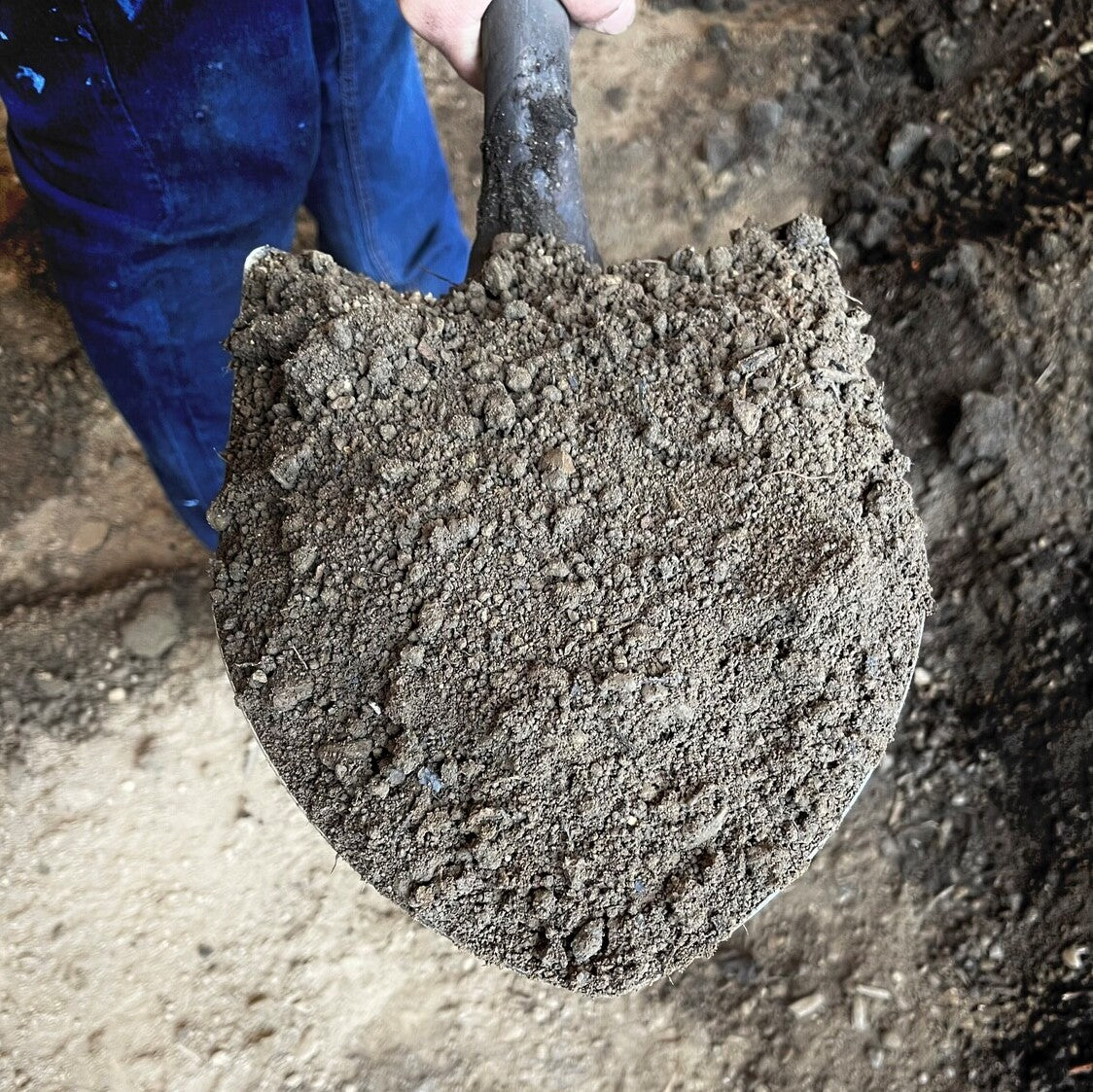
I got 3 yards of dirt to create a garden bed on the side of my house and to help fill my new raised garden beds. We had enough dirt to do all of this and fill some holes in the yard! Thanks 😃
Screened topsoil filtered clean of rocks, roots, and debris. Smooth, consistent texture that is ready for lawns, gardens, raised beds, and finish grading.
I got 3 yards of dirt to create a garden bed on the side of my house and to help fill my new raised garden beds. We had enough dirt to do all of this and fill some holes in the yard! Thanks 😃
How Much Material Do I Need?
For garden beds over Ashtabula clay, bring in at least four to six inches of quality soil to give roots a productive layer above the dense subsoil below. For lawn leveling and topdressing, one inch or less is typical, though severe frost heave spots may need up to two inches of fill to fully even out.
Use our free soil calculator
What is a yard?
A yard is approximately 27 cubic feet. As a general guideline, one yard of material can cover an area of about 100-160 square feet at a 2-3 inch depth.
I got 3 yards of dirt to create a garden bed on the side of my house and to help fill my new raised garden beds. We had enough dirt to do all of th...
Read full review
I got 3 yards of dirt to create a garden bed on the side of my house and to help fill my new raised garden beds. We had enough dirt to do all of this and fill some holes in the yard! Thanks 😃
Placing an order online was so easy. Delivery was on time. When the driver realized we had a newly poured driveway they erred on the side of cautio...
Read full review
Placing an order online was so easy. Delivery was on time. When the driver realized we had a newly poured driveway they erred on the side of caution and opted not ti drive in it. The company even sent me a message explaining that call. Would recommend!
Measure the length and width of the area you are filling or covering, multiply for total square footage, and use one cubic yard per 100 square feet as your baseline for a three-inch layer. In Ashtabula, where clay subsoil often has settled depressions from winter frost activity, adding ten to fifteen percent to your estimate helps account for filling low spots you may not have noticed yet. For raised beds, multiply length by width by the desired depth in feet and divide by 27 to convert cubic feet to cubic yards.
Complete Your Outdoor Soil Project
Combine your soil order with a bulk mulch delivery to cover and protect your newly built beds from Ashtabula's spring rain and summer heat, and consider adding stone for pathway edging or drainage swales that help manage the wet conditions clay soil creates throughout the property. Having all three materials delivered together saves time and gets your landscape project finished in a single weekend.
Can I just till compost into my Ashtabula clay instead of buying bulk topsoil?
Tilling compost into clay is a helpful long-term practice but takes multiple seasons to meaningfully improve the soil structure, and in the meantime your plants are still struggling with poor drainage and compaction. For most Ashtabula homeowners who want results in the current growing season, bringing in a quality topsoil or garden mix and building the bed up a few inches above the clay layer is faster and more reliable. Over time the two layers will integrate, but your plants benefit immediately from the improved root environment.
Answer
My lawn has a lot of low spots after winter. How much soil do I need to level it back out?
Ashtabula's freeze-thaw cycles through winter and early spring are particularly hard on lawns because clay soil expands when frozen and contracts when it thaws, leaving behind uneven depressions throughout the yard. For most residential lawns, a thin topdress of half an inch to one inch of fine fill soil spread and raked into low spots before overseeding in late April is enough to smooth things out. For larger depressions or heavily disrupted areas, a yard or two of fill soil can go a long way across an average-sized Ashtabula property.
Answer
What kind of soil should I use for a raised vegetable bed here in Ashtabula?
A blended garden mix with topsoil and compost is the best choice for raised vegetable beds in Ashtabula because the native clay soil below drains too slowly for most vegetables, particularly root crops like carrots and beets. Building your raised bed with a rich, loose mix allows roots to grow freely and lets excess moisture drain away rather than pooling as it would in pure clay. Aim for at least eight to ten inches of quality garden soil in your raised bed for the best results through Ashtabula's growing season.
Answer
When is the earliest I should start soil work in spring in Ashtabula?
Because Ashtabula's last frost typically falls around April 15, the practical window for soil prep begins in late March or early April depending on how wet the spring has been. The key sign to watch for is whether the clay has dried enough to crumble rather than smear when you squeeze a handful. Working clay soil while it is still saturated, which is common after Ashtabula's rainy March, compacts the structure and can do lasting damage to soil quality that takes a full season to recover from.
Answer
Will bulk topsoil help with the drainage problems I have along the side of my house?
It depends on the cause of the drainage problem. If your side yard drains poorly because the grade slopes toward your foundation or because compacted clay is holding water near the surface, adding topsoil to regrade and redirect water flow can make a significant difference. Ashtabula receives 41 inches of rainfall each year, so even a slight grade toward the house is enough to cause repeated problems over time. Pairing a soil delivery with some coarse gravel or drainage stone gives the best long-term solution for persistent wet spots.
Answer
How do I know if I need topsoil, garden mix, or fill soil for my particular project?
Fill soil is the right choice for grading, leveling, and building up low areas where you just need volume and structural support without worrying about plant growth in that zone. Topsoil works well for lawn renovation and general garden bed prep where you want some organic content but are not growing heavy feeders. Garden mix with added compost is the best option for vegetable beds and flower gardens in Ashtabula where the native clay gives plants almost nothing to work with in terms of nutrients or drainage on its own.
Answer
How much topsoil should I put down over my clay lawn before overseeding in spring?
For overseeding an existing lawn in Ashtabula, a quarter to half inch of fine topsoil spread and raked in is usually enough to give seed a good contact surface over the clay. For a full renovation where you are starting from scratch, two to three inches of quality topsoil gives grass roots enough depth to establish before they hit the clay layer below. After seeding, the window between mid-April and mid-May is ideal for Ashtabula because soil temps are rising and spring rains reduce the need for heavy supplemental irrigation.
Mulch Mound Pro Tip
When filling raised beds over Ashtabula's clay, it pays to loosen the clay surface below with a garden fork before adding your new soil on top. This breaks the hard pan that forms at the clay surface and lets roots eventually push through into the native soil below, giving deep-rooted vegetables like tomatoes and squash access to the moisture stored lower in the clay profile during dry stretches in July and August.
Mulch Mound Pro Tip
Ashtabula's clay soil is highly susceptible to compaction when worked or walked on while wet, which is a common temptation in early spring when the urge to get started on garden projects is at its highest. Always wait until a handful of soil crumbles rather than smears before digging, tilling, or spreading new material. Working wet clay collapses the pore structure you are trying to build and can set back drainage improvement efforts by a full growing season.
Mulch Mound Pro Tip
If you are leveling lawn areas in Ashtabula after winter frost heave, time your soil work and overseeding for late April through mid-May to take advantage of naturally warming soil temperatures and the region's reliable spring rainfall. Grass seed establishment is far more successful when it does not require heavy irrigation in the first few weeks, and Ashtabula's spring precipitation pattern usually provides enough consistent moisture to carry new seed through germination without added watering effort.
The Unique Landscape of Ashtabula
Ashtabula's native clay soil is notoriously difficult to work with for gardens, raised beds, and lawn renovation projects because it drains poorly, compacts under light pressure, and holds so little organic matter that most vegetables and flowers struggle to thrive in it without amendment. Adding quality bulk topsoil or garden mix allows homeowners to build up planting areas above the clay layer, creating a root environment that drains properly and holds nutrients in a form plants can actually use. The growing season in Ashtabula runs from approximately April 15 after the last frost to October 20 before the first frost, giving plants a 188-day window that demands a productive soil profile from the very start of the season. Lawn areas throughout Ashtabula often develop low spots and bare patches from clay's tendency to heave and shift during winter frost cycles, and bulk fill soil is the most practical way to level and reseed those areas each spring. Whether you are building a new raised bed, renovating a tired lawn, or topping off a garden, starting with the right soil makes every other effort more effective in Ashtabula's challenging growing environment.
