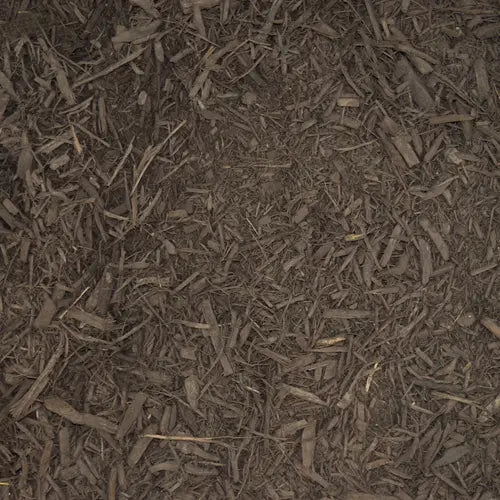
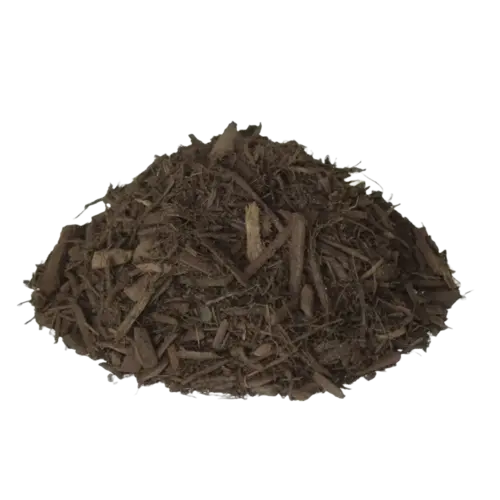
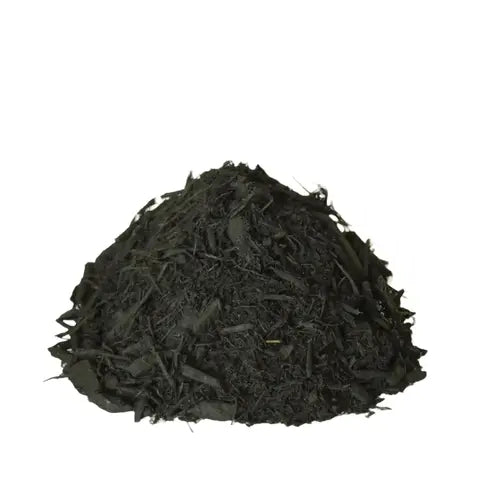
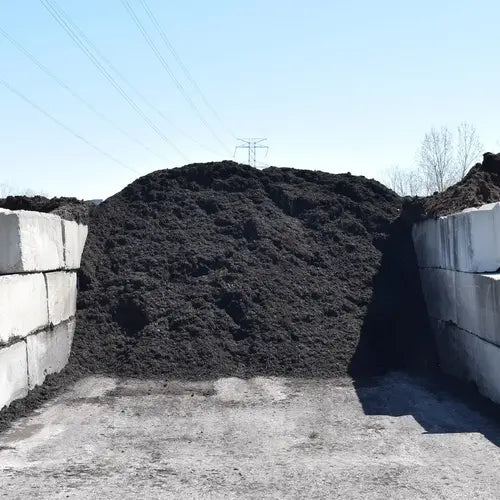
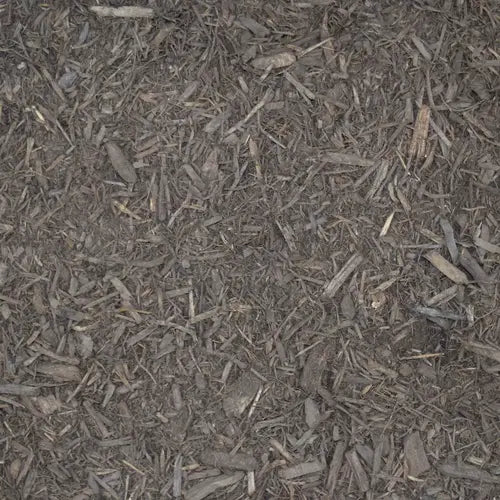
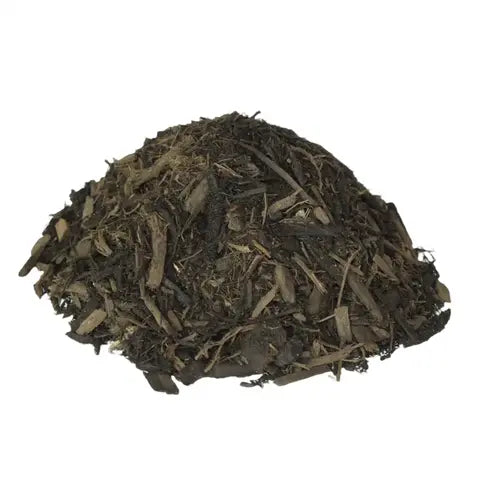
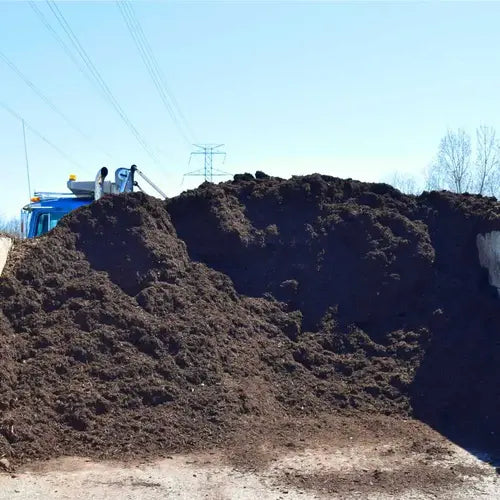
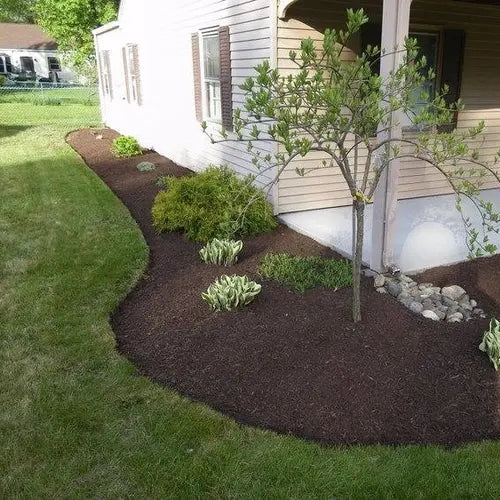
Warm brown double shredded mulch with lasting color that looks freshly applied for weeks. Spreads smooth, stays put, and gives beds a natural, polished appearance.
Great experience with mulch mound. Their online calculator made it easy to estimate how many yards of mulch I needed and delivery was quick. I would definitely recommend them for your future projects.
Tell us what you're looking for
Thanks! We received your request.
Something went wrong. Please try again.
How Much Material Do I Need?
Over Auburn's dense red clay, a 3 inch layer is the practical minimum for meaningful weed suppression and moisture retention between rain events. One cubic yard of mulch covers roughly 100 square feet at that depth, so measure your beds carefully before ordering to avoid running short midway through a project.
Use our free mulch calculator
What is a yard?
A yard is approximately 27 cubic feet. As a general guideline, one yard of material can cover an area of about 100-160 square feet at a 2-3 inch depth.
We can't take orders for this right now. Tell us what you need and we'll get back to you.
What do you need?
Thanks! We received your request.
Something went wrong. Please try again.
Hand-picked local yards
4,000+ regional deliveries
Dedicated support
Why order through Mulch Mound
The best local mulch, without the guesswork.
We hand-pick and partner with the best yards in your region, keep only the ones our buyers rate well, and back each load with our guarantee.
Mulch Mound Guarantee
If your mulch isn't the quantity or quality you ordered, we'll make it right.
About this mulch
Warm brown double shredded mulch with lasting color that looks freshly applied for weeks. Spreads smooth, stays put, and gives beds a natural, polished appearance.
Great experience with mulch mound. Their online calculator made it easy to estimate how many yards of mulch I needed and delivery was quick. I would definitely recommend them for your future projects.
How Much Material Do I Need?
Over Auburn's dense red clay, a 3 inch layer is the practical minimum for meaningful weed suppression and moisture retention between rain events. One cubic yard of mulch covers roughly 100 square feet at that depth, so measure your beds carefully before ordering to avoid running short midway through a project.
Use our free mulch calculator
What is a yard?
A yard is approximately 27 cubic feet. As a general guideline, one yard of material can cover an area of about 100-160 square feet at a 2-3 inch depth.
Great experience with mulch mound. Their online calculator made it easy to estimate how many yards of mulch I needed and delivery was quick. I woul...
Read full review
Great experience with mulch mound. Their online calculator made it easy to estimate how many yards of mulch I needed and delivery was quick. I would definitely recommend them for your future projects.
We needed mulch for our HOA common areas. Local providers were all holding high prices even for 40 yards of mulch. Mulch mound was easy to wowith...
Read full review
We needed mulch for our HOA common areas. Local providers were all holding high prices even for 40 yards of mulch. Mulch mound was easy to wowith & has great price for natural mulch + delivery schedule options. They called before delivery to ensure Delivery was exactly where we wanted it.
Delivery was on time and great quality Mulch. Got it done in a reasonable time and yard looks great. Couldn’t be happier!!! Thank you and will us...
Read full review
Delivery was on time and great quality Mulch. Got it done in a reasonable time and yard looks great. Couldn’t be happier!!! Thank you and will use again!!
Measure the length and width of each bed in feet and multiply to get square footage, then plan for at least 3 inches of depth over Auburn's clay soil to create an effective barrier against compaction and moisture loss. If your beds already have a thin layer from a previous season, add only enough to bring the total depth back to 3 inches rather than continuing to pile on top. Auburn's frequent summer rains compress mulch faster than in drier climates, so erring toward a slightly fuller initial application pays off across the full growing season.
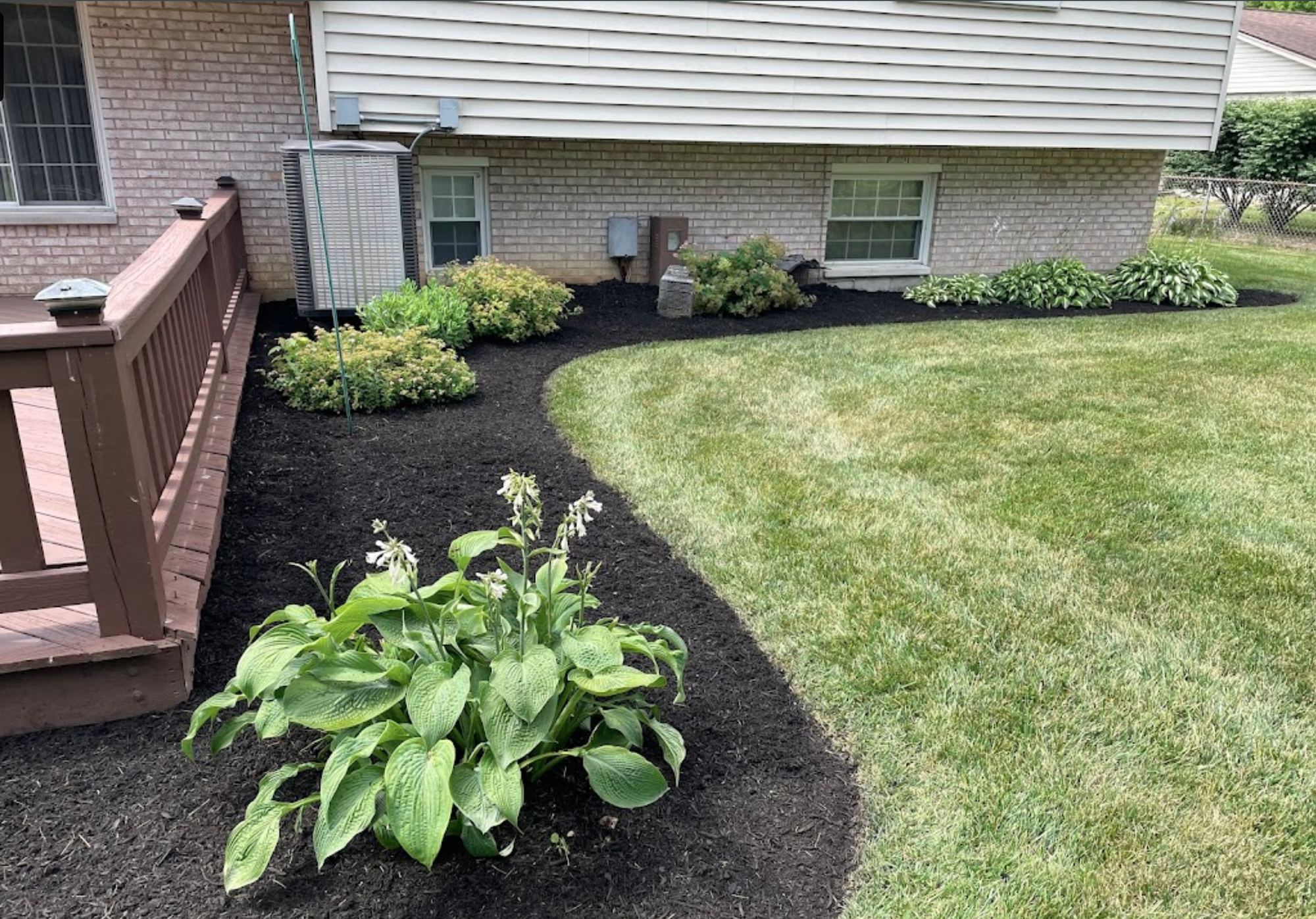
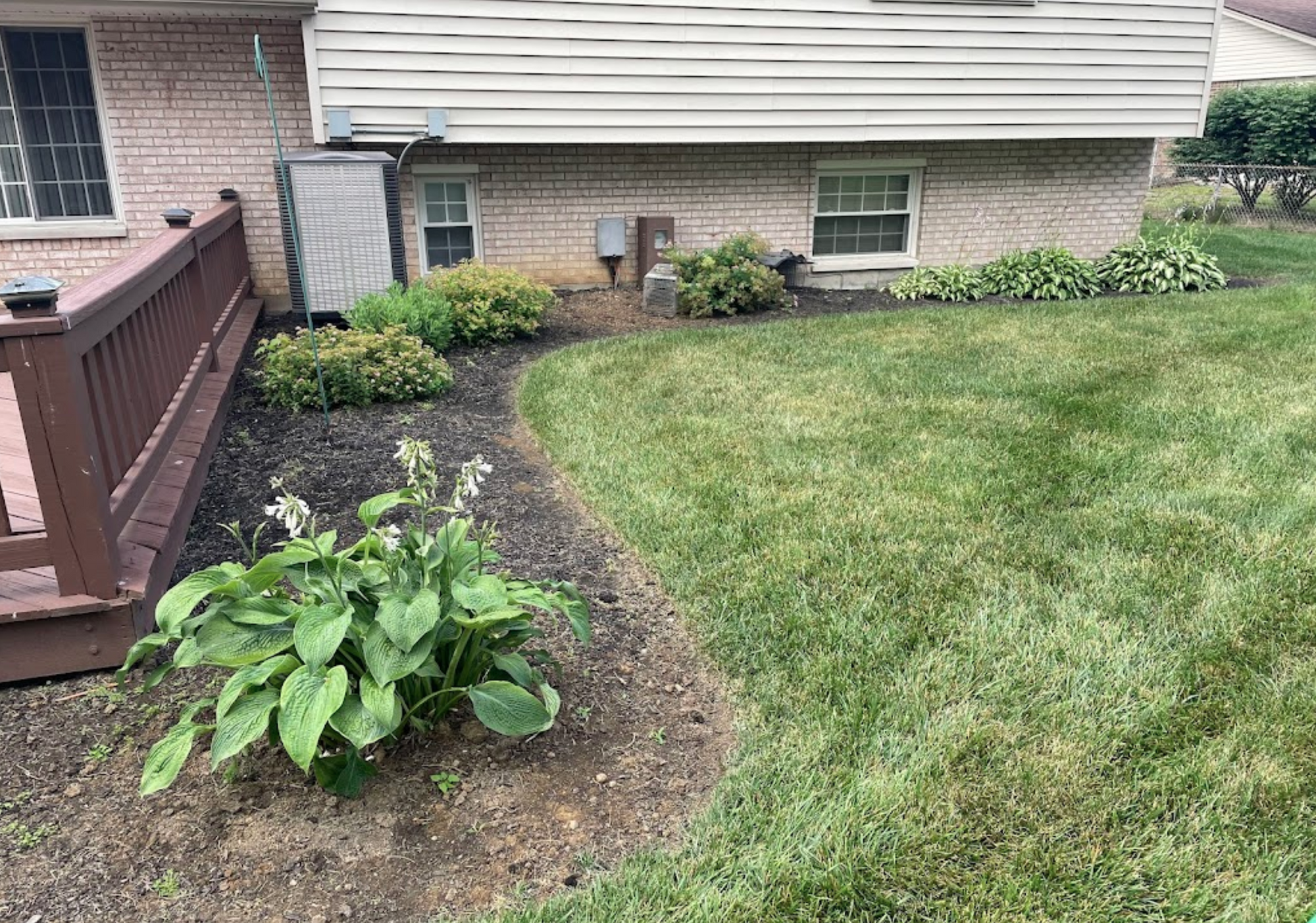
Mulch vs. No Mulch: The Difference
Auburn's combination of intense summer heat and frequent rainfall creates conditions where natural hardwood mulch breaks down faster than in cooler or drier climates, meaning it adds organic matter to red clay soil more quickly but also needs more frequent refreshing to maintain proper depth. Dyed mulch products use colorfast pigments that resist Auburn's UV-heavy summers better than undyed wood, holding their visual appeal through the long growing season without necessarily sacrificing functional performance. Choosing between the two comes down to whether you prioritize the soil-building benefits of faster decomposition or the longer-lasting color that stands up to Auburn's sun and rain.
Before
After
Best Mulch Choice for Auburn Lawns
Most yards in the Auburn area sit on Red Clay type of soil. Auburn's red clay soil lacks the organic matter needed to support healthy plant roots on its own, and without a mulch layer to protect bed surfaces, summer rains simply compact the clay further and wash away any amendments you apply.
Hardwood Mulch
Hardwood mulch breaks down into humus over time, and in Auburn's warm zone 8b climate that decomposition happens fast enough that the organic material begins improving the clay layer within a single season, gradually building both drainage capacity and nutrient availability in beds that would otherwise stay locked and hard year after year.
Mulch Types We Deliver in Auburn
Ordering bulk mulch delivery in Auburn means getting the right material by the cubic yard, delivered straight to your driveway so you can tackle beds, tree rings, and pathways without hauling bags. The warm, humid climate in this part of Alabama breaks mulch down faster than cooler regions, so choosing a quality product that holds color and structure through the season matters. We deliver across the area and drop your order exactly where you need it.
Dyed Black Mulch
A bold double shredded product that gives planting beds a sharp, finished contrast against the red clay soil found throughout this part of Alabama. The deep color holds through summer heat and heavy rain, making it a top choice for homeowners who want beds that look clean all season.
Dyed Brown Mulch
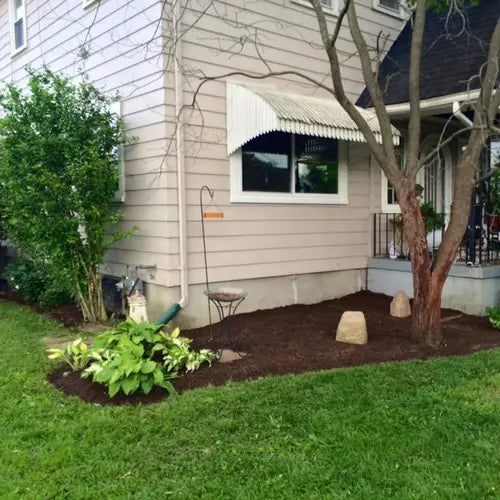
A warm double shredded mulch with lasting color that fits naturally alongside the traditional brick and wood homes common in this corner of Alabama. The brown tone looks freshly applied for weeks even under the region's intense summer sun, and the smooth texture spreads easily across large beds or around tree rings.
Natural Brown Mulch
An undyed double shredded mulch with an earthy brown tone that comes straight from the wood itself, with no added color to fade or wash away. It suits gardeners and homeowners who prefer a clean, understated look that blends with the natural landscape found throughout central Alabama.
Complete Your Outdoor Mulch Project
If your beds need rebuilding before mulching, our bulk topsoil and garden soil blends help break up Auburn's stubborn clay layer and improve drainage before you lay your mulch. Adding a stone border or edging material around your beds also keeps mulch from migrating into the lawn during Auburn's heavy spring and summer downpours.
Auburn's warm zone 8b springs mean weed seeds germinate earlier than in most of the Southeast, often pushing through thin mulch layers before homeowners realize the season has started. Pull existing weeds and apply a pre-emergent before laying fresh mulch each year, targeting late February before Auburn's last frost date of March 20. A consistent 3 inch layer applied before April cuts weed pressure dramatically through the long growing season and reduces the labor of mid-season hand-weeding in Auburn's heat.
Mulch Mound Pro Tip
Auburn's summer soil temperatures under bare clay can spike well above 90 degrees, stressing root systems on azaleas, gardenias, and other ornamentals common in zone 8b landscapes. A proper mulch layer keeps surface soil temperatures measurably cooler during July and August, and equally important, it slows the sharp cooling that can stress shallow roots during Auburn's sometimes sudden cold snaps just ahead of the first frost around November 15. Both ends of the temperature spectrum put ornamental roots at risk without that insulating layer.
Mulch Mound Pro Tip
With 54 inches of annual rainfall, Auburn homeowners sometimes assume their plants get plenty of water without irrigation, but heavy clay soil sheds rain quickly when it is dry, sending runoff across hardscapes instead of into root zones. Mulch acts as a sponge between rain events, holding moisture at the soil surface and giving it time to slowly infiltrate the clay below. During dry stretches between Auburn's summer thunderstorms, that stored moisture can mean the difference between a stressed shrub and a healthy one carrying strong color into fall.
Frequently Asked Questions
Click a question to see the answer
Answer
How thick should I apply mulch over Auburn's red clay soil?
A minimum of 3 inches is recommended over Auburn's dense clay, which tends to shed water and compact easily under Auburn's frequent rain. That depth creates a meaningful barrier against weed germination and slows moisture loss during the long stretches between summer thunderstorms. Going much deeper than 4 inches can trap too much moisture against plant crowns in Auburn's humid conditions, so staying in that 3 to 4 inch range is the practical sweet spot for most landscape beds.
Answer
Will Auburn's heavy spring rains wash my freshly applied mulch away before it settles?
It can happen, especially in beds with any slope and no physical edging to contain the material. Auburn typically sees its heaviest sustained rainfall in March and again in July and August, and freshly spread mulch is most vulnerable before it has a chance to knit together. Installing a simple border and avoiding application right before a predicted heavy rain event gives your mulch the best chance of staying in place through the first few weeks.
Answer
Does mulching my beds actually improve the red clay soil underneath over time?
Yes, particularly with natural hardwood mulch. Auburn's warm zone 8b climate accelerates decomposition compared to cooler regions, meaning organic mulch breaks down and works humus into the clay layer below more quickly than you might expect. After two or three seasons of consistent mulching and refreshing, many Auburn homeowners notice their formerly hard clay becoming noticeably softer and more workable in the top few inches of their beds.
Answer
When is the best time to mulch my beds in Auburn?
Early spring, just before Auburn's last frost date around March 20, is ideal for setting up beds for the growing season. Applying mulch at that time locks in soil warmth as temperatures rise and suppresses the first flush of spring weeds that arrive early in zone 8b. A second lighter refresh in late October, just before the first frost around November 15, helps insulate perennial roots through Auburn's brief but sometimes sharp winter cold snaps.
Answer
Will dyed mulch hold its color through Auburn's wet and sunny summers?
Quality dyed mulches hold their color reasonably well through Auburn's summer conditions, though UV exposure and the region's heavy rainfall will cause some fading by mid-season. The color shift is most noticeable in beds that get direct afternoon sun during Auburn's long summer days. Choosing a darker dyed product tends to give you the most visual longevity through the growing season before a refresh is needed.
Answer
Can I mulch too heavily around my azaleas and gardenias in Auburn?
Absolutely, and it is a very common mistake in zone 8b landscapes where homeowners assume more is always better. Auburn's heat and humidity already keep moisture elevated around plant crowns for much of the year, and piling mulch directly against stems or trunks invites rot and fungal issues. Keep mulch pulled back a few inches from the base of shrubs and trees, and avoid exceeding 4 inches total depth around moisture-sensitive plants common to Auburn landscapes.
Answer
How often do I need to refresh my mulch in Auburn's climate?
Most Auburn homeowners find an annual refresh keeps beds looking good and functioning properly. Zone 8b heat speeds up organic mulch breakdown, and 54 inches of annual rain compacts and disperses material faster than in drier climates. A full application in spring and a light top-up in fall is a reliable routine that keeps beds covered, weed pressure down, and soil moisture stable through both the active growing season and winter.
The Unique Landscape of Auburn
Auburn's red clay soil is notorious for compacting under foot traffic and heavy rain, creating a hard crust that suffocates plant roots and repels water rather than absorbing it. With 54 inches of annual rainfall spread across Auburn's warm seasons, exposed soil in planting beds erodes quickly and washes nutrients away from root zones. A proper mulch layer acts as a buffer between that rainfall and your soil, slowing water impact and encouraging it to percolate rather than run off. Auburn's zone 8b summers bring intense heat and humidity that dry out surface soil quickly between rain events, making moisture retention critical for ornamentals and shrubs. Mulching also moderates the sharp soil temperature swings that occur between Auburn's cool winters and scorching July afternoons, protecting shallow root systems from stress throughout both seasons.