


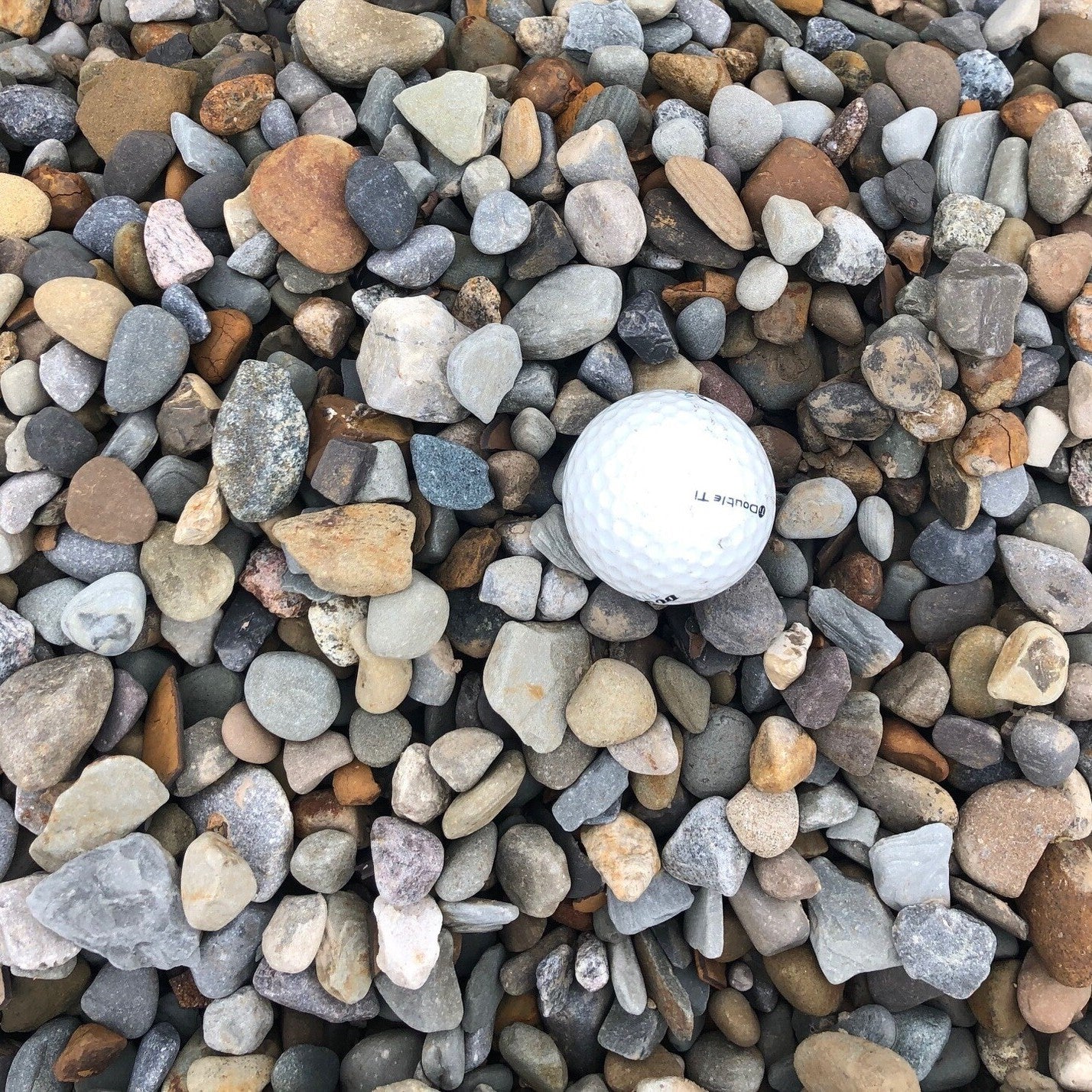

The driver nailed it on putting the gravel I ordered in front of my trailer and between the sidewalk. Very satisfied with how my flowerbeds look now.
About this stone
Number 57 crushed stone, angular limestone graded to about three quarters of an inch. The standard driveway, base and drainage gravel, it locks together under traffic and drains fast.
The driver nailed it on putting the gravel I ordered in front of my trailer and between the sidewalk. Very satisfied with how my flowerbeds look now.
Tell us what you're looking for
Thanks! We received your request.
Something went wrong. Please try again.
How Much Material Do I Need?
How Much Material Do I Need?
For decorative stone beds and pathways in Auburn, a 2 to 3 inch depth provides good coverage and stability underfoot across seasons. Drainage-focused applications in Auburn yards, especially around foundations and in swales handling runoff off clay soil, should use at least 4 to 6 inches of gravel to create the void space needed to absorb the high-volume storm events common in the area.
Use our free gravel calculator
What is a yard?
What is a yard?
FAQs
FAQs
Auburn Gravel Delivery
Auburn Gravel Delivery
Regular price
$133.00
per
yard
Regular price
Sale price
$133.00
Unit price
per
Shipping calculated at checkout.
Minimum of 3 yard
Couldn't load pickup availability
Not currently available
We can't take orders for this right now. Tell us what you need and we'll get back to you.
Hand-picked local yards
4,000+ regional deliveries
Dedicated support
Why order through Mulch Mound
The best local stone, without the guesswork.
We hand-pick and partner with the best yards in your region, keep only the ones our buyers rate well, and back each load with our guarantee.
Mulch Mound Guarantee
If your stone isn't the quantity or quality you ordered, we'll make it right.
About this stone
Number 57 crushed stone, angular limestone graded to about three quarters of an inch. The standard driveway, base and drainage gravel, it locks together under traffic and drains fast.
The driver nailed it on putting the gravel I ordered in front of my trailer and between the sidewalk. Very satisfied with how my flowerbeds look now.
How Much Material Do I Need?
How Much Material Do I Need?
For decorative stone beds and pathways in Auburn, a 2 to 3 inch depth provides good coverage and stability underfoot across seasons. Drainage-focused applications in Auburn yards, especially around foundations and in swales handling runoff off clay soil, should use at least 4 to 6 inches of gravel to create the void space needed to absorb the high-volume storm events common in the area.
Use our free gravel calculator
What is a yard?
What is a yard?
FAQs
FAQs
Tell us what you're looking for
Thanks! We received your request.
Something went wrong. Please try again.
How It Works
Getting started is easy — just follow these simple steps
1
Choose your stone
Make sure you adjust the quantity to your home's needs. You can use our calculator to estimate how much you'll need.
2
Select your delivery date
Select a delivery date you'd like for the product to be dropped off at your home
3
Sit back and wait
Sit back, wait, and let us work our magic to make sure the highest quality product is delivered to your driveway.


Need Help Calculating How Much Gravel You Need?
Use our NEW Trace from Satellite tool to get an estimate for your project based on an aerial view of your property
Try Our CalculatorMeasure your project area in square feet and decide on your target depth, typically 2 to 3 inches for decorative coverage and 4 to 6 inches for functional drainage beds that need to handle Auburn's heavy summer downpours on clay soil. One cubic yard of gravel covers approximately 100 square feet at 3 inches deep, so divide your total square footage by 100 to get a rough cubic yard estimate. For drainage applications along foundations or in swales, always round up to ensure you have enough material to fill the void properly and handle peak storm flow.
Stone Types We Deliver in Auburn
Whether you are landscaping a backyard patio or improving drainage around a foundation, ordering bulk gravel by the yard in Auburn is the most cost-effective way to get the job done right. We deliver cubic-yard loads of natural stone directly to your driveway or project site across the Auburn area. Auburn's clay-heavy soils and humid summers make choosing the right stone an important part of any lasting landscape plan.
Pea Gravel
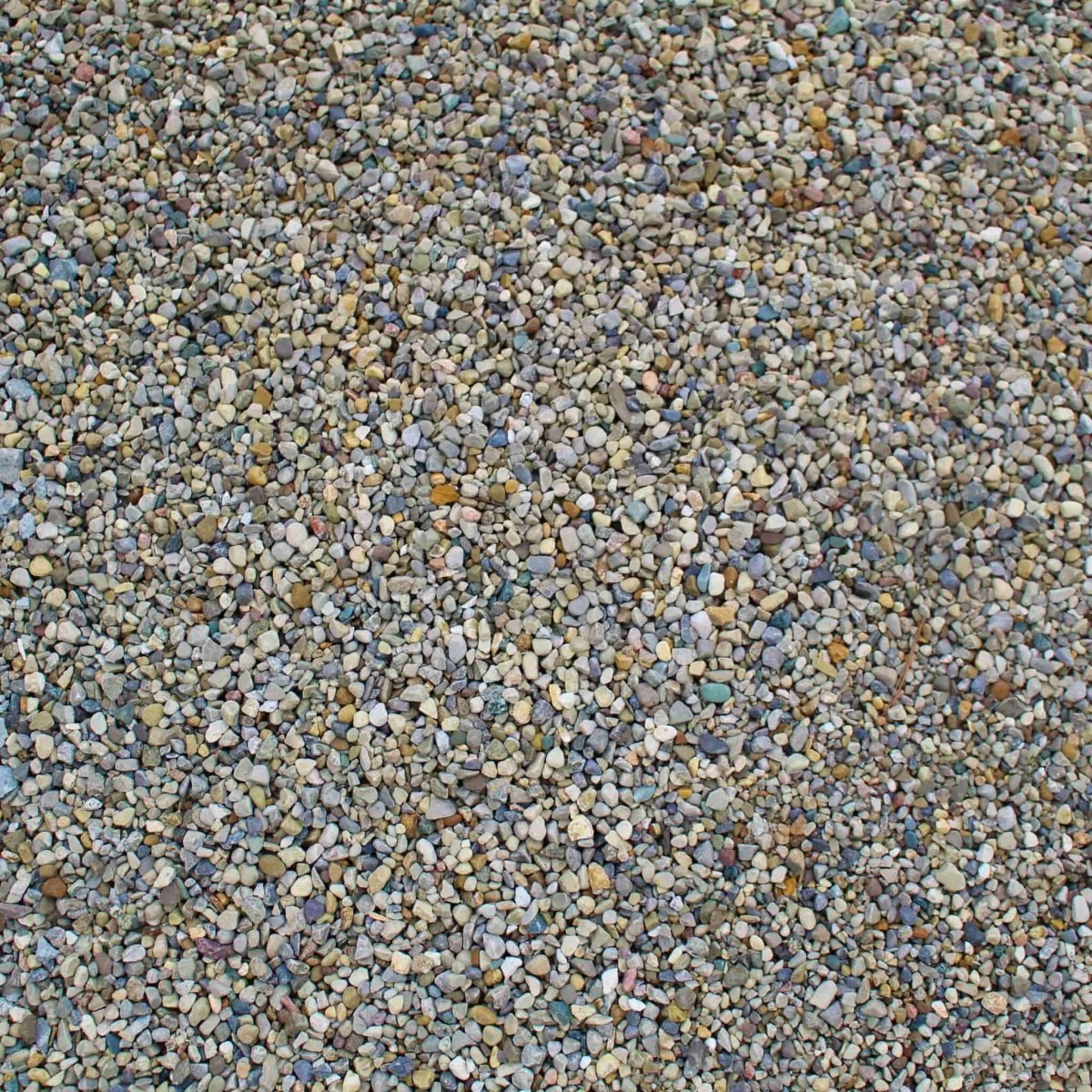
Smooth, rounded pea gravel is one of the most popular choices among Auburn homeowners for pathways, patios, and decorative ground cover. Its natural earth tones complement the traditional brick and cottage-style homes common in this part of Alabama, and its excellent drainage properties help manage runoff through heavy summer rain seasons.
Complete Your Outdoor Stone Project
Pairing stone borders or edging gravel with fresh mulch in adjacent beds gives your Auburn landscape a clean, finished look while keeping each material in its own zone during heavy rains. Adding quality topsoil to any planting areas next to your stone work ensures that plants in those zones have the root environment they need to thrive above Auburn's challenging red clay.



Service area
Areas we deliver stone and gravel in Auburn, Alabama
Mulch Mound Pro Tip
Auburn's red clay sheds water rather than absorbing it, and that runoff concentrates along foundations, fence lines, and low spots in most yards across the city. Installing a French drain or a simple gravel-filled swale using crushed stone or pea gravel channels that water toward a proper outlet before it pools against structures or in the lawn. Even a shallow 4 to 6 inch trench filled with drainage gravel can make a dramatic difference in how quickly water clears from problem areas after Auburn's heavier rain events, protecting both your foundation and surrounding turf.
Mulch Mound Pro Tip
Stone pathways in Auburn need a solid base to avoid shifting and sinking in clay soil that swells when wet and contracts when dry across the seasonal cycle. Excavate at least 4 inches below your finished grade, lay a compacted base of crusher run or dense-grade aggregate, then finish with your decorative stone on top. This two-layer approach keeps your path level and firm through Auburn's brief winter freeze cycles in December and January when shallow ground movement can otherwise cause loose stone to heave and create uneven, hazardous walking surfaces.
Mulch Mound Pro Tip
In Auburn's shaded areas under large trees where turf grass gives up from root competition and low light, a 3 inch layer of stone provides a permanent, clean-looking ground cover that never needs mowing or replanting. Unlike organic mulch, stone will not break down and thin out with Auburn's 54 inches of annual rainfall washing material into the surrounding lawn season after season. Laying quality landscape fabric underneath before installing stone under trees minimizes weed intrusion over time and keeps the area truly low-maintenance through every season of Auburn's long growing year.
The Unique Landscape of Auburn
Auburn's combination of red clay soil and 54 inches of annual rainfall creates persistent drainage and erosion challenges that decorative stone is uniquely suited to address. Pathways, dry creek beds, and stone-covered drainage swales can redirect water away from foundations and low spots that otherwise stay soggy for days after heavy rain on compacted clay. Stone also serves Auburn homeowners well as a low-maintenance ground cover in areas where turf struggles, such as the dense shade under mature oaks and pines that are common throughout the city. Unlike organic mulch, stone does not break down in Auburn's heat and humidity, meaning it holds its appearance and function season after season without annual refreshing. Whether used for aesthetics or practical drainage work, bulk stone is one of the most durable and lasting investments an Auburn homeowner can make in their landscape.