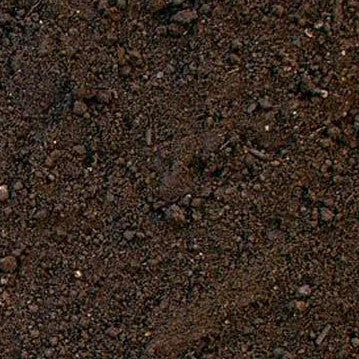
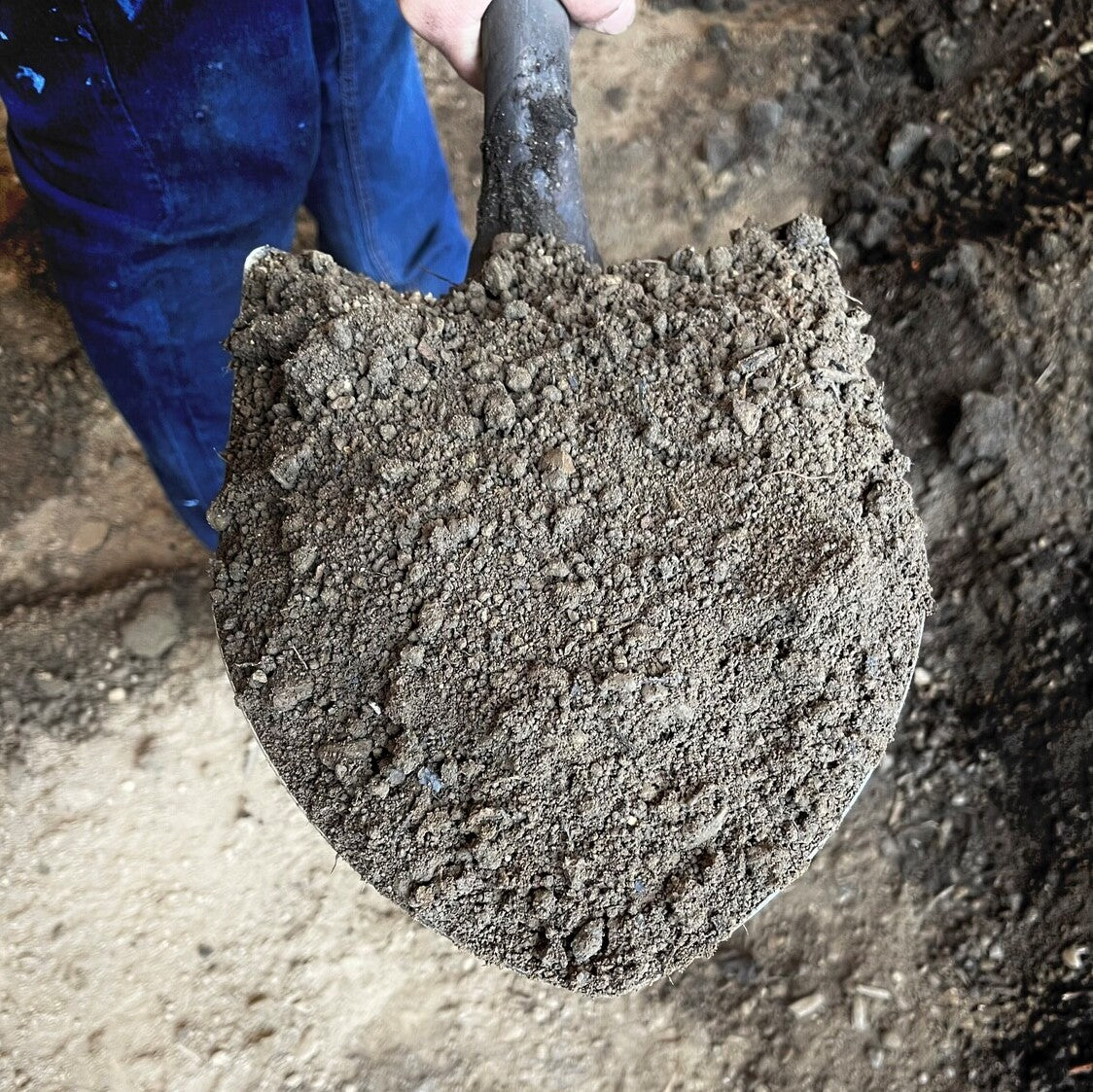
Quality topsoil for lawns, gardens, and landscape projects. Nutrient rich and ready to support strong root development and healthy plant establishment.
I used Mulch Mound to have 3 cubic yards of garden soil delivered. The process was easy and I love that I didn't have to call anyone. I placed my order online, picked my delivery date, laid out my tarp and the dirt was delivered. My delivery had to be pushed back, but I was ke...
Tell us what you're looking for
Thanks! We received your request.
Something went wrong. Please try again.
How Much Material Do I Need?
For raised beds or new garden installations over Auburn's red clay, plan on at least 10 to 12 inches of quality soil depth to give vegetables and ornamentals a productive root zone above the compacted layer. Lawn leveling typically needs only 1 to 2 inches of topdress soil worked into existing grass, but low spots near chronic drainage problem areas common in Auburn yards may require a more substantial fill and regrade.
Use our free soil calculator
What is a yard?
A yard is approximately 27 cubic feet. As a general guideline, one yard of material can cover an area of about 100-160 square feet at a 2-3 inch depth.
We can't take orders for this right now. Tell us what you need and we'll get back to you.
What do you need?
Thanks! We received your request.
Something went wrong. Please try again.
Hand-picked local yards
4,000+ regional deliveries
Dedicated support
Why order through Mulch Mound
The best local soil, without the guesswork.
We hand-pick and partner with the best yards in your region, keep only the ones our buyers rate well, and back each load with our guarantee.
Mulch Mound Guarantee
If your soil isn't the quantity or quality you ordered, we'll make it right.
About this soil
Quality topsoil for lawns, gardens, and landscape projects. Nutrient rich and ready to support strong root development and healthy plant establishment.
I used Mulch Mound to have 3 cubic yards of garden soil delivered. The process was easy and I love that I didn't have to call anyone. I placed my order online, picked my delivery date, laid out my tarp and the dirt was delivered. My delivery had to be pushed back, but I was ke...
How Much Material Do I Need?
For raised beds or new garden installations over Auburn's red clay, plan on at least 10 to 12 inches of quality soil depth to give vegetables and ornamentals a productive root zone above the compacted layer. Lawn leveling typically needs only 1 to 2 inches of topdress soil worked into existing grass, but low spots near chronic drainage problem areas common in Auburn yards may require a more substantial fill and regrade.
Use our free soil calculator
What is a yard?
A yard is approximately 27 cubic feet. As a general guideline, one yard of material can cover an area of about 100-160 square feet at a 2-3 inch depth.
I used Mulch Mound to have 3 cubic yards of garden soil delivered. The process was easy and I love that I didn't have to call anyone. I placed my o...
Read full review
I used Mulch Mound to have 3 cubic yards of garden soil delivered. The process was easy and I love that I didn't have to call anyone. I placed my order online, picked my delivery date, laid out my tarp and the dirt was delivered. My delivery had to be pushed back, but I was kept informed via text, which was great. So why not 5 stars? The description of garden soil on the website is "A balanced mix of topsoil and organic amendments ready for raised beds, flower gardens, and new planting areas. Good drainage, solid nutrients, easy to work with." What I got was more like fill dirt. It had a lot of gravel, a lot of clay, and random trash mixed in. I didn't test the soil to see if it actually had "amendments" because I already have compost and alpaca manure ready to add, but if I'd known the quality of the dirt was going to be the same as the bagged dirt I bought last year, I probably would have gotten 2 yards of top soil and a yard of leaf compost for better quality, especially since the leaf compost is cheaper. Photo of my mountain of dirt and just some of the trash I found in it.
For lawn leveling projects, map out the low spots and estimate their average depth, keeping in mind that even a half inch of settled fill across a large area of Auburn's uneven clay terrain adds up to significant volume quickly. For new garden beds, measure length by width and plan for at least 8 to 12 inches of quality soil to give roots room to grow before they hit the clay layer below. Auburn's clay is dense enough that roots stall quickly without a meaningful transition zone of improved soil above.
Soil Types We Deliver in Auburn
Auburn's heavy clay-based ground can make it tough to establish healthy lawns and gardens without bringing in quality material. We deliver bulk topsoil by the yard in Auburn, dropping off exactly the cubic yards you need right to your driveway or job site. Whether you are filling raised beds, regrading a yard, or preparing new planting areas, fresh soil delivered in bulk saves time and effort.
Screened Top Soil
A nutrient-rich topsoil that has been screened to remove rocks, clumps, and debris, leaving a clean and workable material. It blends well over Auburn's native clay to improve drainage and support strong root development. Well suited for lawns, flower beds, vegetable gardens, and general landscaping across this part of Alabama.
Complete Your Outdoor Soil Project
Once your beds are built and filled, finishing with a layer of hardwood mulch locks in moisture and keeps Auburn's frequent rains from compacting your fresh soil surface over the growing season. Adding a stone border around new garden beds also gives your project a clean finished edge while keeping soil from washing into surrounding turf during heavy downpours.
Can I just till bulk topsoil into my existing red clay or do I need to fully replace it?
Tilling new topsoil into Auburn's native clay can work for lawn areas and casual plantings, but for vegetable gardens and shrub beds it is usually more effective to excavate 8 to 12 inches and fill with quality soil rather than blending. When clay and topsoil are mixed without enough organic amendment, you can actually create a layer that holds water worse than either material on its own. For serious growing beds in Auburn, starting with a clean layer of quality soil above the clay gives roots a clear path to establish before hitting the denser material below.
Answer
How deep should new garden beds be when I am building over Auburn's clay?
For most vegetables and annual flowers, 10 to 12 inches of good soil above the clay layer gives roots enough room to develop through the bulk of their growth cycle before encountering resistance. Perennial shrubs and larger plants benefit from even more depth, ideally 18 inches, so their root systems can anchor properly through Auburn's occasional winter freeze events. Raised bed construction is popular in Auburn precisely because it sidesteps the clay issue entirely and lets you control the growing environment from the very start.
Answer
What is the best time of year to build new garden beds in Auburn?
Fall is ideal, specifically October through early November before the first frost arrives around November 15. Soil delivered and installed in fall has all winter to settle and compact naturally before your spring planting push begins after March 20. That settling period means your plants go into a stable, structured growing medium rather than freshly loosened fill that can shift and create air pockets around roots during the critical early weeks of the growing season.
Answer
I have low spots in my lawn that flood after every heavy rain in Auburn. How much soil will I need to fix them?
That is a very common issue in Auburn where red clay prevents water from draining downward, leaving it nowhere to go but pool on the surface. Measure the area of each low spot and estimate how deep the depression is, usually 2 to 4 inches in most residential yards. A light topdress of 1 to 2 inches of quality fill soil worked into the existing turf over a couple of seasons is gentler on grass than trying to fix everything at once, though severely low spots may need a more aggressive fill and regrade before reseeding.
Answer
My vegetable garden has failed for two straight seasons in Auburn's clay soil. Will adding bulk topsoil actually fix it?
It almost certainly will, because clay soil in the Auburn area creates two simultaneous problems for vegetables. It stays waterlogged long enough after rain to starve roots of oxygen, then dries out hard enough to physically restrict root penetration. Replacing the top 10 to 12 inches with quality garden soil or a raised bed mix completely removes both problems and gives you a growing environment where drainage, root access, and soil temperature all work in your favor from March through November.
Answer
Will a bulk soil delivery damage my lawn or driveway?
Our trucks are standard bulk delivery vehicles and we take care to place loads as close to the project site as safely possible. Auburn's red clay can stay soft for days after heavy rain, so if your yard has been recently saturated it is worth noting that when you schedule delivery. Driveway drop-offs are the most common approach and work well for most Auburn properties. We are happy to discuss access and placement before delivery to avoid any issues with your yard or pavement.
Answer
Should I amend bulk topsoil with anything before planting, or is it ready to use as delivered?
For lawn leveling and fill work, topsoil is generally ready to use as delivered. For garden beds where you want strong plant performance through Auburn's long zone 8b growing season, mixing in compost at roughly 20 to 30 percent by volume significantly improves moisture retention and nutrient availability. Most of Auburn sits on clay-heavy ground, and that extra organic matter makes a real difference in how quickly plants establish and begin producing from early spring through the November frost.
Mulch Mound Pro Tip
Auburn's red clay creates a perched water table effect in low spots, meaning water sits on top of the clay layer long after rain stops rather than draining downward into the soil profile. When you bring in bulk soil to fill or grade these areas, incorporate coarse organic material into the transition zone between your new soil and the clay below to help break that barrier. This encourages downward drainage rather than horizontal pooling and protects lawn and garden areas from the prolonged saturation that follows Auburn's heavier rain events.
Mulch Mound Pro Tip
The ideal time to build new garden beds in Auburn is in the fall, after the first frost around November 15 signals the end of the active growing season. Soil delivered and installed in October or early November has all winter to settle and stabilize before your spring planting push begins after March 20. Plants that go into settled, stable soil establish root systems much faster than those planted into freshly loosened fill, giving you a meaningful head start on Auburn's long and productive growing season.
Mulch Mound Pro Tip
Auburn lawns take a beating from summer afternoon storms that pound exposed clay and create ruts and depressions over time, especially in yards with hard clay just below the turf surface. When topdressing for leveling, apply soil in thin layers of no more than an inch at a time and work it into the existing grass with a rake rather than smothering it completely. Repeating the process across two or three seasons produces a much more stable and even surface than trying to correct years of settling all at once with a single heavy application.
The Unique Landscape of Auburn
Auburn sits on some of the most challenging red clay soils in Alabama, a substrate that drains poorly after heavy rain and bakes into an almost concrete-like surface during summer dry spells. Bringing in quality bulk topsoil or amended garden soil is often the only practical way to give new planting beds, raised gardens, or low spots in a lawn the growing medium they need to thrive. With a growing season that runs from the last frost around March 20 all the way to mid-November, Auburn homeowners have a long window to establish gardens and lawn areas, but only if the soil underneath actively supports root development. The city's 54 inch annual rainfall means that low-lying areas collect standing water over compacted clay, and grading those spots with proper fill soil dramatically reduces pooling and turf damage. Whether you are building a vegetable garden, leveling a bumpy yard, or establishing new landscape beds, starting with the right soil base makes every other effort far more effective.