





Delivery was smooth and on time!
The triple shredded mulch was great quality and just what we were looking for.
About this mulch
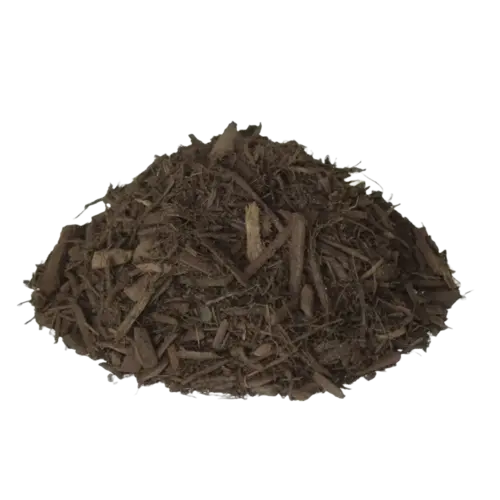
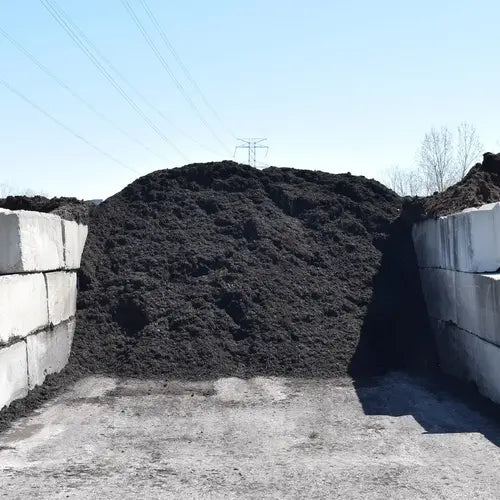
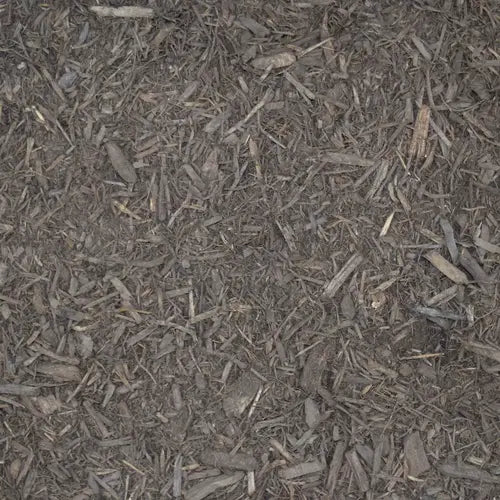
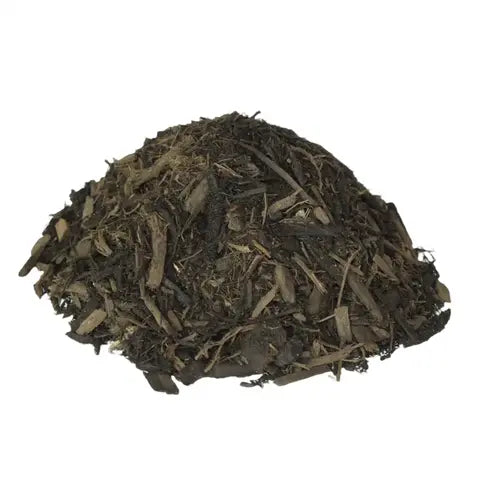
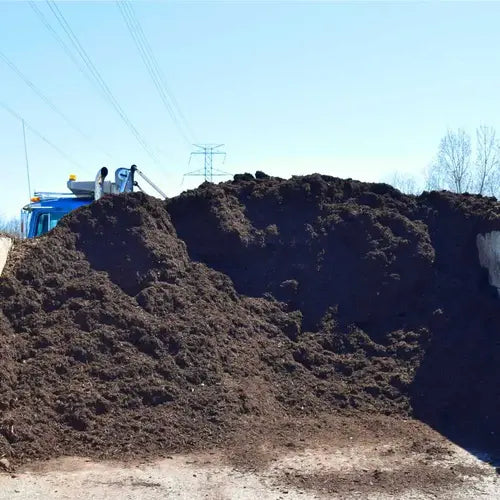
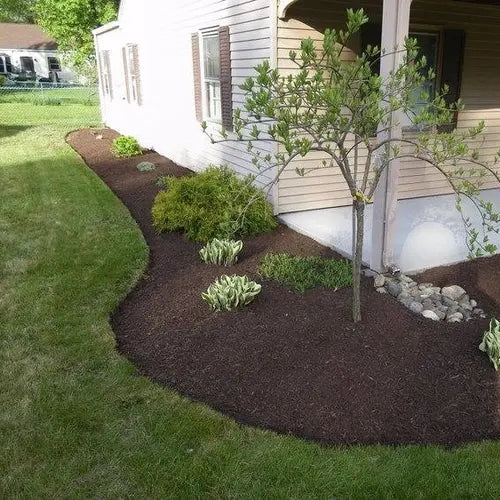
Warm brown double shredded mulch with lasting color that looks freshly applied for weeks. Spreads smooth, stays put, and gives beds a natural, polished appearance.
Delivery was smooth and on time!
The triple shredded mulch was great quality and just what we were looking for.
Tell us what you're looking for
Thanks! We received your request.
Something went wrong. Please try again.
How Much Material Do I Need?
How Much Material Do I Need?
A 3-inch layer is the standard recommendation for Augusta landscapes with sandy loam soil, as this depth provides meaningful moisture retention and weed suppression through the full growing season. For tree rings or larger naturalized areas, a 4-inch layer can extend the time between re-applications.
Use our free mulch calculator
What is a yard?
What is a yard?
FAQs
FAQs
Augusta Mulch Delivery
Augusta Mulch Delivery
Regular price
$64.00
per
yard
Regular price
Sale price
$64.00
Unit price
per
Shipping calculated at checkout.
Minimum of 3 yard
Couldn't load pickup availability
Not currently available
We can't take orders for this right now. Tell us what you need and we'll get back to you.
Hand-picked local yards
4,000+ regional deliveries
Dedicated support
Why order through Mulch Mound
The best local mulch, without the guesswork.
We hand-pick and partner with the best yards in your region, keep only the ones our buyers rate well, and back each load with our guarantee.
Mulch Mound Guarantee
If your mulch isn't the quantity or quality you ordered, we'll make it right.
About this mulch
Warm brown double shredded mulch with lasting color that looks freshly applied for weeks. Spreads smooth, stays put, and gives beds a natural, polished appearance.
Delivery was smooth and on time!
The triple shredded mulch was great quality and just what we were looking for.
How Much Material Do I Need?
How Much Material Do I Need?
A 3-inch layer is the standard recommendation for Augusta landscapes with sandy loam soil, as this depth provides meaningful moisture retention and weed suppression through the full growing season. For tree rings or larger naturalized areas, a 4-inch layer can extend the time between re-applications.
Use our free mulch calculator
What is a yard?
What is a yard?
FAQs
FAQs
Tell us what you're looking for
Thanks! We received your request.
Something went wrong. Please try again.

How It Works
Getting started is easy — just follow these simple steps
1
Choose your Mulch
Make sure you adjust the quantity to your home's needs. You can use our calculator to estimate how much you'll need.
2
Select your delivery date
Select a delivery date you'd like for the product to be dropped off at your home
3
Sit back and wait
Sit back, wait, and let us work our magic to make sure the highest quality product is delivered to your driveway.

Great experience with mulch mound. Their online calculator made it easy to estimate how many yards of mulch I needed and delivery was quick. I woul...
Read full review
Great experience with mulch mound. Their online calculator made it easy to estimate how many yards of mulch I needed and delivery was quick. I would definitely recommend them for your future projects.

We needed mulch for our HOA common areas. Local providers were all holding high prices even for 40 yards of mulch. Mulch mound was easy to wowith...
Read full review
We needed mulch for our HOA common areas. Local providers were all holding high prices even for 40 yards of mulch. Mulch mound was easy to wowith & has great price for natural mulch + delivery schedule options. They called before delivery to ensure Delivery was exactly where we wanted it.
Calculate mulch for your Augusta project
For Augusta's Sandy Loam type of soil, we recommend 2-3 inches for best weed suppression and moisture retention
Try Our CalculatorMeasure the length and width of each bed area in feet and multiply to get square footage. For Augusta's sandy loam soil, plan for a full 3-inch depth to compensate for the faster drainage and drying that comes with this soil type. Add up all your bed areas and use our calculator to convert total square footage into cubic yards so your order covers everything in one delivery.

Best Mulch Choice for Augusta Lawns
Most yards in the Augusta area sit on Sandy Loam type of soil. Augusta's sandy loam soil has a naturally loose structure that releases moisture quickly, which means plant beds are prone to drying out between rain events even in a relatively wet year like this region typically sees.
Hardwood Mulch
Hardwood mulch helps counteract sandy loam's low organic matter content by slowly releasing decomposed material into the soil surface, which gradually improves the soil's water-holding capacity and nutrient retention in Augusta beds over multiple seasons of consistent application.
Mulch Types We Deliver in Augusta
Mulch Mound delivers bulk mulch by the cubic yard straight to homes and properties across central Maine. Whether you are refreshing garden beds after a long winter or starting a new landscape project, bulk mulch delivery in Augusta makes it easy to get the right amount without the hassle of hauling bags. We carry a focused selection of quality varieties to suit the region's wooded character and varied soil conditions.
Dyed Black Mulch
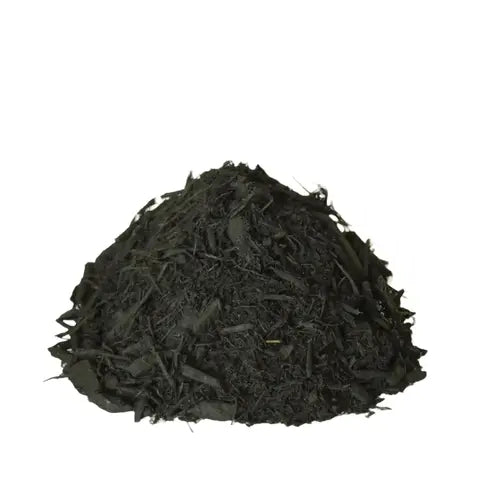
Dyed black double shredded mulch brings a sharp, modern contrast to flower beds and foundation plantings. The bold color holds through Maine's wet springs and humid summers without fading fast, making it a top choice for homeowners who want beds that stay polished with minimal upkeep between seasons.
Dyed Brown Mulch
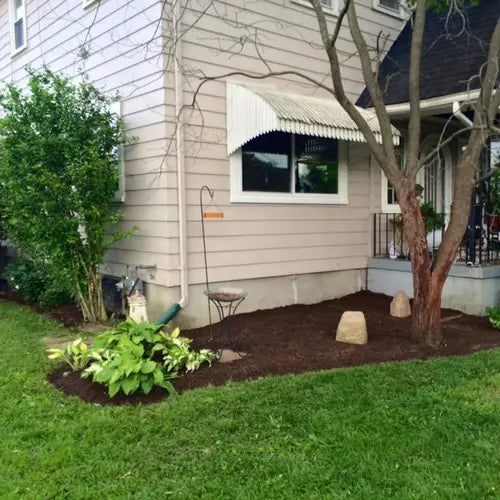
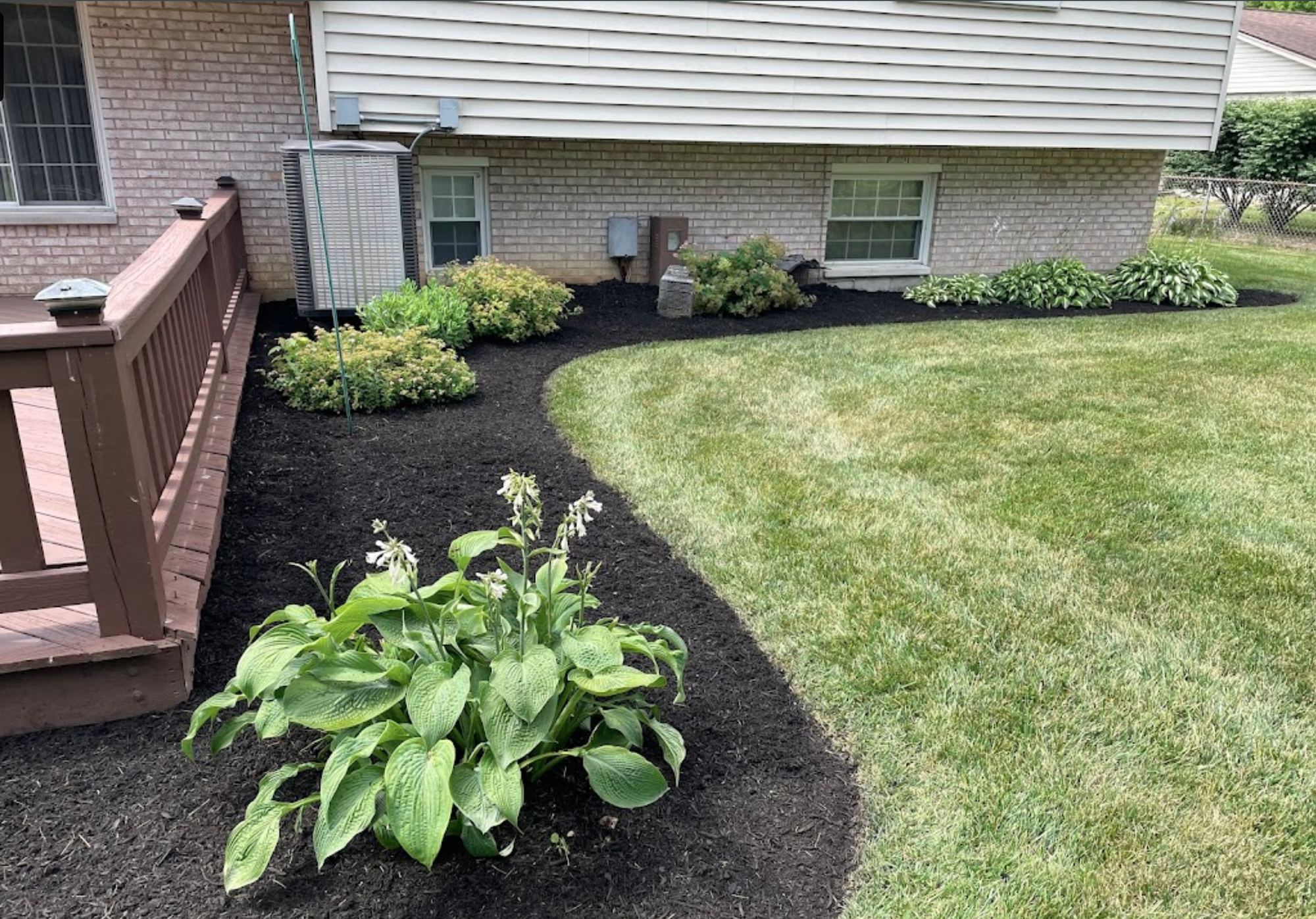
Warm brown double shredded mulch suits the earthy tones found in central Maine's wooded landscapes and traditional cape and colonial homes. The lasting color looks freshly applied for weeks after spreading, giving garden beds a clean, natural appearance that complements both new plantings and established perennial gardens.
Natural Brown Mulch
Undyed double shredded mulch delivers a genuine wood tone that blends with the mixed hardwood surroundings common across this part of Maine. A good fit for gardeners who prefer no added colorants near vegetable beds or native plantings, it spreads smoothly and breaks down to enrich the region's acidic soil.
Complete Your Outdoor Mulch Project
If your beds need a nutrient boost before mulching, pairing with bulk garden soil can help build up the organic content that Augusta's sandy loam often lacks on its own. Decorative stone from our inventory also works well along bed borders and pathways to frame your mulched areas and reduce edge maintenance.


Mulch Mound Pro Tip
Augusta's freeze-thaw cycle in late winter, often running from February through mid-March, can physically displace soil and heave plant crowns out of the ground. Keeping a full 3-inch mulch layer in place through the winter acts as a buffer that moderates soil temperature swings. Do not strip your mulch in fall. Let it sit through the season and simply rake it back to check soil warmth before planting in spring.
Mulch Mound Pro Tip
Sandy loam soil in Augusta drains well, but that means fertilizers and soil amendments can leach away quickly after heavy rain. Applying mulch after you fertilize your beds helps slow water movement through the surface layer and gives nutrients more contact time before they wash below the root zone. This is especially useful after the heavier rain events Augusta typically sees from April through June.
Mulch Mound Pro Tip
With Augusta receiving about 45 inches of rain per year, mulch plays a dual role that homeowners sometimes overlook. It slows runoff from heavy storms and reduces erosion in sloped beds, and it also prevents the hard surface crust that can form on sandy loam after repeated rain-dry cycles. Both effects mean your beds stay more workable and your plants stay less stressed throughout the entire growing season.
The Unique Landscape of Augusta
Augusta's sandy loam soil drains quickly, which means plant beds can dry out surprisingly fast during summer heat even with the region's 45 inches of annual rainfall. A proper layer of mulch slows surface evaporation and gives roots more consistent moisture between rain events. Zone 5b winters bring hard freezes well before the October 8 average first frost, so mulch also acts as a critical insulating layer that protects shallow root systems from temperature swings. Without mulch coverage, Augusta's freeze-thaw cycles through late winter and early spring can heave soil and expose feeder roots to damaging cold. Keeping beds covered year-round is one of the most practical and cost-effective maintenance habits any Augusta homeowner can build into their landscape routine.