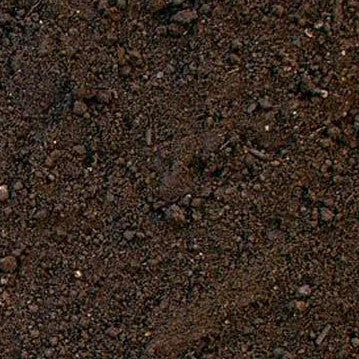
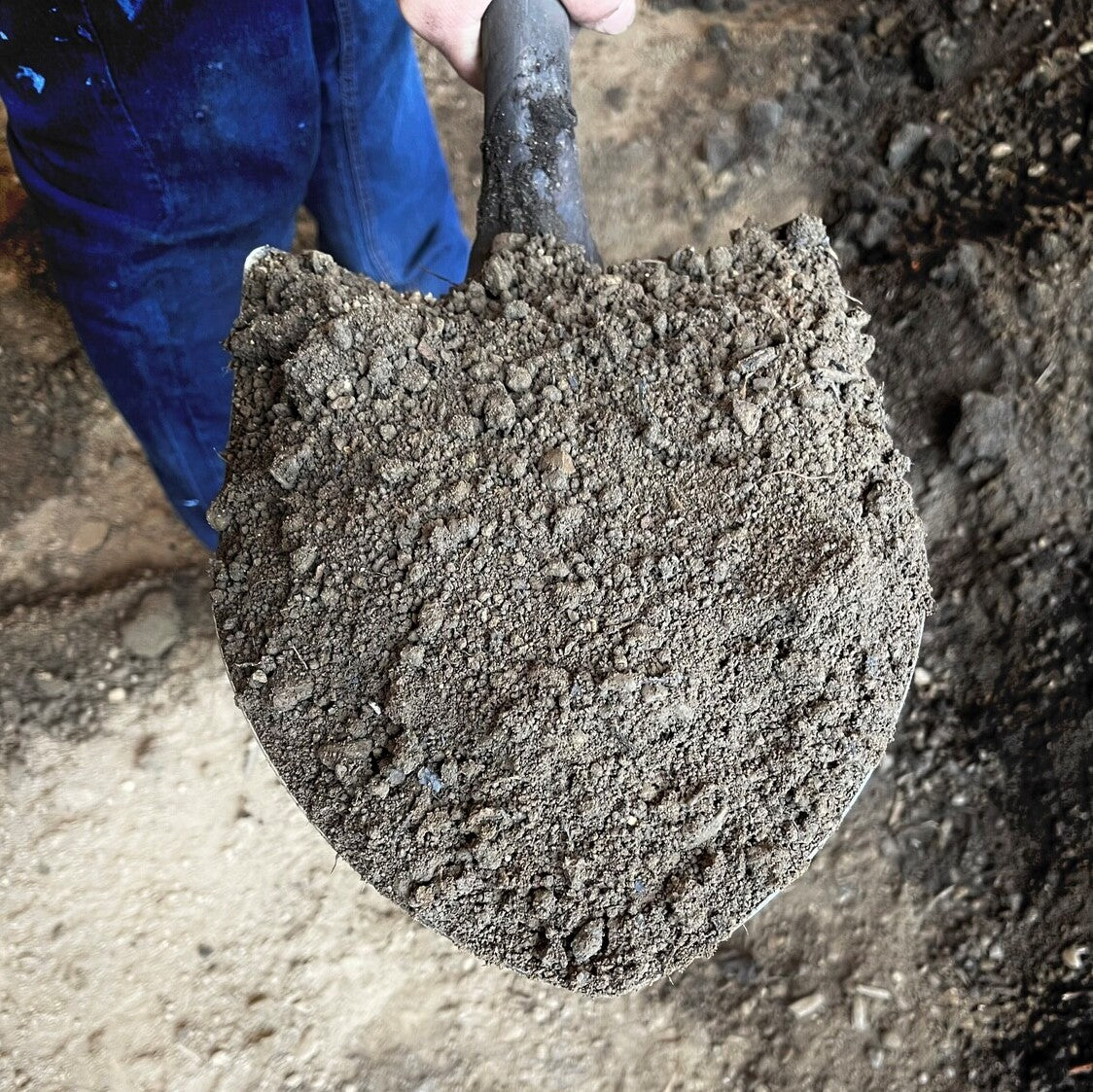
Quality topsoil for lawns, gardens, and landscape projects. Nutrient rich and ready to support strong root development and healthy plant establishment.
Great experience - not only was this the most affordable option for dirt delivery in Cleveland heights, but the delivery was fast and friendly. Got exactly what I needed and the truck got as close as possible to where I needed the dirt - even in my cramped driveway. Will be us...
Tell us what you're looking for
Thanks! We received your request.
Something went wrong. Please try again.
How Much Material Do I Need?
For garden beds and raised plantings in Augusta, a minimum of 6 inches of quality soil gives roots enough growing medium before hitting the less fertile sandy loam below. Lawn leveling and overseeding projects typically require just a half-inch to 1-inch layer of screened topsoil spread evenly across the repair area.
Use our free soil calculator
What is a yard?
A yard is approximately 27 cubic feet. As a general guideline, one yard of material can cover an area of about 100-160 square feet at a 2-3 inch depth.
We can't take orders for this right now. Tell us what you need and we'll get back to you.
What do you need?
Thanks! We received your request.
Something went wrong. Please try again.
Hand-picked local yards
4,000+ regional deliveries
Dedicated support
Why order through Mulch Mound
The best local soil, without the guesswork.
We hand-pick and partner with the best yards in your region, keep only the ones our buyers rate well, and back each load with our guarantee.
Mulch Mound Guarantee
If your soil isn't the quantity or quality you ordered, we'll make it right.
About this soil
Quality topsoil for lawns, gardens, and landscape projects. Nutrient rich and ready to support strong root development and healthy plant establishment.
Great experience - not only was this the most affordable option for dirt delivery in Cleveland heights, but the delivery was fast and friendly. Got exactly what I needed and the truck got as close as possible to where I needed the dirt - even in my cramped driveway. Will be us...
How Much Material Do I Need?
For garden beds and raised plantings in Augusta, a minimum of 6 inches of quality soil gives roots enough growing medium before hitting the less fertile sandy loam below. Lawn leveling and overseeding projects typically require just a half-inch to 1-inch layer of screened topsoil spread evenly across the repair area.
Use our free soil calculator
What is a yard?
A yard is approximately 27 cubic feet. As a general guideline, one yard of material can cover an area of about 100-160 square feet at a 2-3 inch depth.
Great experience - not only was this the most affordable option for dirt delivery in Cleveland heights, but the delivery was fast and friendly. Got...
Read full review
Great experience - not only was this the most affordable option for dirt delivery in Cleveland heights, but the delivery was fast and friendly. Got exactly what I needed and the truck got as close as possible to where I needed the dirt - even in my cramped driveway. Will be using again and recommending to my neighbors.
Measure the length and width of each area you plan to fill in feet, estimate the depth you need in inches, and divide that depth by 12 to convert it to feet. Multiply all three dimensions together to get cubic feet, then divide by 27 to get cubic yards. In Augusta, most garden bed installations benefit from a minimum of 6 inches of added quality soil, so factor that depth into your calculations from the start.
Soil Types We Deliver in Augusta
Mulch Mound delivers bulk soil by the cubic yard straight to properties across Augusta, Maine, saving you the hassle of hauling materials yourself. Whether you are filling raised beds, grading a lawn, or preparing a new planting area, having the right soil delivered makes the job faster and more consistent. If you have been searching for bulk topsoil by the yard in Augusta, we have you covered with quality material and dependable scheduling.
Screened Top Soil
Our screened topsoil is run through a fine screen to remove rocks, roots, and clumps, leaving a clean and workable product. It is nutrient rich and ready to support strong root development and healthy plant establishment, making it a dependable choice for Augusta homeowners improving lawns, filling garden beds, or tackling larger grading projects in Maine's relatively short growing season.
Complete Your Outdoor Soil Project
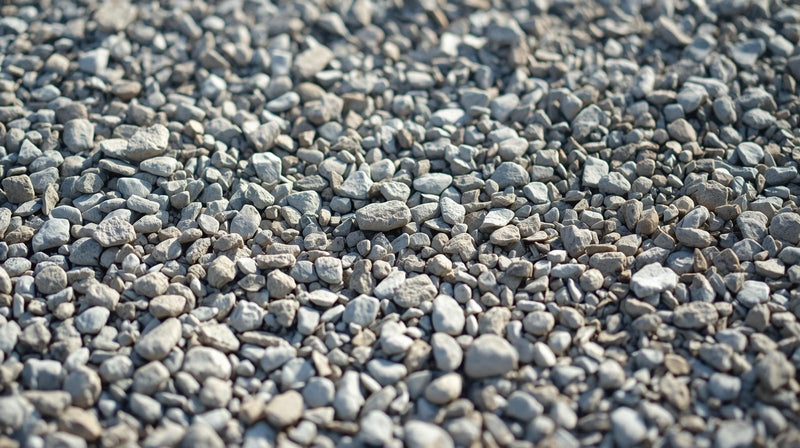
Adding a layer of bulk mulch over your new soil installation protects the surface from drying out during Augusta's summer dry spells and reduces erosion during heavy spring rain events. Crushed stone or drainage gravel can also improve water movement in areas where regrading alone is not enough to redirect flow away from structures.
Can I just amend my existing Augusta sandy loam instead of bringing in bulk soil?
For small garden patches, amendment can work, but Augusta's sandy loam has structural limits. No matter how much compost you work in, you cannot change the fundamental texture and drainage behavior quickly. For raised beds, new lawn areas, or any project requiring 4 or more inches of good growing medium, bulk soil is a faster and more reliable solution that pays off by the end of the first season.
Answer
What type of soil works best for vegetable gardens in Augusta?
A screened, enriched garden mix that blends topsoil with composted organic material is the best choice for Augusta vegetable gardens. The added organic matter compensates for the low humus content in the native sandy loam and gives plants the moisture retention and nutrients they need to produce well in Augusta's May through early October growing window.
Answer
How much topsoil should I add when leveling a lawn in Augusta?
For overseeding and filling low spots, a quarter to half inch of screened topsoil is enough to support seed germination and smooth out the surface. For full new lawn installations, plan on 4 to 6 inches of quality topsoil. Augusta's sandy loam base is not a bad starting point structurally, but new grass establishes faster and stays healthier through the summer with a deeper, richer growing layer beneath it.
Answer
When is the best time to work bulk soil into my Augusta yard?
Late April through mid-May is ideal for most soil installation projects in Augusta. The ground is fully thawed after winter, the last frost is typically behind you by May 1, and you have the entire growing season ahead to let new plantings establish. Fall installs in September also work well, giving soil time to settle and partially decompose before the ground freezes in late October.
Answer
Will adding bulk soil help fix the drainage problems in the low areas of my Augusta yard?
Bulk soil can help reshape grading and redirect surface water away from problem areas. In Augusta, where 45 inches of annual rain includes significant spring and fall precipitation, proper grading is a genuine concern for many homeowners. However, if you have a chronic standing water issue, pairing soil regrading with a crushed stone drainage layer underneath will give you more reliable long-term results.
Answer
How do I know if a soil product is actually right for my raised beds in Augusta?
For raised beds in Augusta, you want a mix that is light enough to drain well but rich enough to hold moisture through dry summer stretches. Look for a blend that includes screened topsoil and composted organic material. Avoid pure fill or subsoil products for raised beds, as they compact easily and lack the biological activity that supports productive vegetable growing in Augusta's zone 5b climate.
Answer
Can I use bulk soil to fill in around new foundation plantings after construction?
Yes, and it is a very good practice. Soil near foundations in Augusta is often disturbed, compacted, or backfilled with poor-quality material during construction. Bringing in screened topsoil to fill planting areas around your home gives new shrubs and perennials a much better start than trying to establish them in compacted subsoil or construction debris mixed into the native sandy loam.
Mulch Mound Pro Tip
Augusta's growing season is tight. From last frost around May 1 to first frost around October 8, you have roughly 22 weeks to get plants established and productive. Installing quality soil early in spring, before planting, gives roots a head start they cannot get if you are still amending and preparing beds in late May. Order and install soil in late April to make the most of every available week in the season.
Mulch Mound Pro Tip
Sandy loam drains fast, which means water-soluble nutrients can leach below the root zone after heavy rain. When you install bulk garden soil, consider working in a slow-release granular fertilizer at the same time. This gives your new plantings a steady nutrient source that will not wash away after the first few spring storms Augusta typically sees in May and June.
Mulch Mound Pro Tip
If you are building raised beds in Augusta, the elevated structure and air exposure mean the soil warms up faster in spring but also loses moisture more quickly in summer. Choose a soil mix with a higher organic matter percentage for raised beds than you would use for in-ground planting. That extra compost content helps hold water longer during August dry stretches when rainfall totals can dip below the seasonal average.
The Unique Landscape of Augusta
Augusta's native sandy loam soil is workable and well-drained, but it lacks the organic matter and nutrient density that vegetable gardens, raised beds, and new lawn installations demand. When topsoil is stripped during grading or excavation, what gets left behind is often a thin, nutrient-poor layer that struggles to support healthy plant growth through Augusta's growing season. Bulk topsoil and garden soil deliveries let you build planting areas up to a depth that makes a real difference in a zone 5b climate where the window from last frost to first frost runs roughly May 1 through October 8. Investing in quality bulk soil means your plants spend less energy fighting poor substrate and more energy producing roots, foliage, and yield. Whether you are starting a new lawn, building raised beds, or repairing graded areas after construction, the right soil volume is the foundation every Augusta landscape project needs.