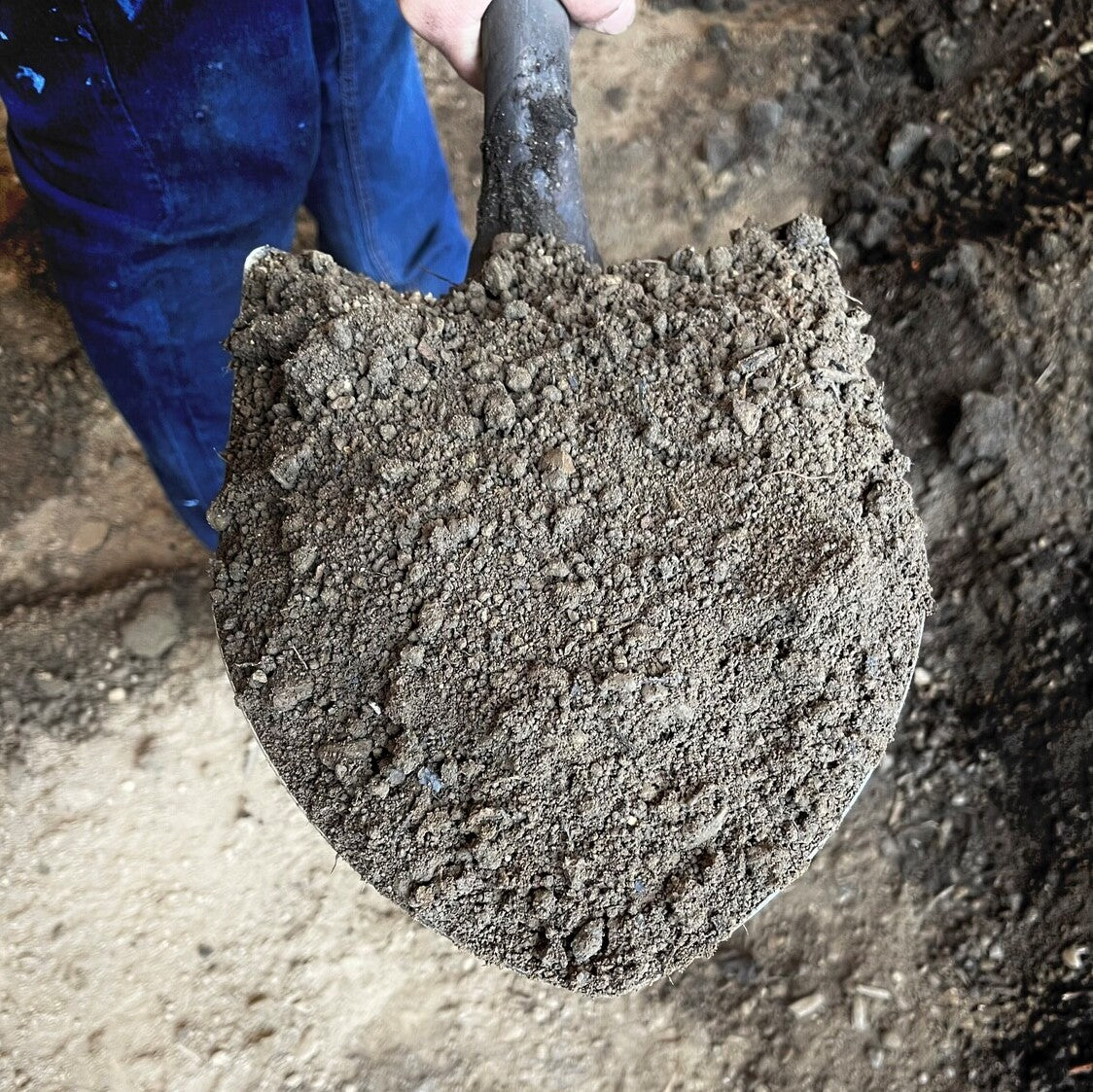
Quality topsoil for lawns, gardens, and landscape projects. Nutrient rich and ready to support strong root development and healthy plant establishment.
Ordered the planting mix with an early Saturday delivery. Super easy ordering experience. Dirt was delivered on time and delivery driver was kind enough to let us know I would take up more room than we though so we could pull cars out of the garage. Will be ordering again
Tell us what you're looking for
Thanks! We received your request.
Something went wrong. Please try again.
How Much Material Do I Need?
For topdressing Bangor lawns, a half-inch to one-inch depth is sufficient to improve the native silt loam without smothering existing turf grass. For new garden beds or raised growing areas in Bangor, plan on 6 to 12 inches of fill depth depending on what you are planting and how deep the existing root zone needs to be.
Use our free soil calculator
What is a yard?
A yard is approximately 27 cubic feet. As a general guideline, one yard of material can cover an area of about 100-160 square feet at a 2-3 inch depth.
We can't take orders for this right now. Tell us what you need and we'll get back to you.
What do you need?
Thanks! We received your request.
Something went wrong. Please try again.
Hand-picked local yards
4,000+ regional deliveries
Dedicated support
Why order through Mulch Mound
The best local soil, without the guesswork.
We hand-pick and partner with the best yards in your region, keep only the ones our buyers rate well, and back each load with our guarantee.
Mulch Mound Guarantee
If your soil isn't the quantity or quality you ordered, we'll make it right.
About this soil
Quality topsoil for lawns, gardens, and landscape projects. Nutrient rich and ready to support strong root development and healthy plant establishment.
Ordered the planting mix with an early Saturday delivery. Super easy ordering experience. Dirt was delivered on time and delivery driver was kind enough to let us know I would take up more room than we though so we could pull cars out of the garage. Will be ordering again
How Much Material Do I Need?
For topdressing Bangor lawns, a half-inch to one-inch depth is sufficient to improve the native silt loam without smothering existing turf grass. For new garden beds or raised growing areas in Bangor, plan on 6 to 12 inches of fill depth depending on what you are planting and how deep the existing root zone needs to be.
Use our free soil calculator
What is a yard?
A yard is approximately 27 cubic feet. As a general guideline, one yard of material can cover an area of about 100-160 square feet at a 2-3 inch depth.
Ordered the planting mix with an early Saturday delivery. Super easy ordering experience. Dirt was delivered on time and delivery driver was kind e...
Read full review
Ordered the planting mix with an early Saturday delivery. Super easy ordering experience. Dirt was delivered on time and delivery driver was kind enough to let us know I would take up more room than we though so we could pull cars out of the garage. Will be ordering again
For soil calculations, multiply your coverage area's length by its width in feet, then multiply by the depth in feet (0.5 feet equals a 6-inch layer), and divide the result by 27 to convert cubic feet to cubic yards. In Bangor, where lawns often have gentle natural grades from the local terrain, walk the perimeter and take width measurements at several points to capture any irregular shapes accurately. Ordering 10 percent extra is a good practice since Bangor's silt loam settles noticeably after the first several rain events of the season.
Soil Types We Deliver in Bangor
Bangor's short growing season and rocky native soil make a quality bulk soil delivery an important first step for any yard or garden project. We deliver screened topsoil by the cubic yard in Bangor, dropped right where you need it so you can get planting without delay. Whether you are filling raised beds, grading a lawn, or establishing new plantings, we bring the material to you in the quantities your project actually requires.
Screened Top Soil
A clean, nutrient-rich topsoil screened to remove rocks, roots, and debris, making it easy to spread and grade. It suits Maine homeowners filling thin or compacted lawn areas, building up garden beds, or supporting new plantings that need a strong, healthy start in our cool northern climate.
Complete Your Outdoor Soil Project
After your soil is graded and in place, top new planting beds with a layer of bulk mulch to protect the fresh soil from Bangor's spring rain impact and hold in the warmth plants need to establish. Add decorative stone borders around bed edges to keep soil from washing out during the heavy rain events that arrive throughout the growing season.
Can I use bulk soil to fix the low spots in my Bangor lawn that collect standing water every spring?
Yes, and it is one of the most common uses for bulk soil among Bangor homeowners. Our wet springs, which deliver a significant portion of our 42 inches of annual rainfall in a short period, reveal low spots that pond and stay soggy for days at a time. Topdressing those areas with a quality loam mix in late May raises the grade gradually and improves drainage without having to re-seed the entire lawn from scratch.
Answer
How deep should a raised vegetable bed be if I am filling it with bulk soil in Bangor?
For growing vegetables in Bangor's zone 5a climate, aim for at least 12 inches of quality soil in a raised bed. Our growing season runs roughly from mid-May through early October, and plants like tomatoes, peppers, and squash need enough root depth to establish quickly and produce well within that compressed window. A deeper soil fill also insulates root zones against the late spring cold snaps that can occur right around Bangor's May 9 last frost date.
Answer
How does bulk soil help with compaction in Bangor yards that have been through years of use?
Bangor's native silt loam compacts readily after construction activity, heavy equipment use, or even years of regular foot traffic across a lawn. Spreading a loose blended bulk soil over compacted areas and tilling it into the top few inches breaks up the hard layer and restores the pore space that roots and water both need to move freely. This is especially effective in early spring when Bangor's soil is moist and workable before the drier summer months make it harder to till.
Answer
When should I schedule a soil delivery for spring lawn and garden work in Bangor?
Target the first two weeks of May for most lawn grading and topdressing projects in Bangor. The soil is fully thawed and workable by then, and you are close enough to the May 9 last frost date that new grass seed will have the soil warmth it needs to germinate quickly. Scheduling too early in April risks working in frozen or waterlogged ground that is still saturated from snowmelt and late-season frost events.
Answer
Is bulk soil the right material for re-grading around my Bangor home's foundation?
Bulk soil works well for re-grading around foundations in Bangor, where native silt loam can settle over time and create low spots that direct water back toward the house. You want to establish a slope that falls away from the foundation at roughly 6 inches of drop over the first 10 feet from the structure. Use a firmer fill material for the base layer and top it with loam if you plan to establish grass, since Bangor's consistent rainfall will settle any fill material noticeably over the first season.
Answer
Can I blend bulk soil into my existing Bangor lawn soil to improve it without replacing everything?
This is a practical and cost-effective approach for large lawn areas in Bangor. Spread a half-inch to one-inch layer of quality bulk soil over your existing lawn in late spring and rake it into the grass so it makes contact with the soil surface below. Bangor's summer rainfall will work it down further into the turf, and the added organic content and improved structure will show up as thicker, more deeply rooted grass by the time fall arrives.
Answer
How do I calculate how much bulk soil I need for a new planting bed in Bangor?
For a standard in-ground garden bed in Bangor, plan on 6 to 8 inches of quality soil tilled into or layered over the native silt loam. This depth gives annual and perennial plants enough loose growing medium to establish well before Bangor's first frost on October 7 and return stronger the following spring. Multiply your bed's length by width in feet, then multiply by your depth in feet, and divide by 27 to get the cubic yard quantity you need.
Mulch Mound Pro Tip
When your bulk soil delivery arrives in Bangor, spread it within a few days rather than letting it sit in a large pile for an extended period. Piled soil heats up and can dry out faster than expected, especially during Bangor's warmer stretches in July and August. Spreading and lightly watering the soil right away also lets it begin settling into your lawn or bed before you plant, giving you a more accurate final grade to work with.
Mulch Mound Pro Tip
Bangor's silt loam has decent natural fertility but tends to lack the organic matter content that highly productive garden beds need for consistent results. When you are using bulk soil to build or refresh a planting bed, incorporate a few inches of compost into the mix before your first planting. This combination gives your zone 5a plants the nutrient availability and soil biology they need to take advantage of the full growing season that runs between May and October.
Mulch Mound Pro Tip
If you are grading soil around your Bangor property, pay close attention to areas along the north and east sides of your home where shade and slower snowmelt leave the ground saturated the longest each spring. These areas benefit from a slightly higher final grade that encourages water to move away from the structure, and a layer of gravel beneath the soil in particularly wet spots can further improve drainage in areas that historically stay soft and soggy well into May.
The Unique Landscape of Bangor
Bangor's native silt loam is workable and moderately fertile, but it compacts readily under foot traffic, equipment use, and the repeated freeze-thaw cycles that define every Maine winter in zone 5a. When you are grading a lawn, filling raised beds, or correcting the low spots that collect standing water after Bangor's frequent spring rains, the quality of imported soil makes a lasting difference in how your landscape performs. Many Bangor properties also have areas where topsoil was stripped or disturbed during construction, leaving behind compacted subsoil that drains poorly and struggles to support healthy grass or plant growth without amendment. Bulk soil lets you establish the right depth and composition for raised vegetable beds that need loose, nutrient-rich growing conditions to produce well within our relatively short growing window between May 9 and October 7. Whether you are establishing a new lawn after a renovation or refreshing depleted planting beds, starting with quality bulk soil gives every plant the foundation it needs to make the most of Bangor's growing season.