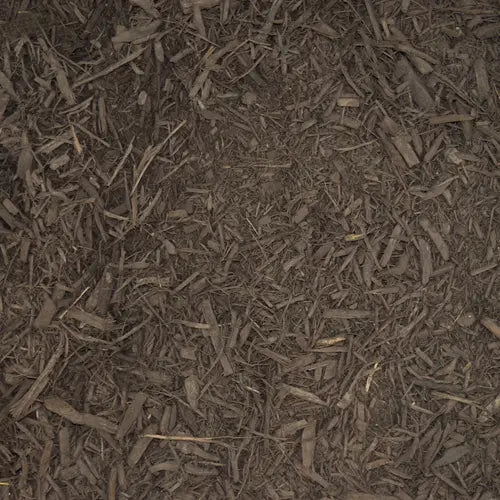
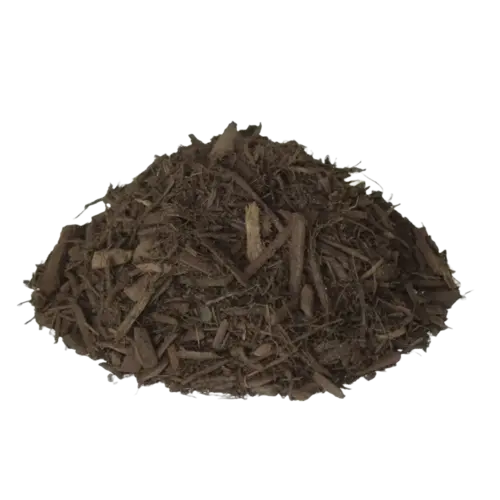
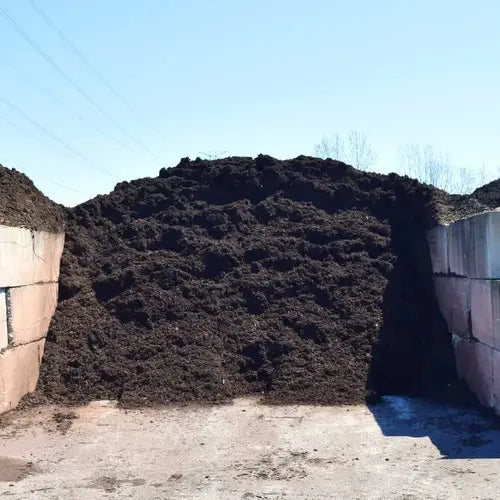
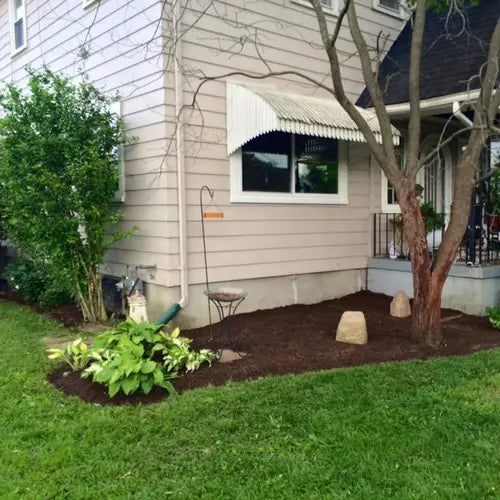
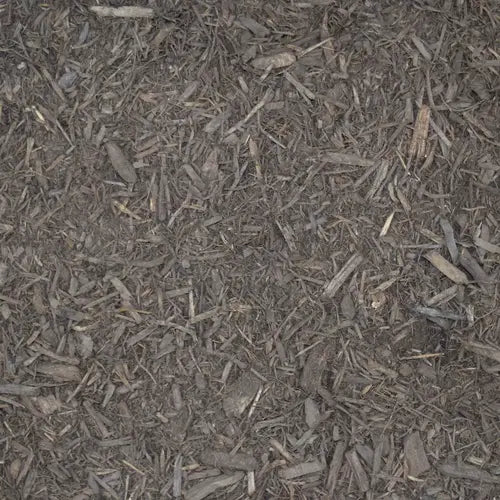
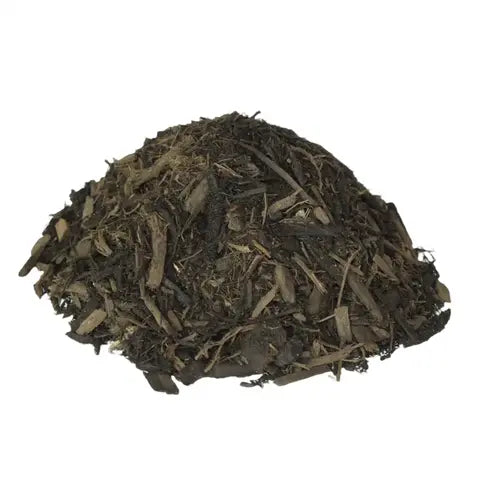
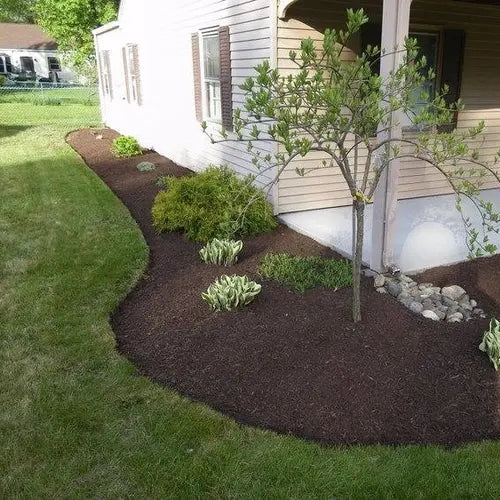
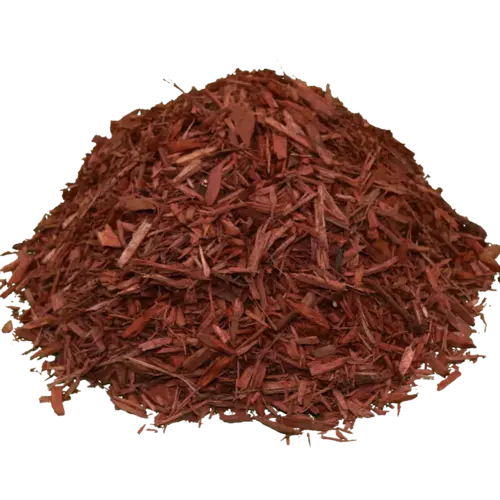
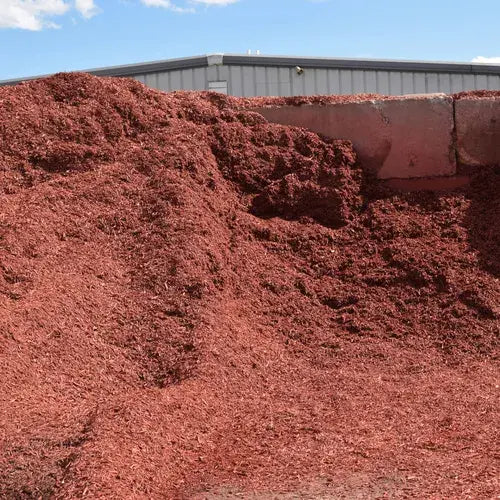
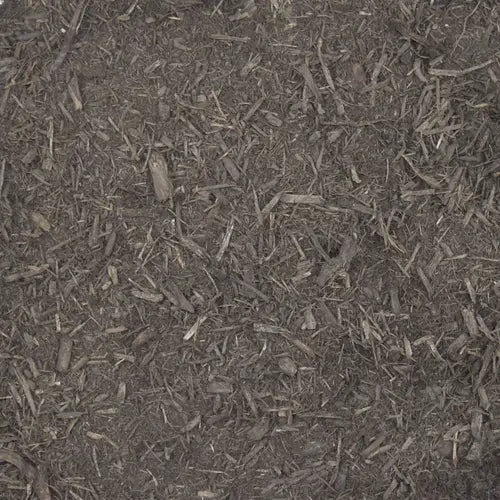
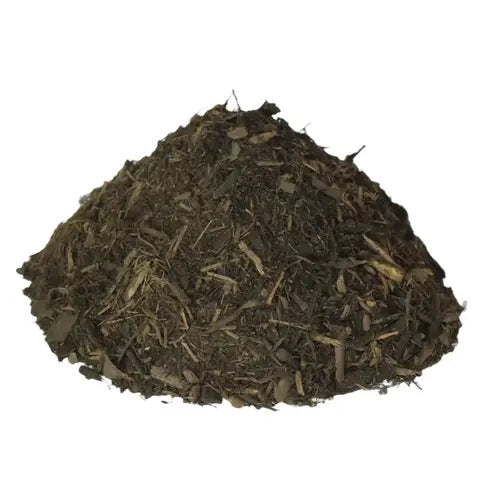
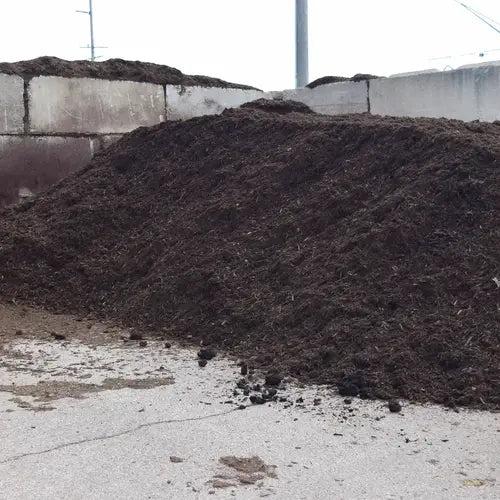
Warm brown double shredded mulch with lasting color that looks freshly applied for weeks. Spreads smooth, stays put, and gives beds a natural, polished appearance.
Mulch Mound made it so easy! So happy with the pricing, turn around time, delivery and product. I submitted my online order on a Thursday. The mulch was delivered to the designated location by a local landscape company at 8:30 a.m. the following Saturday morning. We had the...
Tell us what you're looking for
Thanks! We received your request.
Something went wrong. Please try again.
How Much Material Do I Need?
For Beachwood's fast-draining sandy loam beds, aim for a consistent 3-inch depth across all planting areas to meaningfully slow moisture loss between rainfalls. One cubic yard of mulch covers approximately 100 square feet at that depth, making it straightforward to calculate how many yards your beds require.
Use our free mulch calculator
What is a yard?
A yard is approximately 27 cubic feet. As a general guideline, one yard of material can cover an area of about 100-160 square feet at a 2-3 inch depth.
We can't take orders for this right now. Tell us what you need and we'll get back to you.
What do you need?
Thanks! We received your request.
Something went wrong. Please try again.
Hand-picked local yards
4,000+ regional deliveries
Dedicated support
Why order through Mulch Mound
The best local mulch, without the guesswork.
We hand-pick and partner with the best yards in your region, keep only the ones our buyers rate well, and back each load with our guarantee.
Mulch Mound Guarantee
If your mulch isn't the quantity or quality you ordered, we'll make it right.
About this mulch
Warm brown double shredded mulch with lasting color that looks freshly applied for weeks. Spreads smooth, stays put, and gives beds a natural, polished appearance.
Mulch Mound made it so easy! So happy with the pricing, turn around time, delivery and product. I submitted my online order on a Thursday. The mulch was delivered to the designated location by a local landscape company at 8:30 a.m. the following Saturday morning. We had the...
How Much Material Do I Need?
For Beachwood's fast-draining sandy loam beds, aim for a consistent 3-inch depth across all planting areas to meaningfully slow moisture loss between rainfalls. One cubic yard of mulch covers approximately 100 square feet at that depth, making it straightforward to calculate how many yards your beds require.
Use our free mulch calculator
What is a yard?
A yard is approximately 27 cubic feet. As a general guideline, one yard of material can cover an area of about 100-160 square feet at a 2-3 inch depth.
Mulch Mound made it so easy! So happy with the pricing, turn around time, delivery and product. I submitted my online order on a Thursday. The mu...
Read full review
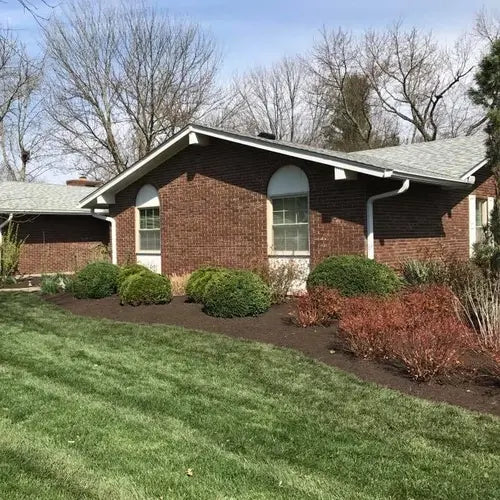
Mulch Mound made it so easy! So happy with the pricing, turn around time, delivery and product. I submitted my online order on a Thursday. The mulch was delivered to the designated location by a local landscape company at 8:30 a.m. the following Saturday morning. We had the job completed by that afternoon. We chose the natural brown mulch, and the plant beds are beautiful.
Good quality, great price, fast delivery. All online - no submitting forms and waiting for days for quotes. Getting mulch should be this easy fr...
Read full review
Good quality, great price, fast delivery. All online - no submitting forms and waiting for days for quotes. Getting mulch should be this easy from everyone. Only Mulch Mound is ACTUALLY this simple.
I highly recommend Mulch Mound. The quality of the mulch is very good. The ordering system on their website makes it very easy. The delivery driver...
Read full review
I highly recommend Mulch Mound. The quality of the mulch is very good. The ordering system on their website makes it very easy. The delivery driver did a great job placing the mulch on the driveway. To finish off, the pricing was very reasonable as well.
Measure each bed's length and width in feet and multiply to get square footage, then add all your beds together before calculating volume. Beachwood's sandy loam drains fast, so plan for a full 3 inches of depth rather than the 2-inch minimum you might see on general guides. Having a small overage on hand is useful in Beachwood because coastal winds and summer storms can thin out your mulch unevenly between applications.
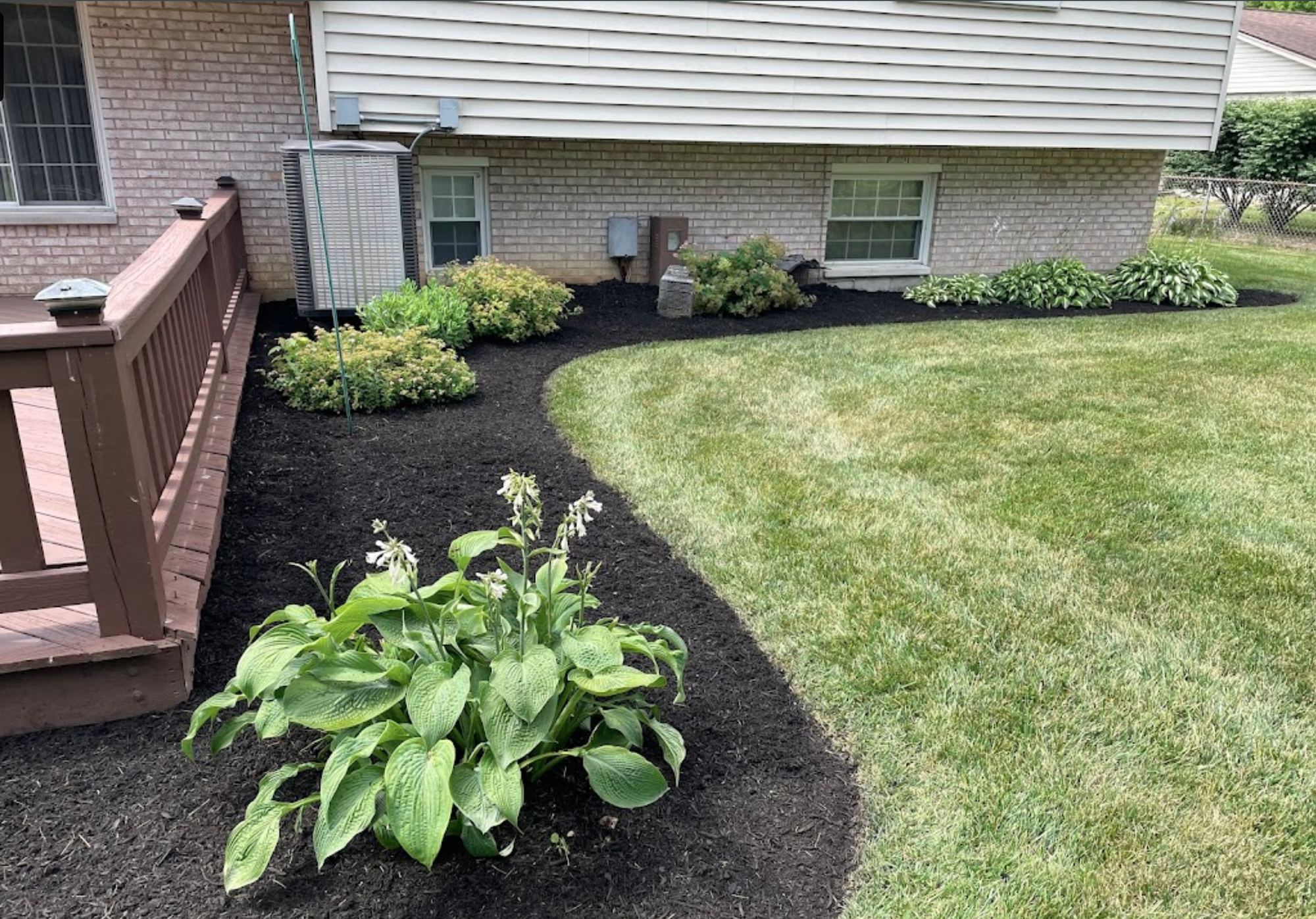
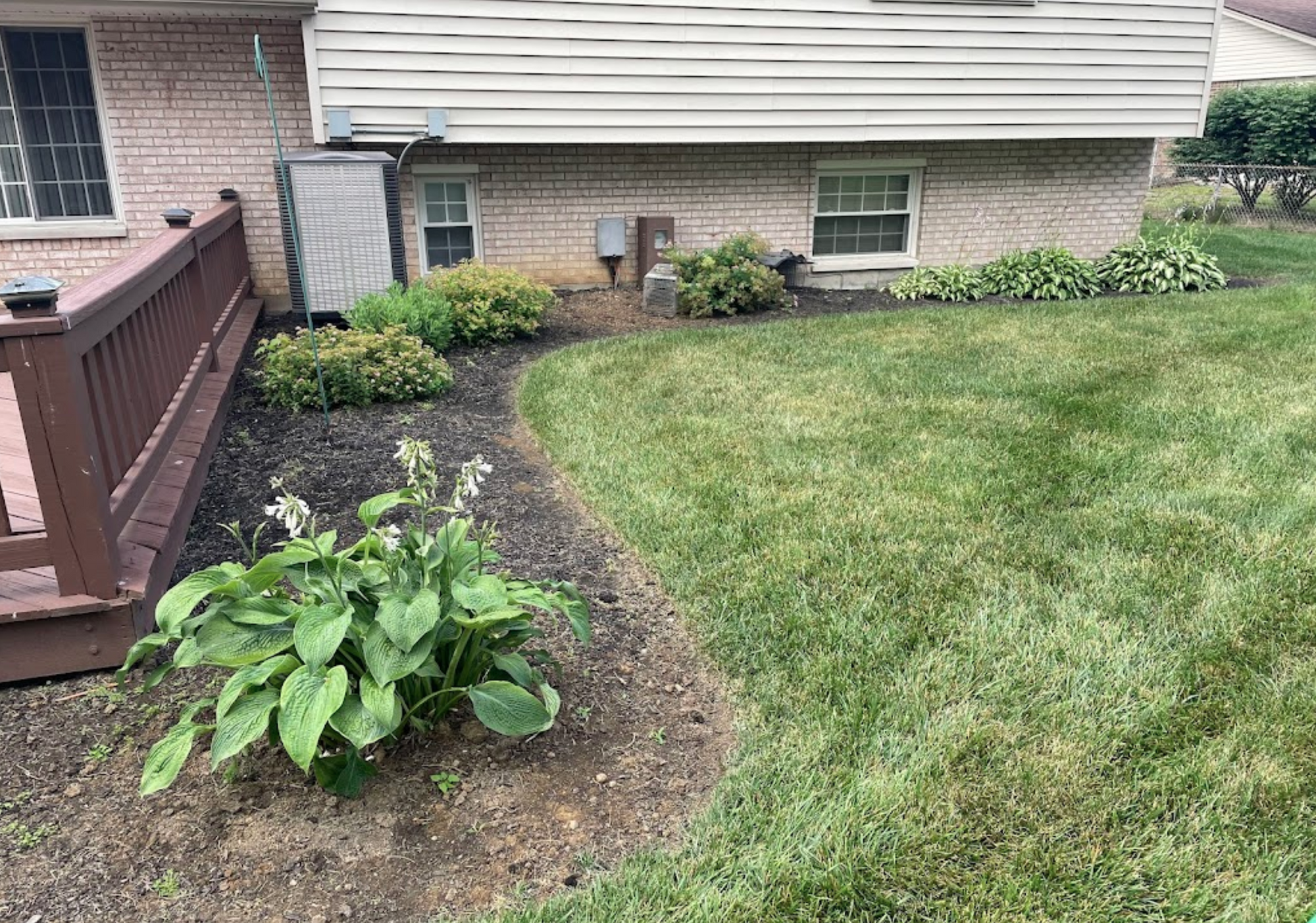
Mulch vs. No Mulch: The Difference
Beachwood's Zone 7a climate and coastal humidity mean organic mulch breaks down at a moderate but noticeable pace, typically requiring a fresh application every 12 months to maintain effective depth. Natural hardwood mulch feeds that decomposition process and returns organic matter to Beachwood's sandy loam, which benefits from every bit of humus it can get. Dyed mulch resists breakdown slightly longer and holds vibrant color through Beachwood's intense summer sun, making it a popular choice for front-yard beds where appearance matters as much as soil health.
Before
After
Best Mulch Choice for Beachwood Lawns
Most yards in the Beachwood area sit on Sandy Loam type of soil. Beachwood's sandy loam soil has limited organic matter and drains so freely that bare plant beds can lose moisture within days of a rainfall, stressing roots and leaving soil exposed to wind erosion.
Hardwood Mulch
Hardwood mulch breaks down slowly into fine organic particles that directly address the gaps in Beachwood's sandy loam, adding humus that improves water retention, supports beneficial soil biology, and gradually builds the kind of rich planting medium that sandy coastal soil cannot provide on its own.
Mulch Types We Deliver in Beachwood
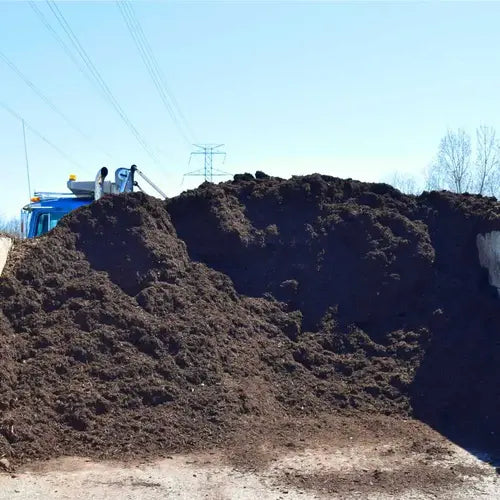
Ordering bulk mulch delivery in Beachwood is simple with Mulch Mound. We drop fresh cubic yards straight to your property, no bags and no hauling required. Whether you are refreshing beds around a coastal cottage or protecting roots through the hot, humid summers of Ocean County, we carry the right material.
Dyed Black Mulch
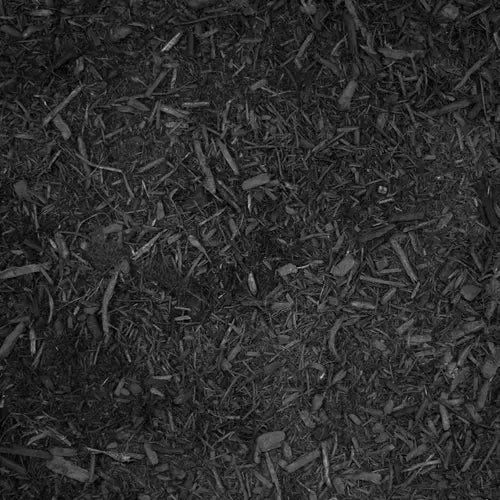
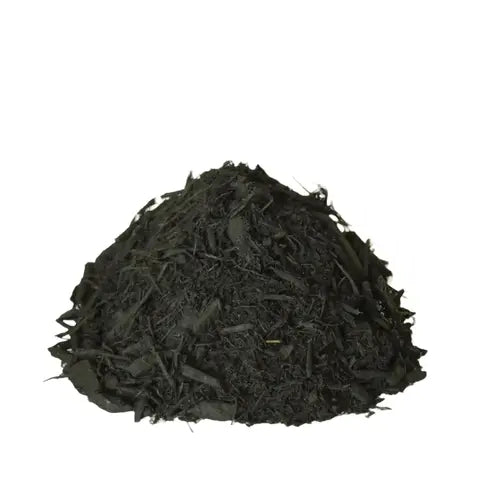
Bold black color makes flower beds and foundation plantings pop against the sandy tones common in this area. Available in double shredded or triple shredded, this mulch spreads smoothly and holds its color through summer heat and coastal rain all season long.
Dyed Brown Mulch
A warm tone that blends naturally with earthy Ocean County landscapes. Available in double shredded or triple shredded, it spreads cleanly over sandy soil and holds a freshly laid look for weeks even under the direct summer sun.
Natural Brown Mulch
Undyed and sourced straight from the wood, this mulch brings a genuine earthy tone to beds without artificial color. Choose double shredded for a broader texture or triple shredded for a finer finish. A natural look that suits modest residential properties typical of coastal New Jersey.
Dyed Red Mulch
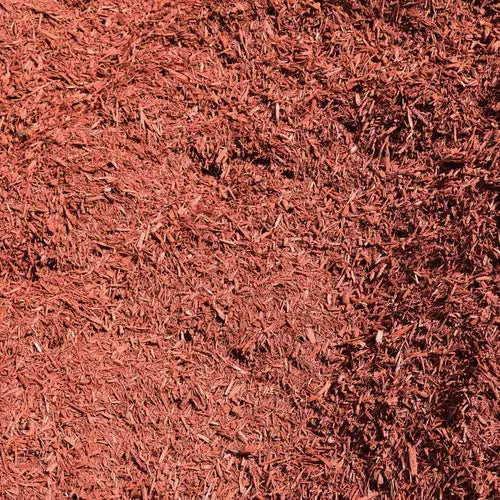
Vivid red color adds strong contrast against green shrubs and ornamental plantings. Only available in triple shredded, this fine texture locks together to resist washout during the heavy rains that move through Ocean County each summer.
Complete Your Outdoor Mulch Project
If your Beachwood beds have shallow, nutrient-poor sandy loam beneath them, pairing mulch with a bulk topsoil or garden soil delivery will build up the organic layer that fast-draining coastal soil cannot provide on its own. Adding a stone border or pathway material alongside your mulch order keeps beds tidy and prevents mulch from migrating onto your lawn or hardscape.
Beachwood's sandy loam warms up fast in spring, which is great for early planting, but it also means soil dries out quickly once temperatures climb in June and July. Pull your existing mulch back slightly in late March to let the soil warm before your last frost date, then push it back to full depth around April 7. This small adjustment accelerates germination while still giving you full moisture protection through the hottest part of summer.
Mulch Mound Pro Tip
Before applying fresh mulch each spring, rake out any matted or compacted material left from the previous season. Old mulch that has compressed into a dense layer can actually repel water rather than absorbing it, which defeats the purpose in Beachwood's free-draining sandy loam. Loosening that bottom layer before you top-dress ensures rainfall and irrigation reach plant roots instead of sheeting off the surface.
Mulch Mound Pro Tip
Beachwood's 46 inches of annual rainfall sounds like plenty, but that precipitation falls unevenly, with dry stretches in late summer that can stress plants in sandy soil. A fresh 3-inch mulch layer applied in mid-May acts as a buffer during those dry gaps, cutting soil moisture evaporation significantly compared to bare ground. Consistent mulch depth is one of the most cost-effective tools a Beachwood homeowner has for keeping plants healthy without increasing irrigation.
Frequently Asked Questions
Click a question to see the answer
Answer
How often should I add mulch to my beds in Beachwood?
Because Beachwood sits on sandy loam that drains freely, organic mulch breaks down faster here than in clay-heavy soils further inland. Most Beachwood homeowners get the best results by top-dressing once in spring after the last frost around April 7 and again in late October before the November frost sets in. Two applications per year keeps depth consistent and weed pressure low.
Answer
How thick should I apply mulch around my plants given Beachwood's sandy soil?
A 3-inch layer is the sweet spot for Beachwood beds. Sandy loam loses moisture quickly, so anything less than 2 inches will not meaningfully slow evaporation during dry summer weeks. Avoid piling mulch thicker than 4 inches, especially around shrub crowns, because Beachwood's humid coastal air can trap moisture against stems and cause rot.
Answer
Will mulch help with weeds since my Beachwood yard gets a lot of sun?
Yes, a proper 3-inch mulch layer blocks sunlight from reaching weed seeds in the soil below. Beachwood's open, sun-exposed lots mean weed seeds blow in freely from neighboring properties, so consistent depth is important. If you have a history of heavy weed pressure, laying a paper or biodegradable weed barrier under the mulch before applying adds an extra layer of suppression without harming soil biology.
Answer
Does the 46 inches of rain Beachwood gets each year wash mulch out of my beds?
Beachwood does receive a meaningful amount of rain spread across the year, and lighter mulch like shredded pine can shift during heavy downpours. Hardwood mulch and dyed wood chips are denser and stay in place better during intense summer storms. Edging your beds with stone or steel border keeps mulch contained regardless of how heavy a storm rolls in off the bay.
Answer
What is the difference between natural and dyed mulch for a Beachwood yard?
Natural hardwood mulch breaks down into organic matter that gradually improves Beachwood's sandy loam, adding the fine particles and humus that sandy soil naturally lacks. Dyed mulch holds its color longer through Beachwood's sunny summers, which is appealing for high-visibility front beds, but it typically adds less organic value to the soil over time. The choice really comes down to whether you prioritize long-term soil improvement or consistent curb appeal color.
Answer
When is the best time to mulch my Beachwood garden beds?
The most productive time to mulch in Beachwood is the two-week window right after the last frost, which averages around April 7. Spreading mulch then locks in soil moisture before summer heat arrives and stops the first wave of spring weeds before they establish. A second application in late October, before the first frost around November 5, protects roots and improves soil structure heading into winter.
Answer
How much mulch do I need for a typical Beachwood yard?
Measure the length and width of each bed in feet, multiply them together to get square footage, and then divide by 100 for a 3-inch layer. A typical Beachwood ranch or cape with beds around the foundation usually needs between 3 and 6 cubic yards. If you are unsure, it is always better to order a little extra since leftover mulch can go around trees or be saved for spot touch-ups.
The Unique Landscape of Beachwood
Beachwood's sandy loam soil drains quickly, which means plant beds can dry out faster than homeowners expect, especially during the drier stretches between Beachwood's 46 inches of annual rainfall. A consistent layer of mulch slows that evaporation and keeps root zones from swinging between saturated and bone dry. With a last frost around April 7 and a first frost around November 5, Beachwood gardens have a growing season where soil temperature regulation matters from early spring planting through late fall cleanup. Mulch applied in late March helps warm sandy loam beds ahead of transplanting, while a fresh fall application before the November frost protects shallow roots from the freeze-thaw cycles common along the Jersey Shore coastal plain. The combination of coastal humidity and summer heat in Zone 7a also accelerates organic mulch breakdown, meaning Beachwood yards often benefit from a fresh top-dress each season to maintain depth and weed suppression.